Japan Property Investment Guide for Foreigners
Last Updated: September 10, 2026
Discover how foreigners can invest in Japan real estate with this guide covering buying steps, taxes, mortgages, top cities, market trends, and key legal requirements.
Table of Contents
-
Why Japan property investment is popular among foreigners
-
Can foreigners buy property in Japan?
-
Types of Properties Available for Foreigners
-
Japan Property Market Trends (2026 Outlook)
-
How to Buy Property in Japan
-
Taxes and Expenses when Buying Property
-
Things to Note when Buying Property in Japan
-
Mortgages and Loans for Foreigners to Buy Property in Japan
-
Most Popular Cities in Japan for Property Investment
-
How to Choose a Real Estate Agent or Property Management Company
-
Sale (Disposal) and Exit Strategy
-
Frequently Asked Questions (FAQ)
-
Summary
Supervised By: Hiroki Kazato
“Interested in property investment in Japan but not sure what to start with?”
“Would you like to know the concrete steps foreigners need to take when buying real estate in Japan?”
Buying real estate can be a tedious process—especially when the property is located outside your country of residence.
For those interested in property investment in Japan and looking for an overview of the entire process, this article will guide you through the following topics:
- Why Japan property investment is popular among foreigners
- Can foreigners buy property in Japan?
- Types of properties available for foreigners (Condominiums, Detached Houses, Apartments, etc.)
- Japan property market trends (2026 Outlook)
- How to Buy Property in Japan - Steps From Selecting a Property to Signing a Contract, including Requirements and Necessary Documents
- Taxes and expenses when buying property
- Things to note when buying property in Japan (language, culture and legal aspects)
- Mortgages and loans for foreigners to buy property in Japan
- Most popular cities in Japan for property investment
- How to choose a real estate agent or property management company
- Sale (disposal) and exit strategy
Frequently Asked Questions (FAQ)
Read also:
🔗 Tokyo Real Estate Outlook 2026: Market Trends and Investment Forecast 🔗
🔗 Japan Real Estate Outlook 2026: Market Trends and Investment Forecast 🔗
1. Why Japan property investment is popular among foreigners
The reason why Japan property investment is popular among foreigners is because Japan doesn’t impose any legal requirements on foreigners buying property in Japan.
There are no additional restrictions or taxes specifically for foreigners.
Foreigners may purchase and hold real estate on almost the same conditions as the Japanese do.
Therefore, various property types (not only residential properties but also property for retail space, offices, and hotels) are available in the market and can be your investment property depending on your use or investment goal.
The weak yen is also adding to the appeal of real estate investment in Japan.
The property price is “relatively lower” for foreigners due to the weak yen or the advantageous exchange rate for foreigners with assets and funds in foreign currencies.
Japan’s low country risk is, moreover, the reason for its popularity.
Its political and social stability, established legal system and highly developed infrastructure provide a sense of security as a destination for long-term investment.
The booming tourism industry upholstered by the inbound tourists is expected to push up the rent and the price further.
2. Can foreigners buy property in Japan?
Yes, foreigners can purchase and hold property, without major restrictions on the property type (detached houses, condominiums, apartments and land) as Japanese do.
Some countries do prohibit foreigners from buying or owning land, or impose additional tax or duty, but Japan doesn’t, when a foreigner (resident or non-resident) intends to buy property in Japan.
However, if the foreigner would like to take out financing to purchase property in Japan, banks and financial institutions may impose stricter requirements based on:
- type of visa
- income stability
- Residency status
In other words, you can purchase property in Japan almost restriction-free if you are paying in cash.
However, if you are seeking to take out a loan from a bank or financial institution, you should check the requirements before making a property purchase decision as the requirements for a non-resident foreigner can be quite strict.
3. Types of Properties Available for Foreigners (Condominiums, Detached Houses, Apartments, etc.)
The types of property foreigners may buy are:
- Condominiums (newly-built and pre-owned)
- Detached houses
- Land
- Multi-family apartments (unit/whole building)
In 2020, the “Act on the Review and Regulation of the Use of Real Estate Surrounding Important Facilities and on Remote Territorial Islands” was enacted.
However, this Act is not to directly ban foreigners from purchasing or owning land but to require acquirers of certain pieces of land that are considered as “important” in terms of national security to file the use of such land.
The focus of the law is not to prohibit the acquisition of land by foreigners but to investigate and regulate the use of land.
4. Japan Property Market Trends (2026 Outlook)
Demand for Japanese real estate remains strong, including from foreign investors, with investment demand particularly rising in urban areas.
The combination of favorable exchange rates (weak yen), global capital inflows, and stable legal systems has led to increased purchases by overseas funds. Experts anticipate this trend will continue for some time.
However, there are things to keep in mind as well. Due to the continued property price hikes, especially in city centers, there are not many “bargain” properties.
If you are focusing on the rental yield, you should be a little more cautious.
The relatively good rental yield opportunities remain in the regional or suburban areas with stable rental demands.
Also read:
🔗 Tokyo Real Estate Outlook 2026: Market Trends and Investment Forecast 🔗
Across Japan, real estate continues to gain traction as a “safe asset/long-term investment” against the backdrop of stable systems, established infrastructure, demographic structure, and inbound tourism.
5. How to Buy Property in Japan - Steps From Selecting a Property to Signing a Contract, including Requirements and Necessary Documents
(1) Property and Agent Selection:
Narrow down the property types, areas and other requirements you would have and find a property agent (preferably one that speaks both your language and Japanese).
If you are unsure which property types or areas best align with your investment goals, you may consult a property agent first, so he/she can present properties that you may like.
Be clear with your goals to make the selection process easier.
(2) Viewing
The property agent will select and present you with the properties that match your requirements.
If you are visiting Japan, they can also arrange property viewings for you.
You should allow a reasonable amount of time for the agent to arrange the viewings.
Some properties may not be viewed if there are occupants, but it is always good to visit the property so you can get the feel of the neighbourhood.
Once you like a property, you will be asked to pay a reservation fee of up to 100,000 yen.
(3) Signing Contract & Payment of Stamp Duty:
The agent will prepare the contract for you to sign.
The standard contact will be in Japanese but some agents do prepare an English translation so you can understand well what you are signing for.
The amount of stamp duty for the contract document varies depending on the contact amount.
For more details about the stamp duty, also read:
🔗 Japan Property Tax for Foreigners (Stamp Duty) 🔗
(4) Downpayment:
Usually a downpayment of 10 to 20% of the property price is required.
(5) Registration and Transfer of Ownership:
The process to transfer the title of the property from the seller to the buyer will be initiated.
The paperwork is usually handled by a judicial scrivener (司法書士), who is a licensed specialist to process the legal administrative work.
Real Estate Acquisition Tax (不動産取得税) Registration and License Tax (登録免許税) shall be paid by the buyer.
For more details about the taxes payable when buying property in Japan, also read:
🔗 Japan Property Tax for Foreigners (When buying a property in Japan) 🔗
(6) Settlement / Balance Payment:
The balance and accompanying fees and taxes shall be paid and the keys will be handed over (if the property is already built).
The registration number for the property is issued, so you need to keep this number carefully.
The registration number will be required when changing the name of the title in the future, i.e. in sale, gift, or divorce (asset division).
(7) Documents to Prepare:
- Passport
Zairyu Card (Residence Card), if you have a status of residence - Bank account information
- Proof of Income or funds (in case of financing)
- Sale and Purchase Agreement
- Registration Application Form
6. Taxes and Expenses when Buying Property
When you buy property in Japan, the following taxes and fees are borne by the buyer.
(1) Brokerage fee
The upper limit of brokerage fee is specified by Article 46 of Real Estate Brokerage Act and the Minister of MILT.
For property priced over 8 million yen, the following quick calculation formula is applied:
Property Price x 3% + JPY60,000 + consumption tax
For property priced at 8 million yen or under, these rules (amended in 2024) are applied. The amendment was designed to promote the distribution of Akiya (abandoned or inhabited houses).
(2) Registration tax and other related fees:
- Real Estate Acquisition Tax - 3%: The normal tax rate is 4%; however, land and residential buildings bought between April 1, 2008 and March 31, 2027 are taxed at 3%.
- Consumption Tax - 10%
- Stamp Tax/Duty - usually JPY20,000 to JPY100,000
- Registration and License Tax - 0.4% - 2%
For more details, read also:
🔗 Japan Property Tax for Foreigners 🔗
(3) Judicial scrivener (shiho-shoshi) fee
Judicial scriveners or shiho-shoshi are the specialists who handle the paperwork and the process of property registration under your name.
The fee varies depending on the complexity of the transaction but usually is between 50,000 yen and 100,000 yen.
(4) Management Fees and annual taxes
You need to keep the ongoing expenses in mind. These expenses include fixed asset tax (approx. 1.4% annually), city planning tax (approx. 0.3%, if the property is located in the urbanization promotion area), and management fees and contribution to repair reserve fund if the property is a condo unit, insurance premiums, utility bills.
In addition to those above, If you plan to sell the property in the future, capital gains tax will be imposed on the gains from the sale.
7. Things to Note when Buying Property in Japan (Language, Culture and Legal Aspects)
Sales materials and contracts of real estate are usually written in Japanese.
Some legal terms may be difficult to understand, even though you speak or read Japanese.
To minimize language barriers, it is advisable to work with a property company whose agents speak both Japanese and English, or your preferred language, and can explain everything thoroughly.
It is also ideal to make yourself familiar with, or appoint an agent who is familiar with the local customs and culture, as communication with the management company, landlord and the neighborhood community is prone to be influenced by Japan's unique customs and culture.
It is also important to have all the legal aspects covered.
Restrictions on use or resale of the property, taxes, contract terms, resident registration (if you are living in your property) and tax return filing. There are no exceptions for foreigners.
You should also consider, before purchase, how to manage the property after the purchase (renting out, renovating, and payment of management fees).
If you are a non-resident, it is essential to secure the management system.
8. Mortgages and Loans for Foreigners to Buy Property in Japan
Foreigners can take out mortgages or loans from Japanese banks but the requirements are usually stricter.
Banks usually require “residency status” or “long-term stay”, “stable income” and “credit history”.
Some banks may ask a larger amount of downpayment (20 - 35% of the property price vs. 10-20% required for locals) or more complex application processes for foreigners depending on the residency status.
It is safer to choose an agent or property company that has experience in handling translations with foreigners so you can make this process smoother.
9. Most Popular Cities in Japan for Property Investment
Tokyo
As the capital of Japan and a cosmopolitan city, Tokyo has sizable and liquid markets for both selling and renting, with stable demand. However, prices tend to be higher and yields are relatively low, making it more suitable for investments aimed at long-term ownership or capital appreciation.
For best areas to live in Tokyo for foreigners, also read this:
🔗 The 10 Best Places to Live in Tokyo for Foreigners 🔗
Osaka
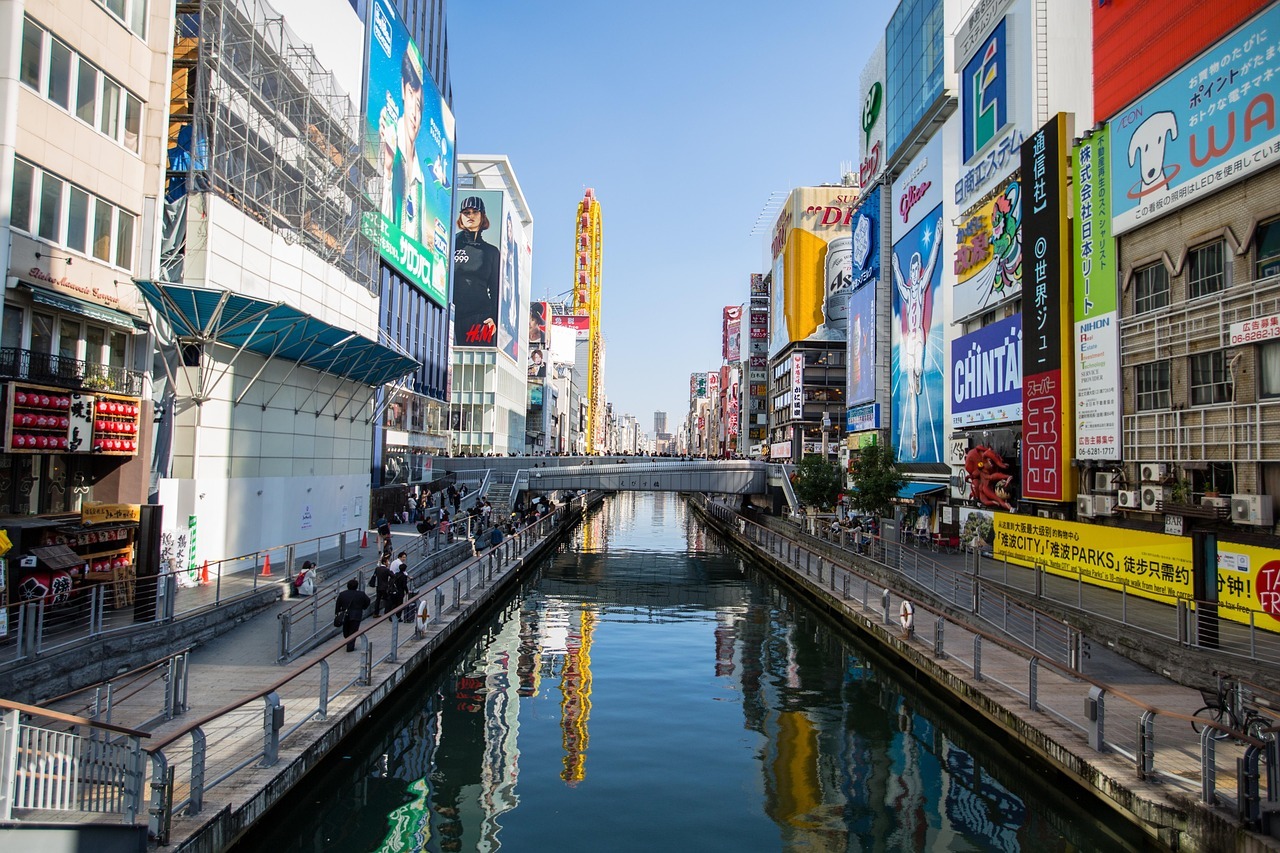
The property prices are lower than in Tokyo but the demand is stable, so Osaka is said to be suitable for investments for rental income. Some areas are undergoing redevelopment, such as the Osaka IR (Integrated Resort) project and projects around Umeda and Namba, which is also expected to boost property values and investor confidence.
For best areas to live in Osaka for foreigners, also read this:
🔗 The 10 Best Places to Live in Osaka for Foreigners (Umeda, Namba and More) 🔗
Kyoto
As one of the top tourist destinations in Japan thanks to its rich culture and history, Kyoto shows strong demand in rental properties and gains traction to its traditional properties and areas.
For best areas to live in Kyoto for foreigners, also read this:
🔗 The 7 Best Areas to Live in Kyoto for Foreigners 🔗
10. How to Choose a Real Estate Agent or Property Management Company
If you are living overseas or a foreigner living in Japan, it is common to contract a property management company or service to manage your property in Japan.
Since they need to communicate with the landlord in Japanese, it is advisable to choose one that speaks both Japanese and your language (preferably) or English and has experience in transactions with foreign investors or buyers.
Before making an investment decision, you should ask the agent or company to present the vacancy risk (if you plan to rent the property out) and the operating costs (such as management and repair fees and taxes) so that you can review the profit and loss simulation.
You may also ask the agent or company about the location (transportation options and access to major destinations, and the potential), the building condition and the management system, and assess the knowledge level of the agent or company.
11. Sale (Disposal) and Exit Strategy
When you are planning to sell the property in the future, the capital gains may be taxed under the Japanese tax law.
The capital gains tax rate varies depending on the period of your ownership, so it is important that you are aware of the regulations.
For more details about the capital gains tax, also read:
🔗 Japan Property Tax for Foreigners (When selling your property in Japan) 🔗
Selecting areas with rising property values, redevelopment zones, or regions with projected population growth may provide an advantage when selling.
If you are investing for the purpose of rental income, you should check the rental demand, management system and the rental market prospects so that you can consider exit strategies in advance.
Frequently Asked Questions (FAQ)
Q1: I’m a non-resident of Japan. Can I buy property in Japan?
A1: Yes, you can buy property in Japan without residing in Japan. Residency visa is not required.
Q2: Do I need to have a bank account in Japan?
A2: No, you don’t. The remittance for the payment can be done from your overseas bank account.
Q3: Do I need to have a Japanese seal?
A3: No, you don’t. However, you will need a “Signature Certificate" (Shomei Shomeisho) (for foreigners usually certified by notary public in your home country)
Q4: Can I buy property without visiting Japan? Do I need a power of attorney?
A4: Yes, you can purchase property without visiting Japan and without a power of attorney. A real estate transaction specialist is required to explain important matters relating to the property, but this explanation may be provided online.
Q5: When do I need to appoint a tax agent (納税管理人)?
A5: If you are a non-resident, you need to appoint a tax agent to settle any tax related matters for you. Anyone can be appointed as your tax agent as long as the person is a resident of Japan. To appoint a tax agent, you will need to submit an application form to the appropriate tax office.
Summary
1. Why Japan property investment is popular among foreigners
Japan attracts foreign property investors due to its lack of ownership restrictions, favorable exchange rates, low country risk, stable legal system, and strong tourism-driven demand.
2. Can foreigners buy property in Japan?
Yes, foreigners can buy almost any type of property in Japan with minimal restrictions, though obtaining local financing may involve stricter requirements based on residency and income stability.
3. Types of Properties Available for Foreigners
Foreigners may purchase condominiums, detached houses, land, and multi-family apartments, with only limited regulations focused on land use rather than ownership.
4. Japan Property Market Trends (2026 Outlook)
Japan’s real estate market remains strong with continued foreign investment, though rising prices mean better rental yield opportunities are increasingly found in regional and suburban areas.
5. Property Buying Steps
The property purchase process involves selecting an agent, viewing properties, signing a contract, paying taxes and fees, registering ownership, and preparing required documents.
6. Taxes and Expenses when Buying Property
Buyers must account for brokerage fees, various acquisition and registration taxes, judicial scrivener fees, and ongoing costs such as fixed asset taxes and management fees.
7. Things to Note when Buying Property in Japan
Foreign buyers should be prepared for language, cultural, and legal complexities and ensure proper management arrangements, especially when purchasing as non-residents.
8. Mortgages and Loans for Foreigners
Foreigners can access mortgages in Japan, but banks often apply stricter conditions, higher downpayments, and additional documentation requirements.
9. Most Popular Cities in Japan for Property Investment
Tokyo, Osaka, and Kyoto are top investment destinations, each offering strong demand and unique advantages ranging from capital appreciation to rental income and tourism appeal.
10. How to Choose a Real Estate Agent or Property Management Company
Investors should select agents or management companies with multilingual capabilities and foreign-client experience, and request detailed risk and cost analyses before deciding.
11. Sale (Disposal) and Exit Strategy
Planning an exit strategy requires understanding capital gains tax rules and assessing future resale potential based on market trends, rental demand, and area development.
Our team of seasoned professionals at PropertyAccess is dedicated to helping you navigate Japan’s real estate market with confidence.
With deep local knowledge and a commitment to personalized service, our experts are here to guide you every step of the way.
Book a Free Consultation Session with Our Team!