- Area Guides
The 7 Best Areas to Live in Fukuoka for Foreigners
Last Updated: October 23, 2026
Explore the best neighborhoods for foreigners in Fukuoka, Japan. Compare lifestyle, transport, costs, and community to find the right area for work, family, or coastal living.
Table of Contents
Supervised By: Hiroki Kazato
Real Estate Expert
Fukuoka is one of the best cities in Japan for foreigners. With city comforts on one hand, seaside beauty on the other - its trains and buses make getting around smooth. Places such as Tenjin, Hakata, Daimyo pull in expats thanks to their energy and ease. Then there’s Yakuin near riverbanks, quiet yet well connected. The Ohori Park zone blends green space with daily life, offering calm without cutting you off. Momochihama brings ocean breezes into apartment living, while Nishijin holds old-town flavor mixed with modern updates. Even Meinohama, at the edge of things, gives a relaxed pace close to water routes. Every district carries a different rhythm, matching varied tastes. Work, school, or simply beginning anew - your fit might be waiting in one of these pockets.
If you're thinking about moving to Japan but are hesitant about Tokyo's hustle or Osaka's chaos, you might be pleasantly surprised by Fukuoka.
Read More:
Japan Property Investment Guide for Foreigners
Japan Real Estate Outlook 2026: Market Trends and Investment Forecast
Where is Fukuoka?
Fukuoka spreads wide across Kyushu, standing as a key door to Asia. It is located at the north edge of Kyushu, one of Japan's bigger islands. Facing the waters of the Genkai Sea, it rests nearer to Seoul and Shanghai than it does to Tokyo - distance that long shaped its role connecting Japan to continental Asia. Because of where it stands, the city grew through flows of goods, ideas, people. Its position didn’t just matter on maps; it pulled history toward it.
Right now, Fukuoka stands as Kyushu’s biggest hub - also among Japan’s most rapidly expanding cities. Coastal views mix with mountain horizons while streets stay packed yet navigable. From bustling Tenjin it takes less than twenty minutes to reach Momochi’s shore. A short subway ride links the city center to Fukuoka Airport, simplifying both local flights and overseas trips more than usual.Because it stays small on purpose, getting around feels smooth. Trains run like clockwork, helping people move without hassle. Young companies grow fast here, drawn by open spaces and fresh ideas. Mountains rise nearby, while ocean waves stay within reach. Life fits together easily when nature and city share space.
The city government is focused on becoming more international-friendly, supporting entrepreneurs, providing multilingual services, and updating its urban areas with projects like the “Tenjin Big Bang.”
Getting around feels simple. Most parts of the city sit less than half an hour away by underground train. Downtown reaches the airport fast, almost without effort. Rent usually costs less when measured against Tokyo or even Yokohama. Comfort mixes quietly with chance, giving Fukuoka a steady rhythm.
Let's dive into the neighborhoods where you might feel right at home.
Read More
The 13 Best Places to Live in Tokyo for Foreigners
The 10 Best Places to Live in Osaka for Foreigners (Umeda, Namba and More)
The 7 Best Areas to Live in Kyoto for Foreigners
1. Tenjin (Chuo Ward)
Finding yourself right where the action happens? That place is Tenjin, tough to top. Home to big shops like Mitsukoshi and Diamaru, Tenjin serves as Fukuoka’s bustling hub for work and shopping. International labels pop up alongside small neighborhood stores. Beneath the streets, covered walkways link rows of busy market stalls. Eating spots appear on nearly every corner, offering many flavors. This part of town stays packed from morning until late.
The Tenjin Big Bang redevelopment project has reshaped the skyline with new office towers and mixed-use buildings. This initiative, led by Fukuoka City, aims to attract global companies and startups. As a result, more international professionals now choose to live nearby.
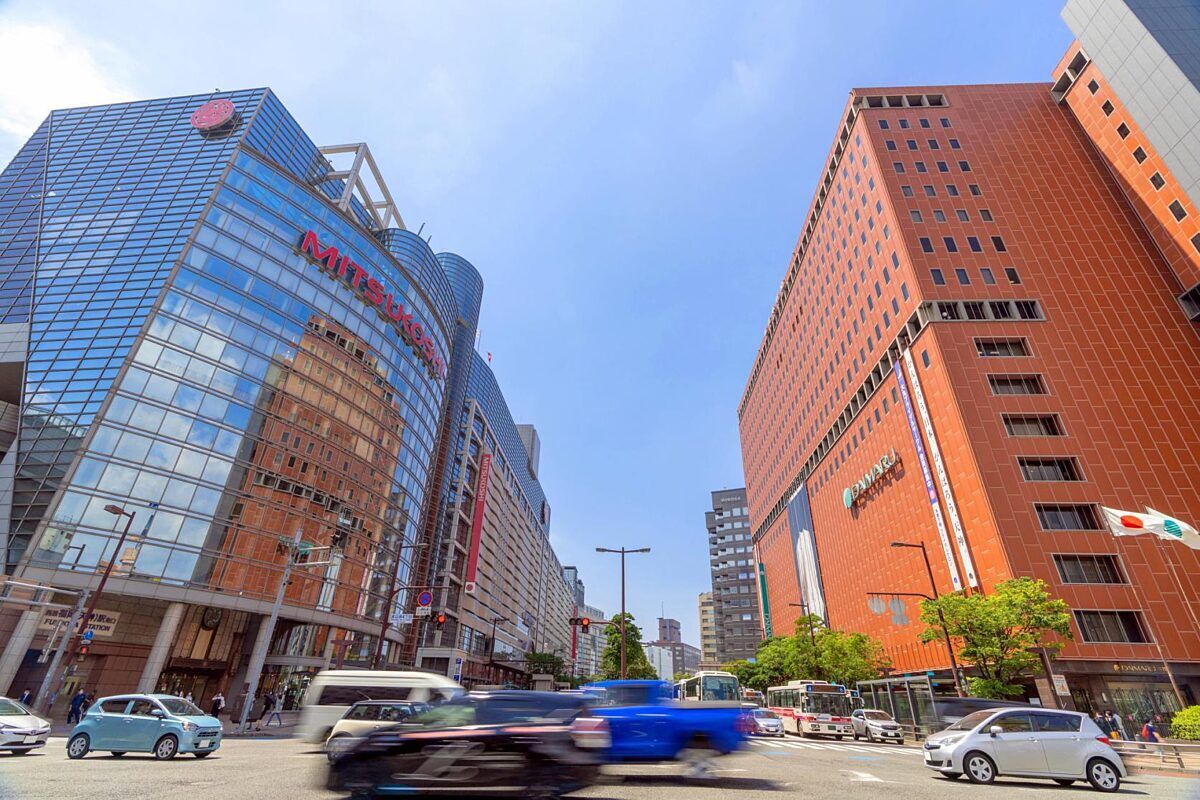
Getting around here is easy. From Tenjin Station, riders can reach both the Kuko Line and the Nanakusa route. Trains at Nishitetsu Fukuoka link straight to areas south of the city. Routes spread out by bus cover nearly every angle you might want to go.
Folks from abroad who work in banking, software, advice firms, or hotels often pick Tenjin - it's near most workplaces and shared desks. Shops and service spots tend to speak English better here compared to areas farther out.
Most people live in apartments here. You will find small spaces inside tall or medium-height structures. Though costs rise above those in outer neighborhoods, they usually stay under what you’d pay near downtown Tokyo.
If you value convenience, nightlife, and short commutes, Tenjin offers a strong starting point.
2. Hakata (Hakata Ward)
Hakata opens straight into Fukuoka, almost like a welcome mat laid out by the city itself. Fukushima's big rail center sits right here at Hakata Station. From this point, bullet trains roll toward Osaka, stopping in Hiroshima first. Nearby towns link up through regular JR routes nearby. Minutes after boarding, the underground line drops riders at Tenjin or the airport stop.
On long trips or busy work schedules, staying linked up keeps things running smooth. When you move around a lot, having constant access quietly simplifies routines. It is during back-to-back meetings or flights where steady signals really help out. Without it, small tasks turn into delays. Each time zones shift or plans change fast, the connection holds firm behind the scenes.
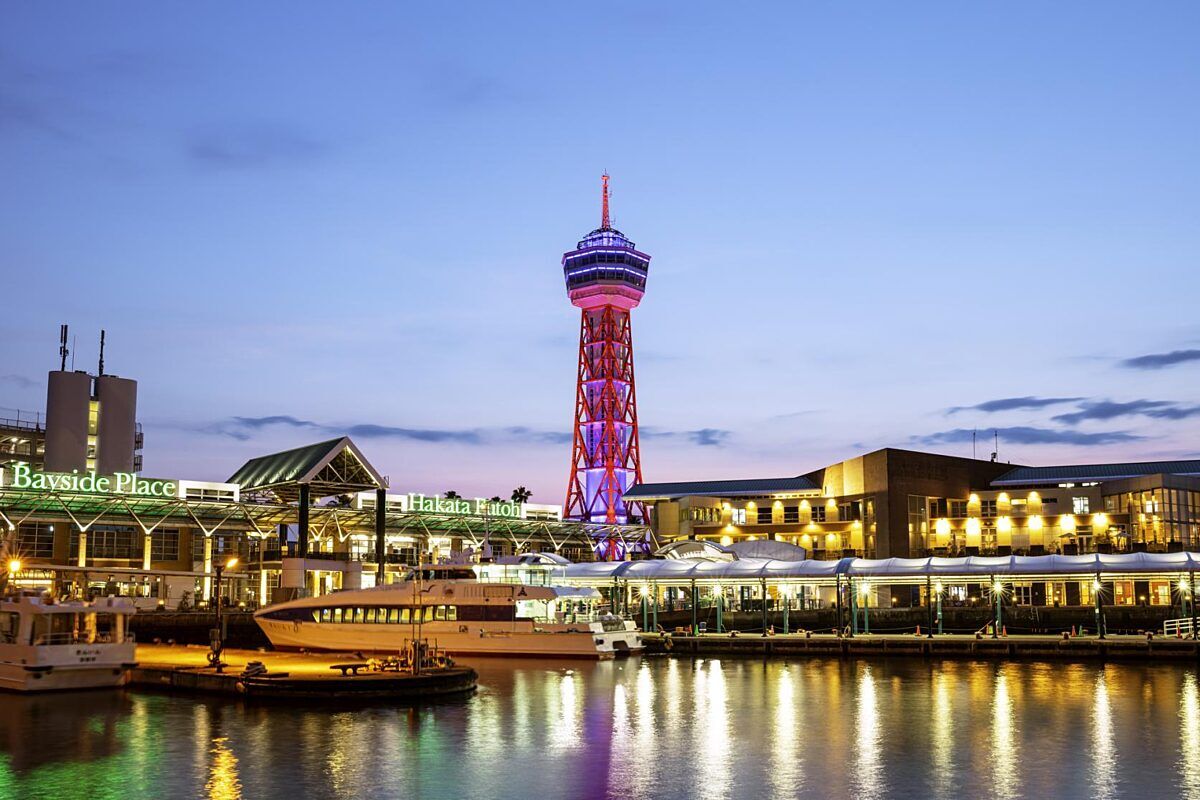
People often go through Amu Plaza right inside the station, where shops sit beside a movie theater, eateries, also workspaces. As night settles, street-side yatai stands pop up just beyond the exits - most crowd near Nakasu, close to the water's edge.
Hakata Ward blends commercial blocks with residential streets. While the immediate station area is busy, quieter neighborhoods sit just a few stops away. Farther from the station, you’ll find quieter streets lined with smaller buildings built years ago. Near transit hubs, newer high-rises rise above tree level. Living here costs less than in central Tokyo areas.
Because of its transport strength and business focus, Hakata attracts corporate employees, language teachers, and international students. You may hear more English in this area compared to outer wards.
Travel-heavy work? Hakata moves fast, links rail and flight hubs without slowing down. Efficiency hums here, matched by a pulse that never quits.
3. Daimyo (Chuo Ward)
Farther along from Tenjin, Daimyo rests to the west - quiet, separate. A short walk changes everything. Filled with small shops that do their own thing, Daimyo hums with a young energy. Coffee spots sit beside places spinning vinyl records. Creativity shows up in corners you don’t expect. When class lets out, students drift into design studios nearby. People building new ideas tend to cross paths around here, drawn by the rhythm of the streets.
Winding paths here feel cozier than the broad roads of Tenjin. Most spots sit within walking distance. Aromas drift out where café chairs crowd the pavement. Trendsetting city dwellers cross paths with neighbors from abroad.

Daimyo draws people keen on tradition mixed with lively streets, yet leaning toward spots quieter than downtown Tenjin’s office-heavy vibe. A different rhythm hums here - one that matches those wanting local flavor without the business district rush. Apart from being in demand, the area has little room to build, so homes tend to be compact and cost a bit more by size. Yet getting around takes less time thanks to where it sits.
A place where mornings begin at corner coffee spots, friendships grow through unplanned chats, yet evenings unfold on quiet walks - Daimyo might just match that rhythm. Yet it isn’t about plans, more about how days drift by without hurry.
4. Yakuin
Few steps below Tenjin, life slows down in Yakuin. Far from crowded hubs, Yakuin Station links the Nishitetsu route with the Nanakuma subway. Commuting becomes simpler because of this split path through the city.
A few blocks here hold boutiques, cafes that draw crowds, yet mornings stay quiet. Life hums without rushing. Folks just starting out, or pairs sharing life, tend to land in Yakuin when they want ease without noise. Not quite so cramped as Daimyo, the roads stretch out a bit more here. Structures pop up looking crisp, like they arrived later than elsewhere.
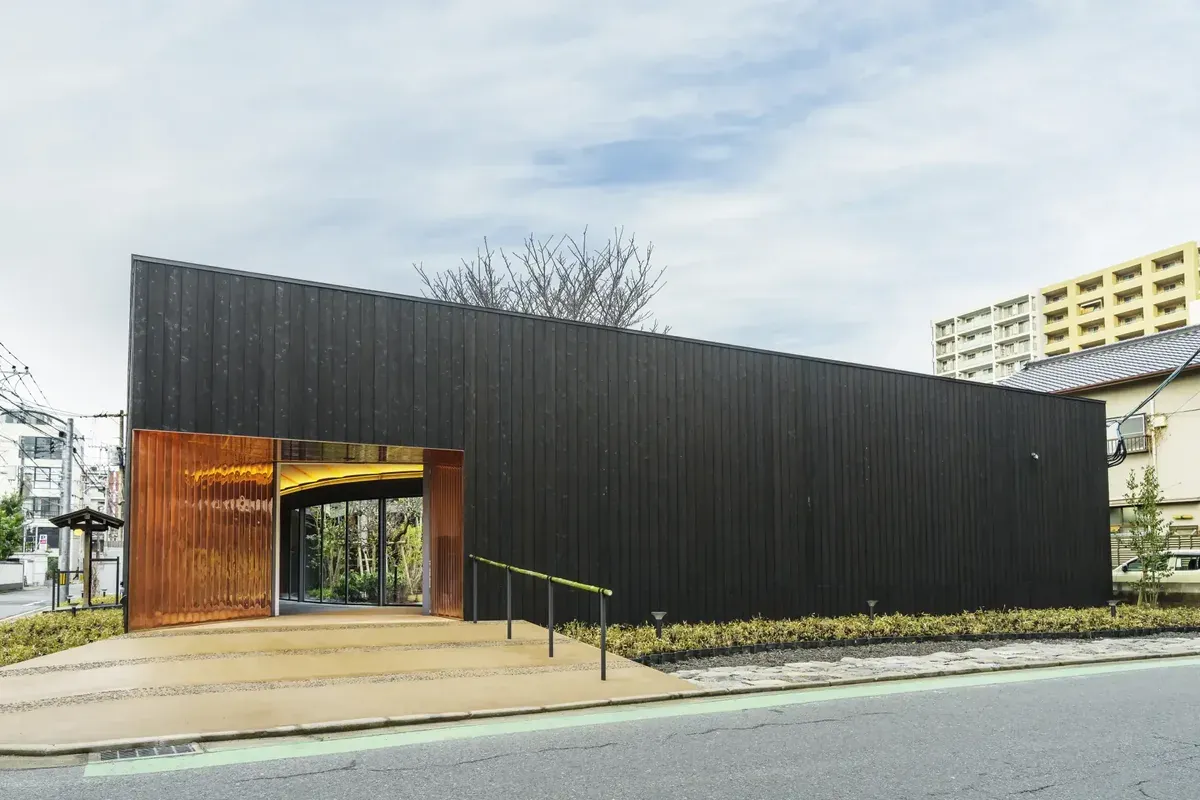
Fewer yen per month here compared to Tenjin, especially if you're close to the train stop. Distance from the platform changes how much rent costs.
Living in Yakuin could mean ease of access but fewer crowds. What if quieter days come with city perks nearby? Close enough to downtown, yet steps away from rush. Sometimes a balanced spot exists where life moves slower but stays connected. Not every central area feels packed all the time. Maybe peace blends well with location here.
5. Ohori Park Area (Akasaka and Ropponmatsu)
When green space is what you care about, this place makes sense to begin. Water laps at the edges of Ohori Park, a favorite among Fukuoka residents. A wide pond anchors its center, wrapping trails where people jog as morning light spreads. Gardens unfold beside walkways, leading past quiet benches and museum walls. The city's art finds space inside low brick buildings near the south shore. Workers slip into rhythm along paved loops while daylight climbs. Weekends bring groups spreading picnic cloths under trees that lean toward open sky.

Akasaka and Ropponmatsu are areas near the park carry a quiet polish. Though calm, there’s a subtle care in how things are kept. Not loud, but never dull either. Each street seems to settle into its own rhythm. Stillness here doesn’t mean emptiness. Instead, it feels deliberate, almost like breathing slowly.
Fresh life started flowing into Ropponmatsu once the old Kyushu University site changed hands. A sleek mall rose up where classrooms used to stand, alongside spaces for people to gather. With time, shops opened their doors while locals began using new places built for shared activities.

Families from overseas usually settle here because of quiet neighborhoods plus nearby access to well-regarded Japanese institutions along with global learning centers.
Fewer floors, some stacked taller, others built wide for bigger groups. Priced above distant zones, yet what surrounds each building shapes the cost.
Fresh mornings could feel different when green branches arch over the sidewalks here. Getting downtown to Tenjin takes just minutes on the train.
6. Momochihama (Sawara Ward)
Few places in Japan mix city life with ocean views like Momochihama does. Near the center yet right by the water, it feels different without trying too hard.
Facing the waters of Hakata Bay, Momochihama spreads out with broad avenues cutting through clusters of sleek apartment buildings. A short walk leads to Momochi Seaside Park, where open space meets sea air. Rising just beside it all, Fukuoka Tower marks the skyline with its distinct shape.
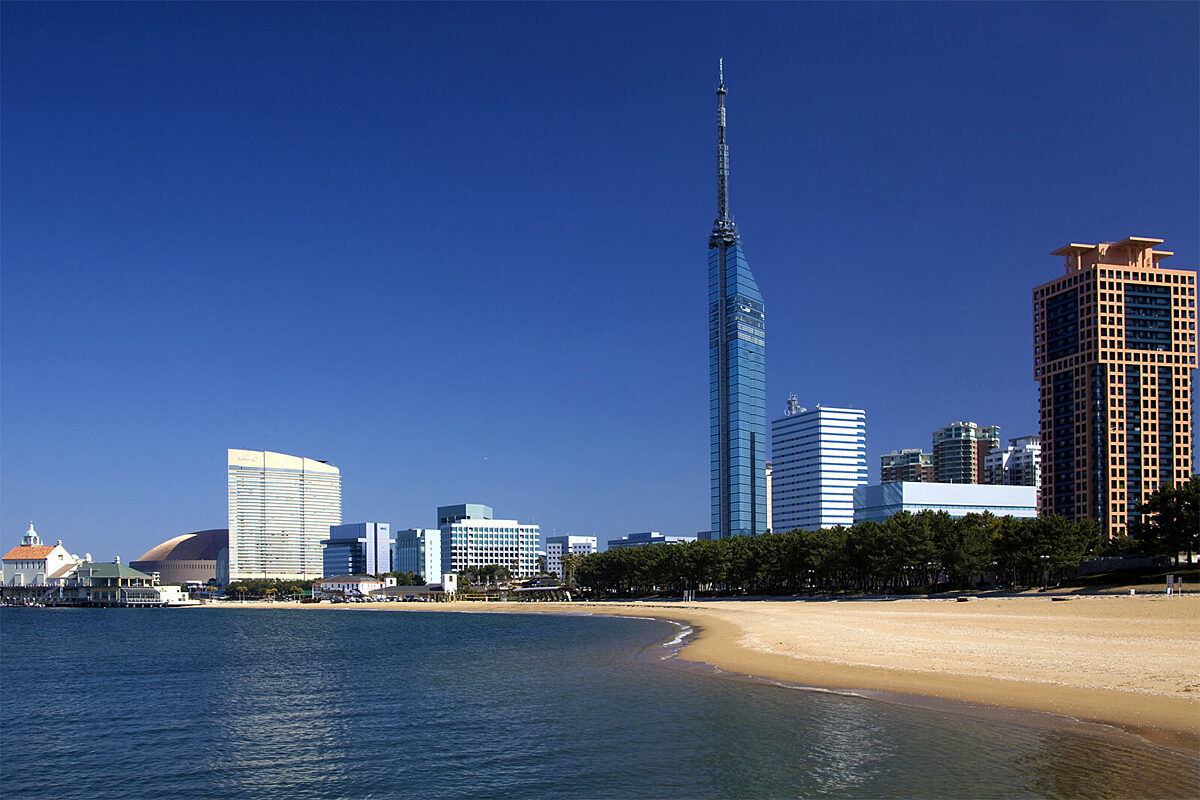
Families now live here alongside workers, drawn since preparations began ahead of the 1989 regional fair. Families living abroad often choose this area because schools and businesses are close by. Space seems wider here compared to downtown zones.
Fifteen to twenty minutes is all it takes for travelers to reach Tenjin or Hakata from Momochi, thanks to the Airport Line subway route. Picture seaside strolls greeting your day - yet the city commute stays close. That balance might make Momochihama come alive.
7. Nishijin and Fujisaki
Farther into land past Momochi, streets grow quieter in Nishijin where old houses line narrow lanes. Around Fujisaki, life slows beneath tree-covered paths and wooden storefronts. While less seen by visitors, these spots hold patterns of daily routines unchanged for years.
Down those shopping lanes, you find stores selling homegrown goods alongside tiny eateries, making the place seem like a real neighborhood. Kids head to class on foot while familiar faces exchange hellos along the sidewalks.
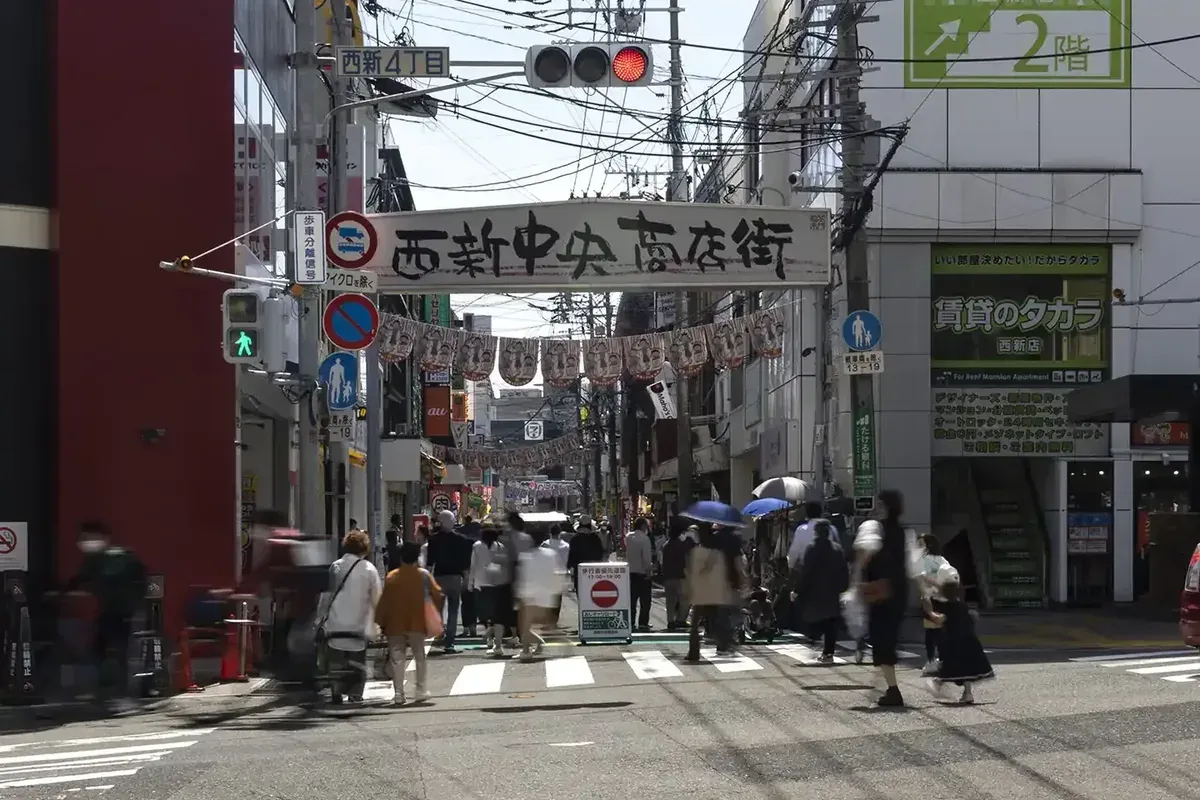
Flying beneath the city streets, the Airport Line connects each station so reaching Tenjin feels effortless. Momochihama often costs more, yet this area stays easier on the wallet without losing access.
Folks from abroad usually pick this stretch when they’re after something familiar yet close to the real thing. People living outside the country tend to land here if blending in matters but so does getting around easily.
Here, skyscrapers wrapped in glass won’t catch your eye - instead, quiet streets hum with stories of their own.
Summary
People who love evening scenes might find Tenjin fits just right. Walking around feels natural here, almost effortless. Daimyo offers a similar rhythm, lively but never rushed. Night after night, both neighborhoods stay active without trying too hard. Built around a hub of constant movement, Hakata links travelers by rail like few places manage. Trains arrive, depart, shape the rhythm of daily life here.
Each area offers something different.
- If nightlife and walkability top your list, Tenjin and Daimyo stand out.
- If transport convenience is essential, Hakata provides unmatched rail connections.
- If you want greenery and long-term comfort, Ohori Park and Momochihama shine.
- If affordability matters, Nishijin and Fujisaki may suit you better.
Think about your daily routine. Where will you work. How often will you travel. Do you prefer cafés or quiet parks. Your answers will narrow the choice quickly.
Read More
A Complete Guide to Buying Property in Japan
Getting Mortgage in Japan as a Foreigner
Rent and Property Market
Starting out, Japan’s way of renting might seem tricky to figure out. Landlords often ask for a security deposit along with key money, plus someone to vouch for you financially. A few places come marked “foreigner friendly,” which signals openness toward renters who aren’t Japanese.
A bilingual real estate agent might make things clearer. Because they translate contract details, understanding fees becomes easier. One benefit? Seeing all initial expenses laid out without confusion. That
Walkability near transit shapes life ease here. Subways carry most commutes across Fukuoko - three lines doing heavy lifting. Homes under ten minutes from stops tend to smooth out morning and evening flows.
Read More
Japan Property Tax for Foreigners
Impact of Japan's Aging Population to Housing Market in Japan
Final Thoughts
Fukuoka holds what plenty of worldwide hubs find hard to keep. Lively it may be, still it stays within reach.
Start your day with the buzz of Tenjin’s streets, then drift into Daimyo where ideas take shape on quiet corners. Moving toward Momochihama brings sea breezes that slow time itself. Near Ohori, green spaces cradle moments of stillness between city beats. Strangers find footing here through open doors and small gestures. Places speak without words when paths cross naturally.
Start by walking around for a couple of days before deciding. Pull up a chair at a local café. Step into a grocery store and move slowly down the aisles. Pay attention to how fast or slow life feels.
Your comfort zone speaks louder than numbers ever could.
Fukuoka opens doors when you’re thinking about relocating. That counts for more than you might first assume.
Source
- Fukuoka City Official Website – City Overview and Urban Development
- Tenjin Big Bang Redevelopment Project – Fukuoka City
- Japan National Tourism Organization (JNTO) – Fukuoka Travel Guide
- Fukuoka Airport Official Information
- Fukuoka Prefecture Official Tourism Site
- Ministry of Land, Infrastructure, Transport and Tourism (MLIT) – Housing and Urban Policy Data
- Bamboo Routes – Fukuoka Expat Guide
- Bamboo Routes – Which Area to Live in Fukuoka
- Japan Living Guide – Fukuoka Area Guide
- Expat.com – Living in Fukuoka Guide
- CityAreas – Fukuoka Neighborhood Guide
- A Realty – Fukuoka: One of Japan’s Most Livable Cities for Foreigners
Our team of seasoned professionals at PropertyAccess is dedicated to helping you navigate Japan’s real estate market with confidence.
With deep local knowledge and a commitment to personalized service, our experts are here to guide you every step of the way.
Book a Free Consultation Session with Our Team!