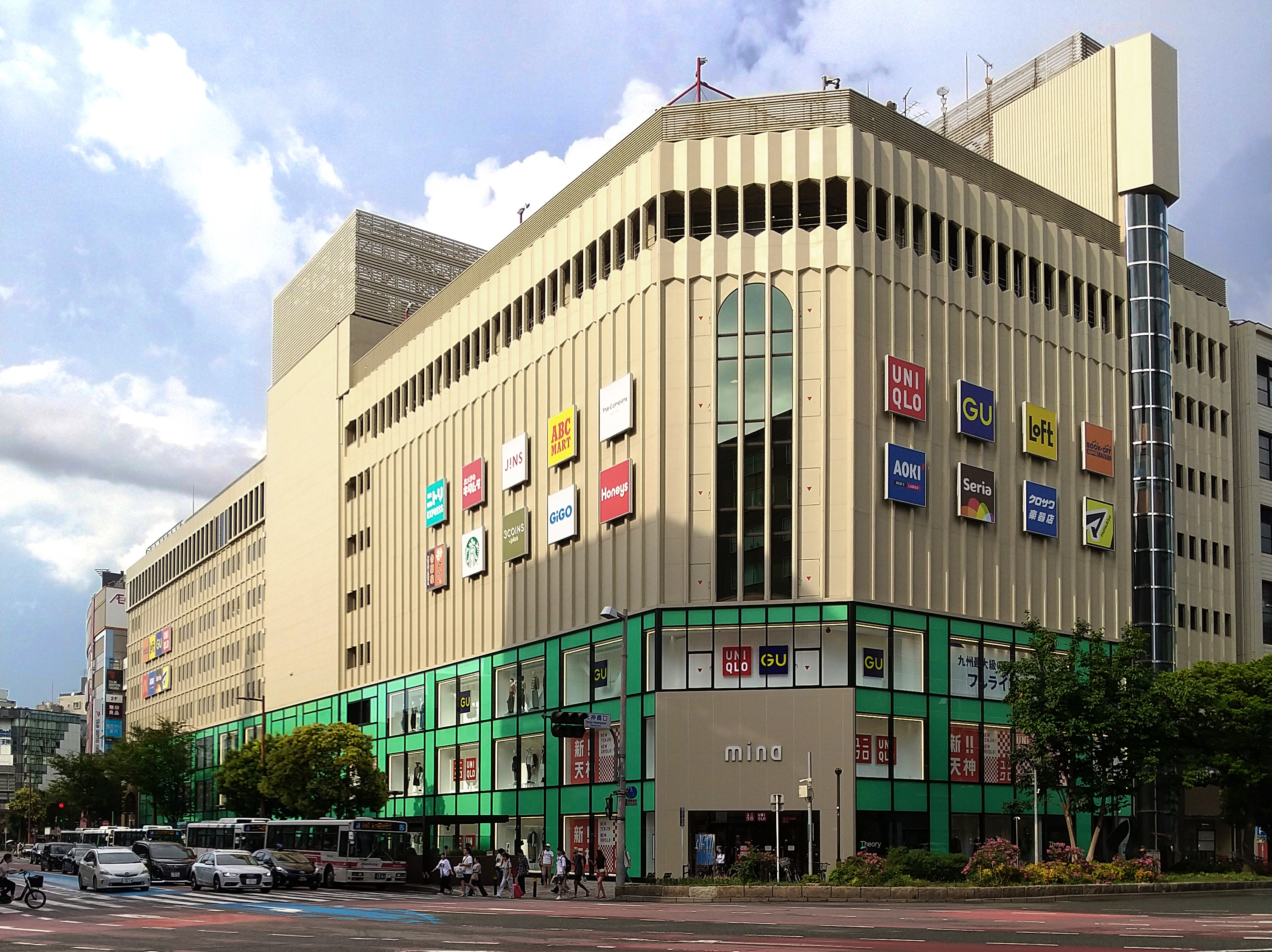
Tenjin, Fukuoka: Kyushu’s Dynamic Downtown Where Business, Shopping, and Riverside Living Converge
Last Updated: September 14, 2026
A definitive guide to Tenjin - Fukuoka’s vibrant downtown hub for shopping, business, and urban living in the heart of Kyushu.
Table of Contents
Supervised By: Hiroki Kazato
Real Estate Expert
Tenjin is the bustling heart of Fukuoka City. Want energy around every corner? This place delivers without trying. Tall shops rise beside quiet alleys, while workers pass students beneath glass towers. Below street level, hallways stretch full of small bright stalls selling snacks or socks. A river cuts nearby, edged with benches and trees that sway when trains rattle past. Night rolls in slow, lights blinking awake above bars and noodle counters. Trains zip to Hakata Station faster than most coffee brews. Even the airport feels close - just a breath down the line, really.
Tenjin suits those working across borders, plus folks chasing fresh experiences. Parks pop up close by, while calm neighborhoods sit just off the busy streets. Think of it as a pause between urban beats. What lies ahead matters for anyone eyeing a move or putting money into this part of town.
Area Overview
Right in the middle of Fukuoka, Tenjin fills up most of Chūō Ward. It stretches westward from the Naka River, just past where old Hakata once thrived as a trade hub. Picture something like Marunouchi - or even Shibuya - but here, on this island’s southern edge. Business hums alongside boutiques, cafes spill onto sidewalks, people move fast through tall glass corridors. Life pulses without needing to shout about it.
Centered at Tenjin Station along the Nishitetsu Tenjin Ōmuta Line, this zone links directly to Tenjin-Minami Station via the Nanakuma Subway Line. Then again, there’s another Tenjin Station - one serving the Kūkō Subway Line - that offers nonstop access to Fukuoka Airport. Travel time clocks in around 11 minutes by rail, quite efficient considering it's one of Japan’s larger urban centers.
Five minutes down the Airport Line brings you to Hakata Station, Fukuoka’s gateway for Shinkansen trains. Reaching places such as Hiroshima or Osaka begins right here. Tenjin sits a short stretch from Hakata, only about five minutes by transit. Head south and Momochi appears after 15 minutes on a bus ride. The same goes if you're aiming toward Fukuoka Tower. Connections run smoothly into districts including Yakuin and Ropponmatsu. Travel across town feels natural thanks to steady links.
A fresh wave of construction is reshaping Tenjin under the name Big Bang, introducing tall offices and combo spaces where people live, work, and shop. Confidence in the area’s rise runs deep, clear in every blueprint drawn. Good timing matters when picking spots to settle or put money into - this could be one.
In short, Tenjin gives you unbeatable access - work, shopping, dining, and transport are all right here.
Atmosphere and Vibe
Busy sidewalks pulse beneath tall buildings where people move fast. Glass towers hum with workers rushing between tasks. Shoppers weave through crowds while students duck into cafes. Professionals stride past boutiques clutching folders. Lunchtime spills onto benches under city noise. Upscale corners mix energy with quiet moments hidden just out of view.
Most offices set up here because companies like having their main hubs close together. Still, street level bustles with stores selling everyday things instead of suits and meetings. When skies open, pathways below keep folks moving between places without getting wet.
As night falls, things shift in mood. Dinner crowds pack into restaurants and izakayas, those cozy Japanese pubs. Though department stores shut their doors, bars stay open, buzzing with talk and light. Cafés hum along too, holding onto the energy. Down by the river, yatai - mobile food carts - pop up, serving flavors that stand out. A slower rhythm takes over, soft at the edges.
Tenjin has a fresher vibe than Hakata, like new paint on an old wall. While places such as Shinjuku or Shibuya stretch wide and tangle tight, this one stays small enough to wrap your head around. From edge to center, moving through its core takes just under half a stroll.
Farther from the main roads, homes sit in calm clusters. Around Daimyo and Imaizomi, small stores line quieter blocks where people live above offices. Walk past those zones toward Yakuin, life slows even more.
Picture your mornings here. Lively spots nearby, yet quiet lanes just steps away. Riverside walks fill the air with calm when you need it. Choose Tenjin if that balance matters. Life moves fast around you, then slows without effort.
Tourist and Local Destinations
Tenjin is home to many of Fukuoka’s top attractions.
Hunting for goods grabs attention here. Major shops such as Mitsukoshi and Diamaru stand out along the way. Wandering below ground, the Tenjin Chikagai passage runs nearly 600 meters, linking structures underfoot. Its cozy European look gives the long walk an inviting feel, so moving between spots becomes something people actually enjoy.
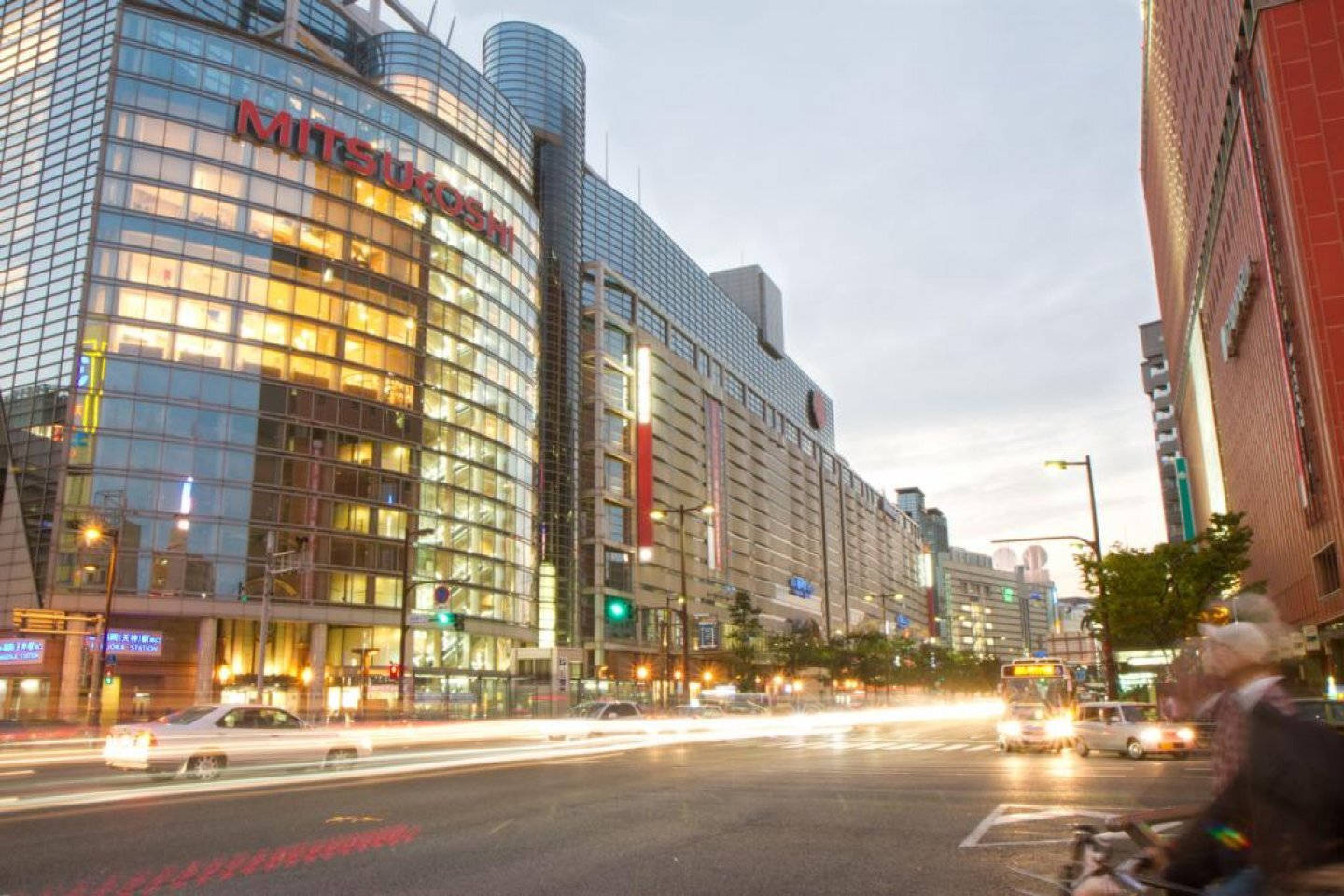
Younger visitors plus working professionals often head straight to Tenjin Core and Solaria Plaza when looking around for shopping or fun. Shops, workspaces, and a place to stay - all packed into one larger area - make Solaria feel alive through the day and night.
Over past the eastern stretch, ACROS Fukuoka appears - known for that rooftop garden climbing into the sky. A concert hall lives within, along with rooms where culture finds room to breathe. Step outside, and sightlines open wide across the cityscape from stepped green levels. The view waits above layers of plants like a quiet reward.
A stretch of grass and trees waits at Kego Park, just steps from busy shops. When crowds gather there, it usually means something's happening. Southward a bit, the edge of the Naka River draws people after sunset. That’s where food stands light up as night comes on.
A short ride on the subway or by bus brings you from Tenjin to Ohori Park - Fukuoka's beloved green escape. Within roughly ten minutes lies a wide pond, trails for jogging, along with the city's art museum.
Not far off the beaten path, Tenjin draws travelers looking for convenience. Locals wander through for shopping trips, meeting up, live music, or just getting things done. A mix of visitor energy and city life pulses here, shaping its dual role without trying too hard.
Livability
Few places pack daily life into such a small radius like Tenjin does. Open your door, then find cafes, shops, stations - all close enough to reach without thinking twice. Right around here, shops selling food sit next to drugstores, medical spots, fitness rooms. Even when nights stretch long, small markets stay lit - dinner waits there after overtime ends.
Getting around here works well. From the subway to the Nishitetsu train, reaching places such as Kurume feels smooth. When trips pile up, having the airport only a short stretch away - say, ten or fifteen minutes - makes life simpler.
Darkness does not own the sidewalks here, thanks to bright streetlights. Most people feel fine walking around after sunset because others are still out and about. Even so, Tenjin can be loud. When silence matters, the big streets may seem overwhelming. Living directly beside heavy traffic often means more noise. Plenty choose calmer homes off the main paths, tucked into Daimyo or Imaizumi instead.
Finding space matters most when kids are around - Momochi, Ropponmatsu fit that need well. Yet city energy pulls solo folks, pairs, working people toward Tenjin instead, where everything links up without slowing down.
In short, if you value time and walkability, Tenjin is definitely a winner.
Real Estate: Rent and Property Information
Fukuoka sees steeper costs in its downtown core, where shop spaces come at a premium. Higher tabs pop up simply due to location, though wallets breathe easier compared to Tokyo’s heart or Osaka’s center.
On average, tenants pay ¥60,000 to ¥90,000 monthly for compact studios or one-room flats near Tenjin - the price shifts based on distance from train stops and whether the structure feels outdated. Moving up, a single living room with dining area and kitchen often lands at roughly ¥90,000, stretching toward ¥140,000 each month. Bigger two-bedroom layouts might climb past ¥150,000, particularly if they sit in modern towers built within recent years.
Buying property means dealing with very different costs. In central Chūō Ward, compact condos often begin at ¥40–60 million - though shiny new ones go higher. Because the district matters so much to business, each square meter carries extra weight. Change keeps shaping how much things cost there.
Offices are seeing more interest because of the Tenjin Big Bang project. With taller buildings going up, homes start appearing close by. One thing leads to another when construction changes a neighborhood. New workspaces spark needs elsewhere. When floors fill with businesses, living spots follow without delay. Growth feeds itself where plans take root. Buildings meant for many uses reshape what surrounds them.
Out of Tokyo’s core districts, Tenjin still stands strong for those building careers or portfolios. Falling outside major hubs, rental yields in places such as Fukuoka often match lower entry costs. Before anything else, take a close look at how old the structure is, its quake resistance, and who runs the place.
If you're thinking of investing, being near subway stations and major shopping spots usually helps with maintaining good occupancy.
Additional Information
Settling into Fukuoka? Tenjin works well for people living abroad. Walk these streets and you notice signs in English - more than most parts of the city see. Restaurants from faraway places pop up regularly, along with shops everyone recognizes worldwide.
Fukuoka City promotes itself as a friendly place for startups and has services for foreign residents provided through the city government, with Chūō Ward offices easily reachable from Tenjin. You’ll find bank branches, international ATMs, and mobile phone providers concentrated here, making your initial setup easier when you first arrive in Japan.
Working from home might suit some, yet others find their rhythm in shared spots. Tenjin offers places where freelancers meet entrepreneurs over coffee. Speedy connections live inside these updated structures. Jump online fast without waiting.
Here’s something to keep in mind: Tenjin packs so much commerce into its streets that finding a parking spot often feels like luck more than planning. Because spaces cost plenty, quite a few who live nearby skip car ownership altogether - trains and buses handle their daily trips just fine.
Fukuoka's bold character shines through Tenjin. This district moves fast but stays small enough to cross on foot. When skies open up, covered pathways link shops below street level. Trains zip you toward the airport before long. Evenings slow down beside flowing water just blocks away.
Away from silence, yet full of pulse, Tenjin hums with what draws workers, founders, those who back ideas. Not peaceful in the usual sense - no, instead it feeds Fukuoka’s steady beat.
If you want to live right in the center of Kyushu’s largest city, Tenjin is worth a serious look.
Source
- Fukuoka City Official Website – City Overview and Urban Development
- Tenjin Big Bang Redevelopment Project – Fukuoka City
- Japan National Tourism Organization (JNTO) – Fukuoka Travel Guide
- ACROS Fukuoka Official Website
- Fukuoka City Subway Official Website
Our team of seasoned professionals at PropertyAccess is dedicated to helping you navigate Japan’s real estate market with confidence.
With deep local knowledge and a commitment to personalized service, our experts are here to guide you every step of the way.
Book a Free Consultation Session with Our Team!