- Area Guides
Tennoji, Osaka: A Transit-Rich District with Parks, Temples, and Urban Everyday Living
Last Updated: October 23, 2026
A definitive guide to Tennoji – Osaka’s historic heart where temples, transit, shopping, and livable neighborhoods meet.
Table of Contents

Supervised By: Hiroki Kazato
Real Estate Expert
Tennoji is where old Osaka meets its modern side. Temples stand near one of the biggest green spaces across the city, while trains and buses connect it widely. Getting around feels simple here, due to layout rather than speed. Culture appears without fanfare, tucked beside daily routines. Affordability remains present, unlike parts further north. Movement through the area follows quiet logic, not design trends. Life unfolds at ground level, shaped by use over time.
Area Overview
South of central Osaka lies Tennoji. Known officially as Tennoji Ward, the name often extends beyond boundaries. Around Tennoji Station and Abenobashi Station, the districts blend together. The broader zone includes sections from Abeno Ward.
A short distance lies to the north, where Namba rests just 3 kilometers away. Further, approximately 5 kilometers northeast, stands Umeda, center of commerce in Osaka. Proximity brings energy without compromising quietness. Distance allows quiet moments amid urban rhythm. Balance appears naturally here, neither too near nor too far.
Located centrally, Tennoji serves as a key transit point. Connected through Tennoji Station, travelers can access JR West routes including the Osaka Loop Line. Direct limited express services run toward Kansai Airport and Wakayama. Access to Osaka Metro lines exists at this location too. A brief walking distance leads to Osaka Abenobashi Station. From there, rail connections extend into Nara and areas south of central Osaka.
Convenience defines travel durations here. Accessible straight from Tennoji Station lies:
- Namba in about 5 minutes on the Midosuji Line
- Umeda in about 15 minutes
- Shin-Osaka Station in around 20 minutes for Shinkansen access
- Kansai International Airport in about 35 to 50 minutes depending on the train
- Nara in roughly 35 to 40 minutes via Kintetsu
Thanks to this connectivity, Tennoji works well for daily commuters, frequent travelers, or anyone who loves having options.
A shift happens when moving beyond the train hub - sudden calm follows crowd noise. Where shops fade, homes begin, one step dissolving into another. Movement defines rhythm here, not contrast. Minutes alter atmosphere completely. Life adjusts without announcement.
Read More
Kita-ku, Osaka: The Dynamic Commercial and Transit Hub
Chuo-ku, Osaka: The Historic and Economic Heart of the City
Atmosphere and Vibe
A quiet energy fills Tennoji. Shaped by centuries, seen in old temples and winding streets, yet shifting under new rhythms. Change appears quietly - through renovated facades, unfamiliar shop names. What stays constant is its grounded character. Not polished, never pretending. Life here moves at its own pace.
Throughout daylight hours, movement fills Tennoji Station alongside Abenobashi as clerks, learners, and visitors pass across plazas beneath city pathways. Towering retail spaces such as Abeno Harukas Kintetsu with Mio see steady streams, particularly when weekday routines unfold.
Farther on, a quieter atmosphere settles into the residential zones. Local bakeries appear alongside small eateries run by families, medical offices stand nearby, while modest shrines rest within blocks of homes. Narrower roads define these parts, where daily routines unfold without rush.
As dusk settles, a different rhythm takes hold. Though stores remain active, they never grow too crowded. Diners begin to gather at eateries favored by residents - casual izakayas sit beside decades-old noodle houses. Evening amusements exist here, yet they play a quieter role. Unlike busier districts such as Namba or Shinsaibashi, Tennoji unwinds with ease after dark.
When darkness falls, lighting stays strong near central train stops, taxis stand by, shops stay open. Peace settles fast on housing roads, a shift welcomed by those who live nearby.
What makes Tennoji different might surprise you. To locals in Osaka, the area carries quiet memories, like an old photograph found by chance. Its lack of brightness does not bother them - instead, it fits. The unpolished nature becomes something valued, almost gently held.
Read More
Fukushima-ku, Osaka: The Creative Culinary Neighborhood by the River
Nishi-ku, Osaka: The Stylish, Design-Forward Urban District
Tourist and Local Destinations
Found within Osaka, Tennoji carries deep cultural layers. Though travelers arrive drawn by curiosity, regulars return for its steady rhythm. Daily life thrives here alongside historic sites. Not just a destination on maps, it lives through routine visits. Its value grows quietly, known best by those who linger. Beyond first impressions lies consistent presence. People show up again - without announcement or reason given. History mixes with ordinary moments under city skies. This area stays active not due to fame, but quiet appeal. Presence matters more than praise in shaping its role.
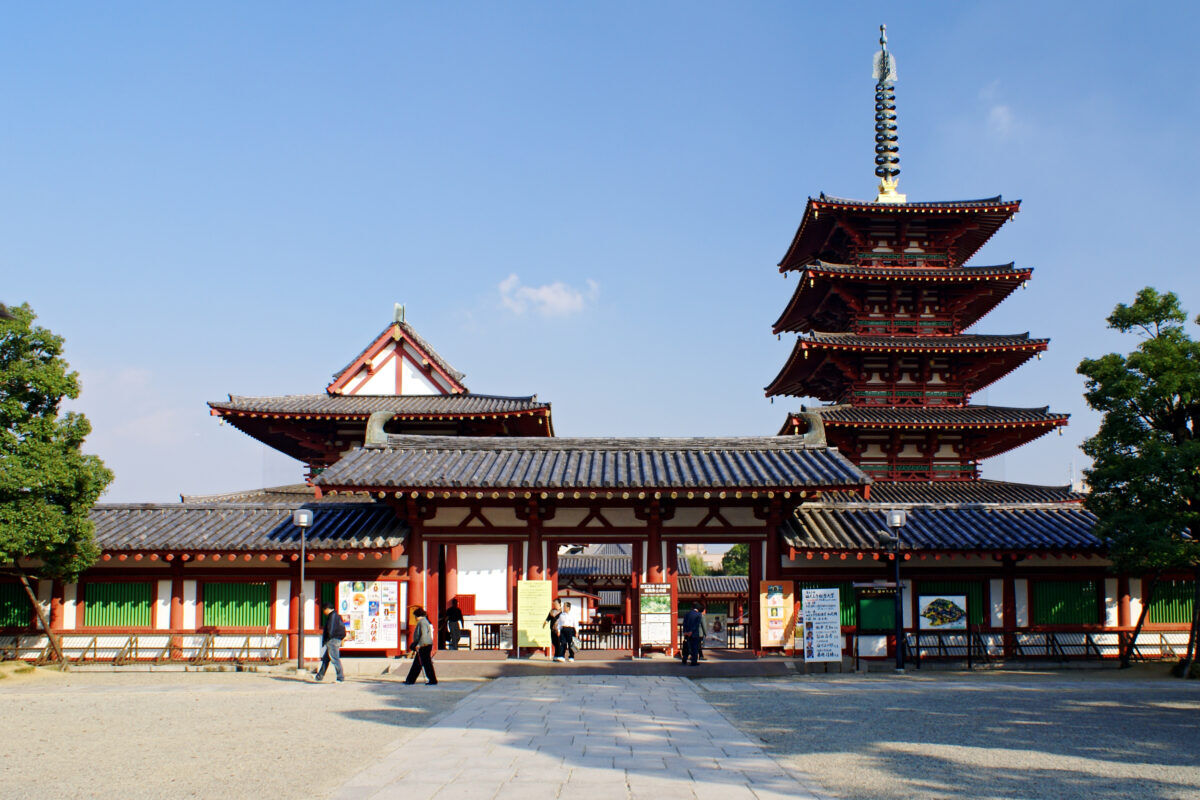
What stands out most is Shitennō-ji Temple. Dating back to 593, this site holds the distinction of being Japan’s first government-sponsored Buddhist complex. A calm arrangement of halls and gates invites slow movement through its grounds. While travelers come to see it, residents also arrive regularly, drawn by quiet habit rather than sightseeing alone.
Not far away lies Tennoji Park - a wide stretch of green tucked within urban surroundings. Paths wind through open grass, where visitors pause beneath trees changed by season. Within its bounds sits Keitakuen Garden, shaped in old Japanese style, with still ponds and small wooden teahouses. Quiet settles here easily, held in water reflections and shaded corners. Spring brings soft blossoms, while autumn turns leaves to warm tones - moments best seen without hurry.
Situated close to the park, the Osaka Municipal Museum of Art emphasizes works from Japan and neighboring regions. Serious appreciation draws visitors here - crowds rarely form because of that focus.
Standing tall at 300 meters, Abeno Harukas claims the title of Japan's highest structure. Within its frame lie workspaces, retail areas, lodging quarters, followed by a viewing platform. On transparent skies, sightlines stretch across Osaka, reach the Seto Inland Sea, then vanish into far peaks. Visitors arrive frequently alongside companions; some travel back solely to witness the panorama again.
West of Tennoji lies Shinsekai, offering a slower pace. While officially distinct, daily routines often include this district. Retro energy fills the streets, along with strong smells from kushikatsu grills. Tsutenkaku Tower rises above the scene, impossible to miss. Tourists appear frequently here, yet the atmosphere stays deeply rooted in Osaka’s character. From early morning until late, activity flows without rush.
Found tucked away are modest spots lending charm - wander lanes of small shops known as shotengai, where groceries and household goods change hands amid conversation with those behind the counter. What gives Tennoji its warmth, not shine, lies in these pathways.
Read More
Naniwa-ku, Osaka: The Lively Neighborhood of Retro Culture and Subcultures
Ikuno Korea Town (Tsuruhashi), Osaka: The Vibrant Multicultural Food and Market District
Livability
Life unfolds smoothly in Tennoji. With reliable transit options, practical city systems, proximity to essential amenities appears effortless. Costs remain reasonable compared to better-known districts nearby. Affordability stands out here.
Everyday tasks move without delay. Shops for food, small purchases, medicine, or health checks appear on nearly every block. Larger medical centers stand nearby as well, such as Osaka City University Hospital.
Good schooling exists here. Public primary and lower secondary institutions operate within reach, while private options appear nearby alongside global curricula centers across town. Higher learning stands accessible through colleges such as Osaka City University, reachable by short travel, adding energy without crowding daily life.
A stretch of green appears now and then. Among urban stretches, Tennoji Park offers pause, while local pockets of trees and grass break the rhythm of concrete - needed where movement never slows. Quiet grows here despite the rush.
Most find the area secure. Though large urban centers carry minor risks, certain zones such as Shinsekai after dark for instance. Despite that, serious incidents occur infrequently. Evening strolls remain common, with many reporting comfort during nighttime travel.
Expect more people near Tennoji Station at peak times and on weekend days. Away from central points, streets tend to stay calmer. A short distance beyond the core zone often brings noticeable quiet. Crowd levels shift noticeably just steps from transit hubs. Movement slows where foot traffic piles up each day. Locations slightly removed offer relief without isolation. Busyness fades gradually when stepping off main routes. Density drops once past the immediate station perimeter. Tranquility increases even within a brief walk outward. Proximity to transport shapes daily noise exposure.
One reason many find Tennoji convenient lies in its balanced mix of urban access and daily comforts. For young workers, train connections make travel efficient; meanwhile, parents value nearby green spaces along with education options. Seniors benefit from medical facilities within walking distance rather than far-off clinics. Style does not define this district - consistency does. While excitement rarely arrives here, dependability remains present.
Read More
Joto Ward, Osaka: Everyday Living with Easy Access to the City
Yodogawa, Osaka: A Well‑Connected Riverside District with Affordable Urban Living
Real Estate: Rent and Property Prices
Tennoji offers good value compared to Osaka’s most popular central districts while still keeping that urban feel.
Near the station, rentals tend to cost more. Older buildings often have lower rates. Larger apartments usually come with higher charges. Typically, distance affects price. Age plays a role too. Size also matters in pricing. Location sets one standard. Construction year introduces another factor. Space available adjusts the amount
- Studio or 1K apartments often start around ¥55,000 to ¥75,000 per month
- LDK units usually go for ¥80,000 to ¥120,000
- Family-sized apartments (2LDK to 3LDK) generally run between ¥130,000 and ¥200,000
Despite proximity to transit hubs, recently constructed units often carry steeper prices, particularly when equipped with updated features. In contrast, vintage housing just a few minutes’ distance tends to provide greater square footage at lower rates.
One finds prices for condos within reach, considering the area's core position. These units generally fall into the following price brackets:
- Around ¥700,000 to ¥1,200,000 per square meter for regular units
- Higher for new builds or spots near the main stations
Tennoji remains accessible to newcomers and those investing, unlike Umeda or fashion-driven areas such as Kitahama. Stability - not market guessing - shapes its lasting worth.
It should be noted, however, that availability remains limited. Although recent redevelopment near Tennozi Station has expanded residential choices, spacious accommodations for families remain scarce. When suitable properties appear on the market, prompt decisions are often required.
Looking at investment potential, Tennoji maintains consistent rental interest. Among those seeking homes are students, employees, yet also visitors heading to or from airports. Gains might fall short of spectacular; still, empty units appear infrequently. Though profits stay moderate, stability in occupancy stands out.
Read More
Tennoji, Osaka: A Transit-Rich District with Parks, Temples, and Urban Everyday Living
Hirakata, Osaka: A Balanced Commuter City Between Osaka and Kyoto
Other Information
For foreigners, Tennoji is a welcoming spot to dive into Osaka life.
One finds more English assistance here than in certain neighboring districts. At key train hubs, signage appears in several tongues; larger stores also serve global visitors. Though fluency varies among locals, routine tasks remain manageable using simple Japanese.
Frequent short stays define housing options in this area, ideal for those arriving anew. Close to central transit hubs, furnished units with flexible terms offer immediate occupancy while permanent choices take shape. Arrivals often begin here, settling temporarily amid broader searches.
Choice of food adds value here. International cuisine appears next to halal offerings, while vegetarian selections sit beside classic Japanese fare. Though less global than parts of Tokyo, the range remains broad. Flexibility defines the scene more than prestige.
In the end, Tennoji manages equilibrium. Without demanding endless discovery or financial outlay, it allows room to put down roots. Accessibility to wider Osaka remains effortless. This ease explains why residents often stay far beyond their original intentions.
Sources
- Osaka City Official Website – Tennoji Ward
- JR West – Station and Line Information
- Osaka Metro Official Website
- Shitennō-ji Official Website
- Abeno Harukas Official Website
- Japan Guide – Tennoji Area Overview
Our team of seasoned professionals at PropertyAccess is dedicated to helping you navigate Japan’s real estate market with confidence.
With deep local knowledge and a commitment to personalized service, our experts are here to guide you every step of the way.
Book a Free Consultation Session with Our Team!