- Area Guides
What Makes Nishi-ku, Osaka One of the Best Areas for Stylish Urban Living and Culture
Last Updated: October 23, 2026
A definitive guide to Nishi-ku, Osaka – a design-forward central district known for riverside living, creative culture, and excellent city access.
Table of Contents
Supervised By: Hiroki Kazato
Real Estate Expert
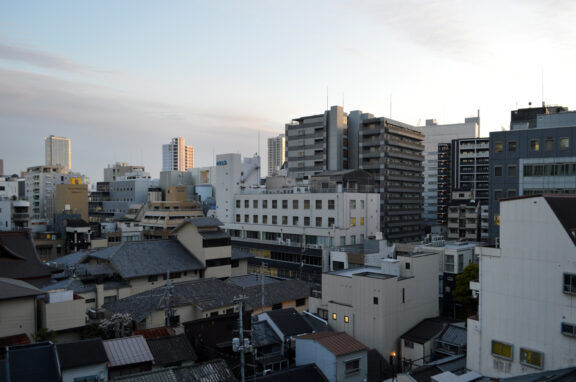
Nishi-ku doesn’t shout but draws you in gently. It's a pocket of calm sits right in Osaka's core. Between busy commercial hubs, it breathes differently: slower, more thoughtful. Trains run close by, yet mornings here feel unhurried. Trendy coffee spots sit beside quiet lanes where laundry hangs above narrow sidewalks. The river edges offer strolls without crowds. Life moves at its own pace on these blocks, steady rather than frantic. While Umeda pulses and Namba buzzes, this ward holds space for something softer. Balance isn’t promised everywhere - but here, it shows up in small moments.
Area Overview
Down south of Kita-ku, tucked beside Chuo-ku, lies Nishi-ku - one piece of central-west Osaka. From Umeda’s busy hubs it stretches toward river edges along Tosabori and Dotonbori. Sitting right there, it ties downtown energy to quieter neighborhoods where homes mix with studios. This stretch makes movement natural between city pulse and calm back lanes.
Getting around here works easily thanks to several rail options threading through the neighborhood. Key stops include Honmachi, Yotsubashi, Nishi-Nagahori, Awaza, and Kujo. Services like the Yotsubashi Line, Chuo Line, Sennichimae Line, and Nagahori Tsurumi-ryokuchi Line operate under Osaka Metro. Travelers reach JR routes via adjacent hubs such as Namba and Bentencho. Connections feel smooth when shifting between these points.
Getting around Osaka from Nishi-ku feels smooth because of well-planned transit updates. A trip to Umeda takes just ten minutes by subway, give or take. Heading into Namba? That runs between five and ten minutes, based on where you begin. Reaching Shin-Osaka Station means one switch along the way, roughly fifteen minutes - simple enough. The bullet train hub sits close, thanks to a single connection that doesn’t complicate things.
This means that both commuting and traveling between cities are very easy.
What sets Nishi-ku apart? It sits right in the heart but somehow stays calm. You find what you need just steps away, though it never feels packed like those busy districts buzzing every day. Most streets stretch broader here, movement flows smoother, reaching any spot takes less effort than usual. Fewer people crowd the sidewalks, cars move without constant stops, distances feel shorter even if they are not.
Folks didn’t just wake up to a new ward overnight - planners had quietly mapped much of it years before. Where factories once sat idle, you now find sleek workspaces, studios humming with designers and artists. One step at a time, the area stitched itself anew, keeping threads of what stood there while making room for what came next
Read More
Ikuno Korea Town (Tsuruhashi), Osaka: The Vibrant Multicultural Food and Market District
Toyonaka, Osaka: The Comfortable Suburban Residential City with Urban Access
Atmosphere and Vibe
Nishi-ku hums with a cool quietness - clean lines, low noise, nowhere trying too hard. Visit once, maybe twice, then suddenly you notice how it sticks to your skin like static. Designers linger near cafés sipping black coffee. Young workers bike past narrow shops after late meetings. Artists sketch on benches under crooked trees. People who stay for years choose these streets because soft lighting matters more than loud names. Comfort wins every time.
Daylight brings quiet motion through the neighborhood. Though workers fill buildings near Honmachi, doing their daily tasks, people who live here move between stores, handling chores or settling into café seats with notebooks open. Wide sidewalks let everyone pass without rush. The pace stays light, almost unnoticed. Hours slip forward while attention drifts to small things - like sunlight shifting across pavement.
When dusk arrives, things grow quieter. Around Yotsubashi and Shinmachi, eateries begin bustling - crowds pour into bars, though the mood stays relaxed. Meals stretch out, tasting sweeter over time. Drinks move at a gentle pace. Talk slips deeper as hours blur past midnight.
Few people pass by once the sun goes down, yet life moves just as quietly as it does under daylight. Streetlamps stay bright through midnight hours while sidewalks hold no sense of danger. Compared to places such as Namba - where music blares past ten - the mood here feels hushed, almost private.
Read More
Takatsuki, Osaka: The Balanced Residential City Between Osaka and Kyoto
Minoo, Osaka: The Scenic, Nature-Rich Residential Retreat
Tourist and Local Destinations
Most folks here live nearby, so Nishi-ku focuses less on drawing visitors. Fun comes naturally, built into daily life instead of planned for outsiders. Art shows up in odd corners, popping out where you least expect it. Each day brings something different, scattered across streets and alleys without warning.
Down by the water, the ward feels alive in a quiet way. Following the curve of the Tosabori River, pathways stretch under changing skies, offering space to move or rest. Trees shift colors with the months, reflecting off gentle ripples that seem to pause and watch people pass. Some folks stride fast with headphones, others trail behind pets on leashes, while benches hold still figures unwinding late afternoon stress. This stretch of water does not shout; it breathes slowly amid concrete noise, pulling chaos into soft rhythm.
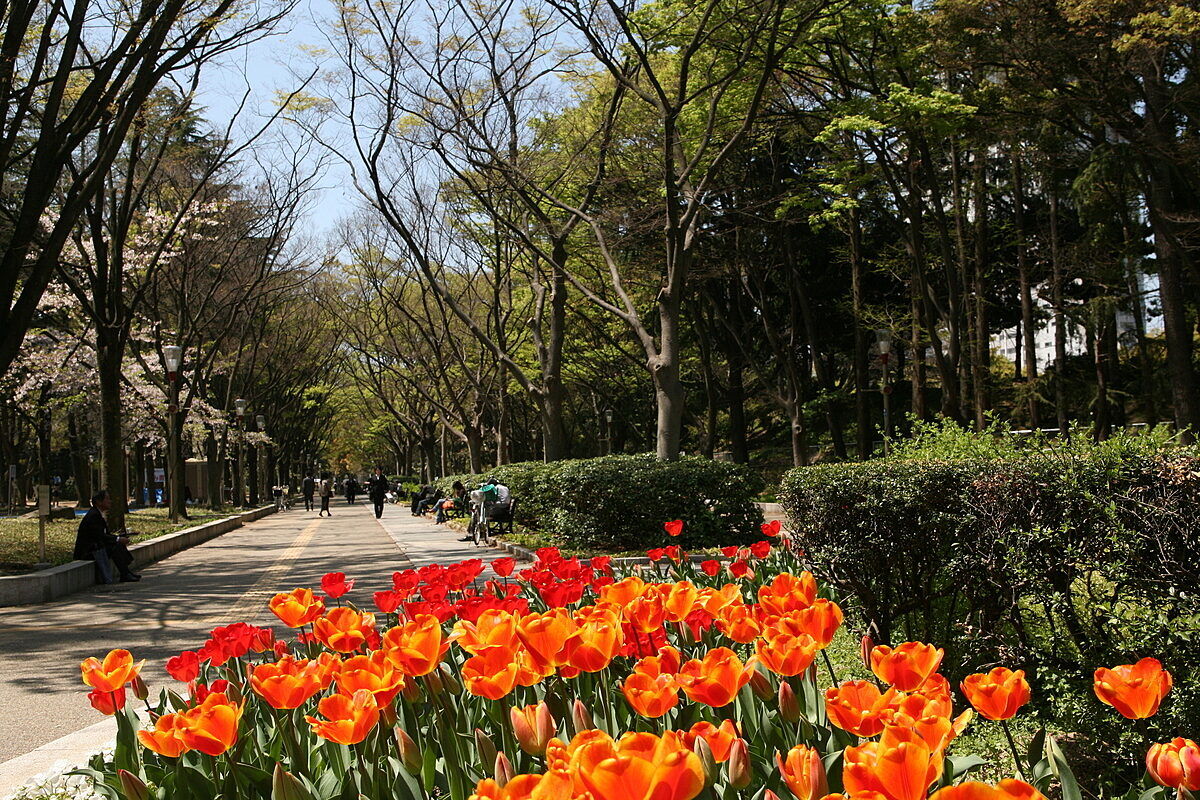
Down by Nishi-ku, Utsubo Park draws crowds without trying too hard. Once an airfield, now a leafy stretch where sunlight hits open grass just right. Paths wind under trees, offering cover on bright days. A rose garden adds color near quiet corners. Weekends fill up fast - families lay out mats, kids run free. People come from all over Osaka, not because they must, but because it feels good to be there. Not grand, not flashy, yet somehow everyone finds their spot.
Over in Nishi-ku, the creative heart beats strongest around Shinmachi and Kitahorie. Scattered through these streets sit design ateliers alongside named boutiques, small art rooms showing fresh work, also coffee spots done with care. It was here that Osaka’s modern look first took shape. Today, younger makers walk those same paths, quietly reshaping what comes next.
Even here, Nishi-ku works fine since options go beyond surface level. Top-tier spots serve Italian food, French dishes, or new takes on Japanese cooking - besides that, laid-back cafes and small bakeries fit too. Often, these choices favor taste and mood over loud popularity, meaning fewer people tend to show up.
Not many big tourist spots nearby, yet being close helps. A short walk takes you to Namba, Shinsaibashi, or Dotonbori. Feel the buzz there while staying just outside the rush.
This balance makes Nishi-ku one of the desirable places, for people who appreciate cultural perks and food as part of their lifestyle, not only on weekends for entertainment.
Some Key Destinations
Utsubo Park — A long, beloved urban oasis featuring one of Osaka’s best rose gardens, tree-lined walkways, fountains, and tennis courts — perfect for picnics and slow strolling.
Orange Street (Tachibana-dori) — Hip fashion, lifestyle shops, and Instagram-worthy cafés that make this one of Osaka’s trendiest urban boulevards.
Read More
Senri, Osaka: The Planned, Green New Town Community
Joto Ward, Osaka: Everyday Living with Easy Access to the City
Livability
People who live in Nishi-ku tend to rate their neighborhood highly - especially grown-ups and partners sharing life. Getting around feels smooth, almost without effort, day after day. You will often see people moving on foot or by bike, choosing simplicity. When longer distances pop up, buses and trains step in quietly.
Scattered across the ward, you find supermarkets, pharmacies, clinics, along with smaller shops. Relying heavily on large shopping centers makes little sense since daily needs sit close by. This setup brings about a local rhythm, one that feels familiar despite being downtown.
Great access to healthcare here. Nearby, the ward hosts numerous clinics plus hospitals, along with larger outpatient facilities just a short trip away. Speaking English? Not every place helps well just now, though groups offering such support pop up more often compared to outer districts.
Folks with kids show up often, particularly around green spots such as Utsubo Park. Schooling exists through public institutions, yet younger folks outnumber older ones since workers and childless pairs tend to pick this district. Different neighborhoods offer wider layouts for those needing roomier homes for their households.
Peace of mind stands out here, rooted deep in the neighborhood’s backbone. Smooth streets wind through, crimes happen rarely, lives move without fear after dark. What people hold close is the quiet relief of leaving danger behind. That freedom shapes their daily joy.
One last thing lingers - how much value you place on freedom versus routine. Stylish, yes, but also sharp in its thinking, Nishi-ku moves at its own pace. Constancy may seem like slowness if you crave permanence. Yet for those drawn to bounce, security, and pulse together, here fits better than most places do.
Read More
Yodogawa, Osaka: A Well‑Connected Riverside District with Affordable Urban Living
Tennoji, Osaka: A Transit-Rich District with Parks, Temples, and Urban Everyday Living
Real Estate: Rent and Property Information
Fancy homes sit quietly across Nishi-ku, tucked into Osaka’s pricier neighborhoods. Because life here costs more, flats often start high - pushed up by demand and fresh updates to old buildings. Not quite as steep as Kita-ku, yet comfort shows through in tree-lined streets and quiet blocks. Renting means stepping into spaces that breathe like home, shaped by calm instead of rush.
Over in Nishi-ku, you’ll find rentals at every level. Some sit tall in newer mid-rise or high-rise blocks, others rest low in older walk-up units. Fresh builds often come with secure entry, package storage, and upkeep handled through building services.
Apartments with just one room typically run between 80,000 and 120,000 yen per month. Prices climb when the building sits in a popular area or happens to be brand new. Units that have two bedrooms often fall somewhere from 140,000 up to 220,000 yen monthly. What you pay really hinges on how big the place is and how far it lies from train stops.
Prices for homes keep going up, just like stock values. A new apartment might be priced at ¥700,000 per square meter, sometimes even past ¥1 million. If it is close to Utsubo Park or has a view of the water, expect higher numbers. Cost climbs when location gets better.
What stands out most about these prices? Demand keeps holding strong. Nishi-ku draws people looking to settle down - it offers stability, a quiet rhythm, life at ease. Not far behind are investors, drawn by how well its location pairs with everyday comfort. The pull remains steady, not loud, just consistent.
What matters here is safety and stability, not who appears in ads. Most people renting or buying feel it's a reasonable exchange.
Read More
Hirakata, Osaka: A Balanced Commuter City Between Osaka and Kyoto
Kadoma City, Osaka: A Well-Connected Urban Suburb with Everyday Convenience
Other Information
A foreigner might find Nishi-ku opens doors to how people live in Osaka without any confusion. Unlike Umeda, it does not host large global crowds, yet feels open, simple to move through. People here come from varied paths, often sharing ideas where artists and workers meet regularly by choice.
English signs appear at big train stops, while maps make travel straightforward. Some local property offices work with foreigners, though choices stay limited compared to Kita-ku. Fewer services exist here, which becomes obvious after a short look.
Most leases follow common rules found across Japan, like asking for a returnable security sum plus initial payments. Newer apartments might loosen things up now and then - long stays can change what’s expected.
Biking works well here because the roads stay level and trails follow the river. Getting around by bicycle feels natural, almost effortless. Peace settles into daily life when wheels roll quietly past water edges. Simple trips become smoother without needing a car.
Out here, days unfold without forced patterns. You might notice the same people showing up at coffee spots or playgrounds after a while. There’s rhythm to the neighborhood - different each time, yet never jarring.
Few shout about Nishi-ku - yet people stay. Comfort finds you there, ease of movement too, along with quiet appeal that builds trust over time. This steady presence makes it stand quietly among Osaka’s top choices for home life.
Sources
- Osaka City Official Website
- Osaka Metro Official Website
- JR West Railway Company
- Utsubo Park Information (Osaka City)
- Real Estate Economic Institute – Kansai Market Reports
Our team of seasoned professionals at PropertyAccess is dedicated to helping you navigate Japan’s real estate market with confidence.
With deep local knowledge and a commitment to personalized service, our experts are here to guide you every step of the way.
Book a Free Consultation Session with Our Team!