Kita-ku, Osaka: The Dynamic Commercial and Transit Hub
Last Updated: September 11, 2026
A definitive guide to Kita-ku, Osaka – the city’s central business and lifestyle hub, known for Umeda, transport access, shopping, and premium urban living.
Table of Contents
Supervised By: Hiroki Kazato
Real Estate Expert
Kita-ru lies near the heart of Osaka, marked by energy and strong links across the city. Modern towers stand beside shopping areas, creative spaces, also quiet neighborhoods with scenic homes. For those aiming to be central to activity while accessing up-to-date services, this ward offers unmatched positioning. Its role goes beyond locality - it serves as a full-scale urban hub within western Japan.
Area Overview
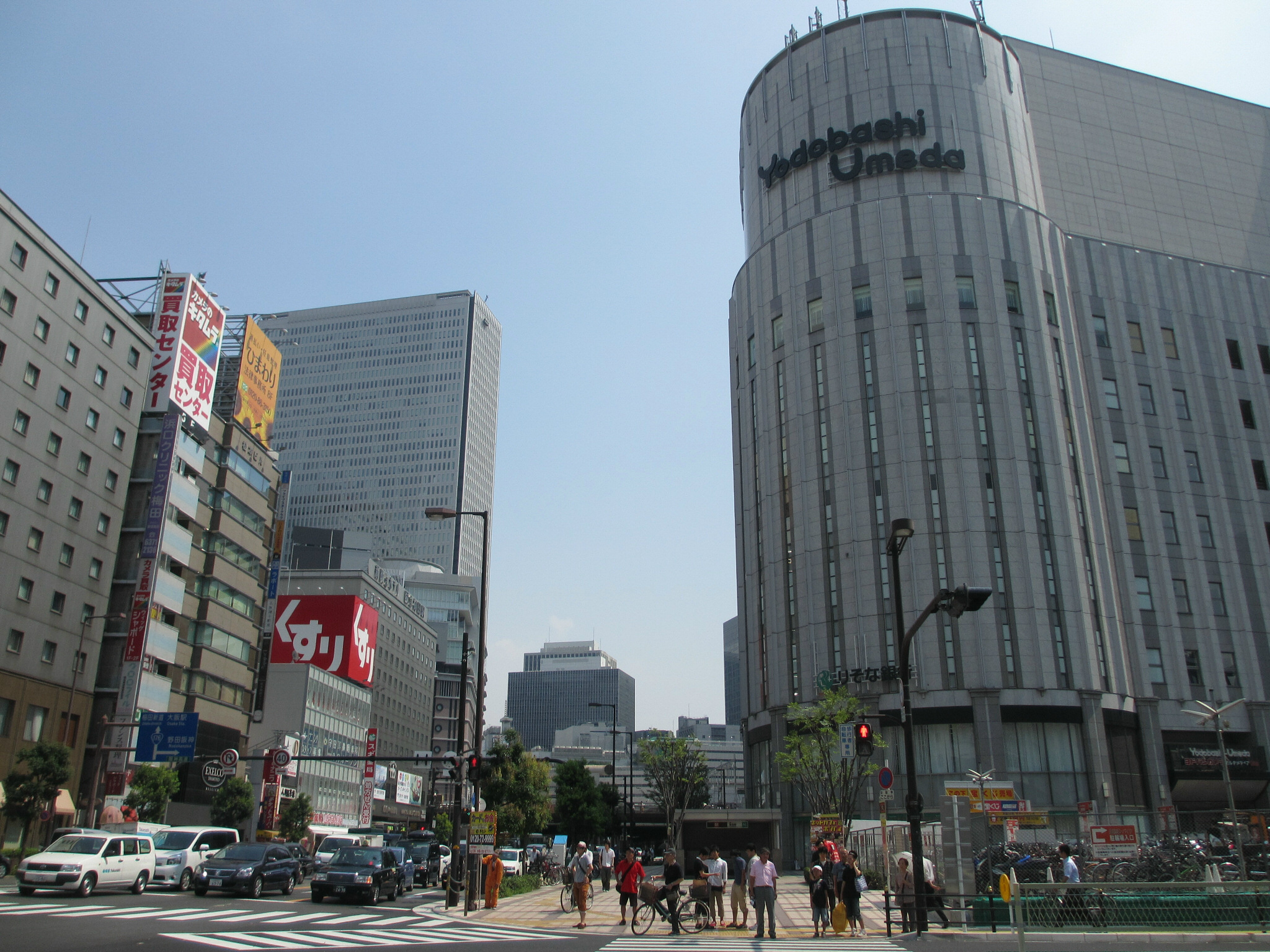
Within Kita-ku, Umeda stands central for both transit and retail activity. This zone is one of Japan's most active transportation hub. Major access points include Osaka Station, operated by JR. Hankyu, Hanshin, and Osaka Metro services converge at Umeda Station. Adjacent stops such as Kitashinchi, Higashi-Umeda, and Nishi-Umeda contribute to the reach. Travel between these nodes allows firsthand observation. Connectivity across this web opens routes throughout Osaka. Broad links extend into the larger Kansai area.
Connected to multiple rail routes, JR Osaka Station serves as the primary transit point in the region. The station gives access to the Kyoto Line, along with the Kobe and Takarazuka Lines. It also includes stops on the Osaka Loop Line plus select limited express trains. Travelers may turn to Hankyu or Hansin networks when heading toward Kyoto, Kobe, or Takarazuka - offering quicker alternatives. As for inner-city movement, the subway accommodates daily commutes via several underground tracks. Among them are Midosuji, Tanimachi, and Yotsubashi lines - all part of Osaka Metro operations.
A key feature lies in the remarkably brief commute out of Kita-ku. Reaching Namba - Osaka’s central zone for shopping and leisure - takes merely eight to ten minutes via the Midosuji Line. Shinsaibashi appears close by comparison. Access to Shin-Osaka, where the Shinkansen links begin, requires around five minutes for onward trips within Japan. Connection to Kyoto Station spans approximately thirty minutes. Traveling toward Kobe’s Sannomiya takes roughly twenty-five minutes.
Because it sits near the middle of Kita-ku, access to central Osaka comes easily - yet trips across Kansai remain practical. Residing here works just as well for daily commuters, frequent travelers, or those drawn to casual discovery within short reach.
Read More
Chuo-ku, Osaka: The Historic and Economic Heart of the City
Fukushima-ku, Osaka: The Creative Culinary Neighborhood by the River
Atmosphere and Vibe
What stands out in Kita-ku is a sense of up-to-date rhythm paired with steady motion. During workdays, tunnel echoes mix with footsteps on pavements - office staff move alongside buyers, transit users weaving through Umeda’s lanes. Pace feels sharp, yet never chaotic. Clean lines mark the space, where structure quietly shapes daily flow.
A city within a city, Kita-ku runs on constant motion. Sheltering offices, financial institutions, alongside global retail names, its high-rises define the skyline. Meetings unfold inside cafés - quiet corners also offer retreats for one. From dawn onward, shopping centers draw crowds without pause. Despite cold heights and vastness underfoot, warmth emerges through parks, greenery, apart from thoughtful planning of shared zones.
When daylight fades, the character shifts. After work, people move through eateries, pubs, punctuated by quiet drinks. Dining unfolds across levels - simple spots sit beside refined spaces. Amidst movement, sound stays measured, never sharp. Order blends into evening without force.
Where crowds gather, energy rises. Elsewhere, calm settles into side streets and homes. In Kita-ku, nighttime shifts rather than stops - Umeda hums while Kitashinchi stirs anew. Places such as Nakatsu fade early, emptying under dim lights. The rhythm differs block by block. One moment brings motion, the next stillness takes hold. Experience varies not by rule but by path chosen.
Weekends bring a quieter rhythm to Kita-ku. Amid tree-lined paths, families stroll through parks while children play near fountains. Shops hum with soft chatter rather than rush-hour urgency. Inside cultural halls, small crowds linger over exhibits without hurry. Cafés offer warm light and slow conversations. What stands out is how easily workday structure gives way to personal time here. Life unfolds at its own pace, shaped by choice, not schedule.
Read More
Nishi-ku, Osaka: The Stylish, Design-Forward Urban District
Naniwa-ku, Osaka: The Lively Neighborhood of Retro Culture and Subcultures
Tourist and Local Destinations
Kita-ku is a great place for tourists due to the numerous destinations found there. It does not have historical temples like Kyoto, but it has a variety of modern attractions and everyday happiness.
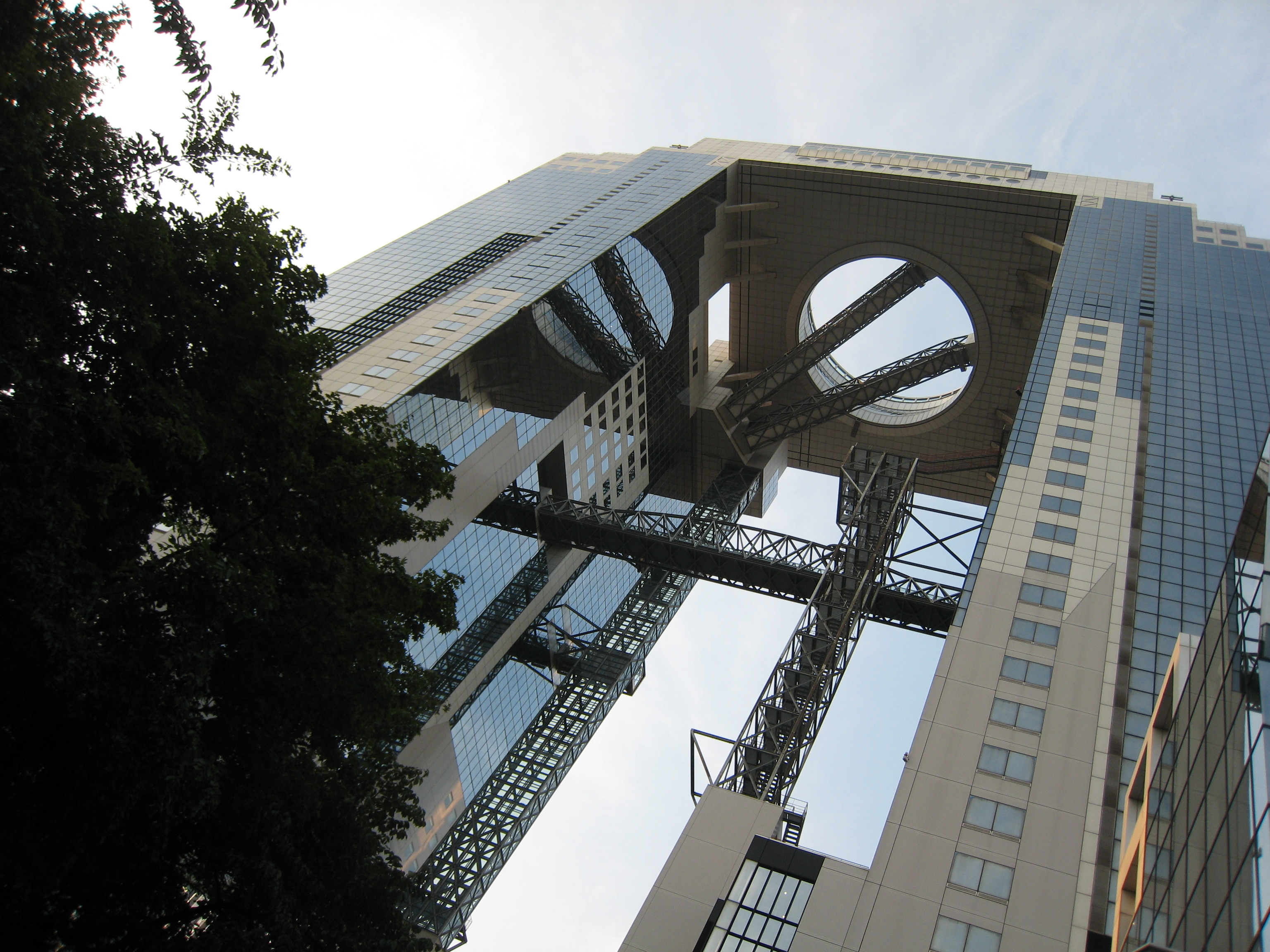
Umeda Sky Building is one of the most iconic landforms in the ward. Its Floating Garden Observatory offers top views of Osaka, mainly at the sunset when the sight is beautiful. People usually take their guests, but it is also a great place to hang out for a peaceful evening.
Another attraction is Grand Front Osaka. This enormous multifunctional complex has shopping and dining, offices, and hotels, and also has public viewing spaces. It is an event venue that hosts seasonal markets and exhibitions making it a lively area that is not just commercial. Most of the people in the neighborhood treat it like their living room.
In the shopping sectors, Kita-ku is unbeatable. The hyper "Hankyu Department Store," "Hanshin," "Daimaru Umeda," and "LUCUA" form the dense retail cluster found around Osaka Station. You can shop for daily essentials as well as luxury products and it is all available at the same time in this area.
The shopping streets of Tenjinbashi-suji Shopping Street, located on the east side of Kita-ku, which is also another experience is. The shopping area is known as one of the longest arcade mall in Japan which sprawls several kilometers with small shops, eateries, and local businesses. The area is traditional and has a feeling of being lived in, which is a counterbalance for Umeda's modernity.
Among the cultural venues are Osaka Museum of Housing and Living, which gives insight into the city’s past, and various theaters and concert halls scattered around the ward. Though not abundant, they still provide cultural embellishment in our everyday life.
Talking of green areas, Nakanoshima Park comes to mind, a park along the river which is the source for Kita-ku's green space. There are lawns, walking paths, and cafes overlooking the water. The park is a favorite lunch spot during the week but it also provides a relaxing getaway on the weekends.
Some Key Destinations:
Umeda Sky Building – Futuristic skyscraper with an iconic rooftop observatory offering panoramic views of Osaka.
Tenjinbashisuji Shopping Street – One of Japan’s longest covered shopping street packed with local shops, eateries, and street food culture.
Nakanoshima Museum of Art, Osaka – Modern art museum with significant collections including works by Saeki Yūzō and major international artists.
Read More
Ikuno Korea Town (Tsuruhashi), Osaka: The Vibrant Multicultural Food and Market District
Toyonaka, Osaka: The Comfortable Suburban Residential City with Urban Access
Livability
Convenience takes precedence when living in Kita-ku. Smooth daily routines define existence here. Just beyond your entrance lie supermarkets, pharmacies, clinics, gyms, along with dining spots - available at any moment. Connected by subterranean walkways, most parts of the district benefit under sweltering heat or steady rainfall across Osaka. These passageways prove valuable when weather turns demanding.
A broad range of medical services exists within reach. Major treatment centers, alongside smaller health posts, lie close by - offering a higher chance to meet physicians fluent in English when compared to outer residential zones. For households and international individuals staying in this area, such access brings measurable reassurance.
A blend of residents defines the area, varying widely in background. Due to work environments and daily routines, younger workers settle here often. Educational options also exist. Outside Kita-ku sit most global schools, even so travel remains reasonable due to reliable transit access.
Still, security stands out here just as much. Although Osaka ranks among safer cities overall, Kita-ku gains extra reliability through steady illumination on roads, regular patrols, and alert locals around the clock. The atmosphere stays calm after dark, particularly near busy thoroughfares. Nighttime poses little concern when staying close to central routes.
What stands out most is how the city moves - its pulse never slows, creating a sense of fullness that can feel heavy. Always active, streets hum without pause. For anyone drawn to quiet and room to breathe, adjustment may take time. Yet for those who thrive amid motion, the energy reads as vibrancy rather than weight.
Read More
Takatsuki, Osaka: The Balanced Residential City Between Osaka and Kyoto
Minoo, Osaka: The Scenic, Nature-Rich Residential Retreat
Real Estate: Rent and Property Information
A look at property values in Kita-ku reveals much about Osaka’s position within Japan’s urban landscape. Although costs rank near the top locally, they remain slightly below those seen in Tokyo’s core districts. One might expect higher figures given the region’s importance, still affordability lingers just within reach. Location shapes demand here, though not without exceptions across neighborhoods.
From compact studios near transit hubs to spacious layouts in modern towers, rental options vary widely. Although some date back years, a number of structures have recently risen, featuring services like access control, package storage, or lounges meant for residents.
Typically, studios and single-bedroom units begin near ¥90,000, rising to ¥130,000 monthly. When newer or well-placed, costs climb beyond ¥150,000. Priced between ¥160,000 and ¥250,000, two-bedroom flats depend largely on size, how old the structure is, plus proximity to Umeda.
With each passing year, prices climb higher in Kita-ku as more buyers enter the market. Over ¥900,000 up to ¥1.3 million marks the usual cost per square meter for new builds. Areas such as Umeda or Nakanoshima often see figures on the upper end. Older structures may come with lower tags. Yet being close to key spots adds expense.
Read More
Senri, Osaka: The Planned, Green New Town Community
Joto Ward, Osaka: Everyday Living with Easy Access to the City
Other Information
Settling into Kita-ku tends to go smoothly for those arriving from abroad. At transit points and retail areas, signage in English appears regularly. Property firms here often support international clients due to prior engagement with non-Japanese residents.
Structured rental practices follow Japan's standard framework. Contracts typically span two years, involving initial payments alongside mandatory deposits. Agency commissions form part of the necessary expenses. Certain modern properties, designed primarily for business tenants, allow adjustments in terms. Flexibility exists within select housing options meant for professional occupants.
Life each day may not demand full command of Japanese, yet simple phrases still make moments smoother. Some eateries offer visuals to guide choices instead of words. Other places rely on staff who speak English well. Those serving food there often work with visitors from abroad.
Getting around becomes simple when transport cards are accessible, bicycle rental options exist, also pathways suit walking well. Although spacious, the district allows steady progress through its layout - Kita-ku reveals clarity after time spent within its span.
A space meant for silence might not be what appears. Still, an exchange happens - time opens up, pathways form, choices emerge. What some overlook becomes clear: small shifts bring large returns.
Sources
- Osaka City Official Website
- JR West – Osaka Station and Line Information
- Osaka Metro Official Website
- Umeda Sky Building Official Site
- Grand Front Osaka Official Website
- Real Estate Economic Institute – Kansai Housing Market Reports
Our team of seasoned professionals at PropertyAccess is dedicated to helping you navigate Japan’s real estate market with confidence.
With deep local knowledge and a commitment to personalized service, our experts are here to guide you every step of the way.
Book a Free Consultation Session with Our Team!