- Area Guides
Naniwa-ku, Osaka: The Lively Neighborhood of Retro Culture and Subcultures
Last Updated: October 23, 2026
A definitive guide to Naniwa-ku, Osaka – a dynamic inner-city ward known for Namba access, riverside living, and evolving urban neighborhoods.
Table of Contents
Supervised By: Hiroki Kazato
Real Estate Expert
Naniwa-ku sits right where city energy meets everyday calm, tucked into Osaka’s flow. Not far from buzzing spots, yet steps away from stillness - this place ties them without effort. Life moves smooth here, thanks to solid transit links that don’t shout about it. Skip the shiny districts; try somewhere lived-in instead. What you see is what people actually do.
Area Overview
Down south in central Osaka lies Naniwa-ku, beside Chuo-ku and sharing borders with Tennōji-ku. Away from the rush of Namba's crowds, quiet stretches line the banks of the Yamato River. This stretch acts as a slow step out of downtown energy into calmer neighborhoods where daily life settles. So while it connects major parts of the city, its rhythm leans quieter, shaped by proximity to both motion and stillness.
Off the map but never out of reach, this area links up easily. Reaching spots like Namba, JR Nanka, Daikokucho, Ashiharabashi, Sakuragawa, or Imamiya takes little effort. Trains here cover ground - JR Yamatoji Line rolls through, while the Osaka Loop Line stays close by. Underfoot, the Midosuji, Yotsubashi, and Sennichimae subway lines keep things moving. Then there's Nankai Railway threading it all together. From those rails, a straight path opens to Kansai International Airport without fuss.
Getting to spots from Naniwa-ku can feel quicker than expected because Osaka’s travel estimates aren’t always accurate. Depending on your starting point, Namba might be a short stroll or simply one train ride off. Reaching Umeda along the Midosuji Line usually needs ten to fifteen minutes. To hit Shin-Osaka Station, expect roughly twenty minutes plus a switch somewhere mid-route. Tennōji pops up in most cases within less than ten.
Out here, getting around fits right into daily routines - think work trips, errands, or moving across town. Distance hardly ever feels like a problem. Much of Naniwa-ku sits near the core, still pockets remain that surprise newcomers with quiet local charm.
Once upon a time, Naniwa-ku hummed with factories and housed laborers. Over years, rebuilding surged - pushed by people wanting homes close to Namba. These days, you’ll spot narrow lanes from long ago sitting beside glassy high-rises. Shops stretch along roads that seem thrown together, mismatched yet somehow fitting. Nothing matches much. Still, everything belongs.
Read More
Kita-ku, Osaka: The Dynamic Commercial and Transit Hub
Chuo-ku, Osaka: The Historic and Economic Heart of the City
Atmosphere and Vibe
A district where energy feels real, Naniwa-ku runs on usefulness, not polish. Fashion trends skip it - good thing too, since character matters more here. Rough edges stay because they belong. Instead of performing for visitors, it lives like Osaka once did.
When daylight hits, some spots bustle. Others stay quiet. Around Namba, bodies pack the sidewalks. Shoppers weave through office workers. Tourists pause near transit centers. Movement hums along main streets. Stations swell. Corridors pulse. Crowds gather without warning. Energy builds where paths cross.
Few steps toward the south or west shift everything. Around Daikokucho, Ashiharabashi, Imamiya - life slows down. Folks here make quick stops at stores, pedal bikes along narrow lanes, stand talking outside neighborhood stalls. Though worn in places, these blocks hum with routine presence. Familiar faces pass by often enough to notice.
When night falls, Naniwa-ku splits into different moods. Bright lights glow inside arcades, concert spots, and lively districts where people stay out late. Meanwhile, homes tucked away in quieter blocks settle into stillness once the day ends. Because of this, daily life separates more easily - work fades, fun rises, then peace returns.
When night falls, what matters isn’t how things look but how much care went into them. Light here works first, impresses second. Some find it strange at first - others feel steady right away. Realness wins over mood every time. Not everyone expects it - but once seen, it sticks.
Folks usually head out on Saturdays toward Namba, sometimes cutting through Den Den Town before vanishing into Kansai Airport's rush. Traffic thins here, sure, but people in Naniwa-ku know when the streets go quiet. Life drifts at its own pace - steady because of change, not despite it.
Read More
Fukushima-ku, Osaka: The Creative Culinary Neighborhood by the River
Nishi-ku, Osaka: The Stylish, Design-Forward Urban District
Tourist and Local Destinations
Few travelers stop to look, yet Naniwa-ku's everyday corners shape how locals live across Osaka. While visitors hurry from landmark to train platform, unnoticed spots hum quietly beneath their feet - cafes open early, laundry hangs in back alleys, shops stock neighborhood shelves.
Namba sits close by, a lively hub linked straight to Naniwa-ku. Minutes bring you to top sights, no long trips needed. Instead of rushing through commutes, days unfold near Namba Parks, where errands mix with strolls. Dotombori hums within reach, Shinsaibashi waits nearby - life settles into rhythm here, grounded yet open.
Namba Parks can’t be skipped when talking about the area. A huge complex where stores sit alongside restaurants, sky-high gardens, and workspaces - all stacked together. More than shoppers pass through here - locals often wander up just to unwind or bump into pals. Though built for business, its terraced top draws folks looking for quiet or shared moments.
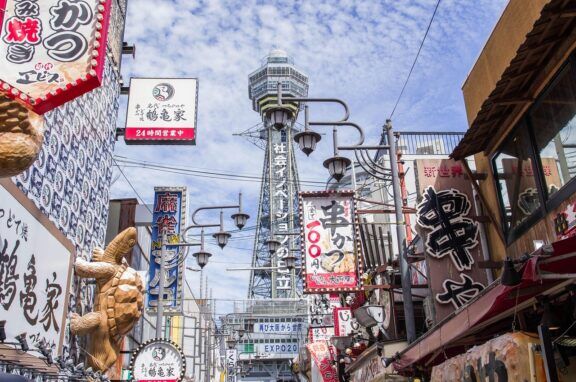
A visit to Naniwa-ku feels incomplete if Shinsekai isn’t on the list. South of Namba lies this retro district, thick with echoes of the past. Built during the early 1900s, it wears its age like a well-kept secret. Flashy signs light up the streets, while eateries cling to styles long gone elsewhere. Time moves slower here, somehow. Right there in the middle of Shinsekai rises the Tsutenkaku Tower, a well-known landmark in Osaka. Built back in 1956, today's version reaches about 103 meters high - topping every other structure nearby. Locals view it not just as steel and glass but as proof that stubbornness and spirit still matter, much like their own city. A ride up takes you to a viewing platform where the whole area spreads out below, plus near the elevator sits a small figure of Billiken, deity of fortune; touching his soles is simply what folks do.
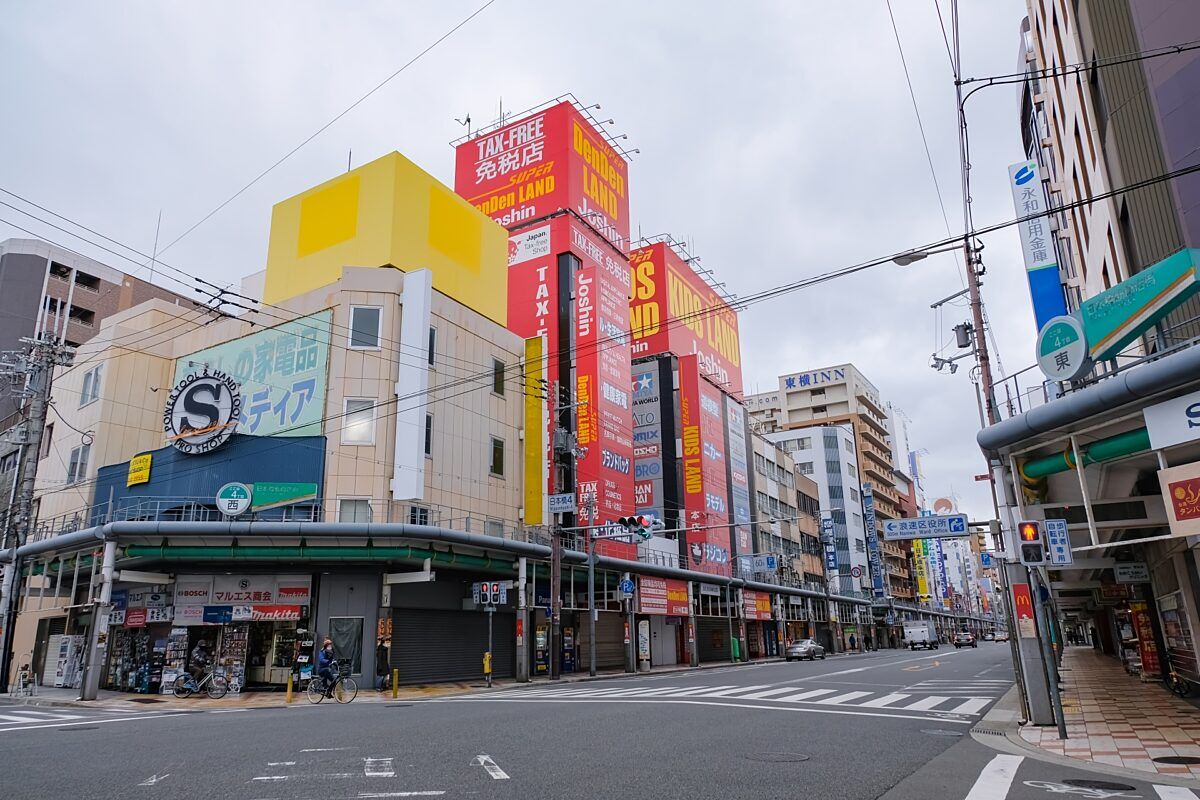
One step into Naniwa-ku and you hit Den Den Town - Osaka’s pulse for tech fixes and cartoon dreams. Famous long before hashtags, its walls breathe old-school manga air mixed with neon hums from game shops. Walk past tangled wires strung like ivy, spot fans arguing over hero rankings near vinyl bins. Rain or shine, folks drawn to fringe scenes find comfort here among flickering signs and backroom arcades. For locals wired different, this patch of city feels less like shopping, more like homecoming.
Out by Ashiharabashi, quiet spots show up in small ways. Not much grows near the river edges, still paths wind through loose fields of millet. Tranquility slips in where crowds don’t gather. Design helps, sure - yet empty space holds just as much weight. Simple layouts let people move without pressure. What’s missing speaks louder than what’s built.
Walk through the neighborhood, then spot small shrines tucked between homes, popping up where least expected. Not many visit them, yet these quiet spots hold memory of how things once were, still standing without fanfare.
Food here? Just as good. You’ll spot basic meals without high prices across Naniya-ku. Forget fancy - places serve warmth instead of flash. Think small eateries, noodle counters, quick stops where folks stand while eating, along with longtime family spots. These joints care more about steady quality than big menus. What lands on your plate comes from habit, not design.
Some Key Destinations
Den Den Town (Nipponbashi) – Osaka’s answer to Akihabara: anime, gadgets, manga, otaku culture, themed cafés, and specialty shops.
Imamiya Ebisu Shrine – Historic Shinto shrine (dating from around the 7th century) known for its Tōka Ebisu festival praying for business success.
Namba Parks – Striking shopping and dining complex with a rooftop terraced park that feels like an oasis in the city.
Shinsekai & Janjan Alley – Classic Osaka entertainment district with a nostalgic Showa-era vibe, retro eateries, kushikatsu, games, and local bars. Home to Tsutenkaku, Naniwa-ku anchors Osaka’s retro heart.
Read More
Ikuno Korea Town (Tsuruhashi), Osaka: The Vibrant Multicultural Food and Market District
Toyonaka, Osaka: The Comfortable Suburban Residential City with Urban Access
Livability
Everyday life settles into place here. Naniwa-ku lines up real options, especially if getting by without spending too much matters most. Even outside busier zones, shops that sell food, small stores for quick stops, places to fill prescriptions, and spots to see a doctor show up close by. Things stay within reach. Getting what you need does not require long trips.
Evening rides run smoother here compared to distant zones. Choosing your path gets easier when extra stops and routes open up. Removing certain transit options still counts in this district.
Out here, spacing between homes stays much the same. Where things hum with activity, everything feels close, packed tight. Elsewhere, quiet stretches out along leafy roads, gaps between structures giving room to breathe. Folks settle into these rhythms just fine - no need to leave the neighborhood at all.
A few clinics pop up around here, making basic care easy to find. Larger hospitals sit within reach, just a bit farther out. Some spots offer staff who speak English, though not nearly as often as you’d see in Kita-ku or Minato. Facilities themselves hold up fine - nothing flashy, nothing lacking.
Families live here, though most folks are on their own or paired up, often younger. Schools show up around, child care too, yet open grassy spots sit farther out. Away from busy corners, quieter lives unfold.
Folks often assume districts like this carry risks - yet Naniwa-ku sidesteps that idea entirely. Crowded spots stay active after dark, something one might find comforting or unsettling based on personal preference. Away from those zones, homes sit along quieter roads where movement slows down naturally. Fewer footsteps mean fewer worries for many who live there.
Living in Naniwa-ku suits you well when old-school urban rhythm matters more than polished brochures. Those focused on practicality, not flash, often find what they did not know they needed. Quiet streets hold their own kind of payoff.
Read More
Takatsuki, Osaka: The Balanced Residential City Between Osaka and Kyoto
Minoo, Osaka: The Scenic, Nature-Rich Residential Retreat
Real Estate: Rent and Property Prices
Near the heart of Osaka sits Naniwa-ku, where property chances look steady. Prices here show how the place keeps changing, blending aged structures with fresh ones. Unlike spots like Kita-ku or Chuo-ku, getting started takes less money up front - so newcomers often pick it. First-time buyers find it fits their start, thanks to that lower entry cost.
Some rental spots match all kinds of tastes. Near Namba and Daikokucho, you will find new apartment blocks - secure, compact, cleverly built. Yet tucked away on quieter streets sit old, short buildings, offering roomy layouts without added fees.
Apartments with just one room or a single bedroom typically cost from ¥65,000 up to ¥100,000 each month, though places that sit in more desirable spots or have recent updates can climb above that. Larger homes featuring two bedrooms often land between ¥110,000 and ¥180,000 monthly, depending on how spacious they are and how far they sit from ST.
One bright spot? Prices in Osaka’s central areas often feel out of reach, yet condos offer a different path. New builds tend to sit between ¥600,000 and ¥900,000, though earlier models cost less. Because of this gap, stepping into ownership opens up for quite a few. What stands out is how these numbers let more names appear on deeds.
Despite similar rental rates, buying costs stay low due to uneven interest. Though units aren’t far below typical rent levels, they often sit close to subway stops with quick access to Namba. A walkable location keeps some appeal alive. Investors eyeing longer timelines continue finding promise in Naniwa-ku properties.
Lower prices often come at the cost of shine. Buildings here tend to be modest - smaller, dated, maybe unremarkable. Still, plenty find the spot worth it when rent drops low enough. Practical wins out over pretty, more times than not.
Read More
Senri, Osaka: The Planned, Green New Town Community
Joto Ward, Osaka: Everyday Living with Easy Access to the City
Other Information
Foreigners find Naniwa-ku simple to move through, particularly if they’ve handled city life before. Signs in English pop up near major stops such as Namba, also showing clearly on routes tied to the airport.
Out there among the local estate agents, a few handle overseas buyers. Not nearly as many as you’d find in Umeda, though. Deals in Naniwa-ku run on standard Japanese terms - leases often stretch two years, sometimes demanding advance payments before move-in.
Life does not require fluent Japanese, but a minimum of basic skills is helpful, particularly in the shops and clinics, locals are very friendly due to a large number of foreigners they see and also tourists who have the airport close to them.
On quieter streets, riding feels different. Where bikes fill local paths, big avenues pulse with cars. Routes without noise shape how you move through the city.
At first glance Naniwa-ku might seem underwhelming - yet something about it sticks around slowly. With its reachable location, budget-friendly costs, plus a real local vibe, it wins quietly. People aiming to stay near downtown without emptying their wallets now lean here more often. Over time, what felt ordinary starts feeling like fit.
Sources
- Osaka City Official Website
- Osaka Metro Official Website
- JR West Railway Company
- Nankai Electric Railway
- Real Estate Economic Institute – Kansai Housing Market Reports
Our team of seasoned professionals at PropertyAccess is dedicated to helping you navigate Japan’s real estate market with confidence.
With deep local knowledge and a commitment to personalized service, our experts are here to guide you every step of the way.
Book a Free Consultation Session with Our Team!