- 지역 가이드
Hirakata, Osaka: A Balanced Commuter City Between Osaka and Kyoto
Last Updated: 10월 23, 2026
A definitive guide to Hirakata City – a livable, well-connected commuter city nestled between Osaka and Kyoto.
목차
Supervised By: 카자토 히로키
Real Estate Expert
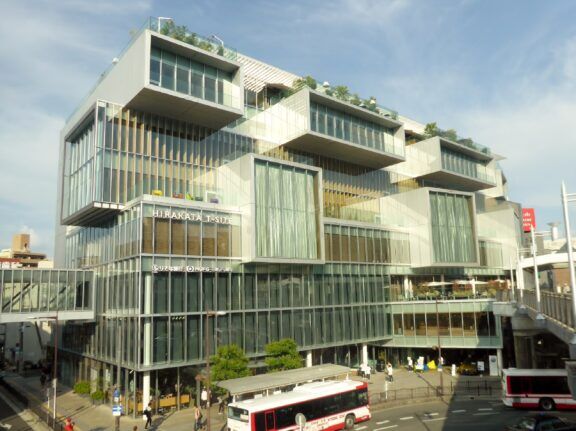
Hirakata City sits in the northeastern part of Osaka Prefecture, full of life yet rooted in calm. Getting to Osaka or Kyoto takes little time, making movement smooth on any weekday. Daily needs show up around every corner, close enough to walk. Life here mixes city energy with green spaces, offering balance without sacrifice. Commuters settle in easily, just like families looking for steady ground. The past lingers in quiet spots, seen in old details others might miss. Everything necessary fits neatly into everyday routines. Peace lives in the neighborhoods, while big-city links stay within reach.
Read more
Kita-ku, Osaka: The Dynamic Commercial and Transit Hub
Chuo-ku, Osaka: The Historic and Economic Heart of the City
Area Overview
Eastward from central Osaka, Hirakata sits near Kyoto's edge, crossing into another prefecture. Over the Yodo River it spreads, land rising slowly toward the Ikoma foothills. Long before trains or highways, boats moved people here - then travelers paused at rest stops between two great cities. These days, rail lines hum through neighborhoods shaped by history, where daily life blends routine with distinct local flavor. Distance from downtown stays short, making movement easy without losing a sense of place.
Nearly 400,000 people call this place home, ranking it among Osaka Prefecture's more populous areas. Urban zones blend into quieter neighborhoods here, offering everyday conveniences while staying clear of downtown crowding.
People use the Keihan Main Line to move across town, its tracks threading through several stops like Hirakata-shi Station. Moving along, you’ll find Hirakata-kōen Station tucked in next. After that comes Kōzenji, sitting quietly between neighborhoods. Goten-yama appears further down the route, serving daily travelers. Lastly, Makino Station marks one of the local endpoints, blending into the streets around it.
From the Keihan Main Line, reaching Yodoyabashi Station in Osaka becomes easy. Heading north, Demachiyanagi and Sanjo in Kyoto sit within reach too. Travel time to either major city takes only half an hour. Living here means quick access without needing long commutes. Location matters when daily movement shapes routine.
Finding a way across town? Plenty of buses wait at corners, while taxis idle near markets - perfect when errands pile up or the mood strikes for a brief ride somewhere close. A journey to Kansai International Airport might involve switching trains once or twice. Still, thanks to rail and underground links, it flows smoothly. About ninety minutes is all it takes.
Read more
Fukushima-ku, Osaka: The Creative Culinary Neighborhood by the River
Nishi-ku, Osaka: The Stylish, Design-Forward Urban District
Atmosphere and Vibe
Lively though quiet in spots - that is how the area strikes most people. Around hubs like Hirakata-shi and Hirakata-kōen, shops appear alongside coffee stops, grocery stores, and daily essentials within quick reach. Energy hums here, steady without feeling rushed, especially once you step away from central Osaka's faster pace. People move between tasks by bike or simply walking, passing through nearby station zones as part of their routine flow.
Farther from those busy transit hubs, life slows down into tree-lined avenues where small grocery stores sit beside playgrounds. What draws people isn’t just space or silence - it’s how sharply that calm cuts through the nearby rush of daily travel. People move in waves, most seen early or late each day. Weekends bring slower steps, sunlight warming empty benches by noon. Evenings here lack the rush found downtown, fewer lights burning after dark. Some like that - silence folds into sleep without noise knocking at windows.
Read more
Naniwa-ku, Osaka: The Lively Neighborhood of Retro Culture and Subcultures
Ikuno Korea Town (Tsuruhashi), Osaka: The Vibrant Multicultural Food and Market District
Tourist and Local Destinations
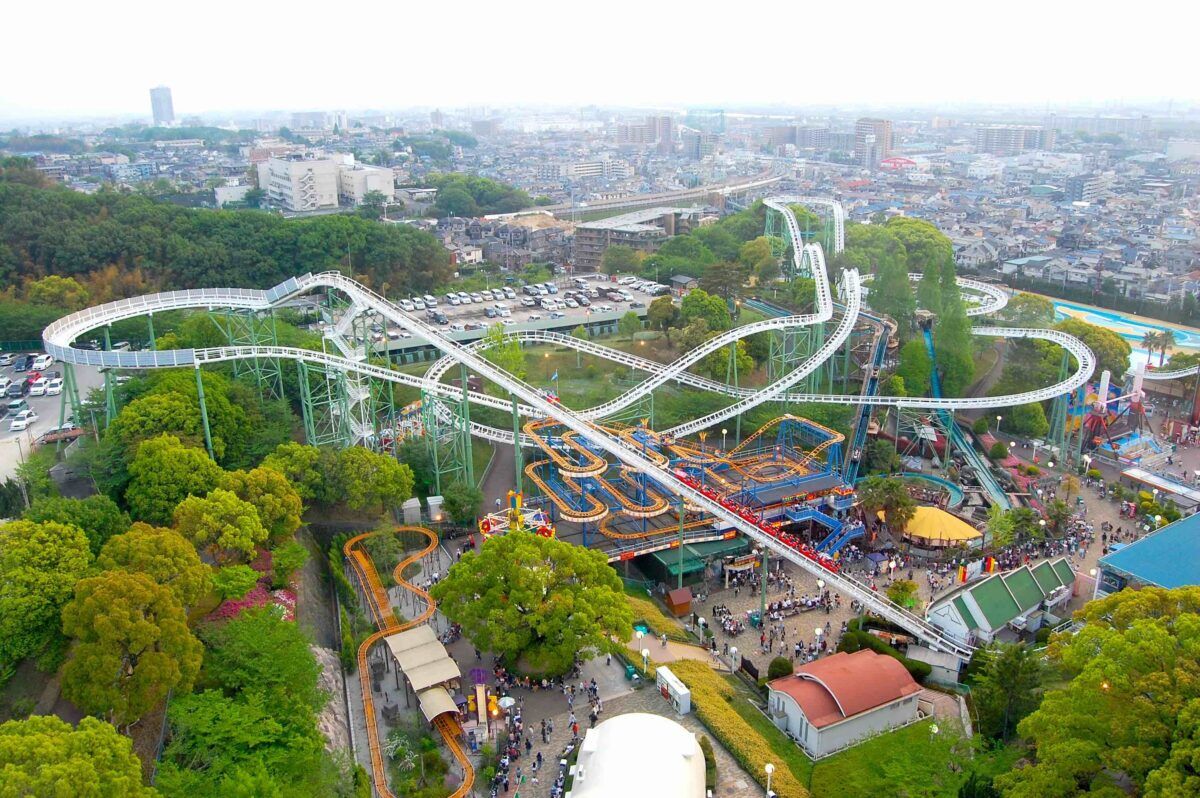
Few travelers make their way here, yet hidden corners offer quiet charm if you’re curious enough to look. Sometimes a place keeps its best parts off maps, letting only those who wander slowly notice. Hirakata Park historic amusement park opened way back in 1910. Rides fill its grounds, while a tall spinning wheel lifts riders high above the nearby rooftops. When seasons shift, events spark through the paths. Weekends bring crowds - neighbors, children, whole family groups show up when work fades away.
Hirakata doesn’t shout about it, yet tucked behind quieter streets lie traces of its past - once a resting point travelers used when moving between Kyoto and Osaka. You’ll come across homes where samurai once lived, their walls still standing without fuss or fanfare. Shrines sit modestly among trees, visited more by locals than headlines. Walk further, and whole stretches of old buildings remain untouched, offering quiet snapshots of everyday life long ago.
Families stroll through quiet parks near the riverbank, where trees line winding trails beside the Yodo. Paths stretch for miles under open skies, linking small green spots tucked into everyday neighborhoods. Nature lovers pause on benches shaded by bamboo, listening to water move slowly downstream.
Hirakata-shi keeps things moving with hubs tucked inside train stops, where shops crowd together alongside movie screens and food spots. Yet it is the narrow shotengai lanes, humming with local rhythm, that shape the feel of daily life here. From big retail zones to small street stalls, choices show up around every turn.
Read More
Toyonaka, Osaka: The Comfortable Suburban Residential City with Urban Access
Takatsuki, Osaka: The Balanced Residential City Between Osaka and Kyoto
Livability
Hirakata as a highly livable city is perceived for several reasons. Home life mixes with city perks, letting daily tasks unfold close by. Nearness to shops means errands take less time, effort drops without long trips. Medical help sits nearby, clinics show up around corners, hospitals stay within quick reach. Kids head to classrooms just minutes away, global curriculums or local ones both available. Community spots pop up along streets, giving people places to gather, connect, pause. Workers keep routines steady, families build roots, visitors who stay long feel settled too.
Out in the open, safety in Hirakista stands out when compared to busier city hubs. Thanks to thoughtful design, shared areas, and efforts led by locals, calm seems to stick around. People move through the streets on foot or pedal quietly past storefronts.
Close to both Osaka and Kyoto, getting to work every day feels smooth. Trains move between them without delay, so timing stays predictable. Rushing becomes less of a worry when rides follow through like clockwork. Moving across cities fits into routines without friction.
Few cities balance concrete and green like this one does. Eastward, the hills roll gently into view, while the Yodo river cuts a quiet path through neighborhoods. Parks pop up where you least expect them, softening hard streets with trees and open lawns. Nature here doesn’t feel added on - it belongs.
Read More
Minoo, Osaka: The Scenic, Nature-Rich Residential Retreat
Senri, Osaka: The Planned, Green New Town Community
Real Estate: Rent and Property Prices
Homes in Hirakata come in every shape and size, ready for anyone looking to settle down. Still, renting here takes less out of your pocket than living in central Osaka - even near its edges. Homes standing alone usually cost about ¥19,800,000 (~US$140,000), though what you pay shifts depending on where and how big. Properties close to train stops offer plenty to pick from, thanks to fresh numbers on available plots. While some parts of Osaka show pricier ground by the tsubo, this place tends to stay more affordable in comparison.
Renting in Hirakata usually costs less than leasing a spot in central Osaka. If you need space for a family or something larger, options open up fast around here. Roomy rentals pop up often, with many still free each month to check out. Finding one feels simple, thanks to how common extra square footage stays in this stretch.
Read More
Joto Ward, Osaka: Everyday Living with Easy Access to the City
Yodogawa, Osaka: A Well‑Connected Riverside District with Affordable Urban Living
Other Information
Here, foreigners settle in to work or take classes at Kansai Gaidai University. Because so many newcomers arrive, the town offers guides and help desks where languages beyond Japanese are spoken. Spots near train stops and popular places include safe spaces meant mainly for visitors. These efforts aim to smooth daily routines for those unfamiliar with the area.
A top-notch hospital sits right near classrooms that never lack supplies. We’d say the grade here? Nothing below an A+. When kids have books on shelves plus science labs at school, staying put feels natural. That kind of setup doesn’t come around often.
Folks here look forward to gatherings such as the “Goroku-ichi,” held every month, where craft makers, small vendors, and familiar storefronts come together. Because these moments pop up often, they shape how people experience their streets - unexpected turns in routine days bring neighbors out without warning.
Sources
- City of Hirakata Official Website
- Japan Guide – Hirakata Overview
- Wikivoyage – Hirakata Travel Guide
- Keihan Railway Official Website
- Hirakata Park Official Website
- SUUMO – Hirakata Real Estate Listings
- HOMES.co.jp – Hirakata Housing Data
Our team of seasoned professionals at PropertyAccess is dedicated to helping you navigate Japan’s real estate market with confidence.
With deep local knowledge and a commitment to personalized service, our experts are here to guide you every step of the way.
Book a Free Consultation Session with Our Team!
PropertyAccess의 노련한 전문가 팀은 여러분이 일본 부동산 시장을 자신 있게 탐색하실 수 있도록 최선을 다해 지원해 드립니다.
풍부한 현지 지식과 맞춤형 서비스에 대한 헌신을 바탕으로, 저희 전문가들이 부동산 구매 과정의 모든 단계에서 고객님을 안내해 드립니다.
무료 개별 상담 예약하기
(예약 화면은 영어로 표시됩니다.)