What Makes Toyonaka, Osaka Popular for Comfortable Suburban Living Near the City
Last Updated: September 4, 2026
A definitive guide to Toyonaka, Osaka – a livable suburban city with great schools, green spaces, and fast access to central Osaka.
Table of Contents
Supervised By: Hiroki Kazato
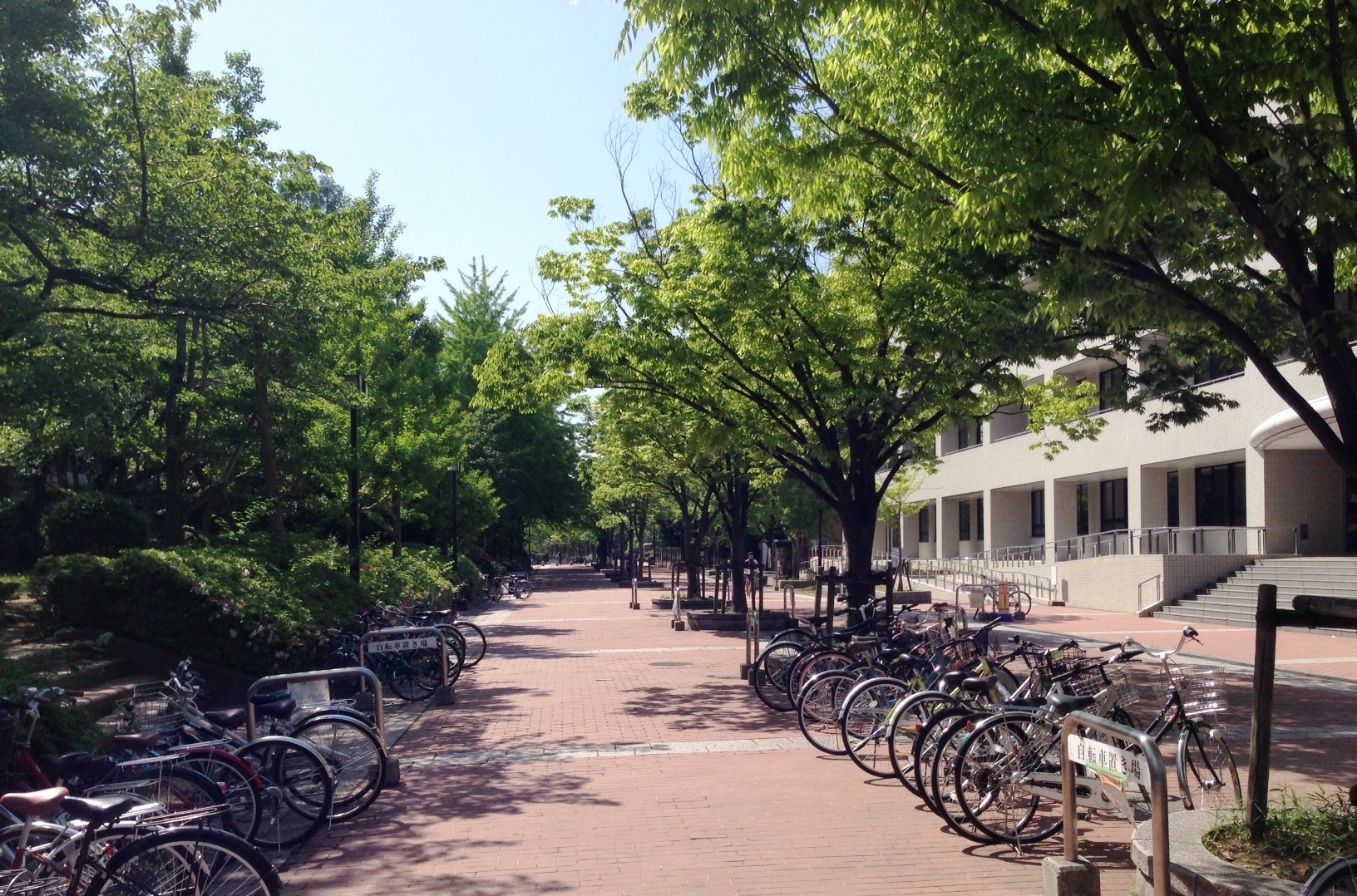
A short distance from central Osaka lies Toyonaka, where urban life softens into something quieter. Tree-lined avenues shape the rhythm of local streets, shaping days with subtle charm. Education stands strong here, supported by well-regarded schools within reach. Daily needs are met easily, thanks to nearby shops that handle routine errands without fuss. Despite its calm nature, access to Umeda and central hubs remains quick, almost effortless. Housing unfolds more generously in this zone, offering space without high costs. Life moves differently when located beyond the metro’s core, yet stays connected. Affordability stretches further, particularly for those seeking room to breathe.
Area Overview
Despite lying outside Osaka City proper, Toyonaka feels closer to it than Minoh does. Located northward within Osaka Prefecture, this suburban settlement rests where urban layout meets rising landforms leading toward Minoh. Greenery begins here, just beyond the dense core. Its position - between cityscape and wooded slopes - gives it an edge in connectivity. Proximity shapes perception; distance blurs ties.
Along the route of the Hankyu Takarazuka Line, movement connects key nodes - Toyonaka Station, Okamachi, then Hotarugaike. From Toyonaka, reaching Osaka-Umeda takes between 10-15 minutes, varying by service type. This brief travel time stands out among local advantages, shaping much of the district's appeal. What draws people often traces back to how close everything feels. Speed matters less than consistency when timing each leg of the journey. Fewer stops mean fewer delays, a quiet benefit commuters notice without naming it. The line operates with regularity, not spectacle, supporting daily patterns beneath attention. Even during peak intervals, flow remains steady, almost unremarkable - which is precisely what works. Proximity gains value simply because it persists, day after day.
Situated nearby, Hotarugaike Station serves as a key interchange. Connecting the Hankyu route with the Osaka Monorail occurs here. Access to Expo City emerges straight from this point. Travelers heading toward Itami Airport find it convenient due to seamless links. Direct reach becomes possible without transfers, benefiting regular commuters. Reaching destinations faster happens as a result of the layout.
From Shin-Osaka Station, roughly twenty minutes by rail open access to far-reaching destinations. Reaching Namba typically takes between half an hour and thirty-five minutes, requiring one transfer along the way. Located this close, Toyonaka carries a central vibe, yet avoids the intensity of inner-city life.
Flat terrain defines Toyonaka, with gentle slopes appearing now and then. Residential areas often feature open parks where stillness prevails, whereas access to transit hubs offers practical advantages. Because of these layered qualities, personal rhythm finds room without fixed rules shaping it. Lifestyle choices emerge naturally, shaped by surroundings rather than expectations.
Read More
Kita-ku, Osaka: The Dynamic Commercial and Transit Hub
Chuo-ku, Osaka: The Historic and Economic Heart of the City
Atmosphere and Vibe
Peace fills Toyonaka, yet beneath lies a quiet discipline. Not excitement, rather routine shapes its character. Families settle here, alongside elders enjoying slower days. Students appear often, moving toward classrooms each morning. Workers head into Osaka regularly, part of an unspoken rhythm. Life unfolds without spectacle, steady in its purpose.
Each morning brings movement, yet space remains between bodies on sidewalks. Shops draw those seeking food midday, learners heading to class, workers pausing briefly. Among them move young ones returning from school, older residents tending small plots near homes, riders gliding at measured speed along pathways.
Evening settles quietly over Toyonaka, where silence grows by degrees. Though restaurants shut before those in central Osaka, the rhythm stays unhurried. Where homes line the roads, dim lamps glow beneath still air. With few sounds breaking through, calm holds firm after dark.
A change like this draws people wanting distance between work life and personal space. After a full day in Umeda, one might walk into neighborhoods quiet just as they had been earlier. Quiet returns where activity once pressed hard.
Here, life moves at a steady pace, grounded in shared routines. Though quiet, gatherings like harvest fairs or parent-teacher meetings remain part of daily rhythm. Trendiness finds little space within these streets. What matters instead grows slowly - small promises kept, familiar faces seen, patterns repeated without fanfare.
Read More
Fukushima-ku, Osaka: The Creative Culinary Neighborhood by the River
Nishi-ku, Osaka: The Stylish, Design-Forward Urban District
Tourist and Local Destinations
Toyonaka does not hold the title of a prominent travel destination, yet this absence defines its character. Still, within its boundaries exist locations cherished by locals, along with hidden sites revealed only through word-of-mouth guidance.
Within North Osaka lies Hattori Ryokuchi Park, among the region’s largest green spaces, stretching partly into Toyonaka. Grassy expanses occupy parts of its layout, alongside running paths appear near courts meant for physical activity. Picnic zones are placed throughout, offering spots where people gather during calm afternoons. Residents often see it less as a public space, more like an extension of home grounds.
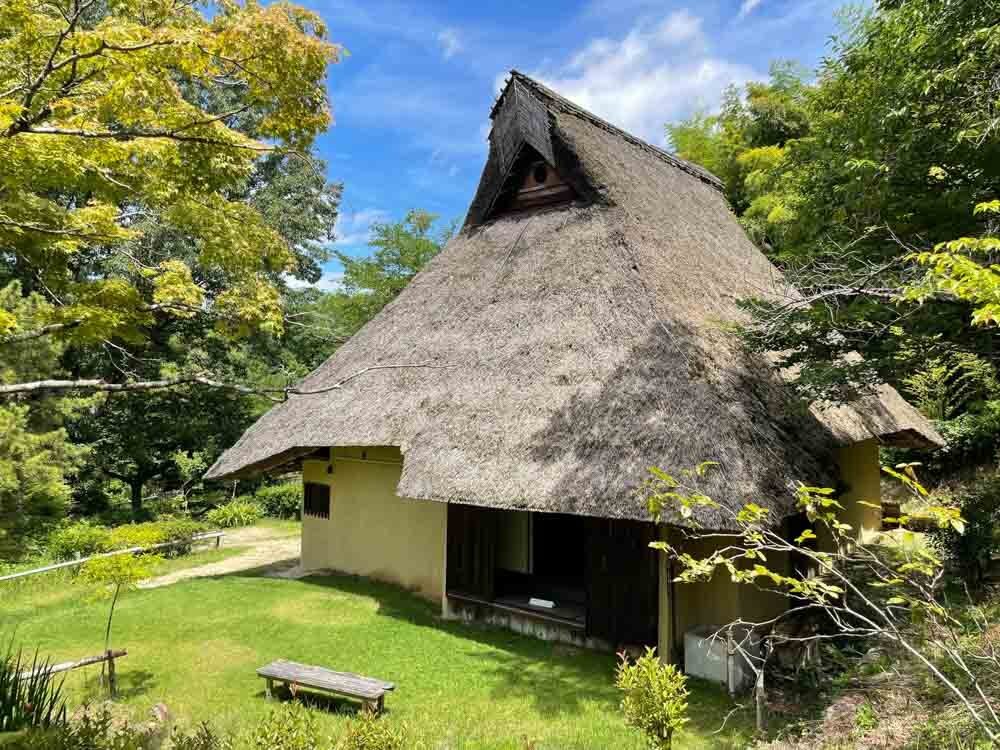
Warmth spreads through simple design choices inside Japan Folk Crafts Museum Osaka or Mingeikan. Art made by ordinary hands fills the rooms. A visit here suits those drawn to stillness. Culture lives quietly within these walls. For anyone seeking calm exploration, this space offers room to breathe.
Toyonaka Inari Shrine is a tiny structure, yet widely cherished by many. Throughout the year, seasonal gatherings include Toyonaka Inari Shrine as a central presence. Spiritual life unfolds here, revealing bonds shaped across generations.
Sits close to Okamachi Station, Okamachi Shopping Street offers everyday items alongside modest bakeries and spots for simple meals. Longtime businesses line the path, standing quietly among newer ones. Though plain in appearance, there is activity here, a sense of daily life unfolding. The area does not try to impress; instead, it shows how people live. What you see matches what is needed.
A quiet shift unfolded in Toyonaka, where good bread and steady coffee took root. Because neighborhood loyalty guides most small cafes here, costs stay low. Though visitors rarely crowd the streets, comfort fills every corner. Where others chase trends, these places favor calm routines. With time, simplicity became their distinct mark.
Here, life moves without excess. Each spot sits naturally within daily routines. Perfection lies in what isn’t added. Presence blends, never interrupts.
Some Key Destinations
Hattori Ryokuchi Park - One of Osaka’s largest green spaces—perfect for picnics, cycling, and slow weekend escapes.
Japan Folk Crafts Museum, Osaka (Mingeikan) - A refined showcase of traditional Japanese craftsmanship in a calm, leafy setting.
Read More
Naniwa-ku, Osaka: The Lively Neighborhood of Retro Culture and Subcultures
Ikuno Korea Town (Tsuruhashi), Osaka: The Vibrant Multicultural Food and Market District
Livability
The livability is where Toyonaka is exceptional, it continually advertises as one of the best areas in Osaka for education, security, and child orientation.
What pulls people in? Schools. Toyonaka offers solid public education, along with access to private options and colleges close by. That kind of setup tends to stick around for families planning ahead.
Folks around here know where to go when they feel unwell. Scattered across town you find dentists, small check-up spots, plus bigger treatment buildings nearby. When more serious care pops up, a train ride to major Osaka hubs makes it doable - no long waits, just steady movement toward help.
Finding regular items? Not hard at all. Shops like grocery stores, pharmacies, or corner spots pop up everywhere around here. Most days, just a quick walk or brief drive does the trick - less hassle, more done. Life moves smoother when basics stay close.
Green spaces help make life better. Not just Hattori Ryokuchi Park, but many small parks dot the quieter parts of town. Tree-filled roads run through homes and streets, showing nature fits right in. Breathing feels lighter when these pockets of green sit close by.
What stands out in Toyonaka is how safe it feels. Crime hardly happens here, lamps stay on through the night along sidewalks, plus neighbors keep an eye out. That quiet strength pulls in parents, older adults, even people stepping off planes from faraway places.
Every day, what matters most to people in Toyonaka is having room to move and moments that flow without rush. This part of Osaka feels different because life here just fits better than elsewhere around it.
Read More
Minoo, Osaka: The Scenic, Nature-Rich Residential Retreat
Senri, Osaka: The Planned, Green New Town Community
Real Estate: Rent and Property Prices
Prices in Toyonaka sit between far-out neighborhoods and downtown Osaka. Not quite as high as the city center, though clearly above outer zones. Most people see that balance as fair. Worth the cost, many would say.
Fifty-five thousand yen marks the beginning for tiny flats in Toyonaka, though prices climb toward eighty when closer to stations. Older buildings tend to sit at the lower end, while newer ones push higher - location sways cost just as much as construction date.
Fresh off the market, one or two bedroom units usually sit between ¥90,000 and ¥150,000. When it comes to family spots near top schools or green spaces, prices often climb higher.
Apartments stand packed tight in central Osaka, yet out here single homes for rent pop up more often. Families looking for room to move usually find these spots fit best.
Home seekers here find both condos and standalone houses available. Priced per square meter, units range between ¥600,000 and ¥1.1 million. Location near transit points affects cost. So does how well the building was constructed.
Apart from age, what shapes a detached home's price is often the size of its plot. Homes sitting on larger grounds usually offer better value, whereas recently constructed ones typically come with steeper tags.
A steady calm holds the market together, with few chasing quick gains. Most buyers want to live in what they purchase, not trade it like cards. That kind of intent builds something solid beneath the surface.
Although, the property isn't the kind of investment that brings rapid short-term returns, it offers a high standard of living and has high rental occupancy rates which many purchasers prefer over everything else.
Read More
Joto Ward, Osaka: Everyday Living with Easy Access to the City
Yodogawa, Osaka: A Well‑Connected Riverside District with Affordable Urban Living
Other Information
Toyonaka is suitable even for foreigners simply because it feels removed from bustling city life. Communication may require effort since many services operate solely in Japanese. Daily tasks often unfold without English assistance nearby. One might adjust slowly where signs, forms, and conversations remain entirely in the local tongue.
Still, the town opens its doors without hesitation. Those who arrive - families, learners - are met with quiet familiarity. Should you know even basic Japanese, adjustment comes naturally. Yet comfort does not depend solely on language.
Frequently, public services show careful structure alongside steady performance. When city office websites offer straightforward guidance, understanding improves - similarly, neighborhood hubs hosting gatherings or workshops support local interaction just as effectively.
Easy navigation marks every street, making correct paths obvious. Commuting stays effortless each day despite working far away in Osaka City.
A quiet rhythm defines Toyonaka, where living unfolds by choice, not chance. Stability sits deep here, shaped by steady streets and trees that line them. What appears ordinary at first glance often reveals depth later. Time adds value, much like varnish on seasoned wood.
Sources
- Toyonaka City Official Website
- Osaka Prefecture Official Tourism and Living Information
- Hankyu Railway Official Site
- Japan Guide – Osaka Area Overviews
- Real Estate Japan – Kansai Housing Market
Our team of seasoned professionals at PropertyAccess is dedicated to helping you navigate Japan’s real estate market with confidence.
With deep local knowledge and a commitment to personalized service, our experts are here to guide you every step of the way.
Book a Free Consultation Session with Our Team!