- Area Guides
Why Kichijoji, Tokyo Is Ranked Among the Best Places to Live for Families and Professionals
Last Updated: October 23, 2026
A definitive guide to Kichijoji – one of Tokyo’s most livable neighborhoods, loved for parks, shopping streets, relaxed vibes, and easy access to the city.
Table of Contents
Supervised By: Hiroki Kazato
Kichijoji is constantly on the top of the list of the most popular and desired districts for residence in Tokyo. Getting around here works smoothly, thanks to solid transit links that connect without hassle. The area hums with shops and small businesses, yet steps away you’ll find quiet lanes lined with homes. Plus, one of the city’s best-loved green spaces sits right in the middle of it all. For those who value balance - busy enough to feel alive, calm enough to breathe - it fits just right. Reaching central stations is easy, so commuting doesn’t drag. When comfort, convenience, and character line up, this place stands out.
Area Overview
Kichijoji sits west of central Tokyo, stretching between Musashino and Mitaka cities. Originally built up as a residential getaway, over time it grew its own rhythm, full services, local flavor. Growth came slow, steady, shaped by needs rather than plans.
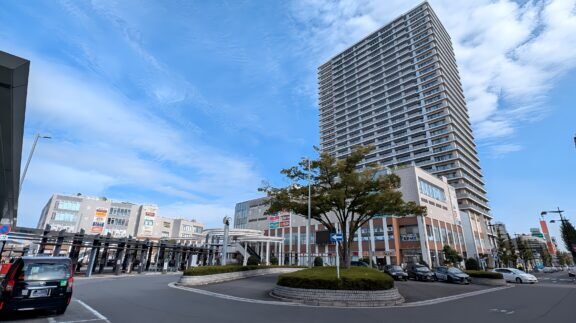
Not far off sits Kichijoji Station, a key stop in west Tokyo known for steady crowds and solid connections. Running through it are two main rail routes that keep things moving. Speedy trips into central areas come via the JR Chuo Line, whereas the Keio Inokashira Line cuts straight to Shibuya. Having both lines gives this district a clear edge.
Fifteen minutes is all it takes to ride the Chuo Rapid Line into Shinjuku from Kichijoji. Heading toward Shibuya? That journey usually fills 20 minutes on the Inokashira Line. Reaching Tokyo Station and Marunochō means setting aside around half an hour. Switch trains in Shinjuku, or stay put on the Chuo Line - either way gets you to Tokyo Station directly. Commuters often find these durations fit their rhythm, balancing time and route neatly.
Still, despite Kichijoji's popularity, it never seems overwhelming. Close to the station, crowds fill the sidewalks - yet move just a short way, and quieter lanes appear. What stands out is how energy blends with ease here.
Out here, change comes quietly. Public funds flows into parks, streets, buildings - backed by Musashino City’s steady push. Clean sidewalks appear. Safety feels normal. Life moves at a comfortable pace, shaped by careful choices long before today. The neighborhood breathes easier now.
Read More
Hiroo, Tokyo: An Upscale Residential Neighborhood with International Appeal
Aoyama, Tokyo: Tokyo’s Refined Blend of Luxury, Design, and Urban Living
Atmosphere and Vibe
People seem to really live here, not just pass through. Busy enough without ever feeling too loud or rushed. Mornings bring crowds of shoppers, kids heading to school, people working from laptops in quiet corners. By noon, outdoor café seats disappear fast. Stores swell with customers when the weekend hits.
Few steps from the platform, shops stretch in every direction. Towering storefronts sit beside small stalls selling books or snacks. Bustling at noon, yet quiet by dusk - life moves without hurry. Locals linger on benches, sipping drinks, talking low. Confidence lives here, not loud, just steady. A pause feels natural, even expected.
Out beyond the platform, things settle down. Houses sit beside modest apartment buildings, while corner stores dot quiet blocks. Greenery pokes through here - small yards, scattered benches, tree-lined paths. Distance from the rails makes the rumble fade fast. Nearby tracks seem distant, somehow.
Evening here doesn’t quiet down, though it stays calm somehow. Places to eat and drink keep going, while the vibe stays relaxed. Couples walk by, kids laugh with parents, small groups chat - each moment feels closer than what you’d find in busier districts. The energy moves slow, not loud, nothing forced.
Fun shows up when the week ends here. Near Inokashira Park, you’ll often spot someone playing music or playing. Bright stalls appear now and then, yet everything stays calm enough for regular routines. Locals linger because they actually enjoy being here.
Read More
Azabu-Juban, Tokyo: A Historic Neighborhood with a Modern, Global Lifestyle
Roppongi, Tokyo: Tokyo’s International Hub of Business, Culture, and Nightlife
Tourist and Local Destinations
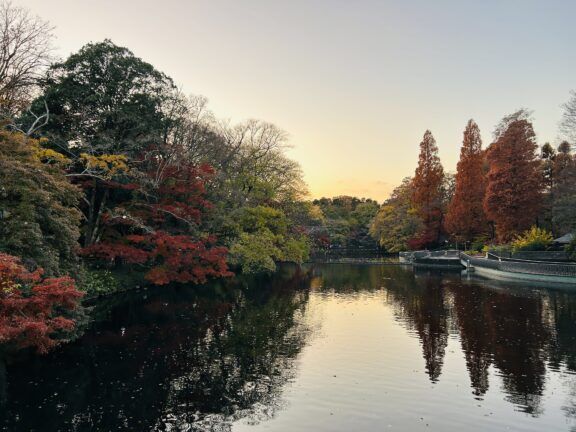
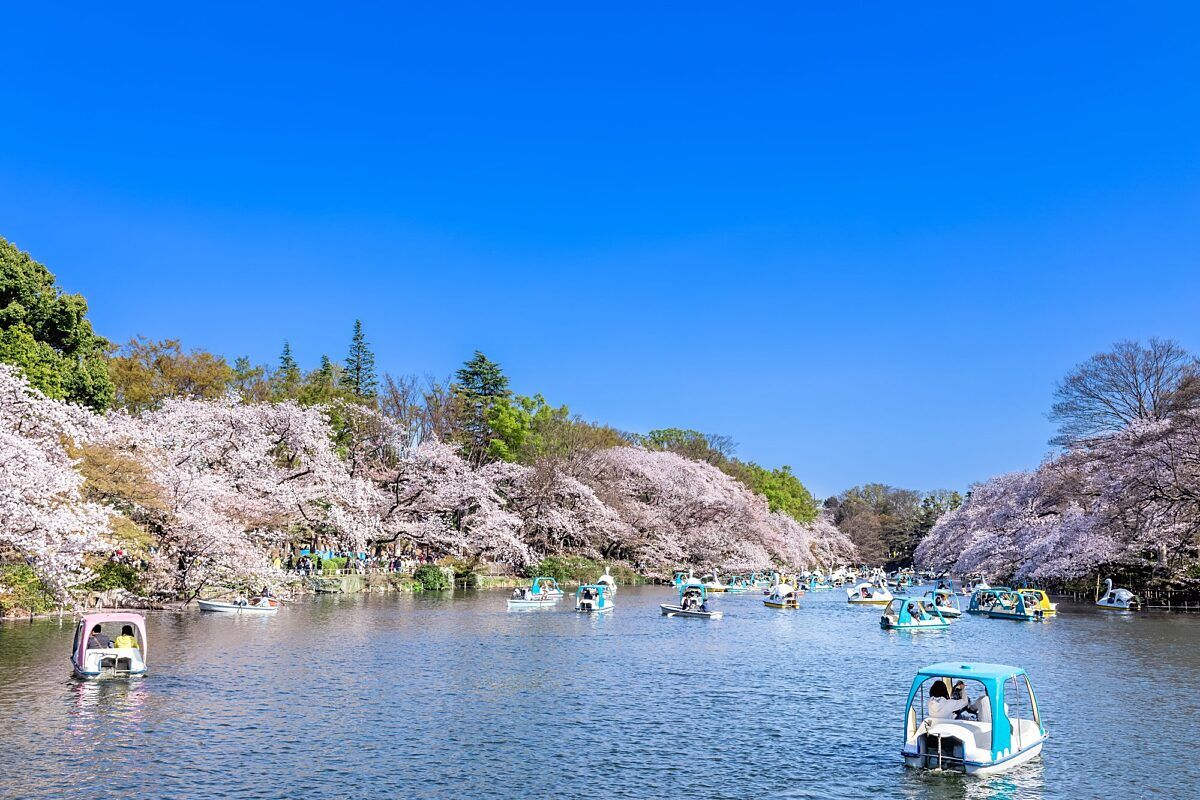
Right in the middle stands Inokashira Park, a stretch of green embraced by just about everyone who comes through Tokyo. Around it flows Inokashira Pond, setting the scene for slow boat rides instead of hurried ones. Paths under trees invite quiet strolls any time of year. When cherry blossoms bloom, crowds swell, yet something peaceful stays put. Outside those busy weeks, you might find only one runner, someone spreading out food on a blanket, or a person lost in pages beneath bare branches.
Right inside the green space sits the Ghibli Museum, a top cultural spot in Tokyo. Showcasing Studio Ghibli's creations, it pulls crowds from far and wide. Even though booking early is required, people living around feel lucky to have this rare place close by.
Down the road from the station, SUNROAD Shopping Arcade draws people in with its wide mix of clothing and everyday items. Heading further north, you will find an older stretch lined with one-of-a-kind boutiques that stand apart from the usual chain stores. Hidden between them are tiny secondhand shops where vinyl records rest beside worn jackets. A surprise waits at every turn when stepping into these narrow lanes filled with coffee smells and music history. Few spots offer such quiet charm amid city noise.
Right by the train stop, spots like Atre, Parco, and Tokyu draw crowds. Inside, you will find fashion, places to eat, along with markets full of daily supplies - handy when energy runs low after a long day.
Creative energy often bubbles up where people gather for plays, shows, or paintings. Even though Kichijoji has just one major draw - the Ghibli Museum - tiny stages and studios still keep locals involved.
Bold flavors take center stage in this part of town. You will find everything from steaming noodle bars to quiet upscale places serving global dishes across Kichijoji. Compared to central Tokyo, food prices here are wallet-friendly, turning each meal into something light, almost effortless. Eating out feels good here, right down to the last bite.
Some Key Destinations
Inokashira Park – One of Tokyo’s iconic green spaces with a large pond, cherry blossoms in spring, boat rentals, and peaceful strolls.
Kichijoji SUNROAD shopping district – Covered arcade full of shops, fashion, souvenirs, and eateries — perfect for shopping regardless of weather.
Ghibli Museum – World-famous Studio Ghibli museum celebrating the films of Miyazaki and friends — highly popular, advance tickets required.
Musashino Hachimangū Shrine – Quiet, historic shrine dedicated to local guardian spirits, nestled among trees just a short walk from the station.
Read More
Ebisu, Tokyo: A Lively Yet Livable District Centered on Food, Work, and Community
Akasaka, Tokyo - A Strategic Business District with Residential Sophistication
Livability
Living feels natural in Kichijoji, whatever your life looks like. Whether alone, with a partner, kids in tow, or further along in years, folks stay because it fits just right. It works well without losing its warmth.
Finding everyday ease takes little effort here. Shops for food, medicine, doctor visits, and banking sit close by. Most chores need only a walk or a short ride on two wheels. Help from city workers works well. People who live here get solid backing from officials nearby.
Locals get decent care here, options aren’t scarce. Spread across town, medical spots pop up regularly, while larger facilities sit just a quick ride away. Trouble finding staff who speak English? Not so much now - some centers even assign helpers for foreigners adjusting to life in Japan.
People pick Kichijoji mainly because of the schools and parks. Academic results across Musashino stand out strongly compared to other cities in Tokyo. Childcare centers are more available here than they do in many parts of the city. Meanwhile, wide open fields like Inokashira Park give children room to run around without bumping into walls. Outdoorsy time grows naturally among trees instead of screens.
Crime hardly ever happens around here. Streetlights stay on all night long, glowing steady. Late hours feel safe because lights never go out.
Read More
Den-en-chofu, Tokyo: Tokyo’s Most Prestigious Suburban Residential Area
Shirokane, Tokyo: Quiet Luxury Living Near Central Tokyo
Real Estate: Rent and Property Prices
Kichijoji's real estate is popular, especially for Japanese locals, which pushes prices up fast. While much steeper than areas west of central Tokyo, these figures stay within reach when measured against pricier zones like Minato or Chiyoda.
Finding a place to rent in Kichijoji gives plenty of choices. Close to the train stop, modern buildings pop up everywhere, most packed with new gadgets people like using every day. Farther out, past the busy streets, stand quieter neighborhoods where worn single-story units and tiny homes sit - roomier, less costly. These spots trade flash for space.
A rough starting point for studio or one-bedroom rentals tends to hover between ¥120,000 and ¥160,000 per month. Moving up, larger units - say, one- or two-bedrooms - often sit anywhere from ¥180,000 to ¥300,000, shaped by how old the building is, its square footage, and how far it sits from the train stop. Homes meant for families might go beyond that, particularly when brand new construction enters the picture.
Right now, prices stand firm without shifting much. For condos in Kichijoji, you might see numbers starting around ¥800,000 per square meter, sometimes climbing past ¥1.2 million when it's a brand-new build. Homes that stand alone cost quite a bit more - especially if they’re near Inokashira Park or close to the train station.
What keeps prices steady? Constant demand. People who buy homes there, along with those renting, find Kichijoji appealing - so values stay strong over time. Even if markets rise or fall, this place tends to hold on to its charm.
People who buy property here benefit because steady interest comes from strong transit links along with nearby conveniences. Owning here means getting a place people have wanted before, not just hoping others will want it later.
Read More
Nakameguro, Tokyo: Stylish Riverside Living with Easy City Access
Kagurazaka, Tokyo: Old-World Charm Meets Everyday City Life
Other Information
Life in Tokyo is easy when you settle in Kichijoji. Though fewer foreigners walk its streets compared to downtown hubs, comfort arrives fast here - familiar in ways hard to explain. Getting around works even if Japanese isn’t your strong suit, although picking up small phrases makes things smoother. The rhythm of the neighborhood just fits.
Not far from the station, several agencies know how to help foreign clients find homes. Much like elsewhere in Tokyo, leases often last two years - payment begins with two months of rent right away. Still, rules can shift depending on who owns the place. A modern apartment, say, might skip extra charges others usually require.
Bike riding shows up everywhere, fits right into daily life. Flat ground plus spots to lock your ride make moving around smooth. This ease slips quietly into the rhythm of the place.
Sources
- Musashino City Official Website
- JR East – Chuo Line Information
- Keio Corporation – Inokashira Line
- Inokashira Park Official Information (Tokyo Metropolitan Government)
- Real Estate Economic Institute – Tokyo Housing Market Reports
- Ghibli Museum Official Website
Our team of seasoned professionals at PropertyAccess is dedicated to helping you navigate Japan’s real estate market with confidence.
With deep local knowledge and a commitment to personalized service, our experts are here to guide you every step of the way.
Book a Free Consultation Session with Our Team!