- 시장 동향
7 Key Criteria for a Good Investment in Japan's Real Estate Market
Last Updated: 10월 23, 2026
Investing in Japan's real estate market requires careful consideration of several key factors. This article outlines seven crucial criteria, including location, property condition, and rental demand, to help investors make smart, profitable decisions.
목차

Supervised By: 카자토 히로키
Considering investing in the Japanese real estate market? This could be a great opportunity to diversify your portfolio and profit from your investment in the long run. However, when buying property, it is important to not only focus on the purchase price and the desirability of the region, but also on the potential and condition of the property, how much this property can be rented for, location and accessibility, papers and ownership details, and much more.
The Japanese real estate market offers a wide variety of properties, for all tastes and budgets. Both novice and experienced investors should be aware of these seven main factors of real estate investment in Japan:
1. The Importance of Location and Accessibility
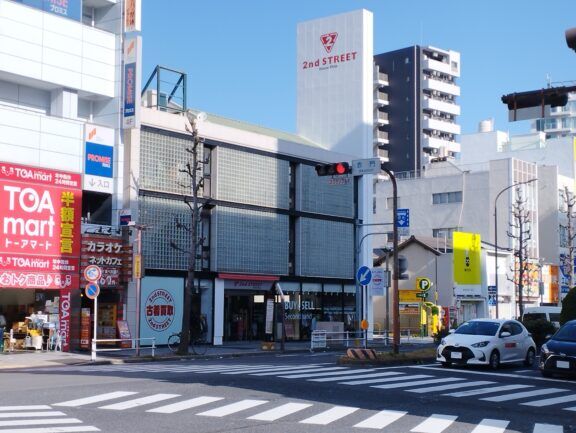
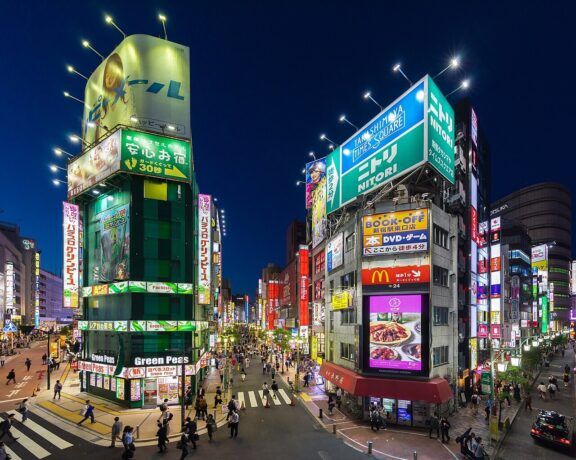
The value of a property is mostly determined by its location. This also means that depending on the area, a property might attract a certain type of clientele. In Japan, one of the most sought-after attributes of a property is proximity to public transport. Due to the immense popularity and widespread use of Japan’s transportation system, many residents prioritize accessibility in their search for property, and this also impacts prices.
When choosing a region, keep in mind that the value and demand for a home are closely tied to the access to transportation, jobs, entertainment and other factors in demand by customers. In large cities such as Tokyo or Osaka, being close to a station can considerably impact the value and demand for a property. Even within the same city, different areas can have different tenants and demand pricing. It is worth considering the specific purpose of your property: what can it be used for, and who will rent it?
Discover the best neighborhoods for foreigners according to each city:
🔗 The 10 Best Places to Live in Tokyo for Foreigners 🔗
🔗 The 6 Best Places to Live in Osaka for Foreigners 🔗
2. Property Type and Investment Objectives
The main parameters of a property – residential, commercial or mixed use, number of stories and much more – can define the investment needs and returns, the way the property will be rented, financed and managed, and its future value. A wide variety of property types in Japan can offer something suitable for any investment strategy and objective. When picking a property, keep in mind your options in regards to financing, managing and renting out the property, and its future value and selling price. Make sure to pick a property that is suited for your preferred strategy and makes the most sense from your perspective. When looking at properties for long-term rent, take note of the potential tenants in the area and the maintenance needs of the property. For short-term lets, keep an eye on local laws concerning temporary tenancy.
Another important consideration when picking a property is its age. Newer properties may require less maintenance but are often bought at a higher price, while older properties can offer exceptional value and be more affordable, though they often require renovations. However, well-maintained older buildings in a desirable location can still offer great value and have high demand.
Read More
3. Property Condition and Maintenance
Physical attributes and state of a property are also essential aspects of a real estate purchase, and they determine many aspects of the investment. Properties that require much maintenance can significantly cut into profits with repair and renovation costs.
Therefore, when considering a property, examine its condition taking into account your future needs and possible additional expenses. Make sure to look at the state of the property and its fittings; for older buildings, check for seismic and location safety. If you are considering a condo, look into the conditions of the shared spaces and amenities, the state of the building and whether it meets safety regulations.
A professional inspection can also detect possible hidden issues that may incur additional costs in the future. If the property is old or has been through renovations, additional maintenance and large-scale repairs may be needed in the near future, and you should factor these potential expenses into your final decision.
Read More
🔗The Hidden Costs of Akiya Nobody Warns You About: Demolition, Repairs, Taxes, and More🔗
4. Rentability, Demand and Income Potential of a Property
When investing in real estate, many people are considering buying a property for rent. Therefore, it is essential to analyze the potential rent and its value to you. Some property types or locations might be much more lucrative and stable than others.
Several parameters determine the potential of a property for rent, its desirability and whether it meets the standards of potential tenants, such as proximity to transport, jobs and facilities, the size, condition and additional features of a property, its price category and local competition and much more.
Modern fittings, convenient layouts, high-quality finishes and proximity to local amenities as well as transport are all crucial for many tenants, and their demand can vary drastically depending on the target audience. On the other hand, certain groups of tenants might be unsatisfied with the features a property offers, even if they are relatively modern and well-kept.
Keep in mind the local competition for properties, both within the area and in its category, and research the local market to determine your property’s future value. Although gross rental yields are traditionally used for this analysis, it is better to determine the property’s net income and calculate its potential benefits for you specifically. Remember that rent in the area can also change and that there are several factors that determine rental demand in a certain area: proximity to jobs, transport and other facilities, state of local infrastructure and much more.
When estimating the potential yield of your investment, it is also important to keep in mind your potential additional expenses and costs of maintaining the property, as well as several months of unpaid rent that might arise during vacancies or renovations.
Read More
🔗Akiya as Airbnb: Can You Turn a Japanese Vacant House into a Profitable Vacation Rental?🔗
🔗Real Estate Acquisition Tax Japan: What Buyers Need to Know🔗
5. Ownership History and Legal Documents
The information about a property’s past ownership can be very valuable as an insight into the property itself. When looking at potential property listings, make sure to ask about the details of purchase and the reasons for sale as well as the time the property has been owned by the current owner. Most importantly, remember to inquire about the property details and condition and make sure to verify this information with professional inspections and papers.
Make sure to look at the property’s certificate of registered matters, registered rights, land boundaries and restrictions to avoid surprises later. Ask the owner to provide details of property maintenance, expenses and management and documents related to mortgages, loans or other obligations. If a current owner has tenants, ask for the conditions and terms of their lease agreements as well as potential debts they may have accrued.
Comprehensive knowledge and examination of documents and other aspects of a property can prevent many issues down the line, and make sure to rely on professionals when verifying and examining documents for validity.
Read More
🔗The Hidden Costs of Buying Property in Japan: A Complete Breakdown of Fees and Taxes🔗
6. Neighborhood and Future Demand for Property
The state of a neighborhood a property is located in is closely tied to its future value and rentability; therefore, it is essential to examine the local area and its possible developments. Examine the features and benefits that a certain area may offer: public transport, medical centres, schools, restaurants, shops, entertainment venues, parks and other factors that may be important for a tenant.
Local employment opportunities can also be a major draw for many people, and the future development of a certain area is just as important. Look at the current and future demand for property in the area, the potential for value increase and much more. Remember that many areas in major cities in Japan can differ drastically from each other, and while many people would like to move to popular cities, their specific area can vary greatly. A property in an area with a rapidly growing population can be much more valuable than one in a region where the local population is steadily declining. Other areas of concern for some buyers may involve university districts, employment hubs and much more.
Read More
🔗New vs Used Properties in Japan: Which Offers Better Investment Returns?🔗
🔗Tokyo vs Osaka: Which Is the Best City for Real Estate Investment?🔗
7. Future Developments and Improvements
Many factors that affect the value of a property are related to future projects and developments. Proximity to major highways, developments in local infrastructure as well as commercial outlets and entertainment venues can greatly improve the desirability and value of a property.
Look into future developments including city planning, transport system improvements and upgrades, new shopping centres and other facilities to see what improvements may be made in the future.
Remember that these future developments can significantly increase the value of your investment, increase the potential rent of your property and greatly impact its desirability. Therefore, it is important to look into any planned improvements to an area or location and keep in mind their possible benefits and impact. However, when looking into such aspects of an investment, it is best to examine verified and official sources, rather than relying on marketing and advertisements provided by developers. Projects are often highly advertised years before their completion date, and the promised yield increase may not be worth the wait or the actual price of a property. Additionally, new developments can provide additional competition and possible difficulties in maintaining your investment.
Although future developments and growth are essential when examining the potential value and future demand for a property, these factors should only be seen as additional bonuses for an investment.
Read More
🔗Latest Mega Residential Projects in Tokyo: 5 Major Developments Shaping the City's Future🔗
Final Thoughts
Investing in real estate in Japan requires a careful examination of both the attributes and future potential of the property, as well as the local market and your personal goals. Many factors are to be considered before buying a property: location and accessibility, property type and category, physical condition and maintenance needs, rentability and income potential, legal documents and ownership history, local area and future developments.
None of the factors guarantee future value, income or demand for a property, and a property in a sought-after area can require costly maintenance when bought in a cheaper, but neglected district. International investors should carefully consider their options, goals and personal preferences and work closely with industry experts to understand the nuances of the market. Examining these factors and comparing each property side-by-side can greatly aid potential buyers in their decision-making process and investment in the Japanese real estate market.
Our team of seasoned professionals at PropertyAccess is dedicated to helping you navigate Japan’s real estate market with confidence.
With deep local knowledge and a commitment to personalized service, our experts are here to guide you every step of the way.
Book a Free Consultation Session with Our Team!
PropertyAccess의 노련한 전문가 팀은 여러분이 일본 부동산 시장을 자신 있게 탐색하실 수 있도록 최선을 다해 지원해 드립니다.
풍부한 현지 지식과 맞춤형 서비스에 대한 헌신을 바탕으로, 저희 전문가들이 부동산 구매 과정의 모든 단계에서 고객님을 안내해 드립니다.
무료 개별 상담 예약하기
(예약 화면은 영어로 표시됩니다.)