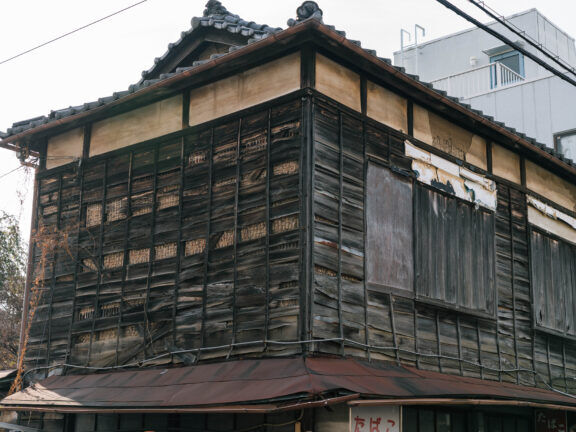
The Hidden Costs of Akiya Nobody Warns You About: Demolition, Repairs, Taxes, and More
Last Updated: September 16, 2026
Thinking about buying an akiya in Japan? Learn the hidden costs of vacant homes, including demolition, renovations, taxes, legal fees, and maintenance before you buy.
Table of Contents
Supervised By: Hiroki Kazato
Real Estate Expert
Thinking about buying a traditional Japanese house for less than a city apartment? You’re not alone. Tons of buyers around the globe are interested. Stories of homes costing just ¥1 and affordable countryside properties have caught everyone's eye, making it seem like owning a home in Japan is super cheap.
However, it is usually not the case.
Although akiya (empty houses) may seem like a good deal, there are usually additional costs involved that potential buyers should research before making a purchase. Buying an akiya should not be avoided due to additional costs; however, it is essential to understand the additional expenses that come with akiya ownership to avoid spending more money than expected.
In the following article, I will discuss some of the costs that first-time home buyers may overlook when purchasing an akiya in Japan.
Why Is This Akiya So Cheap?
There is one recurring question that often troubles first-time home buyers in Japan - why is this house so cheap? Unfortunately, the reasons can be different in each case, but the major ones are usually the same - the condition of a building is usually far from perfect.
There is a large number of vacant homes all over Japan. As a result of an aging population and a significant number of young people moving to bigger cities for employment opportunities, many houses and apartment buildings in the countryside are completely unoccupied for an extended period of time. In addition, many people who inherit a family home have little or no interest in maintaining or living in it.
As a result, some homeowners sell their properties at a significantly reduced price to get rid of them in order to avoid paying taxes and other expenses associated with a home ownership. In addition, many local governments are interested in reducing the number of vacant buildings. Akiya banks were created to address this issue and facilitate the purchase of vacant homes by connecting buyers with owners. Although the low price of such real estate may seem attractive, years of neglect significantly affect the condition of the building.
Therefore, wise buyers evaluate the total cost of ownership rather than the initial purchase price.
Hidden Cost #1: Structural Repairs
The main expense related to the purchase of an akiya is the cost of renovations and repairs.
Most of the vacant homes on the market have been abandoned for a long time and require significant structural repairs to be habitable. Many of the akiya listed on the market are in a poor state of preservation due to the lack of maintenance over a long period of time. In addition, natural factors such as moisture and insects can negatively affect the structural integrity of a building.
In most cases, akiya owners who wish to renovate and move into an old house are faced with serious and expensive repairs such as:
- Replacing or repairing beams
- Foundation repair
- Wall and floor repair
- Roof repair
- Damp proofing
- Mold remediation
- Termites/Infestation fixes
Japanese traditional wooden houses require high-quality maintenance and repairs to avoid serious problems such as rotting and mold. One of the challenges of maintaining such buildings is high humidity, especially in the absence of good air circulation.
In addition, many of the houses built several decades ago do not meet Japan’s modern earthquake safety standards. Therefore, when renovating such a house, it may be necessary to completely change its structural characteristics to meet seismic safety standards.
One of the most expensive types of repairs that may be necessary when renovating an akiya is related to the roof. Depending on the materials and design, roof repairs or complete replacement of roof tiles may be required. The costs of such repairs are usually among the highest because of the complexity of the work and the materials used.
Unfortunately, potential buyers cannot always tell the true state of preservation of an akiya by looking at its interior or exterior. Therefore, it is usually necessary to hire professional contractors to take a closer look at the building’s structure and identify potential structural issues.
It is also important to budget additional funds for akiya renovation that may be needed if structural repairs are more extensive than expected.
Hidden Cost #2: Demolition
Some akiya owners decide to completely demolish the building instead of renovating it. This option may be beneficial in some cases, but it is usually much more expensive than it seems at first glance. When buying an akiya, the potential buyer should always take into account additional costs associated with demolition if this option is available.
There are several factors that affect the cost of demolition:
- The size of the building
- The materials that the building is made of
- The ease of access to the building
- Local laws and regulations
- Whether hazardous substances such as asbestos are present
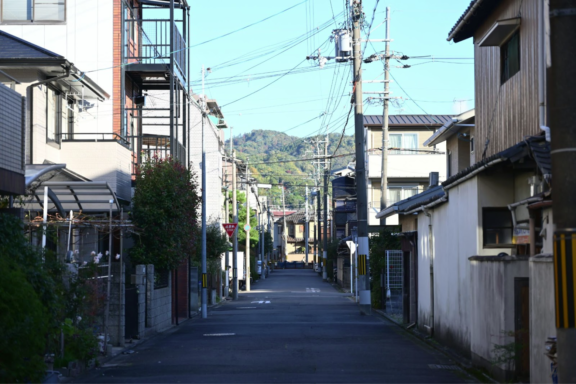
Older Japanese houses often contain asbestos, which must be removed by specially licensed contractors. This significantly increases the cost of demolition. In addition, the location of the building may affect the cost of demolition as well. Many akiya are located on narrow streets, which makes it difficult to transport demolition waste. As a result, the cost of manual demolition can be much higher than removing the building with large machinery.
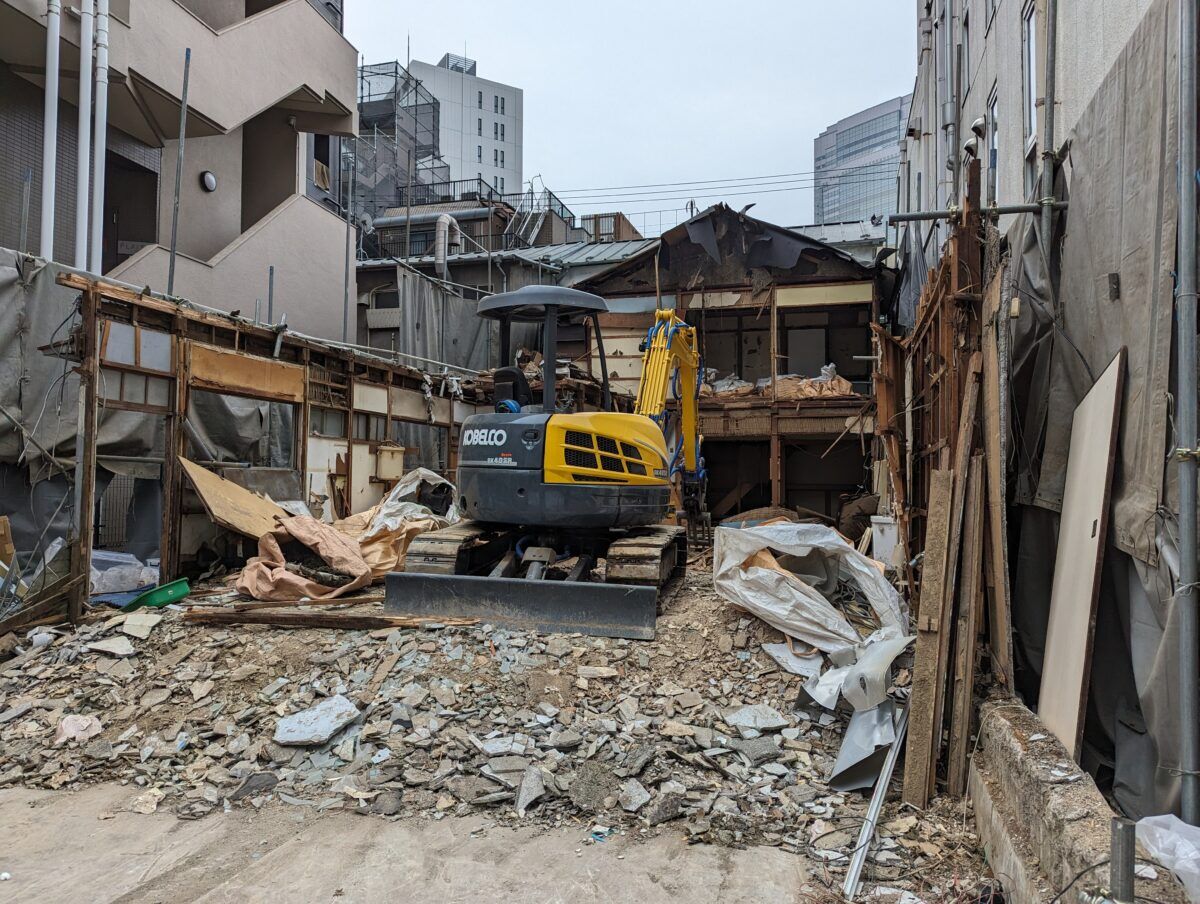
In addition to demolition itself, it is also necessary to consider the costs associated with preparing the site for construction. Another important point is that the demolition of an akiya can affect property taxes in Japan. Land with an existing building often has significant benefits in terms of taxation. After demolishing a home, these benefits may no longer apply until a new building is constructed.
Understanding the details of demolition is essential to understand all the additional costs of purchasing an akiya.
Budget Tip: Getting demolition quotes in advance can help you decide whether it makes sense to renovate an existing building or demolish it and erect a new one on the site.
Hidden Cost #3: Waste Removal and Cleanup
One of the unpleasant surprises that await akiya buyers is the amount of waste that they will have to dispose of. Unfortunately, many akiya owners do not leave their homes completely empty - some of them contain furniture, clothes, and other personal belongings.
It is not uncommon for buyers to find entire rooms full of old items when searching for an akiya. All of this will have to be disposed of, which will incur additional costs. In addition, the length of time the home has been vacant can affect the amount of waste. This mainly applies to objects made of wood and other organic materials that have deteriorated due to the effects of nature.
It is also important to remember that in Japan, the disposal of certain types of waste requires special transportation and incineration. As a result, the removal of furniture and other large objects may be significantly more expensive than expected.
When searching for an akiya, it is important to carefully inspect the property for potential sources of waste. Some owners hide trash or even entire cars in their storage buildings. In addition, many akiya owners leave their belongings in the garden or on the territory of the house, which will also have to be disposed of at the expense of the new owner.
If a potential buyer has hired professionals to remove waste, then the costs of cleaning can be much higher due to the presence of hazardous substances, mold, or other difficulties. Even small houses take a lot of time to clear of all clutter, after which renovation and repair work can begin.
Budget Tip: When looking for an akiya, it is necessary to take into account not only the state of the house itself but also the accompanying structures such as garages and sheds. The state of these buildings, as well as the garden, is a good indicator of the amount of waste that may be present.
Hidden Cost #4: Utilities and Infrastructure Upgrades
First-time akiya buyers sometimes get surprised when they learn that not all utilities are connected and ready to use upon arrival. Especially in older buildings, the current electrical capacity may be insufficient to support modern electronics and air conditioning. The home’s fuse box and wiring must be upgraded to handle the increased demand. Wiring issues are common in neglected properties. Water pressure in the plumbing system may need adjusting, especially if the home was unoccupied in a region where cold weather freezes the pipes. Homes in rural areas may require installation of septic tank systems (jokaso), a local alternative to public sewers. These systems must be inspected, maintained, and occasionally replaced.
Another utility to consider is gas. Depending on the region and the home’s location, gas may be supplied through city gas or liquefied petroleum gas (LP). You may need to reconnect existing supply lines or arrange for periodic maintenance to keep them in working condition.
Internet service is one of the most critical (yet frequently overlooked) considerations when buying an akiya home or vacant property. Although urban areas typically provide fiber internet options, sparsely populated regions may only allow wireless access.
Budget Tip: Before purchasing an akiya, make sure you understand the required improvements by asking a licensed inspector or contractor. This will allow you to estimate the renovation budget with greater precision.
Hidden Cost #5: Renovation Scope Creep
Any renovation project runs the risk of “scope creep,” meaning that the estimated budget does not account for all repair and improvement costs. “Scope creep” happens when extra expenses arise due to unforeseen circumstances.
For example, if you wanted to replace the kitchen cabinets but found rotting wood behind the walls, you would have to spend additional money to address dampness and structural damage. Older homes, in particular, were built with different materials and techniques that do not always comply with current safety standards.
Some of the most common renovation surprises include:
- Hidden structural damage beneath floorboards or tatami mats
- Water damage repair
- Old plumbing
- Electrical systems upgrades
- Roof framing issues
- Reinforcement of the building’s structure for earthquake safety
All these complications add up and may increase the renovation budget by a significant margin. Most problems discovered during the renovation process are not apparent before the start of the project. Exposed walls and floors reveal the true condition of the property, long-hidden structural issues, and potential safety hazards.
Experienced renovators know that a large renovation project typically requires at least an additional 10% “discovery” budget to be allocated for scope creep. This way, instead of trying to squeeze every yen for the renovation within the initially estimated budget, you would have extra funds to address the newly discovered damages.
Budget Tip: Some renovation experts suggest that you should always budget an additional 20% of the renovation cost for scope creep. Although this may seem like a lot, having extra money allocated for unexpected expenses may save you from having to revise the entire project budget.
Hidden Cost #6: Legal and Administrative Expenses
In addition to the visible renovation costs, there are also a number of legal and administrative expenses involved in buying an akiya. Similar to other real estate transactions in Japan, purchasing a vacant home or property requires the services of a judicial scrivener (shiho shoshi).
In some cases, you may also need to pay for:
- Property registration
- Registration/license tax
- Property survey
- Certified copies of documents
- Translation services
- Interpreter services if you are a foreign buyer
Some akiyas require additional legal attention and paperwork, for instance, if the ownership of the property is divided between multiple heirs. In the case of inheritances, each owner will need to sign the purchase agreement, which can take significantly longer to finalize. Boundary disputes with neighbors are also possible, which can add time and legal costs to the transaction. To resolve such issues, you may need to hire a licensed surveyor to mark the exact property boundary before finalizing the purchase.
While these expenses constitute only a small percentage of the overall akiya purchase price, they are nonetheless significant and should be accounted for in your budget.
Budget Tip: A qualified real estate agent with experience in akiya sales can help you identify potential legal and administrative costs associated with the purchase. You may also want to ask for their advice regarding the most reputable judicial scrivener and surveyor in the region.
Hidden Cost #7: Taxes and Ongoing Ownership Costs
Although the initial purchase of an akiya is only the beginning, some buyers fail to account for the ongoing ownership costs after buying the property. The most important tax associated with akiya ownership in Japan is the Fixed Asset Tax (Kotei Shisan Zei). This property tax is levied on all forms of real estate, including vacant land. In addition to the Fixed Asset Tax, some akiyas may also be subject to the City Planning Tax.
Some of the most common (but frequently overlooked) ownership costs associated with akiya homes include
- Insurance
- Earthquake insurance
- Roof repairs and replacements
- Painting the building’s exterior
- Pest control measures
- Yard maintenance
- Snow removal
- Septic tank inspections, if applicable
Even if you only want to use the vacant home or property as a vacation home, you must still factor in the maintenance and repair costs that come with regular ownership. Due to Japan’s high humidity, a vacant home without proper maintenance and ventilation will quickly become a moldy and damp ruin. Many akiya owners arrange to have their property inspected by local contractors at least once a year. Others may hire professional local property managers to make sure the building is kept in good condition.
Although the annual maintenance fees may not seem like much, they begin to add up after several years of ownership. As such, they must be factored into your akiya ownership budget.
Budget Tip: In addition to the costs associated with purchasing and renovating an akiya, make sure to estimate your annual ownership budget to see the total cost of living in Japan.
Hidden Cost #8: Time Can Be Expensive
When considering the purchase of an akiya, many buyers only factor in the renovation and maintenance costs associated with the home or property. One of the major expenses that frequently comes as a surprise to first-time akiya buyers is the opportunity cost of their time spent on the renovation.
The amount of effort and time required to renovate an akiya home or vacant property depends on several factors. Coordinating the renovation process, finding reliable contractors and suppliers, and obtaining permits can take months, if not years. In some rural areas, local contractors are in such demand that you may not be able to start the project right away.
The time spent on the akiya renovation project can also become an issue if you are not a resident of Japan. Flights, accommodations, and travel expenses add up, particularly if you have to visit the property several times to inspect the progress or review the renovation contract.
Communication can also become an issue if you do not speak Japanese. Although many local real estate agents and contractors are familiar with English-speaking buyers, interpretation services may not always be available, especially for small local businesses.
For some buyers, the value of hiring a local project manager or akiya renovation consultant outweighs the additional costs. In particular, a personal representative can help you communicate with local contractors, provide you with renovation advice, and oversee the progress to make sure everything is done to your standards. Although this may be an additional expense, it can greatly reduce the overall cost of the renovation.
Time is one of those expenses that often gets overlooked by akiya buyers. Although it does not appear on any invoice or receipt, the opportunity cost of spending months or years on the akiya renovation can be substantial.
Things to Consider
Despite the potential risks and expenses, akiya homes and vacant properties can still be an excellent investment for those who understand the market conditions. An increasing number of buyers are turning to akiya renovation as a way to secure a permanent residence, enjoy the Japanese countryside lifestyle, or supplement their income with vacation rentals.
An akiya home or vacant property can be a good investment if:
- You are considering long-term residency
- You have sufficient renovation budget,
- You are able to rely on the expertise and advice of local professionals
- You want to take advantage of government incentives for akiya renovation
- You enjoy renovating old buildings
- You value character and traditional architecture over the new construction
Many local governments offer financial support to incentivize the purchase and renovation of vacant homes and properties. The type of assistance varies depending on the region, but it may include subsidies or low-interest loans for the renovation, seismic retrofitting, relocation costs, and even running a small business from the renovated space.
Before purchasing an akiya, it is a good idea to research the available government programs and ask local government officials for more information.
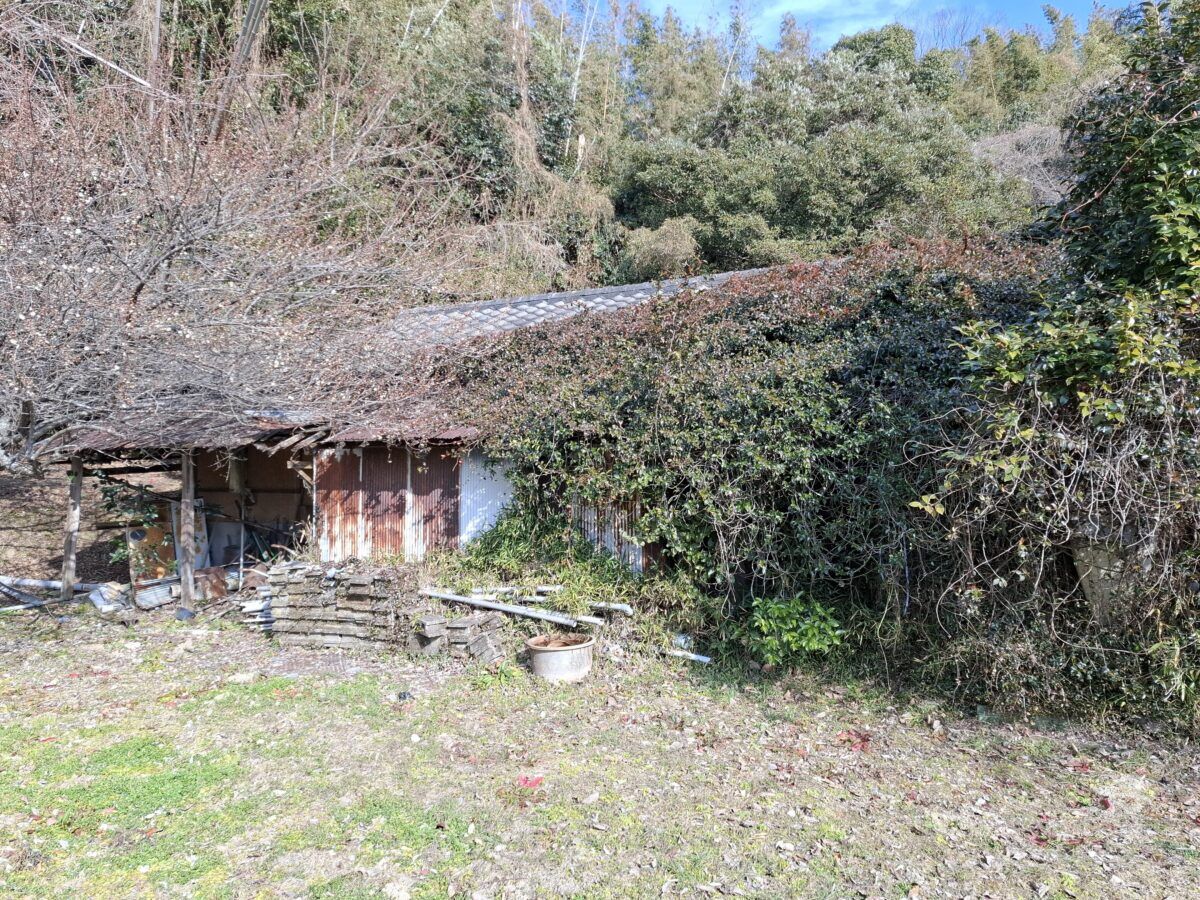
What to Watch Out For When Buying an Akiya?
Before buying an akiya, a thorough inspection of the property is essential. During the inspection, pay special attention to the following:
- Foundation cracks
- Uneven or tilted floors
- Roof damage
- Water stains on the ceiling
- Musty odor (a potential sign of mold)
- Visible signs of termite damage
- Rotten wooden beams
- Overgrown vegetation
- Standing water near the building’s foundation
- Illegal extensions
- Property boundary disputes
- Missing or incomplete legal documents
- Insufficient road access for large equipment
Although this list may seem overwhelming, keep in mind that many of the issues on it are cosmetic and do not always require expensive repairs. At the very least, an inspection will help you identify the potential repair costs so that you can revise your renovation budget accordingly.
Final Thoughts
Vacant homes (akiya) are an increasingly popular acquisition due to their relatively low price. However, buyers should be aware that the purchase price is only one of many expenses associated with an akiya. Additional repair, renovation, and improvement costs can add up to several times the value of the property.
However, this shouldn’t scare you off from looking at an akiya. Instead, it shows how important planning is. By working with experienced real estate pros, getting thorough inspections, researching local rules, and setting a solid budget, you can make smart decisions and dodge many surprises that first-time buyers often face. The best akiya purchases aren’t just the cheapest. They’re the properties where your total investment matches your goals, budget, and future plans. When done right, an akiya can be more than just an affordable house. It can be a great chance to create a home that reflects your vision while preserving a unique piece of Japan’s architectural charm.
Source
- Ministry of Land, Infrastructure, Transport and Tourism (MLIT)
- Japan Akiya & Inaka Network
- Real Estate Information Network System (REINS)
- National Tax Agency of Japan
- Japan Housing Finance Agency
- Real Estate Japan
- Statistics Bureau of Japan
- Ministry of Internal Affairs and Communications
- CBRE Japan Research
- Savills Japan Research
- Japan Property Central
Our team of seasoned professionals at PropertyAccess is dedicated to helping you navigate Japan’s real estate market with confidence.
With deep local knowledge and a commitment to personalized service, our experts are here to guide you every step of the way.
Book a Free Consultation Session with Our Team!