- Others
Which Area Should You Invest In? City vs. Countryside Properties in Japan
Last Updated: October 23, 2026
Are you thinking of investing in real estate in Japan? The area of your property can have a significant impact on your investment returns. Urban locations can pose higher returns but come with greater acquisition costs. While rural locations come with more affordable costs but offer lower liquidity. Choosing which aligns with your goals is key to a good investment.
Table of Contents
Japanese property: city or countryside? Choosing between these two real estate investment options requires understanding their main differences. First among these is the attractiveness of these properties for rent and future resale. Moreover, the state of the local housing market and infrastructure development, the maintenance costs and the risk of unsold property need to be examined. Finally, investors considering buying houses in Japan in 2026 should research the pros and cons of this business decision regarding the specific location – city or countryside.
City or Countryside: Benefits of the City Investment
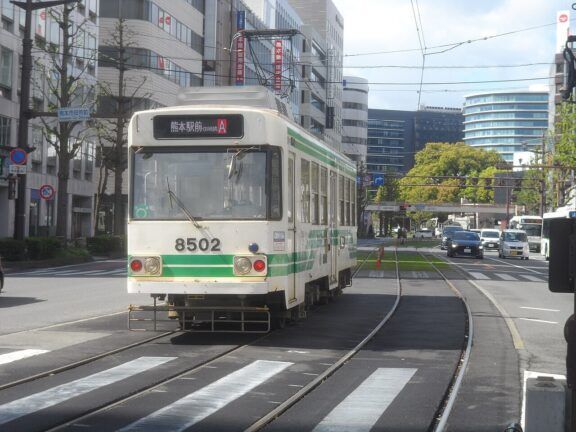
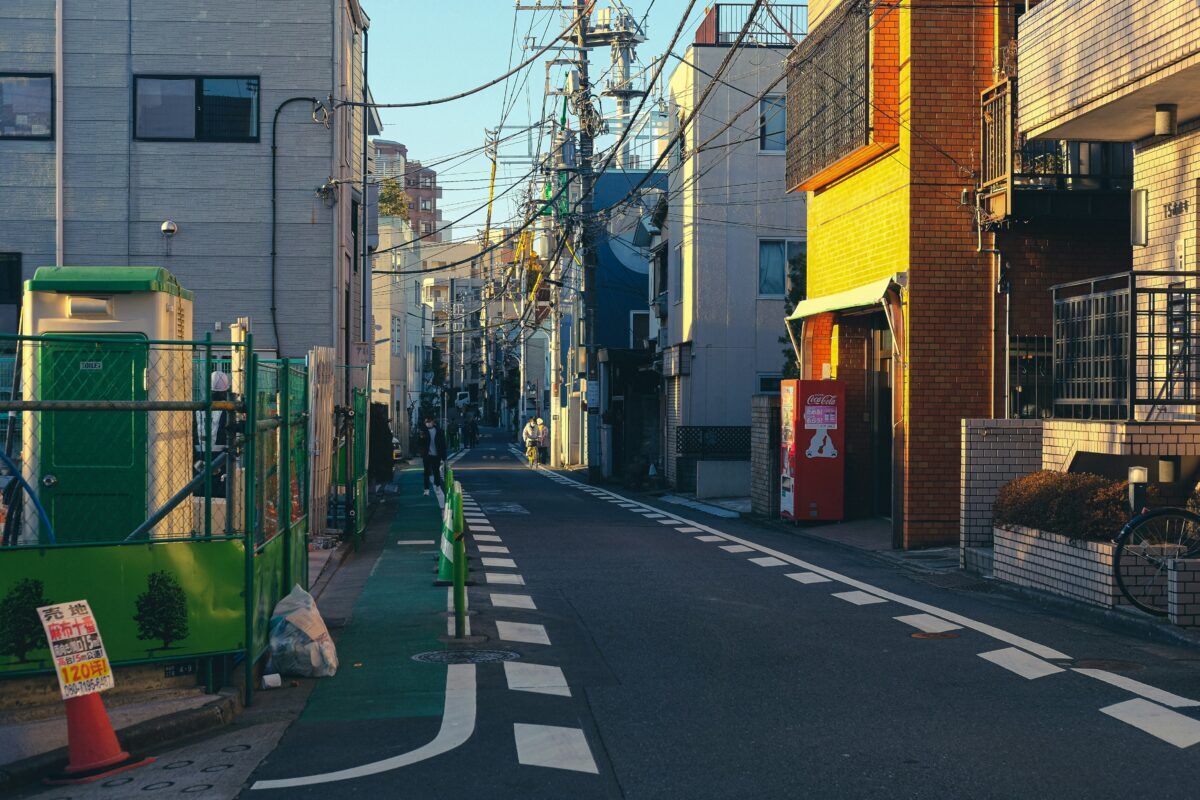
The most sought-for investment properties are located in Japan’s largest cites, Tokyo and Osaka. Both these cities have well-developed transport, commercial, business, and service sectors in addition to a vast choice of schools. These features guarantee regular demand for new properties in these local markets.
Other fast-growing business centers such as Fukuoka and Nagoya attract local and overseas investors who seek residential and commercial properties in Japan. Within larger cities, the demand for investment may vary depending on the offered address. Properties in large cities have better chances of receiving better offers for rent from business professionals and students, or a high yield at resale. However, the purchase price depends significantly on the property’s location and size of the target client – the local job market and population size.
The City Advantage: Diving Into Urban Investments
1. Appreciation Potential of Desired Property
The chosen property’s value increases if it is located in a desirable area or a rising residential district. In these districts, residential buildings are newly built or under renovation, and there is good demand. According to a minister of Land, Infrastructure, Transport and Tourism, Japan, since recovery began several years ago, Japan’s land prices have increased.
The investor’s perception of the property’s growth prospects depends on several aspects, including the area’s appeal and the property’s type, size, location, and purchase price. Therefore, investors should research recent sales of similar property in their target market to identify realistic expectations for the appreciation of their own property and avoid overestimation of their own.
2. Demand for Rental
High demand for rental properties in a desirable area guarantees excellent conditions for selling or renting. It is vital to examine the local vacancy rates and analyze similar property’s current rent rates to identify the demand for such a property type in a specific city. For example, cities have a significant number of job vacancies, which may entice business professionals to consider renting an apartment in their new workplace region.
The analysis of cities’ population and local job market trends helps to avoid overestimating the demand for your type of property in a target local market. Although a city may have an excellent vacancy rate, it does not mean that all types of properties, areas, or landlords are suitable. It is essential to ensure that a specific property can attract renters to obtain stable income. Even in a high-demand city, an overestimated or unpopular property purchase may become an illiquid investment.
3. Access to Infrastructure
Landlords’ access to transport, employers and employees, services, and other facilities is also significant for the city’s property. An investment property located near a train or bus stop, in a district with a growing business center, or near hospitals and bars is more likely to have a consistent supply of renters or buyers due to its favorable location. A large-scale infrastructure development project improves future prospects for investment properties. It is vital to keep in mind that these projects’ implementation dates can be subject to change.
Pros
- Opportunity for appreciation: growing districts and infrastructure.
- Regular demand: students, offices, and bars.
- Easy Access: train, business areas, and services.
- Risk of relative price overestimation: stable income forecast despite appreciation.
City Versus Countryside: Drawbacks of City Property Investment
1. Increased Entry Cost and Rental Yield
Although a property in a highly populated area promises regular demand, its entry costs are unattractive for many investors. It is vital to remember that purchasing such real estate requires sufficient funds, including closing costs, down payments, financing, insurance, and management fees. Properties in desirable areas have high entry costs and yield relatively low rental income, decreasing profit. Therefore, investors must analyze the forecasted profit from such a property.
2. Increased Competition among Investors
High demand for large city properties attracts not only first-time landlords but also sophisticated investors, including private owners and corporations. However, competition among these market players reduces the likelihood of finding undervalued properties with reasonable yields. In this case, it is not enough to choose a random city property that seems desirable. Instead, investors should carefully research the local market and analyze the financial and material performance of several similar properties in their target market areas to ensure they invest in the most promising real estate.
3. Fluctuations in Appreciation
Large-scale city property transactions can experience rapid appreciation, which makes their entry price difficult to estimate accurately. Moreover, if property prices grow faster than the local renters’ interest, the landlord may experience losses.
City’s property investment is subject to risks associated with interest rates and changing tenant preferences. Thus, investors should carefully evaluate the potential for a steady income for the purchased property even if the value of this particular property does not appreciate.
The Countryside Perspective: Exploring Rural Investments
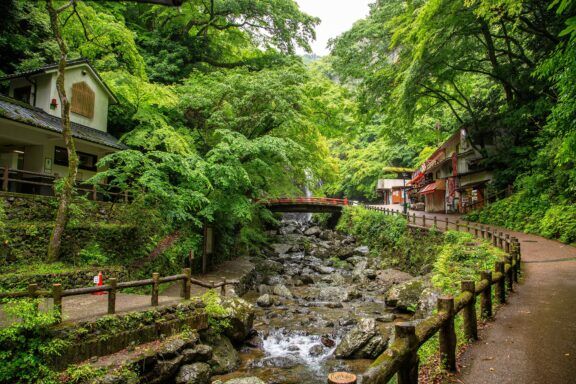
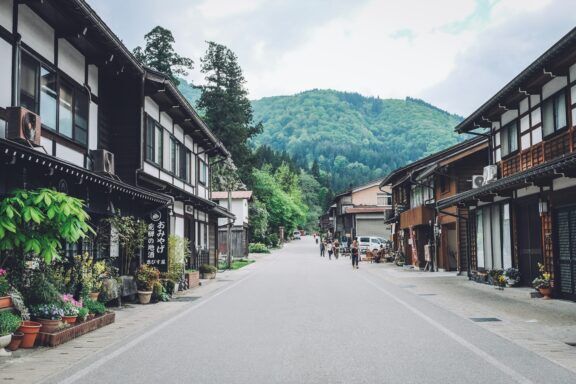
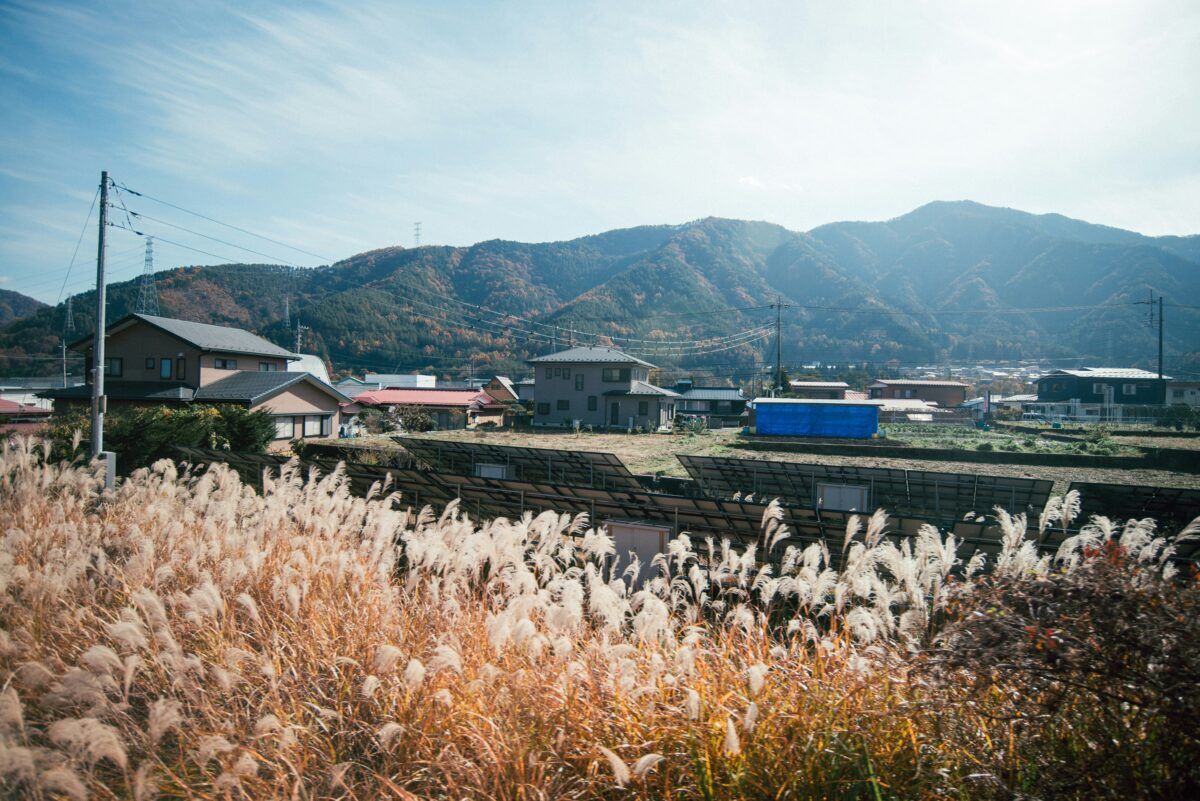
Japan’s countryside offers multiple investment property options. An apartment for rent or a house for sale in the countryside can be a great value due to their relatively low purchase price. Some districts and towns are undergoing a significant boom in terms of tourism and housing development due to their proximity to nature, ski resorts, and other recreational facilities. For instance, Hokkaido has become a popular tourist destination. However, the conditions for the successful investment in this area are interpreted differently depending on the town’s current development. As in big cities, countryside landlords must ensure that the target property’s demand forecast allows for steady income. In this case, the main advantage of the property in a small city is its low starting price.
1. Lower entry cost: opportunity for purchase.
2. Opportunities for renovation: renovation and redevelopment grants.
3. Local lifestyles and traditions: additional attraction for this area’s culture.
4. Vacational opportunities: high visitor numbers in specific seasons.
Investing in the Countryside: Drawbacks of Property Investment
1. Limited Demand and Population Decline
Since Japan’s population growth is declining, the supply of renters and buyers is limited. This issue is especially relevant for rural areas, where the aging and migrating population decreases housing demand. Thus, these areas’ housing value is forecasted to decrease. Some towns have overcome this issue by developing tourism: the popularity of these resort towns forecasted their future value with steady profitability. Although the population declined in these towns, the value of land and housing increased. The degree of risk depends on the area’s specific housing supply and its demand. The likelihood of vacancy depends on the area’s population, employers, and their turnover rate. For this reason, it is essential to research the local population and job market forecast before purchasing property.
2. Low Liquidity of Investment
The liquidity level determines how fast the landlord can resell the property to another landlord or buyer. The countryside’s smaller population and a higher percentage of owner-occupied housing decreased liquidity levels. Moreover, non-resort areas’ unique housing designs or locations may affect the likelihood of finding a suitable buyer. A vacant and unsold property is challenging to rent again. To avoid a long-term vacancy, especially during off-season, landlords should ensure that the property can attract new renters. Thus, before purchasing a property in the countryside, an investor should research the projected supply and demand levels for the housing in the town. Additionally, an investor should consider the property’s current state to evaluate additional repair costs before renting or selling it.
3. Expenses Required for Renovating Old Housing
Vacant housing with the excellent location or potential to renovate has better value than an outdated single-family dwelling. Properties with the excellent renovation potential attract landlords and renters at different price ranges due to the different housing demands. It is essential to provide an accurate estimate of renovation or redevelopment costs based on the intended use before purchasing such a property. Moreover, it is vital to ensure that the purchase of such a property within the given budget range is a wise investment decision. Thus, investors should consult with professional renovators to obtain renovation cost estimates for the property in the specific condition they will purchase.
4. Lower Lessor Attraction and Management
The lack of long-term renters in a town increases the risks associated with this property. Such a property’s demand level is lower than the average housing demand. As a result, a landlord should be prepared for a lower rental yield during seasons with low tourist activity and long-term vacancies. These factors are especially relevant for properties in hard-to-reach areas without developed infrastructure. A landlord should also consider additional expenses associated with the location, including property management and maintenance, to ensure stable income. Thus, distance and low attractiveness of the town should be considered in the investor’s final decision.
Our team of seasoned professionals at PropertyAccess is dedicated to helping you navigate Japan’s real estate market with confidence.
With deep local knowledge and a commitment to personalized service, our experts are here to guide you every step of the way.
Book a Free Consultation Session with Our Team!