Rental Yields in Tokyo vs Regional Japan: Where Should You Invest in Residential Property?
Last Updated: September 16, 2026
Compare residential rental yields in Tokyo and regional Japan. Learn how property prices, rents, vacancy risk, population trends, and expenses can affect your investment returns.
Table of Contents
Supervised By: Hiroki Kazato
Real Estate Expert
Tokyo and regional Japan offer two very different approaches to residential real estate investment.
Tokyo generally delivers lower rental yields because property prices are significantly higher, particularly in central neighborhoods. In exchange, investors gain access to Japan's deepest tenant market, strong liquidity, and relatively stable long-term demand.
Regional cities can offer higher gross rental yields because acquisition costs are often lower while rental demand remains healthy in selected urban markets. However, regional Japan is not one market. A growing city such as Fukuoka is very different from a smaller city facing population decline and weaker tenant demand.
The key is not simply finding the highest yield. You need to balance rental income with property prices, vacancy risk, expenses, long-term demand, and your eventual exit strategy.
Where Should You Invest in Residential Property?
For many people considering residential real estate investment in Japan, rental yield is one of the first numbers they look at. It is easy to understand why.
A property may look affordable and attractive, but you still need to know how much income it can realistically generate compared with what you paid for it. This is where the comparison between Tokyo and regional Japan becomes especially interesting.
Tokyo is Japan's largest and most liquid residential property market. It has a huge tenant base, strong employment, excellent transportation, and continued demand for housing. But Tokyo's popularity also comes with a cost. Property prices are high, which can reduce the rental yield you receive relative to your purchase price.
Regional Japan can offer a very different equation.
In cities such as Fukuoka, Sapporo, Sendai, Hiroshima, and other major regional centers, investors may find lower acquisition prices and potentially stronger gross rental yields.
The trade-off is risk. A higher yield does not automatically mean a better investment. A property generating a 6% gross yield in a shrinking market may carry more risk than a property generating a lower yield in a well-connected Tokyo neighborhood with consistently strong tenant demand. That is why yield should never be the only number guiding your decision.
Let's take a closer look at how Tokyo and regional Japan compare.
What Is Rental Yield?
Before comparing locations, it helps to understand what rental yield actually means. The most common figure you will see is gross rental yield.
The basic calculation is:
Annual Rental Income ÷ Property Purchase Price × 100 = Gross Rental Yield
For example, imagine you purchase an apartment for ¥30 million.
If the property generates ¥1.5 million in annual rent: ¥1.5 million ÷ ¥30 million × 100 = 5% gross rental yield
It is a useful starting point, but it does not tell you the whole story. You still need to account for expenses that affect your actual return.
These may include:
- Property management fees
- Building maintenance fees
- Repair and renovation costs
- Property taxes
- Insurance
- Vacancy periods
- Leasing and tenant acquisition costs
- Other operating expenses
This is why net yield is often more useful when you are making a final investment decision. A property with an attractive gross yield can become much less profitable once you factor in operating costs and periods without a tenant. Still, gross yield gives you a helpful way to compare different markets. And this is where Tokyo and regional Japan begin to show very different characteristics.
Tokyo: Lower Rental Yields, Higher Property Prices
Tokyo's residential market remains one of the strongest in Japan. The city attracts people for employment, education, business, and lifestyle. Its enormous transportation network also allows people to live across a wide area while remaining connected to major employment centers. This creates deep and diverse rental demand.
However, Tokyo's property prices are high. That has a direct effect on rental yields. Even when rents are strong, the purchase price of a property can be so high that the rental income represents a relatively smaller percentage of your investment. Recent rental yield data illustrates this clearly.
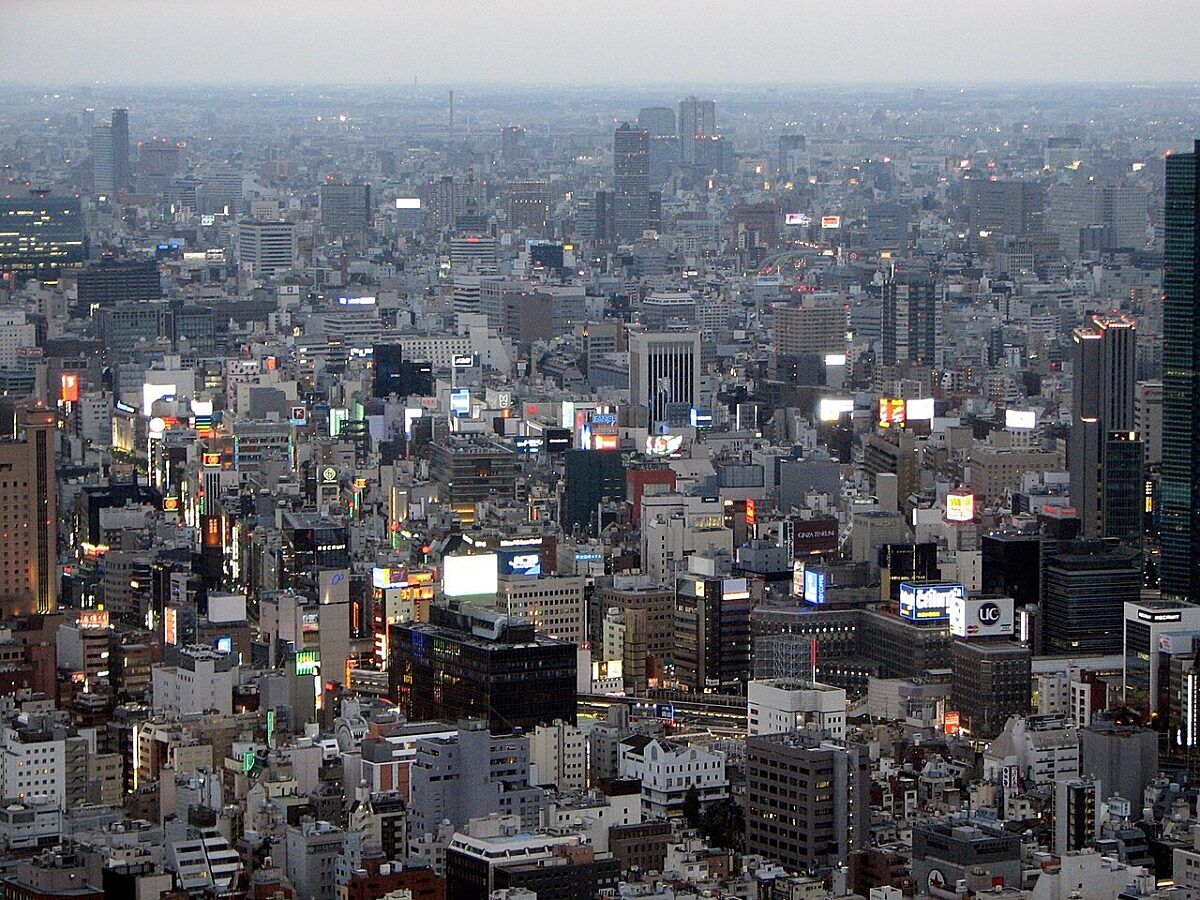
Global Property Guide's September 2026 data places Tokyo's average gross residential rental yield at approximately 3.27%, compared with a national average of around 4.55%. The figures also show significant differences within Tokyo itself, depending on the ward and property type. Central Tokyo tends to produce lower yields because property prices command a premium. Meanwhile, some parts of the outer wards can offer more attractive income returns.
This highlights one important lesson for investors:
- Tokyo is not one single rental market.
- A luxury apartment in Minato is a completely different investment from a compact apartment in Katsushika, Adachi, or Edogawa.
- The first may offer stronger prestige and long-term capital preservation.
- The second may offer a better relationship between rental income and purchase price.
Why Investors Still Accept Lower Yields in Tokyo
At first glance, a lower yield may sound like a disadvantage. But investors do not choose Tokyo only for rental income. They are also investing in stability. Tokyo offers several advantages that can justify accepting a lower initial yield.
Strong Tenant Demand
Tokyo has Japan's deepest pool of renters. Young professionals, students, corporate employees, entrepreneurs, and international residents all contribute to housing demand. A well-located apartment near a major train station can appeal to a large pool of potential tenants. That does not eliminate vacancy risk completely, but strong demand can make it easier to replace tenants when they move out.
Greater Market Liquidity
Tokyo generally has a larger pool of potential buyers when it is time to sell. This matters more than many investors realize. A property can generate excellent rental income, but if there are very few buyers when you want to exit the investment, your overall return may suffer. Tokyo's large and active property market gives investors more potential exit options.
Long-Term Capital Preservation
Tokyo's most desirable neighborhoods benefit from limited land, concentrated employment, and strong infrastructure. These fundamentals continue to attract both domestic and international capital. CBRE's 2026 research shows that Japan's residential investment market remains highly attractive, with rental housing continuing to draw investors because of its scale, liquidity, income stability, and growth potential. For many investors, that stability is worth accepting a lower yield.
Tokyo Has Strong Demand, But Property Choice Is Key
Just because the Tokyo market is strong doesn’t mean every property is a safe bet. A poorly located apartment can see lower demand, while an old place needing a lot of upkeep can hurt your profits. A property far from public transport might not attract many renters.
Even in a massive city like Tokyo, tenants have choices. That’s why location is key in residential investing. The best properties in Tokyo usually have:
- Easy access to train stations
- Close to job centers
- Good neighborhood features
- Practical layouts
- Solid building management
- A clear idea of who your tenants are
The same goes for regional cities, but Tokyo usually has a bigger pool of potential tenants.
Investors Are Looking Beyond Central Tokyo
Japan’s rental market is still a big draw for investors. CBRE reported investment in rental housing hit a record ¥904.3 billion in 2025 due to its size, stability, income reliability, and potential rental growth. Transaction yields in both Greater Tokyo and regional cities are also compressing.
This shows that investors are branching out beyond the pricey central spots for better income returns. They’re not ditching Tokyo; they’re just getting pickier, comparing cities and neighborhoods carefully for a better balance between property prices, rental demand, and long-term potential.
Tokyo's Lower Yield Can Still Give You Better Overall Returns
It might sound strange, but a property with lower rental yield could actually be a smarter investment. What matters is the overall return your investment gets, which comes from two main sources: rental income and price appreciation.
Sure, a Tokyo property might have a lower yield each year, but it could also see stronger price growth over the long haul. Meanwhile, a property in a regional area might offer a higher yield but not appreciate as quickly in value. Remember, there's no guarantee for either situation. That’s why just looking at yields can be misleading.
Let’s say we look at two examples:
Investment A: Tokyo
- Price: ¥50 million
- Yearly rent: ¥2 million
- Gross yield: 4%
Investment B: Regional City
- Price: ¥25 million
- Yearly rent: ¥1.5 million
- Gross yield: 6%
Investment B offers better rental returns, but what if the value of the Tokyo property skyrockets while the regional one stays flat? Your overall return might look way better for the Tokyo property in the end. If cash flow is your top concern, then the regional property might still be the way to go. Always keep your investment goals in mind before focusing on yields.
Read More
Top 8 Tokyo Neighborhoods to Purchase Real Estate
Regional Japan: Why Higher Rental Yields Are Possible
Regional Japan can offer a more attractive starting point for investors focused on income. The main reason is straightforward. Property prices are often lower. If rental demand remains reasonably strong, lower acquisition costs can produce higher yields. Recent data shows this difference clearly.
According to Global Property Guide's 2026 data, several major regional cities recorded average gross yields above Tokyo's approximate 3.27% average. Fukuoka averaged around 4.77%, Sapporo around 5.03%, Yokohama around 4.97%, and Osaka around 4.78%.
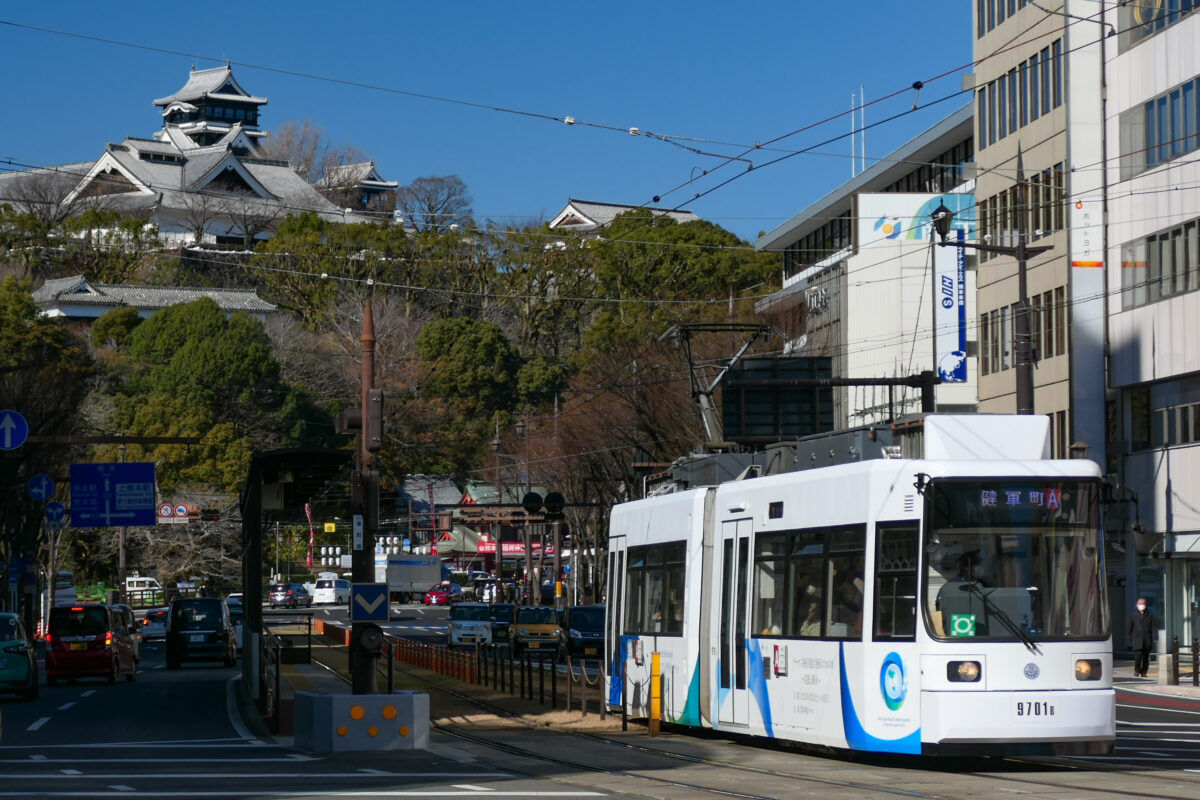
These figures should be treated as market indicators rather than guaranteed investment returns. Actual yields will depend on the exact property, neighborhood, building age, purchase price, and rental income. Still, the broader trend is clear. In many regional cities, your investment capital can potentially generate more rental income relative to the purchase price. However, there is one important warning. Regional Japan is not a single market. Fukuoka is different from Sapporo. Sapporo is different from Sendai. And a major regional city is completely different from a small town experiencing significant population decline.
The best regional opportunities are usually found in cities with strong economic fundamentals, not simply in locations where properties are cheap.
Fukuoka: A Strong Balance Between Price and Demand
Fukuoka is frequently mentioned as one of Japan's most interesting regional residential markets. The city benefits from a strong urban economy, a large student and professional population, and a growing reputation as a business and startup center. It also offers a more accessible entry point than central Tokyo. For investors, this creates an appealing balance. Property prices can be lower than those in Tokyo, while rental demand remains supported by employment, education, and population concentration. Global Property Guide's 2026 data places Fukuoka's average gross residential rental yield at approximately 4.77%, noticeably above Tokyo's average. That does not mean every property in Fukuoka is automatically a good investment.
Location still matters. You should look carefully at where people want to live.
- Are major employers nearby?
- Is the nearest station convenient?
- Are there universities or business districts within easy reach?
These questions matter far more than simply knowing that a property is located outside Tokyo.
Read More
The 7 Best Areas to Live in Fukuoka for Foreigners
Sapporo: Higher Yield Potential at a More Accessible Price
Sapporo is another major regional market that attracts investor attention. As the largest city in Hokkaido, it has a substantial urban population and serves as the region's economic and administrative center. Property prices can be considerably more accessible than those in central Tokyo. That can create attractive gross rental yields.
According to Global Property Guide's 2026 data, Sapporo's average gross residential rental yield was approximately 5.03%, making it one of the stronger-performing major cities in the comparison. However, Sapporo also demonstrates why investors need to look beyond yield. Regional cities have different climates, building requirements, and operating costs. In colder areas, for example, heating, insulation, snow management, and building maintenance can all affect your expenses. A higher gross yield can quickly become less attractive if operating costs are unusually high.
This is why you should always move from gross yield to a realistic estimate of net income before making a final decision.
Read More
The 7 Best Areas to Live in Hokkaido for Foreigners
Your Investment Budget Can Go Further in Regional Japan
One of the clearest advantages of investing outside Tokyo is purchasing power. Your budget may buy a small apartment in a desirable Tokyo neighborhood. That same amount could potentially buy a larger property or several units in a regional city. This gives you more flexibility.
Depending on your investment strategy, you may be able to consider:
- Multiple smaller residential units
- A small apartment building
- Properties in different neighborhoods
- A combination of established and emerging locations
Diversification can help reduce your exposure to the performance of one property or tenant. However, buying more property does not automatically make your investment safer. Managing several units can require more time, stronger local knowledge, and professional property management. You should include those costs in your financial calculations. The goal is not simply to buy more property. The goal is to buy property that can generate sustainable income.
The Best Regional Strategy Isn't Just "Buy Outside Tokyo"
This is key: Regional Japan isn’t one single market. Don’t jump into buying any city outside Tokyo thinking it’s a goldmine. Look for cities with strong fundamentals.
What a good regional residential market has:
- A solid population
- Good job opportunities
- Convenient transport options
- A clear idea of who will rent
- Sustainable demand over the long haul
Ask yourself: Will people still want to live here in 10 years? That question should guide your regional investment choices.
Vacancy Risk: The Key Difference Between Strong and Weak Regional Investments
Vacancy is a big risk in regional Japan. That said, not every regional city has low rental demand; many major cities have solid rental markets. The issue becomes critical when moving away from the big urban areas, especially since Japan's population is getting older and some areas are losing residents fast.
So, don’t buy just because the yield looks good. A ¥5 million property sitting empty for months can cost you way more than a ¥30 million property that’s always rented out.
Before investing in a regional property, think about these questions:
- Is the local population growing or shrinking?
- What drives the local jobs?
- Are younger folks moving in?
- Are there universities nearby?
- How good is public transport?
- Is there a lot of rental competition?
- Who are you trying to rent to?
These questions will help you find a real opportunity instead of a cheap property with bad fundamentals
Tokyo vs. Regional Japan: A Simple Breakdown
Tokyo | Regional Japan | ||
|---|---|---|---|
| Strengths | Weaknesses | Strengths | Weaknesses |
| Wide tenant demand | High purchase prices | Cheaper purchase prices | Market variations can be greater |
| Strong market liquidity | Lower yields in top neighborhoods | Potential for higher rental yields | Higher vacancy risks in shrinking areas |
| High international investor interest | Stiff competition for good properties | More bang for your buck | Smaller seller pool |
| Great transport links | Higher capital needed | Strong chances in certain major cities | More local market research needed |
| Strong long-term market factors | Better cash flow potential | Some areas facing population decline | |
| Easier resale in desirable places | |||
If you value stability, liquidity, and long-term potential, Tokyo could be your best bet. If you want income and are up for some serious research on local markets, regional Japan may work better for you.
Which Strategy Is Right for You?
Your decision really comes down to what you want from your investment.
Choose Tokyo if you want:
- Long-term stability
- Strong demand from tenants
- Better market liquid
- Easier resale potential
- Access to Japan’s major residential market
You might accept a lower yield because the market feels more stable.
Choose Regional Japan if you want:
- Higher potential yields
- Better cash flow
- Lower buying costs
- More property options
- Chances in growing regional cities
You might take on some risks for possibly better income returns.
Final Thoughts
When comparing rental yields in Tokyo and regional Japan, remember that the highest number isn’t always the best choice. Tokyo usually needs a bigger upfront investment, but it gives you access to a solid market with a huge tenant base and long-term demand. Meanwhile, regional Japan may have lower prices offering better yields and cash flow in the right cities. Just make sure to do your homework.
A high yield in a declining area could be a red flag instead of a gem. The key is looking past the yield. Check the purchase price, rental income, expenses, vacancy risks, population trends, and how you plan to exit. If you want long-term stability, Tokyo is a tough option to beat. If you’re after stronger income and lower entry costs, carefully chosen regional cities could be great.
In the end, the best investment isn’t just in Tokyo or regional Japan. It’s in the spot where price, demand, income, expenses, and long-term outlook blend well together.
Source
- Japan Ministry of Land, Infrastructure, Transport and Tourism — Land Price and Real Estate Market Information
- CBRE Japan — Rental Housing Investment Fundamentals Remain Strong Despite Japan's Aging Population
- CBRE — Japan Cap Rate Survey, June 2026
- CBRE Japan — Japan Investment MarketView Q1 2026
- CBRE — Japan Market Outlook 2026
- Global Property Guide — Gross Rental Yields in Japan: Tokyo and Major Cities
- Global Property Guide — Japan Rental Yields: City-by-City Performance
- CBRE — 2026 Asia Pacific Real Estate Market Outlook Mid-Year Review
Our team of seasoned professionals at PropertyAccess is dedicated to helping you navigate Japan’s real estate market with confidence.
With deep local knowledge and a commitment to personalized service, our experts are here to guide you every step of the way.
Book a Free Consultation Session with Our Team!