- 지역 가이드
Kitayama, Kyoto: A Stylish Northern District Where Nature, Culture, and Refined Living Meet
Last Updated: 10월 23, 2026
A definitive guide to Kitayama - a refined Kyoto neighborhood known for leafy boulevards, modern design culture, scenic parks, and relaxed residential living.
목차

Supervised By: 카자토 히로키
Real Estate Information
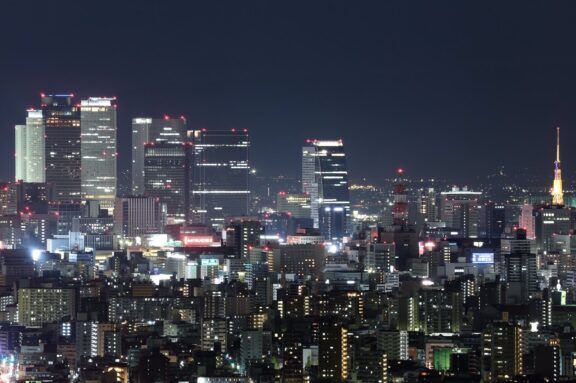
Kitayama is one of the posh neighborhoods in Kyoto and is located in the northern part of the city. It’s got beautiful tree-lined streets, trendy cafés, cultural spots, and is super close to mountains and gardens. It gives off a chill vibe while still being connected to the rest of Kyoto.
Few areas feel quite like this one - home offices sit beside small bread makers, where morning light hits flower boxes on old windowsills. Life moves at a pace that lets you notice trees growing between buildings, while neighbors stop mid-step just to chat. A café hums near a row of townhouses, their doors painted different shades of calm. Folks around here value space that breathes, even when surrounded by sidewalks and glass.
Close to Kitayama, you will find spots such as the Kyoto Botanical Gardens along with Kinkaku-ji, one of the city's best known temples. Getting around becomes simple by subway, opening paths toward Kyoto Station and central shopping zones.
If you’re after calm but still want city access, consider Kitayama. Spotting where it sits on the map tells part of the story - close enough, yet set apart. The mood here moves slow, shaped by backstreets and local shops. Temples peek between houses; mornings start quiet. Daily life runs smooth for those who like space to breathe. Rents? They climb, though not at downtown pace. Foreigners often notice how few fellow expats pass by. Schools are nearby, groceries within reach. Language helps, even if signs sometimes do not. Living here means trading crowds for comfort, just minutes from busy hubs.
Read More
Iwakura, Kyoto: A Quiet Northern Retreat with International Access
Area Overview
Kitayama is part of Kita Ward (Kita-ku) in northern Kyoto, right along Kitayama Street, a wide road known for its modern buildings and nice sidewalks.
A short distance beyond the typical downtown area, yet transport stays smooth. Reaching major spots works well through Kitayama Station, found on the Karasuma Line.
Getting to Kyoto Station takes about 15 minutes on the subway, which is the main transport hub with access to other trains and bus routes.
Kitaoji Station is not far, just one stop south of Kitayama, and it’s a busy transit point with a bus terminal and shopping complex.
Travel times from Kitayama are pretty quick:
- Kyoto Station: around 15 minutes by subway
- Shijo/Karasuma downtown: about 10-12 minutes
- Karasuma Oike (business area): roughly 8-10 minutes
- Nijo Castle area: about 15 minutes
Bikes are common here because Kyoto fits neatly into a small space. It might take twenty minutes to pedal your way down from Kitayama into the central city. The northern part of Kyoto brings you nearer to the mountains, ideal for walking trails where sightlines stretch far. Winding through daily life there, Kitayama Street shapes the area’s character with scattered art spaces, coffee spots, eateries, alongside one-of-a-kind stores. Fewer people walk these narrow lanes, where homes stand beside small apartment buildings plus modern condo units. Still, Kitayama manages something rare - city energy on one edge, quiet northern calm just beyond.
Read More
Tanoji, Kyoto: The Commercial and Cultural Core of Central Kyoto
Atmosphere and Vibe
Walking through Kitayama, you notice how it stands apart - fresh yet relaxed. Unlike older parts of Kyoto, this area leans into clean lines, open spaces. Glass fronts shine under sunlight, framing interiors that feel light, uncluttered. Structures speak quietly, built with today in mind rather than echoing the past.
Around Kitayama Station, things move at a steady pace when the sun is up. People who live nearby drop into small cafes or browse shop displays. Students walk briskly, books under arm. Office workers pause only long enough to buy drinks before heading back to desks. The streets hum without ever feeling crowded.
These days, Pontocho draws crowds looking for modern cafes with sleek designs, often spilling into sidewalk spots. Hidden between them, tiny stores pop up, each one adding its own quiet twist to daily life around town.
If you stroll just a few blocks away from the main street, you’ll find more peaceful streets with gardens and small parks that offer a serene atmosphere. Few people wander into Kitayama's eateries when night falls. Though some stop by the wine shops, there’s little rush. Where places such as Gion buzz, here quiet spreads instead. Calm settles where others would stir.
Many locals enjoy evening strolls through the botanical gardens or around the quiet neighborhoods. Fresh leaves line many streets here, helping Kitayama breathe. Because open spaces sit close by, the pace slows without concrete pressing in. Every season brings its own beauty - cherry blossoms in spring, lush greens in summer, and fall colors in autumn, especially in the nearby mountains. The mingling of creative culture, nature, and calm living gives Kitayama a special identity in Kyoto.
Read More
Gion, Kyoto: Where Old Kyoto Still Breathes
Tourist and Local Destinations
Kitayama’s in a prime spot, close to several popular attractions in northern Kyoto. Right near Kitayama Station lies the Kyoto Botanical Gardens, easy to reach on foot. Dating back to 1924, they hold the title of Japan’s first public garden dedicated to plants. Spread across more than 240,000 square meters, space fills with countless species. Themed areas add charm, each one different from the next.
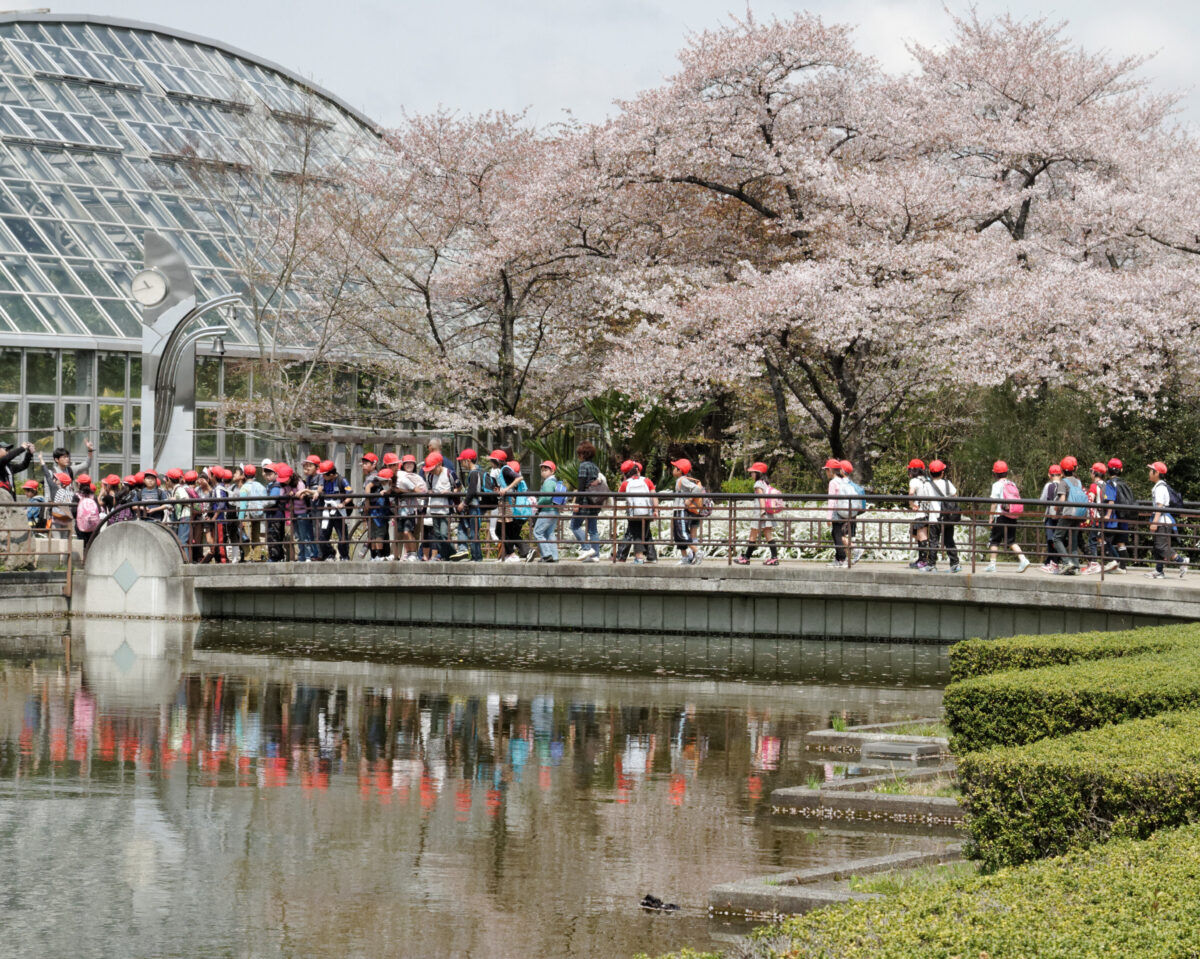
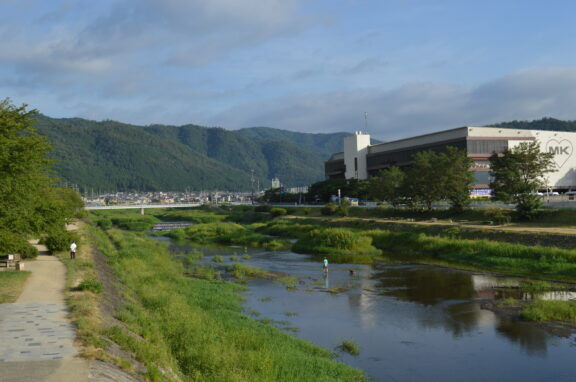
For locals, the gardens are a great place to walk, unwind, and soak up nature year-round. Floating down the center of Kyoto, the Kamo River cuts a quiet line between city and sky. Beside it, footpaths wind past cyclists leaning into breezes, runners keeping rhythm with their breath, families spread out on cloths under trees. Mountains rise behind like something half-remembered, always there but never quite reached. Bike tires hum over bridges where light flickers through leaves onto water below. Not far away is Kinkaku-ji, or the Golden Pavilion, one of Kyoto’s most famous temples and a UNESCO World Heritage site, known for its stunning golden exterior reflecting in the pond - an iconic Kyoto view.
Getting to the temple is easy by bus or bike for Kitayama residents. North of the Kamo River sits the Kamigamo Shrine, a quiet spot recognized by UNESCO. Though centuries old - since the 600s - it feels present, alive in its open spaces and wooden lines. Instead of crowds, you find stillness among trees and ancient roofs. Closer to Kitayama Street, you’ll find local cultural offerings like art galleries, craft shops, and cozy bookstores, which help keep the design vibe alive in the neighborhood. Despite the nearby attractions, Kitayama itself is much calmer than the bustling tourist areas in Kyoto, allowing residents to enjoy culture without the constant tourist crowd.
Read More
Shimogyo, Kyoto: The City’s Modern Gateway with Everyday Convenience
Livability
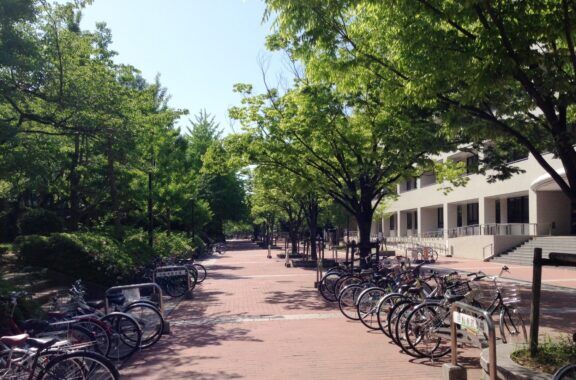
Kitayama is a fantastic place to live for many residents. Fresh air weaves through city streets here, thanks to green spaces tucked between buildings. Parks show up around corners, rivers cut through the edges, gardens spill color along sidewalks - people find ways to stay outside without trying hard. Moving on foot or by bike feels normal, not forced, just part of how days unfold.
Buses, bikes, or walking - how people move shapes daily comfort. Reaching downtown Kyoto feels effortless since trains arrive often along the underground route, linking directly to the primary rail hub. Daily necessities are close at hand too, with supermarkets, pharmacies, clinics, and convenience stores all near Kitayama Station and surrounding streets.
Families will find good access to schools, and there are several universities reachable by bike. Safe and clean, Kitayama stands out as a quiet corner of Japan where trust feels natural. From spring stalls to autumn drums, gatherings knit neighbors closer without fanfare. Its quieter vibe appeals to those who want a serene living space after busy workdays.
For many, Kitayama is the perfect mix of comfort, beauty, and practicality.
Read More
Kitaoji, Kyoto: Northern Kyoto’s Balanced Blend of Convenience and Calm
Real Estate: Rent and Property Information
The real estate scene in Kitayama reflects its upscale reputation. Few choices wait past the train tracks - modern condos sit beside shorter apartment buildings, each different in shape. Stand-along houses dot quieter streets, set apart from busier blocks. Price shifts happen depending on room count, how old the structure looks, plus walk time to Kitayama Station.
A small one-bedroom apartment typically costs between ¥70,000 and ¥110,000 monthly, while bigger two-bedroom apartments often range from ¥120,000 to ¥200,000, especially in newer buildings. Detached homes and larger condos can command higher prices. Starting at fifty million yen, condos climb toward a hundred million based on space and where they sit. Houses standing alone often cost more - especially when built on property or shaped by older styles.
Few homes are being built now, so Kitayama's housing stays scarce - that steadies prices year after year. Owning here tends to attract buyers who plan ahead, not just for quick gains but staying power in Kyoto’s market.
Read More
Goshominami, Kyoto: Refined City Living Beside the Imperial Palace
Other Information
For foreign residents looking at Kitayama, the neighborhood is comfortable and easy to navigate. Newcomers find their way more easily because transit signs appear in Japanese alongside English. Around Kyoto, the number of foreign residents is rising slowly, while plenty of support comes in English too.
Cycling is quite common, and many residents use bikes for errands and commutes. The area’s appeal also comes from its rich cultural backdrop - museums, gardens, temples, and local events are just part of everyday life, alongside modern conveniences like supermarkets and cafés. Living in Kitayama lets residents enjoy a quieter side of Kyoto while being just a stone’s throw from the city’s historic and cultural attractions.
For anyone in search of a classy neighborhood combining design, natural beauty, and convenience, Kitayama is definitely one of the top districts in Kyoto.
Read More
Shijo–Karasuma, Kyoto: Downtown Energy with Business-Class Precision
Source
- Kyoto City Official Website
- Kyoto City Tourism Association
- Japan National Tourism Organization – Kyoto Guide
- Kyoto Municipal Subway Official Website
- Japan Guide – Kyoto Botanical Gardens
- Japan Guide – Kinkaku-ji (Golden Pavilion)
- Japan Guide – Kamigamo Shrine
Our team of seasoned professionals at PropertyAccess is dedicated to helping you navigate Japan’s real estate market with confidence.
With deep local knowledge and a commitment to personalized service, our experts are here to guide you every step of the way.
Book a Free Consultation Session with Our Team!
PropertyAccess의 노련한 전문가 팀은 여러분이 일본 부동산 시장을 자신 있게 탐색하실 수 있도록 최선을 다해 지원해 드립니다.
풍부한 현지 지식과 맞춤형 서비스에 대한 헌신을 바탕으로, 저희 전문가들이 부동산 구매 과정의 모든 단계에서 고객님을 안내해 드립니다.
무료 개별 상담 예약하기
(예약 화면은 영어로 표시됩니다.)