- Area Guides
Gion, Kyoto: Where Old Kyoto Still Breathes
Last Updated: October 23, 2026
A definitive guide to Gion in Kyoto — explore its historic streets, culture, livability, real estate, and what it is really like to live in Kyoto’s most iconic district.
Table of Contents

Supervised By: Hiroki Kazato
Real Estate Expert
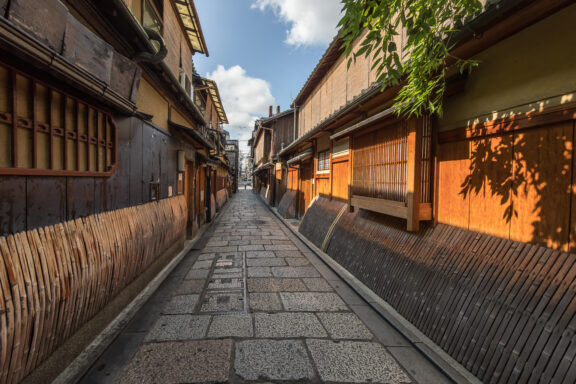
Gion might just be what Kyoto looks like on a dreamy postcard. Picture this: narrow lanes glowing under soft light, old wooden townhouses lining the streets. Teahouses sit quietly between them. This place fills your head with visions of how Japan once was.
But Gion is not just for visitors. It is also a living neighborhood with schools, supermarkets, apartments, and residents who call it home. If you are considering living or investing here, you need to understand both sides. This guide walks you through Gion’s location, atmosphere, landmarks, daily life, and real estate realities so you can decide if it fits your goals.
Area Overview
Gion sits in Higashiyama Ward, tucked along the eastern edge of central Kyoto, just beside the Kamo River. Starting near Shijo Street up north, it runs south past Kenninji Temple. From the water's edge, it spreads inland - toward Yasaka Shrine, then climbs into the slopes of the Higashiyama hills.
Gion started as a monzen-machi, a neighborhood that popped up around a big temple and shrine - particularly Yasaka Shrine, one of Kyoto’s key Shinto shrines.
Nearest Stations and Train Access
Even with its old-world charm, Gion is super well-connected.
- Gion-Shijo Station (Keihan Main Line)
- Kyoto-Kawaramachi Station (Hankyu Kyoto Line)
- Buses along Shijo-dori and Higashioji-dori
Fifty minutes or a bit less is what it takes riding the Keihan Line from Gion-Shijo Station straight into Yodoyabashi in Osaka. When starting at Kyoto-Kawaramachi, reaching Umeda means a ride of around three-quarters of an hour using the Hankyu tracks.
From the station, a bus or cab ride takes roughly fifteen to twenty minutes, give or take with road conditions. Catching the Tokaido Shinkansen from that point gets you to Tokyo in around two hours and fifteen minutes.
Basically, you can enjoy living in a preserved historic area without giving up on travel options.
Read More
Tanoji, Kyoto: The Commercial and Cultural Core of Central Kyoto
Atmosphere and Vibe
Gion shows contrasts within itself. One part differs greatly from the other. To understand it fully, visit each section separately. Each reveals something unique upon closer look.
Early sunlight touches rooftops where visitors move slowly along cobbled paths. Among old wooden facades, cameras click at uneven intervals. Groups form close to stone steps leading upward. Wheeled carts roll past without hurry, guided by quiet footsteps.
A short distance away, pockets of calm unfold. From balcony rails, laundry sways gently. Elderly residents tidy doorsteps near traditional townhouses. These lanes host markets meant for neighbors, not visitors.
It feels layered - a mix of history and daily life.
Darkness brings change to Gion. Along Hanamikoji, light glows from paper lanterns. Guests enter teahouses without sound. Inside, dining rooms grow full - residents sit beside travelers.
A fleeting sight of a geiko (geisha) or maiko moving swiftly between engagements could occur at any moment. Elegance seeps into the atmosphere, resembling scenes from film reels - yet calm persists where one might expect frenzy. Unlike busier urban evenings elsewhere, this place breathes quietly beneath its polished surface.
It’s lively, but not overwhelming.
Read More
Shimogyo, Kyoto: The City’s Modern Gateway with Everyday Convenience
Tourist and Local Destinations
Folks who wander through Gion often find themselves stepping into history without even trying. Minutes on foot open doors to places Kyoto quietly insists you see.
Major Cultural Landmarks
- Yasaka Shrine – A central landmark and host of the famous Gion Matsuri festival.
- Kennin-ji – The oldest Zen temple in Kyoto, founded in 1202.
- Kodaiji Temple – Known for its beautiful gardens and seasonal lights.
- Maruyama Park – A go-to cherry blossom spot in spring.
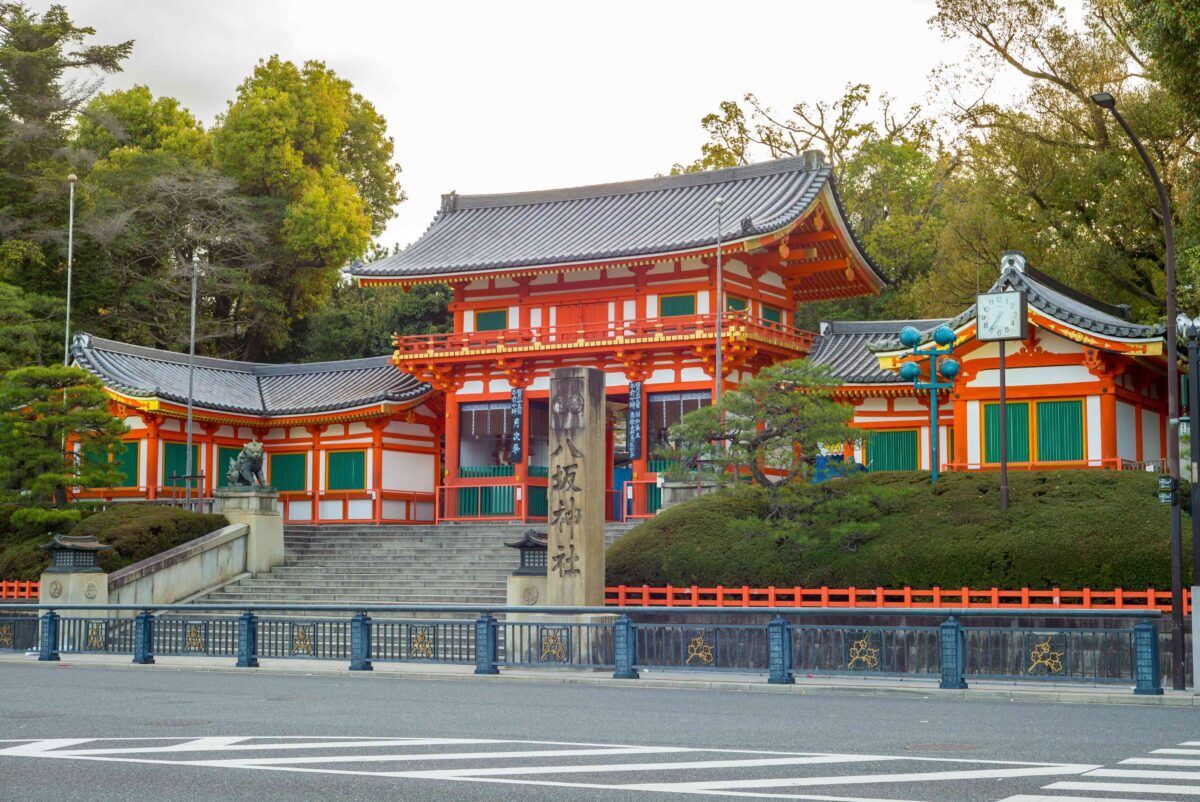
Plus, you can easily reach Kiyomizu-dera which is one of Kyoto’s most iconic temples.
Gion has some of the best kaiseki restaurants, tea houses, and sweet shops in Kyoto, many run by families for generations.
You’ll also find trendy cafés, boutique hotels, and unique shops that fit right into the historic vibe.
For residents, everyday life includes amazing dining options - but you’ll also discover quieter local spots.
Read More
Iwakura, Kyoto: A Quiet Northern Retreat with International Access
Livability
Living in Gion is way different from just visiting.
Everyday stuff sits nearby, though it might take a glance to spot. Along wider streets such as Higashioji and Shijo, markets and pharmacies pop up one after another. On the opposite bank lies Kawaramachi, packed with shops worth walking toward. You might have to walk 5–10 minutes for groceries, depending on where you live.
Heavy crowds show up here, particularly when the cherry trees bloom, leaves turn in fall, or big holidays hit. Certain roads manage how people move through. What matters most? The flow gets tough to handle.
However, quieter lanes off the main roads are surprisingly peaceful, especially early morning or late at night.
If you want to keep things private, picking the right block is important.
Though known far beyond its streets, Gion holds tight to neighborhood roots. Locals who’ve lived there for generations, along with temple circles and small businesses, guide daily life. The way people connect often follows quiet customs passed down through time.
Fitting in is possible for visitors, yet honoring traditions matters just as much. What keeps Gion alive isn’t change - it’s care.
Read More
Kitaoji, Kyoto: Northern Kyoto’s Balanced Blend of Convenience and Calm
Real Estate: Rent and Property Prices
Gion is one of the top residential places in Kyoto, which shows in the prices.
Rental Market
Few places to rent around here. Since most structures sit low to the ground or carry old protections.
Approximate monthly rents:
- Studio / 1K: ¥90,000 – ¥130,000
- 1LDK: ¥130,000 – ¥200,000
- Bigger units: ¥250,000+
Traditional machiya rentals can cost a lot depending on their condition and location.
Since there’s limited supply, availability goes up and down a lot.
Property Prices
Only a few homes come up for sale in Gion - prices tend to climb fast. Older machiya houses, when fixed up, start around ¥80 million but reach past ¥200 million depending on their state, layout, or spot near main roads.
Few tall buildings rise here because of firm rules on height across Kyoto, so land costs stay flat. Skyline stays clear, thanks to limits that block too much construction. Values hold over time, held up by these fixed boundaries.
Investors looking to get into hospitality have to be careful with Kyoto’s minpaku rules and zoning laws.
Read More
Shijo–Karasuma, Kyoto: Downtown Energy with Business-Class Precision
Other Information
If you’re a foreign buyer or tenant, here are some practical tips.
Living in Gion means knowing where not to point your camera. Some alleyways restrict photos because people value their quiet. Rules exist to protect daily life, so those who stay there stick to them. Privacy matters deeply, shaping how everyone moves through the space.
Out here, English help pops up more than it does out in the countryside - real estate offices, hotels, that sort of thing. Still, when you’re swapping small talk over the fence, a few Japanese phrases go a long way.
Buses roll through most neighborhoods every day. Narrow lanes twist between buildings, making driving slow. Foot traffic beats wheels when sidewalks stay crowded. Tying up space for cars rarely makes sense here.
Should culture matter to you, Gion fits well - think narrow lanes, aged wooden facades, one temple tucked behind another. Wide roads? Unlikely. Towering glass apartments? Not here. Peaceful as a library? Forget it. This district hums, always has. Old tea houses stand close, voices drift after dark, lanterns glow by midnight rain.
Source
- Yasaka Shrine Official Website
- Kennin-ji Temple Official Website
- Kyoto City Official Tourism Site
- Keihan Railway Official Site
- Hankyu Railway Official Site
- Kyoto City Urban Planning Overview
Our team of seasoned professionals at PropertyAccess is dedicated to helping you navigate Japan’s real estate market with confidence.
With deep local knowledge and a commitment to personalized service, our experts are here to guide you every step of the way.
Book a Free Consultation Session with Our Team!