- 지역 가이드
Goshominami, Kyoto: Refined City Living Beside the Imperial Palace
Last Updated: 10월 23, 2026
A definitive guide to Goshominami - a prestigious Kyoto neighborhood near the Imperial Palace known for top schools, quiet streets, central access, and elegant residential living.
목차
Supervised By: 카자토 히로키
Real Estate Expert
Goshominami is one of the top residential areas in Kyoto. Just south of the Kyoto Imperial Palace, it mixes a quiet vibe with easy access to the city’s cultural spots and shopping hubs. With tree-lined streets, historic homes, good schools, and a laid-back atmosphere, it’s a favorite among families, professionals, and long-time locals.
Out there, just steps away, lies the grand palace park - ranked among the city’s finest stretches of green. From that spot, reaching Kyoto Station, Shijo, or similar hubs becomes simple thanks to nearby train lines and main routes.
Peace wraps around Goshominami even though it sits right in Kyoto’s busy heart. You get city access without losing quiet comfort. This place? It mixes convenience with calm in ways few others do. Look closer, and you find streets lined with small shops, temples tucked between homes, gardens breathing through narrow alleys. Life moves at its own rhythm - slow enough to notice things, fast enough to stay connected. Shops open early, neighbors greet each other by name, kids walk to school on leaf-strewn paths. Properties range from older wooden houses to modern low-rises, prices shifting block by block. For newcomers, especially those from abroad, settling in means understanding local rules, rental patterns, how garbage gets collected. Transport links stretch out in all directions, yet noise fades once evening comes. Sunrise lights up moss walls; night brings silence broken only by wind chimes.
Read More
Tanoji, Kyoto: The Commercial and Cultural Core of Central Kyoto
Area Overview
Goshominami lies within Nakagyo Ward, smack in central Kyoto. South of the Imperial Palace - that’s what its name says, that’s where you’ll find it - nestled just beneath the wide stretch of palace land. Goshominami sits where old charm meets today’s conveniences, tucked close to landmarks and storefronts alike. Laid out long ago, its streets echo a pattern set when Kyoto first rose in the 700s. What stands out most in Goshominami? The way people move around. Getting from place to place feels natural here. Options open up without hassle. Travel choices appear at every turn. Movement flows easily through the area.
Nearby lies Marutamachi Station along the Karasuma Line, stretching from north to south while tying into key city spots. Riding the train brings you straight to Kyoto Station within roughly seven minutes. That central stop links up with the high-speed Shinkansen, various JR routes, alongside numerous bus services. Finding your way around gets simpler at Karasuma Oije, a spot where two subway routes link up. Traveling toward Higashiyama means going east, while Nijo lies in the opposite direction.
From here, reaching main places takes almost no time at all. Kyoto Station: around 7–10 minutes by subway. Down near Shijo - subway gets you there in roughly three to five minutes.
Built long ago, Nijo Castle sits just a short ride away using the underground train. Getting there on a bicycle takes about the same amount of time. Gion area sits roughly a fifteen-minute ride away - reachable by bus, cab, or bicycle. Travel time stays around quarter of an hour whichever way you roll. Bikes fill Kyoto's streets because distances between places stay short. People ride them often when moving across neighborhoods. Biking from Goshominami gets you to busy shops such as Shijo-Kawaramachi in about ten minutes flat. Reaching these places by bicycle cuts travel time sharply.
What stands out here? The short walk to Kyoto Imperial Palace Park. Surrounded by the old palace grounds, this wide stretch of green sits right in the middle of urban life. Paths wind through trees, opening up quiet spots where city noise fades. Right in the middle of things, Goshominami sits where movement feels smooth. Because getting around takes little effort, daily life flows without rush. While busy spots are close, quiet moments still find their way in. So much happens nearby, yet peace stays within reach.
Read More
Iwakura, Kyoto: A Quiet Northern Retreat with International Access
Atmosphere and Vibe
Stillness wraps around each step taken there. Quiet settles here, unlike the crowded lanes of Gion or Higashiyama. Along the street, traditional townhouses - called machiya - sit beside modest apartment buildings that rise only a few stories. Small shops appear one after another, tucked between homes. Life moves slower where locals live.
Standing tall through centuries, the design carries echoes of Kyoto’s past. Look closely - wooden facades appear alongside tiled rooftops, while narrow structures add quiet grace. Each piece fits without shouting. Mornings hum with a soft kind of motion. People move through streets by foot or pedal, heading where they need - jobs, classrooms, coffee spots tucked into corners.
Some tiny bakeries pop up here, serving locals more than visitors. Coffee spots appear on corners where residents stop by regularly. Specialty shops tend to stay close-knit, built for community folks rather than outside crowds. Families often point to Goshominami Elementary when explaining why they like living here. Its strong reputation quietly shapes the feel of daily life around these streets. When night comes, the pace slows down. A handful of eateries and spots for wine pop up here or there, yet most folks keep it quiet after dark.
People here tend to gather quietly, sharing meals without fanfare or walking through the green paths near the old palace grounds. Noise fades into calm, replaced by soft talk under trees where evening light lingers between buildings.
What stands out next is the lush green space. With Kyoto Gyoen nearby, there’s clean air along with vivid changes through the seasons. Blossom time paints the park pink each spring, while fall sets every tree ablaze in reds and yellows. The air feels softer when petals drift down, yet crisper once leaves crunch underfoot. Warm breezes carry flowers on their back, whereas cold gusts swirl fading crowns across paths. Trees stand bare after winter, though by April they wear clouds of bloom again. Out here, the touch of green wraps around everything like a quiet promise. Trees breathe slowly beside paths worn by time. A soft wind moves through leaves without hurry. Light falls differently when roots run deep nearby. Life feels held, somehow, where earth stays close. Quiet moments live easily here, where elegance slips into relaxed corners. In the heart of things, yet hushed like a folded note left on a windowsill. Convenience wraps around calm instead of crowding it out. The city’s famous softness lingers without trying. Space breathes even when streets stay near
Read More
Shimogyo, Kyoto: The City’s Modern Gateway with Everyday Convenience
Tourist and Local Destinations
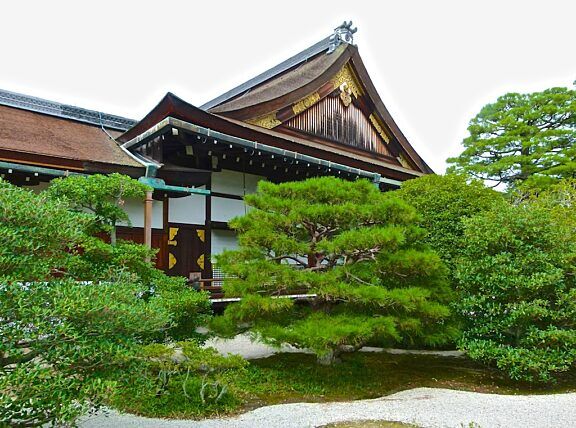
Few steps beyond quiet homes here lies Kyoto’s heartbeat. Close by sit temples and gardens most come searching for. Distance shrinks when paths lead straight into what travelers remember. Right inside Kyoto Gyoen National Garden sits the largest local landmark - the Kyoto Imperial Palace, naturally.
More than ten centuries long, Kyoto held the title of Japan’s royal seat. There, within its bounds, the emperor lived in the palace grounds. Only when the rulers shifted power east did that life fade. The move came quietly in the final decades of the nineteenth century. Tokyo took over. Life in the old halls slowed. Few steps inside, history quietly unfolds through quiet halls once reserved for emperors. Paths wind past still ponds where silence speaks louder than words ever could.
Out here, Kyoto Gyoen Park spreads wide - one of the city’s biggest stretches of green. Movement draws people: feet on trails, strolling paths, meals laid out on grass. Frost fades into soft pink blooms when winter loosens its grip. Trees burst with delicate petals just as the air warms slightly. Color surges across hillsides again near year’s end, deep reds creeping in where green once held on.
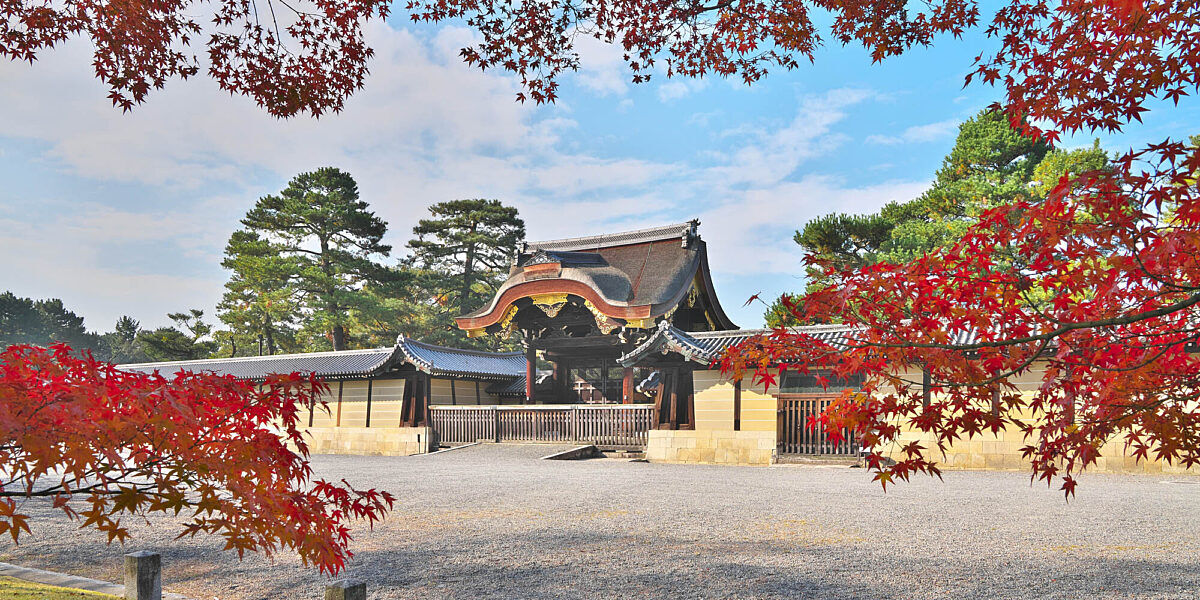
Farther along sits Nijo Castle, tucked west of the area - a place stamped by history and watched over by UNESCO. Rising at the start of the 1600s under Tokugawa rule, its halls once echoed with the footsteps of Kyoto's military rulers. Floorboards sing underfoot here - part of a clever old warning system woven into the halls. Wander through the yard first, then paths cut between greenery lead toward quieter spots. Those creaky planks? They’re called nightingale floors, named after birds but sounding more like whispers trapped in wood. The whole place breathes history without saying a word.
Finding downtown shops takes hardly any effort at all. Few steps lead to Shijo and Kawaramachi, among Kyoto's most crowded shopping lanes. Crowded they may be, yet each path holds department stores beside tiny boutiques. Old-style shops sit close by, tucked between modern fronts. Walking there means passing one shop after another, never quite losing the hum of foot traffic. Wander down Nishiki Market and you’ll find stalls brimming with Kyoto’s favorite bites. Locals stop by for fresh pickles, grilled seafood, snacks on sticks. One shop sells spice blends handed down for generations. Another roasts tea right before your eyes. Crowds move slowly here, drawn to smells of sizzling dumplings. The path itself twists through centuries of food tradition. Open since the 1700s, it stays busy most days.
Still, Goshominami holds its calm close, offering locals a quiet way to live among Kyoto’s culture, away from busy visitor paths.
Read More
Gion, Kyoto: Where Old Kyoto Still Breathes
Livability
What stands out about Goshominami is how well it fits into daily life. Right away, the spot stands out. Near Kyoto Station, shops pop up nearby, so getting around feels smooth. Culture highlights sit just minutes away, which keeps routines simple Fresh tracks hum beneath your feet when you hop on the Karasuma line, zipping through one hub after another across town. While it moves fast, each stop drops you right where things happen. Instead of waiting long, trains show up quick, threading neighborhoods together like stitches in fabric. Because it runs so smooth, even first-timers find their way without fuss. When plans shift, the route still holds steady, linking spots most need to reach.
Out there beyond the buildings, trees take up room. Kyoto Gyoen Park slips into view like breath after noise. People usually go there to move their bodies, unwind, or meet up with others. Families often move here just for Goshominami Elementary, its reputation pulling them in like gravity. A solid school can shape where people choose to live, and this one does exactly that. Locals grab groceries without hassle since stores pop up just about everywhere. Pharmacies sit close by, often near small neighborhood spots where people stop for basics. Medical help shows up on corners now and then, tucked beside cafes or bakeries. Each block seems to hold something useful, quietly waiting. Many people ride bicycles when running tasks or moving through town.
Peace fills the streets here, a quiet strength running through daily life. Goshominami carries Kyoto’s well-earned reputation - low crime isn’t just reported, it’s felt in open windows at night. Clean sidewalks weave between homes like care stitched into routine. Trust grows where things are looked after. This part of town doesn’t shout safety - it lives it, softly. People stick around here for years, making connections that run deep. What you get instead of constant turnover is a rhythm, built slowly through shared mornings and familiar faces.
Few places blend urban convenience with quiet living quite like Goshominami does. Still, it manages calm without losing connection to the pulse nearby.
Read More
Kitaoji, Kyoto: Northern Kyoto’s Balanced Blend of Convenience and Calm
Real Estate: Rent and Property Information
Goshominami property? It ranks among central Kyoto's top choices. A favorite spot for buyers, its appeal sits quietly but firmly at the heart of the city. Location matters here - deep roots, steady demand. Homes stand close, history hums underfoot. Not flashy, yet always noticed. People return, again and again, drawn without needing a reason. Few spots offer what this one does - near the palace, close to classrooms where kids learn, tucked into a part of town people keep coming back to. Homes here? Always on someone’s mind.
Pricing shifts widely across rentals. A compact single-bedroom unit might cost between ¥80,000 and ¥120,000 monthly - older buildings often sit at the lower end, while newer ones with extra features tend to climb higher. Fresh off the rental market's quieter streets, spacious units fit for families hover around ¥150,000 to ¥250,000 monthly. Yet bigger space doesn’t always mean louder bills - just steady numbers in that range.
Apart from modern options, older machiya homes pop up in listings - full of character, yet often asking for repairs or heavier upkeep spending. These wooden frames carry history, though that sometimes means extra effort to keep them running smoothly. A home's cost often tells you how sought-after the area is. Price tags rise where status matters most. What people pay says a lot about local reputation. High numbers usually follow high regard. Worth climbs when location earns respect.
A few modern condos might cost around ¥60 million, while others climb up to ¥120 million - size plays a role. Quality nudges the price higher too. Older machiya houses that have been fixed up often sell for more because they carry history plus there are so few left. Homeowners find it tough to keep up when investors drive prices skyward here. Goshominami sits near the top of Kyoto’s most in-demand neighborhoods. Property values climb fast where demand overlaps with tradition. This area of the city rarely sees space open up.
Read More
Shijo–Karasuma, Kyoto: Downtown Energy with Business-Class Precision
Other Information
For foreigners, living in Goshominami can be both comfortable and enjoyable. Kyoto has a growing international scene, and many services here offer English support. Public transport is well-organized and easy to navigate, even for newcomers.
The neighborhood is also super walkable, with grocery stores, cafés, and parks all close by. Biking is popular in Kyoto too, so many folks use bikes as their main way of getting around. Living here feels different when you're not from the area - history shows up in small ways every day. Morning walks might pass a temple courtyard humming with quiet rituals. Festivals pop up without warning, spilling into streets with drumbeats and paper lanterns. Shrines tucked between shops remind people of older rhythms beneath modern routines.
At the same time, modern conveniences are right around the corner. The mix of tradition and practicality makes Goshominami a special place to call home. If you’re searching for a central Kyoto neighborhood that feels peaceful, elegant, and connected to the city’s history, Goshominami is an awesome choice.
Source
- Kyoto City Official Website
- Kyoto City Tourism Association
- Japan National Tourism Organization – Kyoto Guide
- Kyoto Municipal Subway Official Website
- Japan Guide – Kyoto Imperial Palace
- Japan Guide – Nijo Castle
- Japan Guide – Kyoto Gyoen National Garden
Our team of seasoned professionals at PropertyAccess is dedicated to helping you navigate Japan’s real estate market with confidence.
With deep local knowledge and a commitment to personalized service, our experts are here to guide you every step of the way.
Book a Free Consultation Session with Our Team!
PropertyAccess의 노련한 전문가 팀은 여러분이 일본 부동산 시장을 자신 있게 탐색하실 수 있도록 최선을 다해 지원해 드립니다.
풍부한 현지 지식과 맞춤형 서비스에 대한 헌신을 바탕으로, 저희 전문가들이 부동산 구매 과정의 모든 단계에서 고객님을 안내해 드립니다.
무료 개별 상담 예약하기
(예약 화면은 영어로 표시됩니다.)