- エリアガイド
Kumamoto City: A Relaxed Castle City with Modern Convenience and Kyushu Connectivity
Last Updated: 10月 23, 2026
A definitive guide to Kumamoto City – a historic yet modern Kyushu city known for its livability, affordable housing, rich culture, and easy access across Japan.
目次
Supervised By: 風戸 裕樹
Real Estate Expert
Kumamoto City shows a different vibe of city life in Japan. Unlike the hustle and bustle of Tokyo or Osaka, Kumamoto is chill, green, and friendly, while still having great transport, shopping, healthcare, and easy living. Hidden in the heart of Kyushu, this place mixes past and present without trying too hard. Mornings might find you sipping coffee in a busy urban shop, then by afternoon you're wandering through ruins of a fortress long gone. As night comes, peace shows up in tree-lined streets where houses sit low and quiet. Because rent costs far less than Tokyo or Osaka, people like parents, older adults, learners, or those born elsewhere often choose to stay here instead of rushing toward crowded hubs.
Kumamoto has a well-known castle, tasty regional dishes, trams that make getting around easy, while also linking fast to places across Kyushu. Though life moves at a gentler pace compared to Tokyo, residents often see that as one of its strengths.
Area Overview
Kumamoto City sits right in the middle of Kyushu, giving it a strong role across southern Japan. Though not the largest, its position helps link travel and business throughout the region.
Out past the core, neighborhoods such as Shimotori, Kamitori, and Sakuramachi hum with energy, though calmer homes stretch farther into hushed zones. City rhythm sits well here alongside room to breathe. Near the middle, waterways appear, green patches show up, leafy roads wind through - each adds a slower pulse. Stillness slips in even when you’re not far from everything.
From Kumamoto Station, travelers reach many places using bullet trains or regular lines like the Kagoshima and Hōhi routes. Getting across town becomes simpler thanks to trams that connect central spots, stores, universities, residential zones.
Traveling around Kyushu gets easier when you start from Kumamoto. For example, reaching nearby spots only takes a short while:
- Hakata Station in Fukuoka: about 33 to 40 minutes via Shinkansen
- Kagoshima-Chuo Station: around 45 minutes
- Shin-Osaka Station: roughly 3 to 4 hours
- Tokyo Station: about 6 hours by Shinkansen with transfers
Outside the city sits Kumamoto Airport, connecting travelers to spots such as Tokyo or Osaka. Downtown and Kumamoto Station are under an hour away by airport bus.
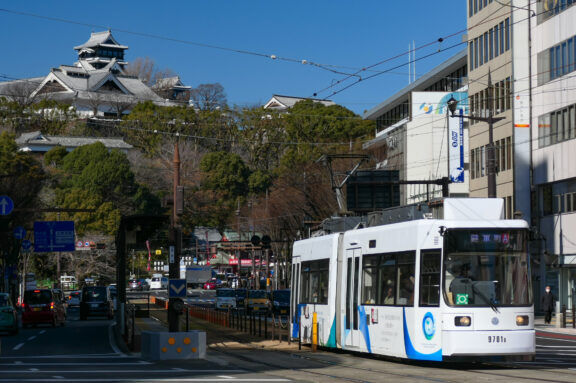
Most people in Kumamoto get around each day using trams, though buses show up often too. Bicycles roll through streets just as much as motor vehicles do. Trams matter a lot because they connect major spots while giving the place its own flavor.
Top Neighborhoods
Suizenji (水前寺)
Suizenji is one of the best places to live in Kumamoto. It’s got a chill vibe, lots of green spaces, and is super easy to get around, balancing city life with a quieter feel. From Suizenji Station, trams and trains whisk you into downtown Kumamoto fast. Nearby spots include supermarkets, cafés, medical clinics, plus green spaces such as the serene Suizenji Jojuen Garden. It’s a favorite spot for professionals, couples, and families looking for a comfy place without straying too far from the hustle and bustle.
Best for:
- Professionals
- Families
- Remote workers
- Long-term resident
Shimotori and Kamitori
Down near the river, you will find Shimotori and Kamitori - a busy stretch full of places to eat, drink, shop, or browse through big retail buildings. Getting around on foot here feels natural, since everything sits close together. Getting around here feels smooth even if you do not own a vehicle. Buses and trains? They actually work well. Even though it gets lively at night, it’s still way more chill compared to nightlife spots in Tokyo or Osaka.
Best for:
- Young professionals
- Students
- Digital nomads
- Foreigners without cars
Kengun and Higashi Ward
East of central Kumamoto lies Kengun, along with Higashi Ward - areas that feel quieter, more spread out. Homes here tend to be spacious, set behind calm roads where bikes often pass by. Green spaces pop up between blocks, offering room to wander outside. Stores are close enough without crowding every corner. Life moves at a slower step, shaped around comfort rather than rush. Housing here is usually more budget-friendly than in the central areas, plus parking is a breeze, making it a favorite among families and long-term residents with cars. The nearby Lake Ezu area brings in some green space and places to enjoy the outdoors.
Best for:
- Families
- Car owners
- Long-term residents
- People searching for bigger homes
Kumamoto Station Area
Lately, things have picked up big time around Kumamoto Station - these days it ranks among the city’s most happening corners. Thanks to the Kyushu Shinkansen rolling through, plus AMU Plaza Kumamoto opening its doors, getting there feels easier than ever. Transportation upgrades have quietly stitched everything closer together, making trips smoother without much fuss. This neighborhood grabs the attention of professionals and foreigners who travel a lot within Kyushu or Japan. With new apartment buildings and easy access to shopping, dining, and transport, living here is a breeze.
Best for:
- Business professionals
- Frequent travelers
- Commuters
- Residents wanting modern apartments
Atmosphere and Vibe
Kumamoto feels like a regional capital without the craziness of Japan’s biggest cities.
By midday, streets in Shimotori and Kamitori start humming. Department stores stand beside cafés where students sip drinks between classes. Office workers rush past game centers filled with flashing screens. Tourists wander through covered arcades, hands full of bags. When sunset hits, izakayas light up one by one. Even after work ends, people linger near train stations. Weekends stretch the buzz longer, pulling crowds well past nine.
Yet things stay surprisingly calm here. The most packed avenues still seem relaxed when set beside spots such as Shibuya or Umeda. Because of this rhythm, residents often call Kumamoto a place that just fits right.
Fewer lights glow in places such as Suizenji once night sets in. Around Kengun, footsteps slow, city noise fading into quiet talk between neighbors. After sunset, areas close to Tatsota grow hushed, life shifting toward small shared moments. Even Musashigaoka unwinds, energy turning inward rather than outward.
Out here, green hills wrap around Kumamoto like an old blanket. Not far off, Mount Aso looms - silent but central to how people spend their days outside. Trees fill the air where buildings might stand in other places.
Out here in Kumamoto, folks tend to know one another, creating a warmth that big city life often lacks. Though you won’t hear much English on the streets, conversations still flow easily for most foreigners who settle in. The pace feels slower, yet connections form quicker than expected. Speaking with neighbors usually goes smoothly, even without perfect language skills. City manners fade away, replaced by something more personal, more grounded.
When the sun sets, downtown keeps going with restaurants and bars, but it still feels safer and quieter than the nightlife in larger cities.
Tourist and Local Destinations
Kumamoto’s character is deeply tied to its history, culture, and natural beauty.
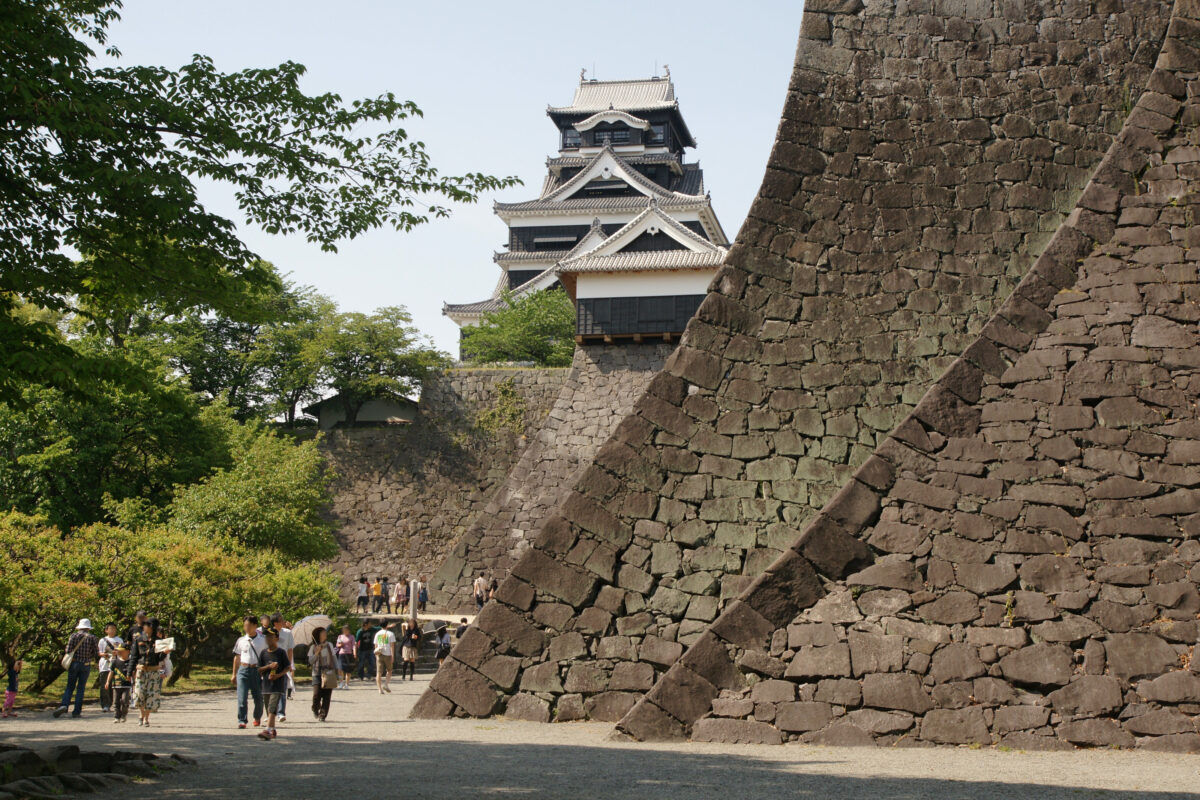
Standing tall since the 1600s, Kumamoto Castle catches the eye as one of Japan’s most striking fortresses. Though shaken by quakes in 2016, work continues piece by piece. Through it all, the fortress holds firm, mirroring how the city refuses to let go.
Just around the corner sits Sakuranobaba Josaien, where old Edo spirit lives through snack stalls and craft corners. People who live here love it just as much as those passing through.
Finding calm here feels natural at Suizenji Jojuen, where winding trails pass quiet waters alongside tiny versions of well-known landscapes from across Japan. People who live nearby often speak highly of the surroundings, drawn by its steady charm.
On weekends, people head to Shimotori or Kamitori - these arcades buzz with clothing stores, small eateries, coffee spots, plus unique local shops. Nearby, the Sakuramachi Kumamoto building stands full of retail spaces, work areas, and links to buses and trains.
Food is a big deal in Kumamoto. The city is known for:
- Kumamoto ramen with rich garlic tonkotsu broth
- Basashi (horse meat sashimi)
- Karashi renkon
- Local citrus and farm products
Around Kumamoto, wild landscapes begin unfolding fast. Head out this way, discover Kyushu’s most striking nature within quick reach. Trails lead beyond city edges, opening into vast green pockets. Roads stretch toward volcanic peaks, quiet forests appear without warning. Rivers cut through basalt, mist rises at dawn. Each turn brings something raw, unpolished by crowds. Mountains stand apart, holding silence others lost long ago
- Mount Aso
- Kurokawa Onsen
- The Amakusa Islands
- Quaint hot spring towns around central Kyushu
For many residents, this mix of city life and nature is a major perk.
Livability
Kumamoto ranks high in livability, especially for folks looking for a quieter and more budget-friendly lifestyle in Japan.
Out here, life moves without hassle. Need something? It’s likely nearby - downtown or further out. Groceries show up at strip malls, doctors’ offices sit just off side streets, classrooms hum behind playground fences, stores pop up between cafes and bus stops.
Most folks around here get decent care because Kumamoto runs as a hub for the region. Big clinics and hospitals sit right in town, serving people who live nearby along with those from farther out. Buses hum along familiar routes, just like trams that link major hubs without fuss. Payment? Tap an IC card or hand over coins - simple enough at every stop. Some suburban areas, however, are a bit car-dependent, so families often get a car if they travel outside the city center frequently.
Out here, families often find space comes easier. Little ones run free in wide-open spots, thanks to fewer packed streets. Getting around takes less time when schools and shops sit close by. Parks pop up just around the corner, almost like they’re waiting. Quiet wraps the blocks, so evenings settle without constant sirens or shouting.
Living in Kumamoto feels different for people from abroad. Some find small groups of expats near colleges or global-style schools. These circles exist, yet stay much smaller than those seen in Tokyo or Osaka.
Living here doesn’t drain your wallet. Groceries, getting around, parking - housing too - cost noticeably less compared to Japan’s largest urban centers.
Earthquakes are just a fact there after what hit Kumamoto in 2016. Staying alert about nature's risks matters more than most admit. Since those tremors, construction rules have gotten tougher on purpose. Structures now resist shaking much better by design. Progress across public systems continues slowly but without pause.
Real Estate: Rent and Property Information
Kumamoto offers great value in housing compared to other Japanese cities.
City life pulls folks in - rent plays a major role. Depending on the neighborhood, costs shift. Monthly payments often fall far below what you’d pay in Tokyo or Osaka. Typical monthly rents look like this:
- Studio or 1K apartments: about ¥35,000 to ¥60,000
- 1LDK to 2LDK apartments: around ¥60,000 to ¥100,000
- Family-sized apartments or houses: between ¥90,000 to ¥150,000+
Places near downtown, Suizenji, or major train stations tend to have higher rents, while suburban areas offer bigger spaces for less money.
Getting a place in Kumamoto does not cost too much. Around town, fresh apartments usually sit between ¥35 million and ¥70 million - size and exact spot make the difference. Outside the core areas, standalone houses tend to come with lower price tags compared to homes near Tokyo. Foreign buyers love Kumamoto for a few reasons:
- Bigger properties for the price
- Often includes parking
- Detached homes are easier to find
- Fewer barriers for investment than in Tokyo
Most people keep looking for homes near tram routes because getting around is simpler. Places such as Suizenji, Shin-Suizenji, and parts of central Chuo Ward attract workers along with parents raising kids. Because travel connects easily, interest stays steady over time. Workers often pick these spots just as much as households with children do.
Suburban districts attract those wanting more space and peace. Getting around takes less time here. From neighborhoods outside the center, reaching downtown Kumamoto feels easier compared to larger urban areas.
Other Information
If you're a foreigner thinking about moving to Kumamoto, here are a few practical things to know. Start with a few simple Japanese phrases - they make things easier. Tourist info is improving, yet English help stays limited compared to big spots such as Tokyo. Even so, more city centers and key locations now give options in several languages.
Kumamoto is home to several universities, including Kumamoto University, bringing in a younger, more international crowd in certain areas. Occasionally, summer brings sticky heat despite the usual gentle weather. Cooler months show up after that, though they never bite like the cold does farther north.
Out here, getting online feels smooth. Much like elsewhere in Japan, daily life runs without hiccups - services work when needed. Power, water, all that stuff just shows up. Walk a block or two, you will spot a shop ready to help. Things stay simple, even if you wander off routine paths.
For getting around, the tram system is a breeze for newcomers, and many people also use bikes for short trips. Life moves different here. For plenty of visitors, that’s the draw - Kumamoto keeps things close without feeling packed. Not too fast, not too quiet, it finds a rhythm where errands feel simple but days stay calm. Eating out, browsing stores, catching local events - all happen without rush hour chaos or endless travel between places. With the rise of remote work and flexible lifestyles, more people are looking to regional spots like Kumamoto for more space, affordable living, and a stronger connection to community and nature.
For many, Kumamoto quietly offers one of the most comfortable ways to live in Japan.
Source
- Kumamoto City Official Guide – Access Information
- Explore Kumamoto – Getting to Kumamoto
- JR Kyushu – Kumamoto Station Information
- Kumamoto City Transportation Bureau
- Japan Experience – Kumamoto Station Guide
- Kumamoto Prefecture Official Tourism Site
Our team of seasoned professionals at PropertyAccess is dedicated to helping you navigate Japan’s real estate market with confidence.
With deep local knowledge and a commitment to personalized service, our experts are here to guide you every step of the way.
Book a Free Consultation Session with Our Team!
プロパティアクセスの経験豊富な専門チームが、お客様が安心して日本の不動産市場に投資いただけるようお手伝いいたします。
不動産に全般に関する豊かな知識とおひとりおひとりに合ったサービスで、不動産投資のプロセスを一貫してサポートしますので、お気軽に個別相談をご利用ください。
無料の個別相談を予約する(予約画面は英語で表示されます)