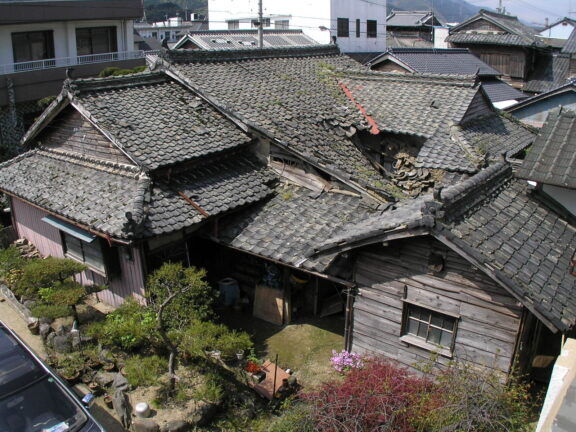
Why an Akiya Can Cost More Than a Tokyo Condo: The Hidden Expenses Most Buyers Never See
Last Updated: September 16, 2026
A cheap akiya does not always mean a cheap investment. Learn about the hidden renovation, legal, maintenance, and infrastructure costs that can make an abandoned house in Japan more expensive than buying a Tokyo condominium.
Table of Contents
Supervised By: Hiroki Kazato
Real Estate Expert
Buying a Japanese house for the price of a used car sounds great, right? You've probably seen the buzz on social media about homes going for ¥500,000 or even being given away for free, making it seem like owning a piece of Japan is super cheap.
But hold on, the price you pay isn’t everything.
Many first-time buyers are shocked to find out that the house price is just the start. Between fixing it up, doing all the legal stuff, upgrading utilities, paying taxes, and keeping it maintained, a low-priced akiya can actually cost more than buying a neat condo in Tokyo ready to move into.
This isn't to deter you from buying an akiya , but rather to show buyers the importance of considering the actual cost of ownership, not just the purchase price. Here are the additional costs to factor in when buying an abandoned property.
Read More
The True Cost of Buying an Akiya: Purchase Price, Fees, Taxes, and Hidden Expenses
Why is an Akiya Cheap?
Many people assume that akiya are cheap buys because homeowners are desperate to sell. While this can be the case for some homeowners, many houses are discounted because of responsibilities that come with the buy-in.
Such issues can include
- Years of neglected upkeep
- Structural problems
- Hard access paths
- Old utilities
- Complicated ownership history
- Low demand when it’s time to sell
Instead of thinking of the asking price as the worth of the property, think of it as an entry cost for an expensive project.
Renovation Cost
Most akiya have been empty for ages. Even if they look okay, hidden problems usually pop up once you start fixing things. Here are some common costs you might face:
Roof Repairs
Depending on the size and condition, roof repairs can cost anywhere from 1,000,000 to over 4,000,000 yen. Leakage can result in mold and structural issues, increasing the cost of repairs.
Foundation and Structural Repairs
Buildings built before the 1981 earthquake regulations may need reinforcement. Steel inserts, additional walls, and foundation repairs can easily cost millions of yen.
Plumbing Repairs
Outdated plumbing can require new pipes, a water heater, septic tank, and bathrooms. Renovating the plumbing can transform a small project into a large-scale rebuild.
Electrical Repairs
The old electrical system cannot handle the demands of modern appliances and electronics. Rewiring the entire building, installing new circuit breakers, and additional outlets can add significantly to the cost.
Utilities May Not Be Installed or Updated
Some akiya do not have modern utilities. New connections to water supply, sewage, gas, and internet may be needed. In some cases, installing municipal water connections can be expensive.
Other Costs
Demolition costs may be necessary. Sometimes the best option is to tear down the building and start from scratch. The price varies depending on the size and location, but it can cost anywhere from 1.5 to 5 million yen to demolish a structure. Ironically, some "cheap" houses turn out to be land with a building, incurring the buyer with removal costs.
Road Access Can Be a Problem
Some roads fit for older buildings and vehicles have since been upgraded, leaving the akiya in an inaccessible location. Narrow roads can increase transportation costs, delay building progress, and cause additional headaches to renovators. Contractors may charge more for the inconvenience of accessing the site.
Pests Can Cause Serious Damage
Vacant buildings are a magnet for pests such as termites, ants, and rats. The damage they cause can be expensive to repair. In addition, infestation can be a lingering issue even after renovations have finished.
Landscaping May Require Extra Effort
Neglected gardens and fields will need to be cleared and replanted. Thinning bushes and the like may also incur additional costs, especially if a professional landscaper is hired.
Transportation Costs May Be Higher
Contractors in rural areas may charge more for their services due to the distance. Additional costs for transport and accommodations can add up, especially if the building requires multiple jobs.
Furniture May Need to Be Removed
Some akiya are sold "as is", which includes any furniture still in the home. While this may seem like a bonus, the buyer would be responsible for getting rid of unwanted items such as old appliances, clothing, and furniture.
Read More
The Hidden Costs of Akiya Nobody Warns You About: Demolition, Repairs, Taxes, and More
Legal and Documents
Some akiya have complicated ownership situations. Multiple owners may be involved in selling a single house, or documentation may be required for inheritors to claim the property. These legal issues may necessitate hiring a lawyer before any buy-in can occur, adding to the cost.
Annual Ownership Costs Are Still Due
Even after renovations are complete, the owner must continue to pay for regular expenses like property taxes, city planning fees, fire and earthquake insurance, lawn care, and pest control. Unlike condos, where many of these expenses are shared and paid for by all owners, these costs fall solely on the owner of a single-family home.
Read More
Real Estate Acquisition Tax Japan: What Buyers Need to Know
Summary
When comparing a 2,000,000 yen akiya and a 40,000,000 yen condo, the price difference seems astronomical, but when factoring in costs like upkeep, transportation, and potential vacancies (if the owner chooses to rent the akiya out), the condo can actually be more economically viable. On the other hand, many buyers of larger estates end up spending 40-60 million yen to renovate the property, bringing the price closer to central Tokyo condos.
Sample Comparison Table
| Expense | Rural Akiya | Tokyo Condo |
|---|---|---|
| Purchase Price | ¥2,000,000 | ¥40,000,000 |
| Renovation | ¥18,000,000 | Included |
| Demolition & Site Work | ¥3,000,000 | None |
| Infrastructure Upgrades | ¥2,500,000 | Included |
| Legal & Survey Costs | ¥1,000,000 | Lower |
| Landscaping & Cleanup | ¥800,000 | None |
| Unexpected Repairs | ¥3,000,000 | Minimal |
| Total Initial Investment | ¥30,300,000 | ¥40,000,000 |
A proper renovation can cost millions of yen, which can cause buyers to reevaluate their investments. To avoid unnecessary expenses, consider the following factors before purchasing an akiya.
Seeking professional advice like home inspection and repair estimates can assist in understanding the cost of a property. It's also vital to consider road access and building regulations, utility access, and legal documentation before finalizing any purchases. Consulting with a professional about the risks posed by weather conditions (such as snow) is also a good idea. Budgeting for extra costs can also help reduce expenses since the final cost of an akiya can often come as a surprise to many buyers.
Although akiya can appear to be low-cost housing options, affordability is not just about the initial purchase price. Vacant properties can provide the opportunity for would-be homeowners to live a rural lifestyle, renovators to get their hands on a fixer-upper project, and investors to buy into the countryside. However, one must consider the costs incurred by structural repair, utility installation, and legal fees, all of which can add up to millions of yen. Smart buyers of abandoned properties know that the most important factor in determining the value of an akiya is assessing their financial viability based on the overall cost and not just the cheap asking price.
When considering a purchase, ask yourself if the price tag is too low because of potential hidden costs.
Source
- Ministry of Land, Infrastructure, Transport and Tourism (MLIT). Housing Market Trends, Building Standards, and Housing Policies
- Japan Housing Finance Agency (JHF). Housing Renovation and Existing Home Information
- Japan External Trade Organization (JETRO). Guide to Investing and Living in Japan
- Real Estate Japan. Buying Property in Japan Guides
- Real Estate Information Network System (REINS). Property Market Statistics
- Akiya Japan. Buying, Renovating, and Living in Japanese Vacant Houses
- SUUMO Journal. Housing and Renovation Articles
- The Wall Street Journal. Why Japan's Cheap Homes Aren't Always a Bargain
- The Japan Times. Akiya, Rural Depopulation, and Japan's Housing Market
- Nikkei Asia. Japan Real Estate and Regional Revitalization
Our team of seasoned professionals at PropertyAccess is dedicated to helping you navigate Japan’s real estate market with confidence.
With deep local knowledge and a commitment to personalized service, our experts are here to guide you every step of the way.
Book a Free Consultation Session with Our Team!