- Area Guides
Top Rural Locations for Buying Land in Japan: 3 Places with High Growth Potential
Last Updated: October 23, 2026
Discover the top rural locations to buy land in Japan, land price trends, and essential tips for foreign buyers.
Table of Contents
Supervised By: Hiroki Kazato
“Dreaming of owning a piece of land in the Japanese countryside?”
“Wondering if foreigners can buy land in Japan?”
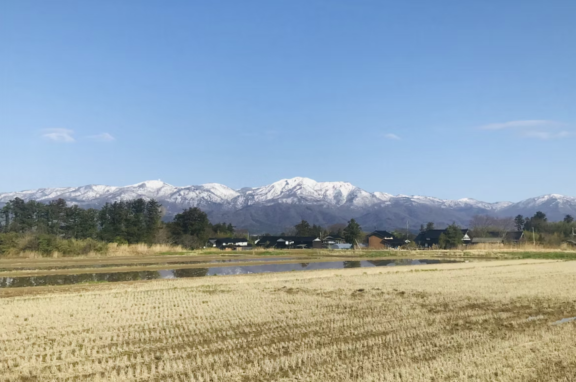
The dream of owning a piece of the Japanese countryside, complete with sprawling mountain views, crisp air, and space for a private garden, is becoming a tangible reality for global citizens.
In this article, we will explain the land price trends in rural Japan, why some investors are choosing rural areas, and the top rural locations for buying land.
Read on to learn why buying land in rural Japan could be a worthwhile option for achieving your investment goals.
What Are Land Prices Like in Rural Japan?
Driven by a historic demographic shift and the nationwide surplus of vacant properties (akiya), land prices in many rural areas (inaka) have remained stagnant or declined over the past several decades, although popular resort and tourism destinations have seen rising prices.
Japan has millions of vacant homes due to population decline, aging communities, and urban migration. Many rural municipalities operate akiya banks to attract new residents.
For those looking to buy land in Japan, the good news is that Japan generally places no legal restrictions on foreign individuals or companies purchasing and owning private land.
Depending on the property and transaction, however, buyers may be subject to reporting requirements under laws such as the National Land Use Planning Act or the Foreign Exchange and Foreign Trade Act.
Also read: Japan Moving Toward Tighter Rules on Foreign Property Ownership?
If you are thinking of stepping away from the concrete jungles of Tokyo or Osaka, here are the top rural locations for buying land in Japan, backed by infrastructure, affordability, and local support.
Why Investors and Expats Are Moving to the Inaka
Buying land in rural Japan offers more than just affordable real estate.
It provides a high quality of life for those who prefer a slower pace of living.
Many small towns are actively combating depopulation by offering financial subsidies for home construction (*).
(*) Terms and conditions apply. Please refer to the municipality’s website for details.
Additionally, rural living doesn't have to mean being isolated.
Fiber-optic internet is available across much of rural Japan, although speeds and availability still vary by municipality.
Many regional cities are served by the Shinkansen, while extensive conventional rail and expressway networks connect much of the country.
Top Rural Locations for Buying Land in Japan
When scouting the country for the best plots of land, these three regions stand out for their balance of natural beauty, affordability, and practical accessibility.
1. Furano, Hokkaido
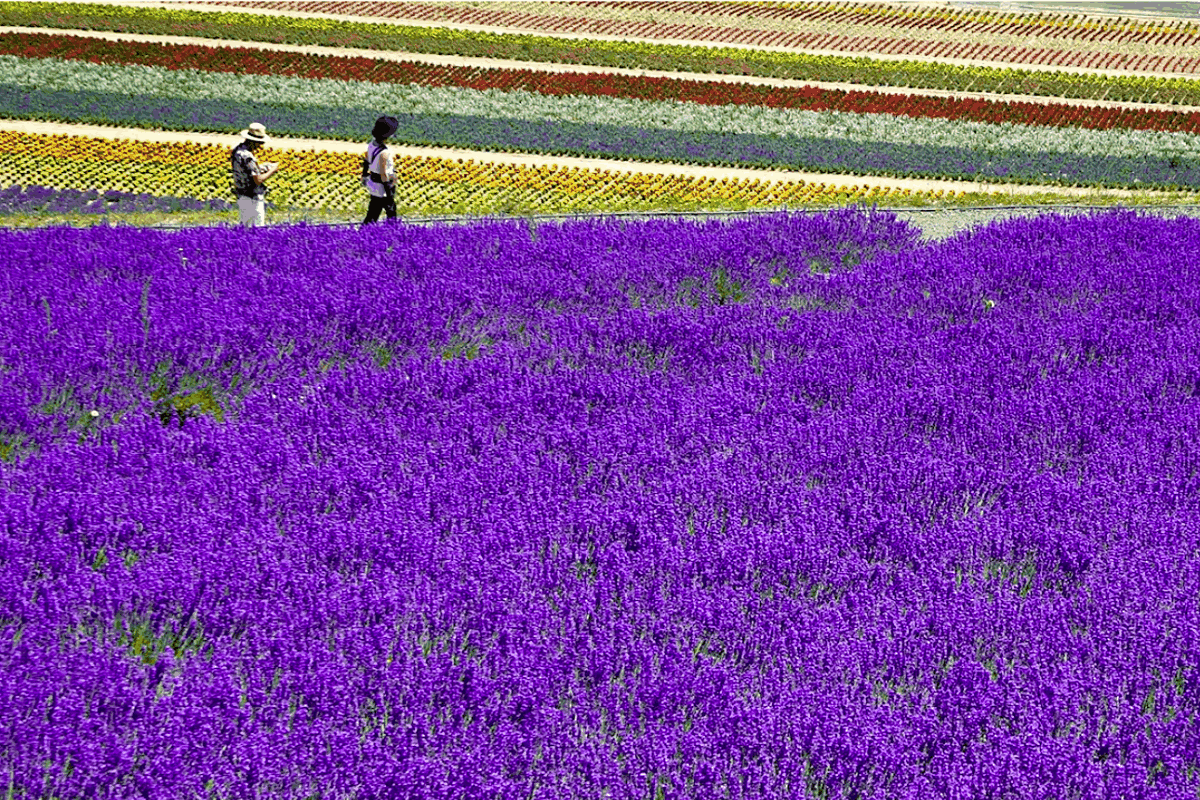
Driven by its ski resorts, lavender fields, and outdoor activities, Furano enjoys strong year-round tourism.
Land parcels are generally more affordable than those in nearby luxury resort areas including Niseko while still benefiting from tourism growth.
The area also offers strong long-term investment potential as Hokkaido continues to attract international visitors.
2. Hakuba, Nagano
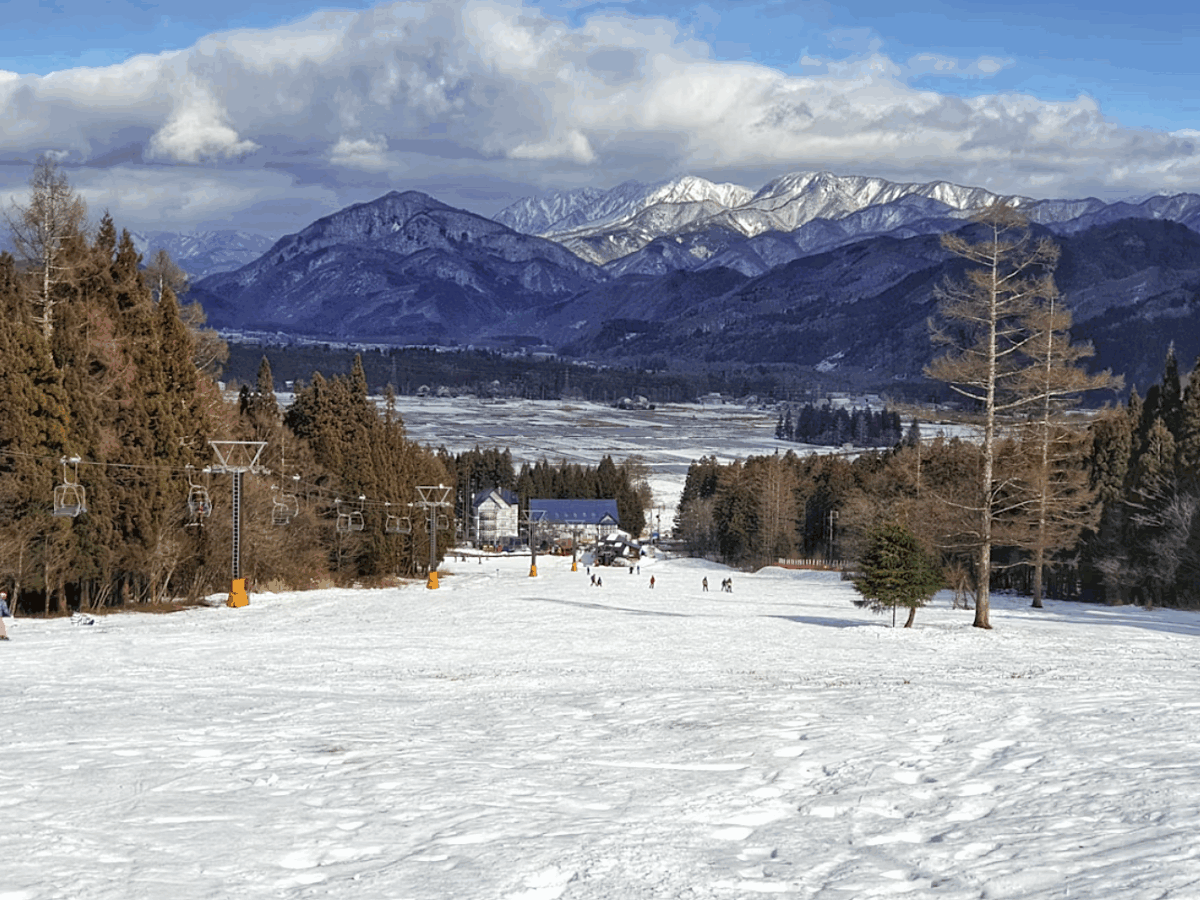
As an internationally recognized ski destination, Hakuba continues to attract growing numbers of foreign visitors with its four-season appeal, including hiking, mountain biking, and other outdoor activities.
Ongoing investment in hospitality and tourism infrastructure continues to support the local property market.
Land prices are rising rapidly.
In fact, Hakuba recorded a 22.8% increase in its official land prices in 2026, the fastest growth in Japan, followed by Nozawa Onsen Village, which saw a 21.7% increase.
Its easier access from Tokyo compared with many other rural destinations also makes it an attractive choice for weekend travelers.
3. Aso, Kumamoto
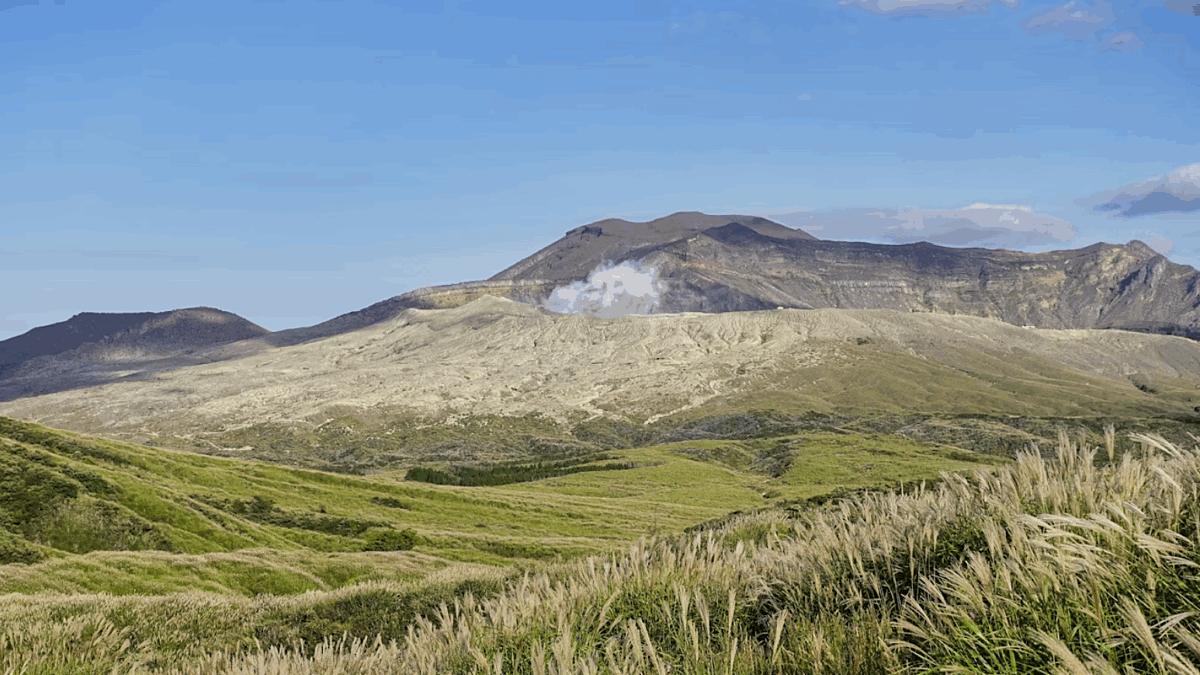
Aso boasts expansive landscapes surrounding one of the world's largest volcanic calderas.
It offers affordable land compared with many other tourist regions.
Growing interest in outdoor tourism, wellness retreats, and glamping makes Aso an attractive option for land buyers.
The area is also suitable for agricultural projects and countryside living.
One potential downside is that some areas are subject to volcanic hazards, so careful site selection is important.
Crucial Due Diligence, Pitfalls to Avoid
Before purchasing land via a municipal Akiya Bank or a local real estate portal, you should keep these three factors in mind:
1. Agricultural Zoning Laws (Nouchi-hou)
Check the use of the land plot. Land classified as farmland (nouchi) cannot easily be built upon.
Foreigners can buy farmland, but converting farmland or purchasing agricultural land is subject to Japan's Agricultural Land Act.
In practice, buying farmland purely as an investment or for residential development can be difficult.
You must secure permission from the local Agricultural Committee to convert its usage, a process that is strictly regulated.
2. Hazard Maps
Rural Japan is prone to earthquakes, typhoons, and landslides.
Always cross-reference your potential plot with the municipal Hazard Map to check for flood zones or steep-slope risks.
For more details, also read:
Risks of Real Estate Investment in Japan for Foreigners - Location & Natural Disaster Risks | What are They and How to Mitigate Them?
3. Community Participation
Countryside living requires community integration.
While you are expected to pay modest neighborhood association (jichikai) dues in almost every community in Japan, participation in local events, such as clean-up days and community festivals, is much more strongly encouraged in rural areas than in urban areas.
Summary
Buying land in rural Japan can be an attractive option for investors, second-home buyers, and anyone seeking a quieter lifestyle surrounded by nature.
While many rural areas continue to offer affordable land, destinations such as Furano, Hakuba, and Aso demonstrate that strong tourism demand, infrastructure improvements, and local revitalization efforts can create promising long-term opportunities.
Before making a purchase, however, it is essential to conduct thorough due diligence, including verifying land-use regulations, reviewing hazard maps, and understanding local community expectations.
With careful planning and the right location, owning land in Japan's countryside can be both a rewarding lifestyle choice and a valuable long-term investment.
Our team of seasoned professionals at PropertyAccess is dedicated to helping you navigate Japan’s real estate market with confidence.
With deep local knowledge and a commitment to personalized service, our experts are here to guide you every step of the way.
Book a Free Consultation Session with Our Team!