- Area Guides
Fujinomiya, Shizuoka: Everyday Living at the Foot of Mount Fuji
Last Updated: October 23, 2026
A definitive guide to Fujinomiya – a scenic city at the foot of Mount Fuji offering affordable housing, outdoor recreation, and easy access to Tokyo.
Table of Contents
Supervised By: Hiroki Kazato
Real Estate Expert
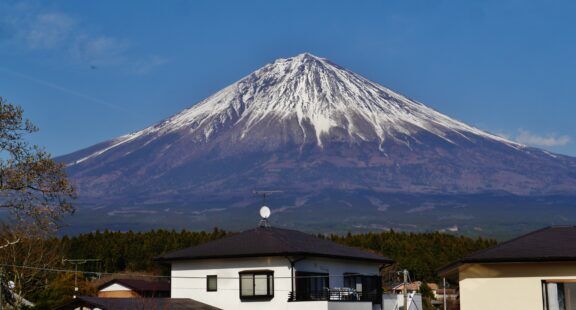
Few places in Japan allow you to see Mount Fuji as often as Fujinomiya. Nestled on the southwest side of Japan's most iconic mountain, Fujinomiya offers stunning views, affordable living, and a chill vibe that's a nice break from Tokyo’s hustle. Because it sits close to the mountain, homes often face sweeping vistas framed by trees. People who stay here drink crisp water straight from local springs, cool and clean tasting. Though climbers pass through every season, daily life stays calm and steady. Open spaces make walking, biking, or just sitting outside feel natural. From certain spots, sunrise paints the summit pink, visible right from backyards. Not everyone knows about these moments - they happen quietly, without notice.
Away from Japan's major areas like Tokyo, Yokohama, or Osaka, Fujinomiya fits well for foreigners settling in Japan. Rents stay low, daily living feels smooth, yet trains still link quickly to urban centers whenever needed. Here, city access blends quietly with mountain views and open air. Comfort comes without cutting ties to nearby peaks and greenery.
Area Overview
Fujinomiya sits in eastern Shizuoka Prefecture, right between Tokyo and Nagoya. It’s positioned at the southwestern foot of Mount Fuji and is a major starting point for climbing. Rooted deeply in tradition, the town took shape near the Fujisan Hongu Sengen Taisha temple, central to centuries of Fuji veneration.
Fujinomiya, home to around 130,000 people, moves at its own relaxed rhythm - quieter than Japan's sprawling urban centers yet still packed with city comforts. From bustling downtown spots all the way up to peaceful countryside stretches by the Asagiri Plateau, life here shifts shape block by block.
JR Fujinomiya Station is the main transportation hub here, located on the JR Minobu Line, and there’s also JR Nishi-Fujinomiya Station that locals use. Getting to the Shinkansen from Fujinomiya means a quick trip - roughly half an hour - to Shin-Fuji Station. Once there, hopping on the Tokaido line opens fast access to major stops. Tokyo Station shows up on the schedule around 70 minutes later by bullet train. No need to stay overnight; it fits neatly into a single day's travel plan. Approximate travel times:
- Shin-Fuji Station 20–30 minutes
- Tokyo Station 90–110 minutes
- Shinjuku 110–130 minutes
- Shibuya 120–140 minutes
- Shizuoka Station 45–60 minutes
- Numazu 40–50 minutes
These travel times make Fujinomiya a solid choice for remote workers, hybrid workers, and retirees, although commuting to central Tokyo every day might be tough.
Out there, getting around by car feels smooth because roads connect well. Reaching Tokyo or Nagoya? Not a problem - those trips flow fast thanks to both the Shin-Tomei and the older Tomei Expressways cutting through central regions.
Atmosphere and Vibe
The mountain dominates the skyline and influences so much of the city's character. When skies turn bright, people here start their mornings seeing what others come long distances just to photograph. Because it sits partly down near the base, plenty of neighborhoods catch that huge view of Fuji without trying.
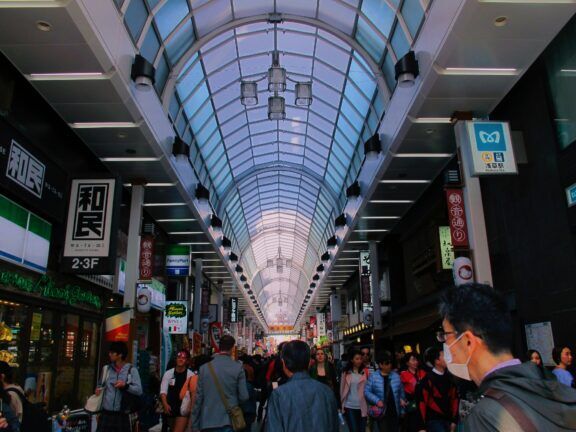
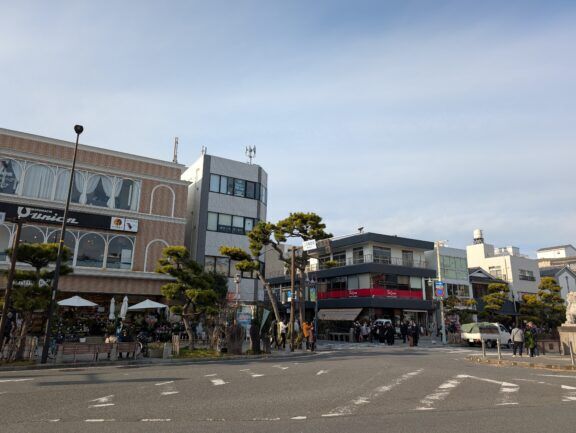
Fujinomiya Station's nearby downtown area stays grounded and functional. With grocery stores on one block, eateries tucked between them, market lanes winding through, classrooms ringing bells a few blocks off, small vendors dotting corners - daily life fits within walking distance.
Fujinomiya doesn’t put on a show just for visitors. Though people come to see Mount Fuji, most folks are busy living regular lives. Life moves at its own pace - no staged charm, no weekend getaway vibe. Instead of souvenir shops everywhere, you’ll find grocery runs and school commutes shaping the rhythm.
By midday, a quiet pattern settles in. As visitors wander toward views of Mount Fuji, residents move through their routines. Roads stay clearer compared to major urban centers, since foot traffic spreads out across open spaces. Fujinomiya grows still after dark. With few places to go, evenings lean toward home, shared meals, gatherings at local halls. Quiet settles early.
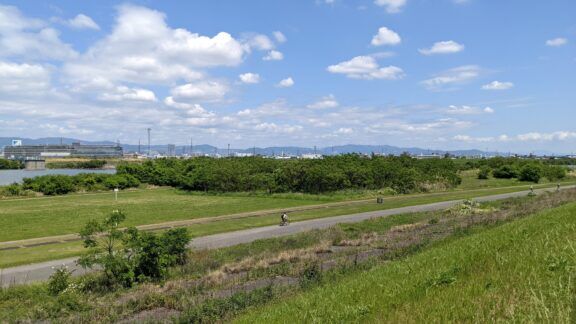
Central Fujinomiya is super convenient, with easy access to shops, schools, restaurants, and transport. Up above the city, the Asagiri Plateau feels like another world. Fields stretch wide beyond the urban edge, where farming still shapes daily life. Views of Mount Fuji rise sharply into sight without warning. Beauty here comes quietly, woven through quiet roads and working land. Few places nearby match its calm presence. Out near Shiraito and Kamiide, wide yards come standard, with homes spaced out on quiet land. Mountain peaks show up clear through living room windows, rising beyond tree lines and open fields.
Overall, Fujinomiya is great for people who appreciate scenery, outdoor fun, and a tight-knit community instead of a busy nightlife scene.
Tourist and Local Destination
Fujinomiya has some attractions that draw visitors from all over. Fujisan Hongu Sengen Taisha is a historic shrine is one of the top religious spots tied to Mount Fuji. Centuries ago, travelers began climbing from right here. Even now, it holds quiet importance for townspeople and those passing through. The air feels different near its gates.
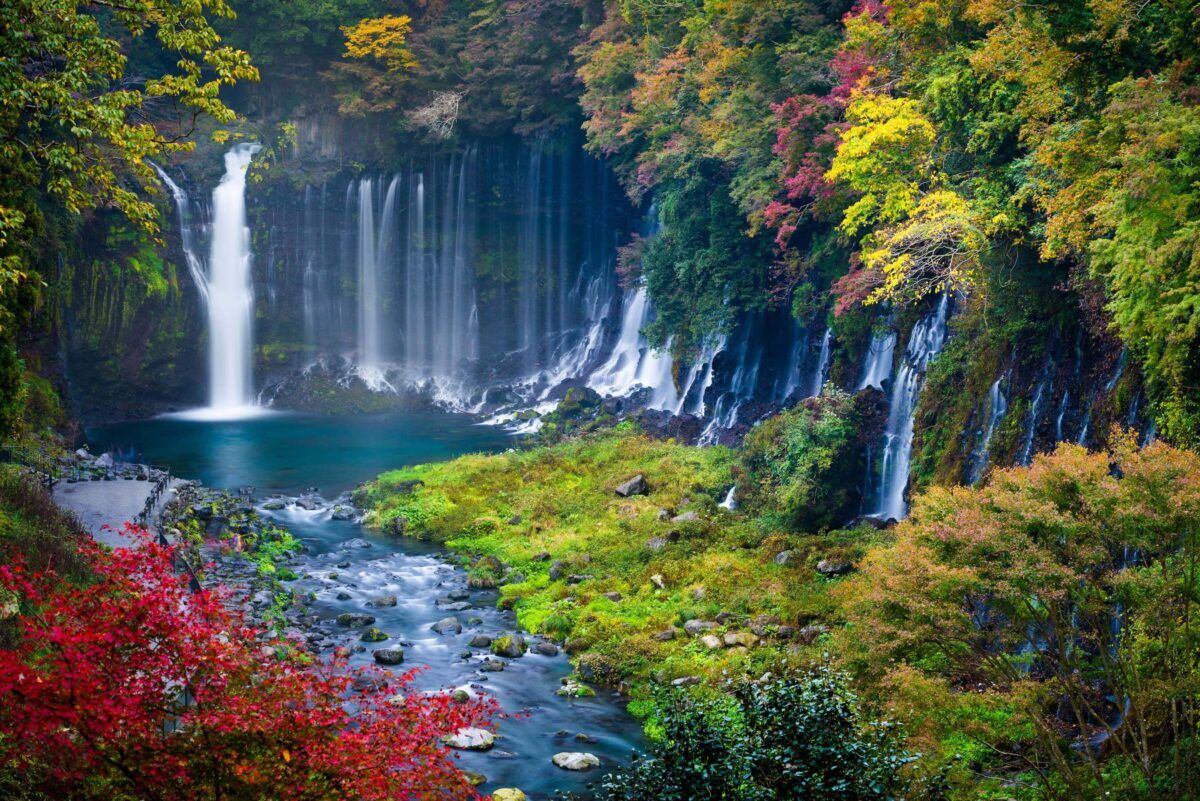
Known as one of Japan's most stunning waterfalls, Shiraito Falls is also part of the Mount Fuji World Heritage Site. This place wears its name well - "White Threads" - because of how the water slips down in thin veils. Not a single plunge but many tiny runs make up the sight. It rests within the Mount Fuji World Heritage area, known widely for quiet grace rather than power. Beauty here moves sideways more than straight down.
Hidden inside a quiet street, Mount Fuji World Heritage Center is a museum that unpacks how Mount Fuji shaped lives over centuries. Not just rocks and old photos - voices echo through generations here. Begin your look at the peak where people once prayed, worked, lived. Stories rise like mist from each display, linking land and memory. What stands today grew from ash, belief, daily struggle. Visitors leave knowing more than facts - they feel the weight of respect.
One of the area’s most gorgeous natural spots, Asagiri Plateau boasts rolling grasslands, dairy farms, hiking trails, camping spots, and some of the best views of Fuji you can find. Locals love going there on weekends for cycling, photography, picnics, and other outdoor fun.
Over by Lake Tanuki, people often stop just to watch how Mount Fuji sits perfectly in the water's mirror. Paths wind through the trees, giving spots to wander without rushing. When spring comes around, pink blossoms drape above the trails. Camping here feels quiet, even when others are near. Few places frame the mountain like this one does. Fujinomiya is also the launch point for one of the popular routes to climb Mount Fuji, starting from the highest fifth station among the mountain’s major climbing paths.
Local Food Scene
Fujinomiya Yakisoba has to be tasted if you're ever in the area - it's what the town is known for. Famous far beyond its borders, people here stand by their noodles with quiet confidence. From milk to butter, the farms take advantage of pure mountain flows nearby. Trout swim cold streams fed straight from Fuji’s slopes. Even vegetables grow richer tasting thanks to that same crisp water.
Livability
Fujinomiya shines as a place to live. Most people living there get by just fine. Supermarkets sit near clinics, while banks pop up beside schools - shops, eateries, and pharmacies fill the gaps in between. Though it doesn't boast the variety of larger cities, you can complete most everyday errands without having to go far.
Fujinomiya feels calm, much like the rest of Japan - crime hardly shows up around here. Because neighborhoods stick close, daily living tends to settle well. Whether you have kids, are winding down later in life, or on your own, comfort often finds its way through the quiet streets. Public schools cover every level across the city. When families want an international option, they often look toward Shizuoka City, Yokohama, or Tokyo instead. Residents can access local clinics and hospitals, and larger medical facilities are available in nearby Fuji and Shizuoka.
Fujinomiya experiences four distinct seasons. Summers are usually warm but cooler than many urban areas, while winters can be crisp and chilly, especially in higher areas near Mount Fuji. Snow happens sometimes, but it’s light in the city center. Out here, people hike, ride bikes, camp, fish, take photos, or simply walk through green spaces each day. What some see during holidays becomes ordinary routine for those living here. For outdoor lovers, few Japanese cities offer such easy access to nature while still having urban conveniences.
Real Estate: Rent and Property Information
Compared to Tokyo, Yokohama, and many parts of Shizuoka, Fujinomiya is pretty affordable. The housing market here attracts families, retirees, remote workers, and buyers looking for bigger homes without the big-city prices.
Monthly rents look like this:
- Studio / 1K Apartment: ¥35,000–¥60,000
- 1LDK–2LDK Apartment: ¥55,000–¥90,000
- Detached House: ¥80,000–¥150,000+
Properties farther from the station often offer more space for the same money. Homebuyers get great value compared to bigger urban areas. Approximate purchase prices include:
- Older Detached Home: ¥8–20 million
- Standard Family Home: ¥20–40 million
- Newer Detached Home: ¥30–60 million
- Large Countryside Property: ¥40–80 million+
Homes with great Mount Fuji views often cost more but are still affordable compared to equivalent scenic properties near Tokyo.
Fujinomiya's real estate scene is mainly driven by local demand instead of speculative investment. However, several factors support ongoing interest like proximity to Mount Fuji, growing domestic tourism, increasing appeal of remote work, strong lifestyle allure, and relatively affordable prices.
Vacation rentals can do well in touristy areas, especially near major attractions and access points to Mount Fuji.
Other Information
Car ownership is highly recommended. Unlike central Tokyo, getting around Fujinomiya is way easier with a car. Public transport is there, but many attractions and outdoor spots are much more accessible with a vehicle. For families especially, having a car often becomes part of daily routine.
Foreign buyers can purchase land and property in Fujinomiya just like Japanese citizens can. This opens the door for international investors, second-home buyers, and retirees.
Who Is Fujinomiya Best For? Fujinomiya is an ideal fit for:
- Remote workers
- Nature lovers
- Families looking for more space
- Retirees
- Outdoor enthusiasts
- Buyers wanting Mount Fuji views
- Investors interested in tourism-related properties
If you’re into nightlife, major shopping areas, and city buzz, Fujinomiya might feel a bit too laid-back. But if you want to wake up every day with Mount Fuji in your view, embrace a slower pace of life, and still stay connected to Tokyo, Fujinomiya is one of Japan's most charming hidden gems to call home.
Source
- Fujinomiya City Tourism Association – Official Website
- Fujinomiya City Tourism Association – What is Fujinomiya?
- Fujinomiya City Tourism Association – Access to Fujinomiya
- Fujinomiya City Tourism Association – Viewing Mount Fuji
- Travel Fujinomiya – Getting Here
- Travel Fujinomiya – Official Travel Guide
- Japan Guide – Fujinomiya Travel Guide
- Encyclopaedia Britannica – Fujinomiya
Our team of seasoned professionals at PropertyAccess is dedicated to helping you navigate Japan’s real estate market with confidence.
With deep local knowledge and a commitment to personalized service, our experts are here to guide you every step of the way.
Book a Free Consultation Session with Our Team!