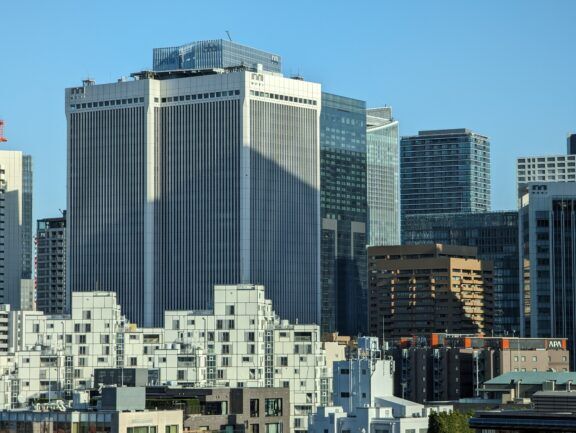
- Area Guides
Akasaka, Tokyo - A Strategic Business District with Residential Sophistication
Last Updated: October 23, 2026
A definitive guide to Akasaka, Tokyo – one of Tokyo’s most central and polished districts for business and daily living.
Table of Contents
Supervised By: Hiroki Kazato
Akasaka is part of central Tokyo, where political activity meets commerce, cultural spaces blend with homes. Elegance exists here without rigidity, energy flows though never spills into chaos. For those drawn to locations pulsing with urban character while offering comfort in routine living, this district presents a quiet strength. Consideration may naturally turn toward it when weighing options within the city's heart.
Area Overview
Akasaka lies within Minato Ward, positioned at Tokyo's core. Near Nagatacho, Roppongi, and Aoyama, its location places it among hubs of governance, global commerce, and long-standing homes. Because of where it sits, movement defines much of its character - arrival here seems less common than passing through. From one area into another, the district serves more as transition than destination.
Served by three underground stops - Akasaka, Akasaka-Mitsuke, and Nagatacho - the district links directly to key rail routes. Access to major train networks begins at these points. Running through Akasaka Station is the Chiyoda Line, operated by Tokyo Metro. Connection between Ginza and Marunouchi Lines appears at Akasaka-Mitsuke. In addition to those, Yurakucho, Hanzomon, and Namboku services reach via Nagatacho. Such extensive transit availability defines a central benefit here. This density of service stands out clearly.
Travel durations to major commercial zones and living districts prove brief. Reaching Tokyo Station or the Marunouchi district takes 10 minutes via the Marunouchi Line. For Shibuya Station, travel spans roughly 15 minutes using the Ginza or Hanzomon Line. Shinjuku Station lies fifteen minutes away when boarding the Marunouchi Line. Simplicity defines each route. Service frequency stays reliable even at peak hours.
Transportation in Akasaka operates without reliance on a single private rail operator, which helps bypass congestion common elsewhere. Though subtle, this setup contributes to smoother commutes and easier movement during regular work trips. Comfort arises quietly, simply because fewer restrictions shape the flow of travel here.
Read More
Hiroo, Tokyo: An Upscale Residential Neighborhood with International Appeal
Aoyama, Tokyo: Tokyo’s Refined Blend of Luxury, Design, and Urban Living
Atmosphere and Vibe
During daytime, Akasaka feels focused on official matters. Government buildings stand alongside company headquarters, media production sites, and diplomatic missions. Professionals in formal attire pass from one appointment to the next. Cafes reach capacity well before noon. Vehicles line up at curbs close to high-rise workplaces. Order prevails throughout the district. Efficiency shapes its rhythm.
In the evening, the atmosphere shifts. Office windows go dark while restaurant signs begin to glow; community life emerges across the neighborhood. Known for dining and evening activity, Akasaka holds lasting appeal. Choices range from refined traditional meals to simple bars hidden down narrow lanes. Unlike Roppongi, evenings here feel closer, quieter, contained within tighter streets.
Weekend days shift the rhythm entirely. Absent the usual flow of commuters, Akasaka settles into quietness, almost like a neighborhood untouched by rush. Space seems to stretch - sidewalks broaden, avenues breathe easier. Inside cafés, stillness replaces chatter; chairs stay empty more often than not. Families unfold blankets on grassy patches while lovers wander temple paths, replacing suits with slow steps and shared glances. What was once loud now feels hushed, what moved fast now drifts gently - a contrast that defines much of this area's appeal. Standing tall beside modest homes, glass towers define parts of Akasaka’s skyline. Near sleek corporate spaces, age-old dining halls and sacred sites remain rooted. What appears unplanned carries deep roots - shaped by decades of governance and artistic life sharing ground. The layout does not feel forced; it evolved.
Read More
Azabu-Juban, Tokyo: A Historic Neighborhood with a Modern, Global Lifestyle
Roppongi, Tokyo: Tokyo’s International Hub of Business, Culture, and Nightlife
Tourist and Local Destinations
Akasaka is not as popular compared to other central Tokyo districts. However, there are still alot of places to wander if you stumble upon this area.
Away from the busy streets, Hie Shrine rests beneath leafy branches. Though close to corporate towers, quiet fills the space between its paths. Leading upward, crimson gates form steps that soften the city's noise. Even when crowds pass, stillness holds near the entrance. Visitors often come seeking favor for work and professional matters.
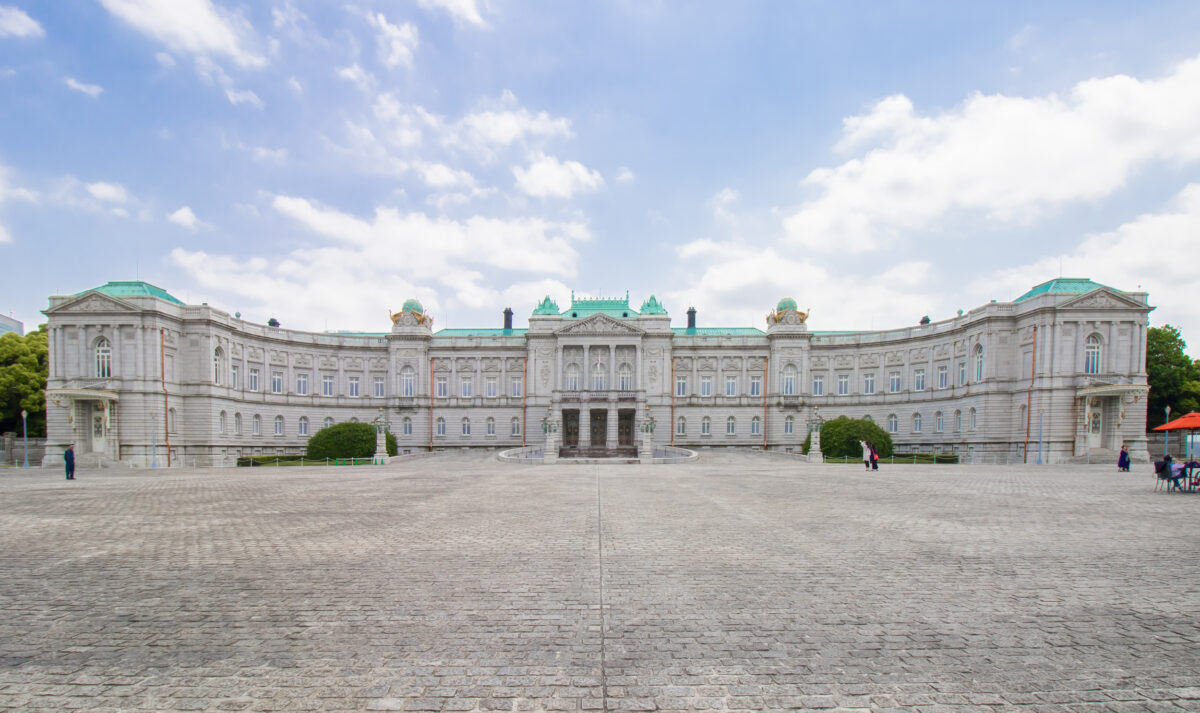
The Akasaka Palace (State Guest House) - a structure shaped by neo-Baroque ideals stands among Tokyo’s darker brick facades, rare in its kind. Though hosting international guests, access occurs publicly during select times. Symmetry defines the green spaces here, an arrangement seldom viewed within urban bounds.
Akasaka Sacas centers on the TBS Broadcasting building, forming one interconnected site. Within it, workspace blends with retail through performance halls and shops. People living nearby arrive daily for midday meals under open skies. Events shift with each season, unfolding outside without charge at various times. Engagement happens casually - through music, movement, or simply being present.
Found within the city center, Toyokawa Inari Tokyo Betsuin site blends elements from both Shinto and Buddhism in a way few others do. Marked by numerous fox figures, it carries an intensity of presence that feels rare. Quietness defines the space, most clearly when dawn light reaches the stone paths. The mood shifts subtly as visitors move through the grounds, shaped more by stillness than sound.
Some Key Destinations
Hie Shrine - Famous shrine with red torii path and Edo history; worth a stroll from Akasaka central area.
Akasaka Palace- Historic neo-Baroque former imperial residence and state guesthouse — stunning architecture and gardens (viewable even if tours are occasionally closed).
Akasaka Sacas - Vibrant entertainment, dining, shopping, and events complex centered around the TBS broadcast headquarters — also hosts seasonal activities and performances.
Toyokawa Inari Tokyo Betsuin - Temple with fox statues and lush garden
Read More
Den-en-chofu, Tokyo: Tokyo’s Most Prestigious Suburban Residential Area
Shirokane, Tokyo: Quiet Luxury Living Near Central Tokyo
Livability
Living comfortably comes naturally in Akasaka, particularly for those valuing efficiency and practical routines. Getting what one needs each day requires little effort. A grocery store, drugstore, medical office, plus fitness center lie just minutes away on foot. Shops offering quick purchases appear frequently throughout the area. Alongside them stand select gourmet grocers catering to working foreigners and career-focused residents.
Healthcare access here proves strong. Located nearby - within walking distance or a short bus ride - are top-tier medical centers, including global-standard clinics in Roppongi and Aoyama. What stands out: a notable number of physicians and staff come from Europe or North America, offering familiarity during adjustment to daily life abroad.
Akasaka feels calm once experienced beyond initial impressions. Although playgrounds for young children are absent, nearby green spaces offer alternatives. The Aoyama Cemetery provides quiet areas, while Minato Ward maintains several sizable parks. Access to education includes international institutions located a short way away. Bilingual early learning centers also exist within manageable reach.
Few places match Minato Ward when it comes to prioritizing security. Among Tokyo's districts, this stands out due to exceptionally low criminal activity. Lighting along sidewalks meets practical needs without excess glare. Authorities maintain a visible presence while remaining unobtrusive. After dark, movement through neighborhoods feels calm, free from perceived danger.
Generally speaking, Akasaka proves a worthwhile place to reside, with minimal disadvantages present. Apartments there tend to be more compact compared to districts beyond central Tokyo, while access to open green zones remains modest at best. Still, from the viewpoint of numerous locals, advantages clearly outweigh such constraints.
If your lifestyle revolves around a balance between work and life, trying out the latest restaurants, and minimizing your commute, then Akasaka is the place for you to thrive.
Read More
Toranomon, Tokyo: A Rapidly Evolving Business and Innovation District
Kichijoji, Tokyo: One of Tokyo’s Most Livable Neighborhoods with Urban-Nature Balance
Real Estate: Rent and Property Prices
Despite its prime location, Akasaka maintains a level of appeal that few districts match. Priced higher than most parts of Tokyo, it holds firm when measured against nearby zones like Roppongi or Azabu. Though central living comes at a cost, demand stays strong due to proximity and convenience. When compared to similar neighborhoods, value does not drop off sharply.
Apart from larger units, studios or single-room homes often fall within a monthly bracket of ¥150,000 to ¥250,000. Location proximity to transit hubs influences cost, just as much as age of construction and square footage do. Units with two bedrooms generally begin near ¥300,000 each month. Above that figure, especially in recently completed high-end complexes, prices may climb past ¥500,000.
Despite being constructed decades ago, some structures offer minimal room yet lack added comforts. Built primarily with reinforced concrete, a majority of rentals provide solid resistance to seismic activity along with decent noise reduction. Though dated units tend to feel compact, newer ones often include secure parcel storage instead of human-staffed support desks.
One factor among many shapes how much real estate costs. In Akasaka, apartment prices typically fall between ¥1.5 million and ¥3 million per square meter. Locations near transit hubs - also units offering notable vistas - tend to rise above these figures.
It is widely recognized that individuals from overseas participate in Akasaka’s housing sector. Ownership rules in Japan allow non-residents to acquire property, a point appreciated by most international residents within Minato Ward. Demand remains steady at resale level, supported equally by domestic purchasers and those living abroad temporarily.
Despite purchasing for investment purposes, yearly rental interest stays consistent. Typically, occupants work in corporate roles or hold executive positions. Though returns might fall below those seen in less secure outer areas, unit vacancies occur much less often.
Read More
Nakameguro, Tokyo: Stylish Riverside Living with Easy City Access
Kagurazaka, Tokyo: Old-World Charm Meets Everyday City Life
Jiyugaoka, Tokyo: Relaxed Elegance with a Creative Soul
Other Information
Getting around the area is easy for foreigners because movement through Akasaka tends to be straightforward. Public signage often appears in English, particularly near transit points or large facilities. Dining establishments frequently offer translated menus while employees handle international guests with regular practice. At times, simple directions come without confusion.
Known for supporting international visitors, Minato Ward provides administrative support. Assistance in English is available when enrolling in residency programs, applying for health coverage, or handling related procedures.
Internet and mobile signals run strong throughout the city, supported by widespread infrastructure. Fiber optics serve most structures by default, reflecting consistent building expectations. Utility performance remains notably steady across districts. Planning for seismic events has been addressed thoroughly by local officials.
A note on sound levels begins here. Though quieter than zones packed with evening venues, pockets around Akasaka hum with activity after dark. Certain lanes close to clubs stay lively well past midnight. Seeing a place by daylight reveals one character; returning when streetlights glow shows another. Each visit adds clarity before deciding.
Akasaka suits individuals seeking swift relocation to Tokyo while keeping convenience close at hand. Though quiet, its influence stands firm each morning like light over the city.
Sources
- Tokyo Metropolitan Government – Minato Ward Overview
- Japan Guide – Akasaka Area Guide
- Real Estate Japan – Housing and Rent Trends
- Minato City Official Website (Foreign Resident Support)
- Statista – Japan Real Estate Market Data
Our team of seasoned professionals at PropertyAccess is dedicated to helping you navigate Japan’s real estate market with confidence.
With deep local knowledge and a commitment to personalized service, our experts are here to guide you every step of the way.
Book a Free Consultation Session with Our Team!