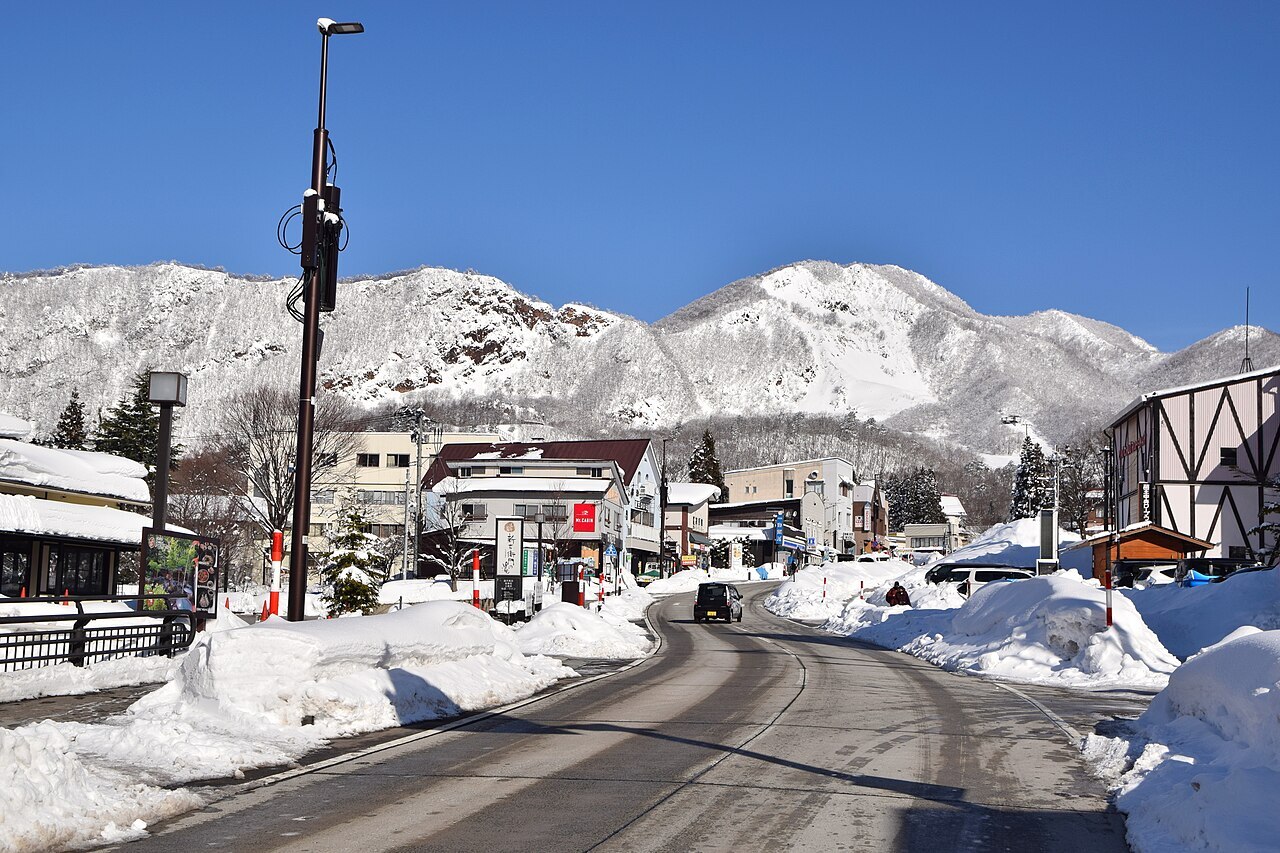
Zao Onsen, Yamagata: Snow Monsters, Historic Baths, and Untapped Value
Last Updated: 9월 16, 2026
A definitive guide to Zao Onsen – explore snow monsters, historic hot springs, ski slopes, accessibility, local lifestyle, property prices, and emerging resort investment potential.
목차
Supervised By: 카자토 히로키
Real Estate Expert
Zao Onsen is a unique mountain retreat in the northeastern corner of Japan. Located in the Yamagata Prefecture, the area boasts a hot-spring town and a large ski resort, as well as the spectacular winter landscape of the snow monsters. While the region's winter attractions are a draw, the sulfur springs, traditional ryokan, and narrow lanes have a charm all their own.
Zao Onsen is a great place to buy property due to the region's lack of international branding. Compared to the established destinations Niseko, Hakuba and the emerging resorts, Zao Onsen's property prices tend to be more favorable to buyers, particularly for older buildings, ryokan and fixer-uppers. It should also be noted, however, that the market is smaller and far more reliant on the winter season.
Read More
Japan Property Investment Guide for Foreigners
Area Overview
Zao Onsen is a mountainous region of Yamagata City, near the border with Miyagi. At 880 meters, Zao Onsen is surrounded by the Zao mountain range and is a historic hot-spring town, as well as the center of the Zao Onsen Ski Resort.
Unlike many ski resorts, Zao Onsen has a long history as a hot-spring town, with the area's sulfur springs frequented since over 1,900 years ago.
The closest main train station to Zao Onsen is Yamagata, which can be reached by the Yamagata Shinkansen. This takes roughly 2 hours and 30 minutes from Tokyo, with an additional 40-45 minute bus ride needed to reach Zao Onsen.
Access and Transportation
| Destination / Area | Main Route | Approx. Travel Time |
|---|---|---|
| Tokyo | Yamagata Shinkansen → Yamagata → bus | Approx. 3 hr 15 min |
| Yamagata Station | Yamagata Shinkansen | Approx. 2 hr 30 min from Tokyo |
| Sendai | JR / bus connections | Approx. 1.5–2 hr |
| Yamagata Airport | Bus / car | Approx. 1 hr |
| Zao Onsen → Yamagata Station | Direct bus | Approx. 40–45 min |
| Zao Onsen → Zao Ropeway | Local bus / walk | Local resort access |
| Zao Onsen → Zao Ski Resort | Walking / local lifts | Direct village access |
While the Yamagata Shinkansen provides excellent transport links to Zao Onsen from Tokyo, the final leg into the mountainous region can be challenging compared to resorts which boast a direct access to a bullet-train station.
For international visitors, Sendai Airport is an alternate gateway into the region, and is a good option for visitors looking to explore the Tohoku region and Miyagi in particular.
Atmosphere and Vibe
Zao Onsen has the feel of an authentic mountain village, rather than a resort. The village has a unique charm centered around its hot-spring baths, as narrow streets wind through the village, filled with wood and paper ryokan, restaurants, souvenir shops, public baths, and footbaths. During the winter the village is filled with the scent of sulfur, as the hot-spring area is steaming.
This authentic village feel is one of Zao Onsen's chief attractions.
Winter
Winter time is when Zao Onsen comes alive. With snow-capped mountains, ski runs, hot-springs and the famed snow monsters, the region attracts international visitors as well as skiers from all over Japan, both local and from abroad.
Skiers can enjoy both beginner and advanced slopes, while the non-skiers can also enjoy the spectacular sights of the snow monsters from the comfort of the ropeway. The village is then filled with skiers returning to the village after a day on the slopes, as well as people heading to dinner or to the hot-springs.
Other Seasons
Compared to the busy winter season, other seasons are fairly quiet in Zao Onsen. Popular with hikers, the area sees many visitors during spring and summer, as snow melts and wildflowers bloom across the region. Autumn also sees visitors come to enjoy the natural beauty of the area, making the region an attractive buy for investors looking to maximize their returns.
While Zao Onsen has many attractions other than skiing, its economy is highly reliant on the winter season. As such, it is important to consider the appeal of the region as a whole, and not only its skiing facilities, when considering real estate investment.
Tourist and Local Destinations
Zao Onsen Ski Resort
The Zao Onsen Ski Resort is the beating heart of the region, and one of Japan's largest ski resorts. Featuring over 30 courses as well as some of the most remarkable tree runs in Japan, the resort boasts some of the finest powder snow in the country.
With the resort's easy beginner courses located in the valley and more challenging ones on the higher slopes, the Zao Onsen Ski Resort is a great choice for both skiers and snowboarders of all skill levels.
The Snow Monsters
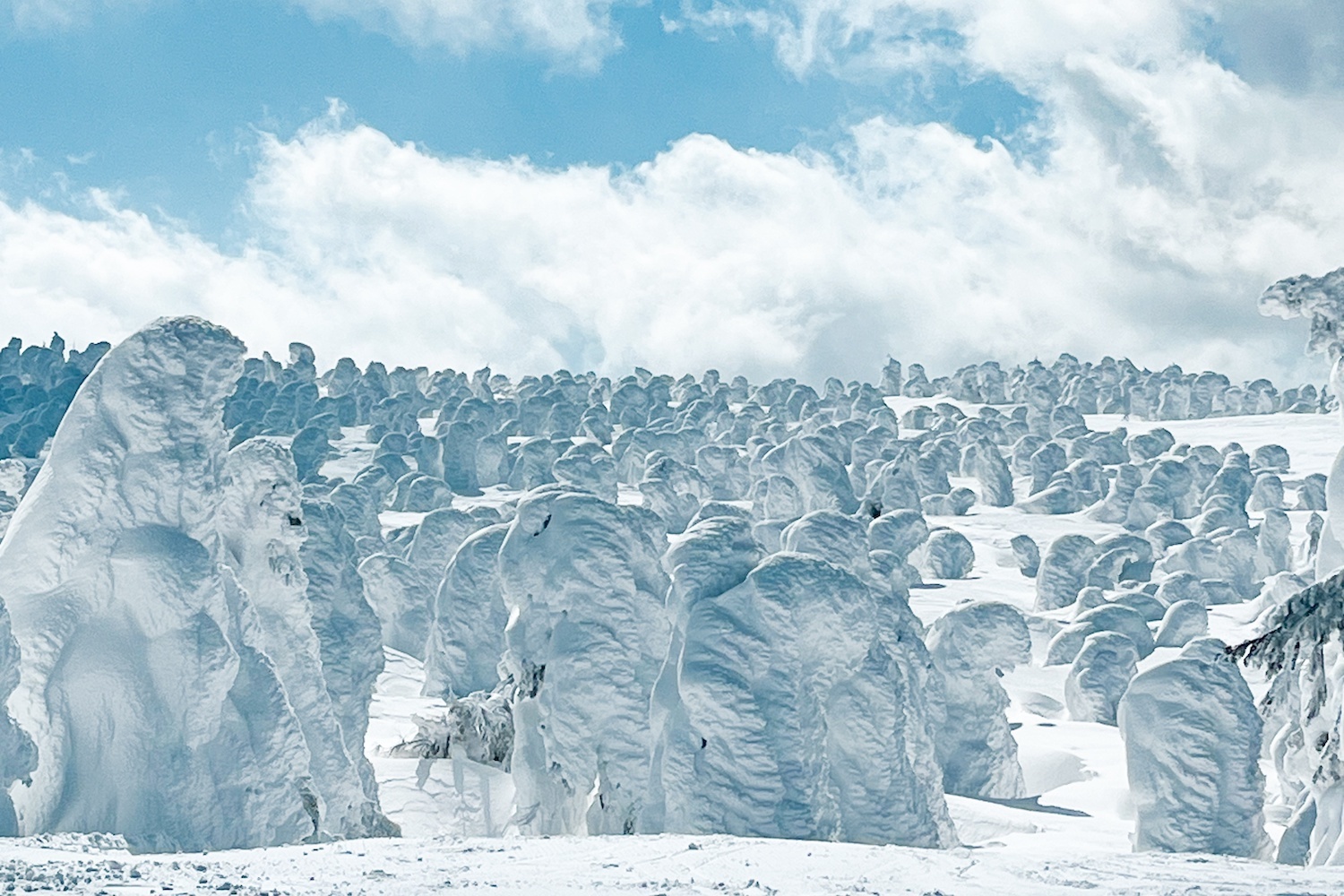
The Zao Snow Monsters are the main winter attraction of the region. Formed by the strong winds picking up moisture from the Sea of Japan and freezing it onto the fir trees, these impressive ice-encrusted trees are a major draw for visitors to the region, and a great photo opportunity.
The best place to view the snow monsters is the Zao ropeway, which offers spectacular views of the ice formations from several observation decks, as well as night viewing.
Zao Onsen
The hot-spring baths of Zao Onsen are the lifeblood of the region, with three public baths (Kami-yu, Shimo-yu, and Kawara-yu) available to local and visiting visitors. Offering a cheap and easy way to enjoy Zao's mineral-rich water, the public baths can be a great way to experience the local culture, as well as view the spectacular mountain views.
The Zao Onsen are particularly known for being quite acidic and high in sulfur which adds to the strong scent and unique qualities of the water.
Zao Dai-Rotenburo
The Zao Dai-Rotenburo is an open-air bath unique to the region, and a must-visit destination for visitors interested in hot-spring bathing. Surrounded by snow-draped wilderness in the winter, this natural hot-spring is particularly impressive during the cold season.
Zao Ropeway
The Zao Ropeway is a transportation link between the hot-spring village of Zao Onsen and the ski resort area above the village. Popular in the winter as a means to see the snow monsters, the ropeway is a useful tool to experience the natural beauty of the Zao mountains, and well worth a visit in all seasons.
Okama Crater
The Okama Crater is one of the region's premier attractions around the greater Zao area. This deep crater is filled with a stunning emerald lake, and located high in the mountains between Yamagata and Miyagi, accessible by road in warmer months.
Livability
Zao Onsen is a fantastic region for those who wish to enjoy the mountain village lifestyle, without having to sacrifice proximity to conveniences. The village of Zao Onsen has several restaurants, convenience stores, hotels and ryokan, as well as ski equipment shops and other specialty shops. For more serious shopping and access to hospitals and schools, visitors and residents alike will need to visit Yamagata, which can be accessed easily by road or bus. This allows visitors and residents to both enjoy the mountain life while still being able to enjoy the conveniences of a major city, all within reasonable travel time.
International Community
While Zao Onsen has a growing international community, the area is still far smaller in this regard than Hakuba or Niseko. There are some areas offering services in English around the main hubs of the ski resort and accommodation, but overall much of daily life is conducted in Japanese.
For some buyers this could be seen as an upside, as Zao Onsen is a great choice for those looking for an authentic Japanese mountain village with minimal international influence.
Food and Local Culture
The local food specialties of Zao Onsen are deeply connected to Yamagata Prefecture, and the area is famed for its agricultural produce. Particularly famed for its Yamagata beef, soba noodles, and cherries, visitors and residents can enjoy local specialties such as the regional stew imoni, made with taro and meat.
Real Estate: Rent and Property Information
While not nearly as expensive as Japan's most sought-after ski resorts, potential buyers should carefully consider the many factors which can influence the price of a property.
Land Prices
The land prices of Yamagata City, including Zao Onsen are quite varied, ranging from urban land prices to mountainous areas fit for little more than hiking. While Zao Onsen's land prices tend to be lower than the city center, areas closer to the resort or with a view of the slopes might see significantly higher prices.
As per 2026 data from Tochidai, Zao Onsen's land prices are significantly lower than the land prices of Japan's most expensive ski resorts.
| Property Factor | General Market Position |
|---|---|
| Resort-center land | Higher premium |
| Land farther from lifts | More affordable |
| Older houses | Lower entry price |
| Traditional ryokan | Potentially attractive but renovation-intensive |
| Ski-access properties | Higher demand |
| Commercial accommodation | Strongest winter potential |
Due to the variation of land prices, it is easy to see how individual property values can change dramatically depending on the specific location and other factors. As such it is best viewed as a rough guideline for buyers.
Traditional Properties
One of the unique opportunities awaiting buyers in Zao Onsen is the traditional accommodation sector. Many older ryokan, minshuku (Japanese-style guest houses), pensions (German-style guesthouses), and traditional homes were built in the region before its recent popularity boom. Unfortunately many of them are not currently in operation, require significant renovation and/or fall under strict business-use regulations. However for an experienced buyer this can represent an excellent opportunity to acquire a property in a desirable tourism area, as well as renovate the building into a desirable lodge or rental cabin.
Rental Potential
Being a destination for both skiers and hot-spring visitors, the region has fantastic rental potential. Particularly, properties located near ski lifts, the ropeway, restaurants, and public baths would have the best potential for securing renters. The combined appeal of the Zao Onsen Ski resort and the hot-springs can greatly aid in filling a rental property with guests seeking a traditional Japanese mountain experience, rather than a more modern ski resort stay. Furthermore, the snow monster tourism also has the potential to attract non-skiers, further increasing the appeal and value of a rental property.
On the other hand, it should also be kept in mind that the rental property market is highly seasonal. While a ski resort stay is only possible in the winter, many visitors looking for an alternative to cold-weather recreation are likely to visit Zao Onsen in the summer, particularly to view the spectacular wildflower fields and hiking opportunities. As such it is important to keep in mind the appeal of the region in the summer and autumn months, particularly for visitors looking for an alternative to skiing.
Interested in buying property in Japan's resort areas? PropertyAccess specializes in real estate across Japan's premier resort destinations. If you would like to explore available properties or discuss your options, book a private consultation using the link below.
🔗 Book a Free Consultation Session with Our Team 🔗
Other Information
Zao Onsen represents an intriguing opportunity. With its combination of heavy snowfall, snow monsters, world-class skiing, ancient onsens, and traditional hospitality, Zao has it all. And while it is considerably less well-known than Niseko or Hakuba, its lower profile serves as an advantage to those seeking to acquire real estate there. The place is still developing, and snow monsters attract lots of visitors every year, making Zao a destination that offers excellent potential for both domestic and international tourism.
Foreign Ownership
Foreigners are generally not restricted from buying real estate in Japan – even those who do not hold Japanese citizenship or permanent residency. However, it is important to remember that purchasing property does not grant residency rights in Japan. If you plan on using your Zao property as a second home, it is best to research visa and immigration requirements in tandem with your real estate search.
Snow and Maintenance
While snow is a large part of Zao’s appeal, it presents unique challenges any buyer should research.
Consider asking the following questions before purchasing a property:
- What is the roof made of and what is its snow load rating?
- Is it easy to heat?
- Is it well insulated?
- Are the pipes winterized?
- What about drainage and snow removal?
- How is the road access?
- What is the age of the building?
- Are the winter utilities costs manageable?
Especially in the case of older buildings, a traditional house, or a ryokan, large-scale renovations can be necessary.
Natural Hazards
Buyers should also be aware of Zao’s natural hazards. Being a mountainous volcanic region, landslides and flood warnings are common during the warm season. Additionally, with regards to winter sports, Zao has very specific road conditions during the winter and snow-covered slopes present additional dangers for summer activities.
It is important to familiarize yourself with local hazard and weather forecasts before purchasing a property, especially if you are considering buying on a slope or outside the village.
Short-Term Rentals
If your intention is to turn the bought property into a short-term rental, it is best to research local laws and regulations pertaining to such businesses. Depending on the region and the type of establishment, additional restrictions or requirements for fire-safety, insurance, and local zoning laws may apply.
Final Thoughts
Zao Onsen’s charm will continue to endure, being one of the few traditional onsen towns in Japan. So, for someone seeking to buy property in a Japanese ski resort it is worth considering. It has a large domestic market to support any purchase, but also provides considerable opportunity for foreign investment.
In Zao, a property closer to the center would appeal to both skiers and onsen-goers, while a traditional ryokan or lodge could be renovated to fit the tastes and expectations of international visitors. On the outskirts of the village a buyer would find cheaper real estate options that might require some additional work to be habitable in Zao’s winter climate.
Of course it is imperative to remember that Zao is a snowy town and its winters dictate much of the local economy. As such, potential buyers should be mindful of the additional expenses that come with snowy winter weather. Similarly, purchasing older buildings might require renovations. And while Zao presents considerable opportunity, it also has competition from other resorts both in Japan and abroad.
However, this serves as a great advantage for those considering buying property in Zao Onsen. Because the market is far smaller than one might expect for a place with so many appealing qualities, there is much room for growth. And if you are considering buying property in a traditional Japanese resort town, it is well worth looking into.
Source
- Zao Onsen Tourism Association – Official Guide
- Japan National Tourism Organization – Zao Onsen Ski Resort
- Yamagata Prefecture – Official Tourism Information
- Yamagata City – Official Website
- Zao Ropeway – Official Website
- Zao Onsen Ski Resort – Official Website
- Tochidai – Yamagata Land Price Data
- Japan MLIT – Real Estate Information Library
- Japan National Tourism Organization – Yamagata
Our team of seasoned professionals at PropertyAccess is dedicated to helping you navigate Japan’s real estate market with confidence.
With deep local knowledge and a commitment to personalized service, our experts are here to guide you every step of the way.
Book a Free Consultation Session with Our Team!
PropertyAccess의 노련한 전문가 팀은 여러분이 일본 부동산 시장을 자신 있게 탐색하실 수 있도록 최선을 다해 지원해 드립니다.
풍부한 현지 지식과 맞춤형 서비스에 대한 헌신을 바탕으로, 저희 전문가들이 부동산 구매 과정의 모든 단계에서 고객님을 안내해 드립니다.
무료 개별 상담 예약하기
(예약 화면은 영어로 표시됩니다.)