- 기타
Risks of Real Estate Investment in Japan for Foreigners - Operational Risks What are They and How to Mitigate Them?
Last Updated: 10월 23, 2026
Learn the key risks of investing in Japanese real estate, from vacancies and bad tenants to property management and maintenance issues, with practical mitigation tips.
목차
Supervised By: 카자토 히로키
Interested in Japan but not sure what to be cautious about?
Would you like to be thoroughly informed of risks in property investment in Japan?
When venturing into a new investment, it is always important to know the benefits and the risks behind it so that you can make an informed investment decision.
While many websites only talk about the benefits of investing, I will talk about the risks of property investment in Japan.
Investments always come with some risks, but it is totally different if you are aware of them or not.
Read this article about operational risks of real estate investment in Japan, be informed, and prepare countermeasures or strategies to mitigate those risks.
Also read:
Top 15 risks in real estate investment in Japan
- Risks of Real Estate Investment in Japan - Market Risks
- Risks of Real Estate Investment in Japan - Location & Natural Disaster Risks
- Risks of Real Estate Investment in Japan - Legal and other Japan-Specific Risks
Risks of Real Estate Investment in Japan - Operational Risks
- Vacancy Risk
- Bad Tenant Risk
- Maintenance Risk
- Property Management Agency Risk
1. Vacancy Risk
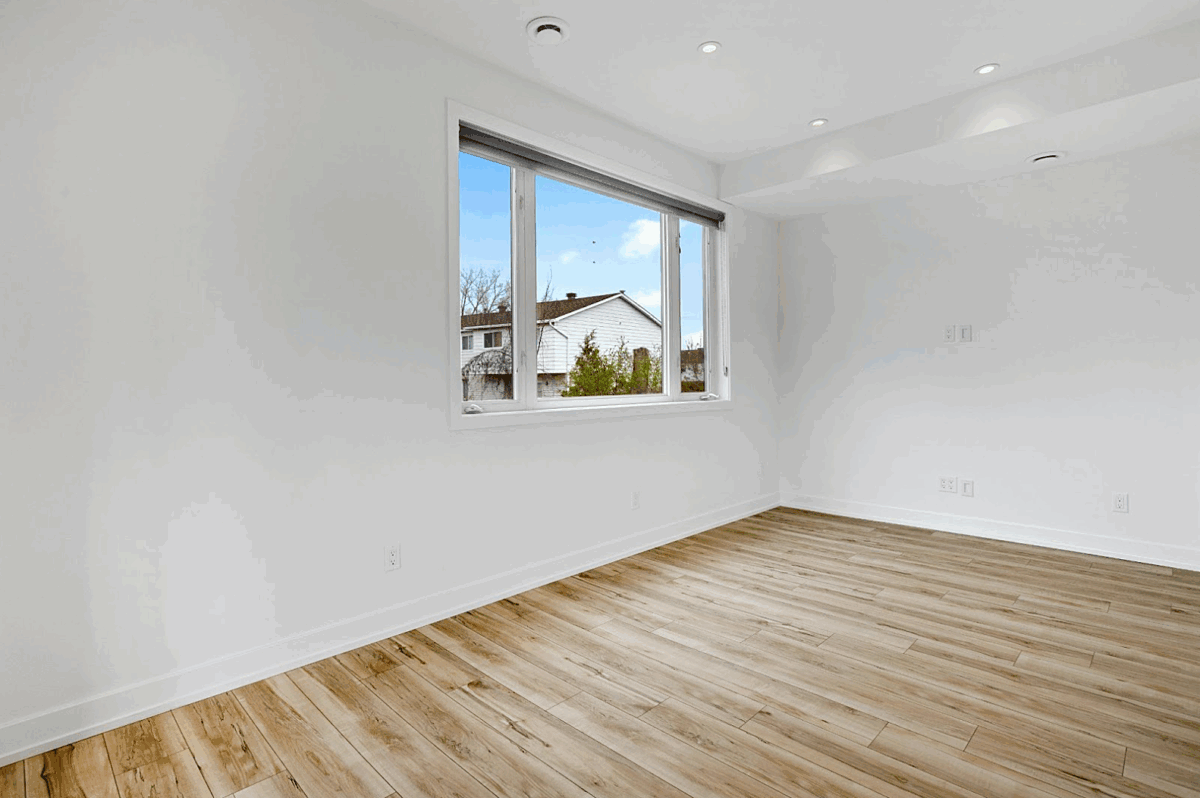
Vacancy risk is the risk that your property has no tenants, resulting in no income.
Buying a property is a start of your investment journey so your property earns money for you, but there is no point if the property doesn’t have any tenants.
To mitigate this vacancy risk, you should consider the following:
(1) Property in a prime location
First, the location will determine the future property value and the rental demand. It is important to know about the characteristics of the location and choose one that has long-term demand or price appreciation potentials.
(2) Competent management company
Second, you need to find a competent management company. It is common for foreign property owners to hire a property management company. Property management companies will handle from tenant management to building management, and a strong one has a better ability to fill the vacancy of your property.
2. Bad Tenant Risk

Tenant risk is the risk that the current tenant falls behind on rent payment (rent delinquency), property disputes, illegal activities, and misuse that lead to revenue decline, additional costs, or other tenants moving out.
To mitigate this bad tenant risk, identifying bad tenants is a key. These are the signs of a bad tenant:
(1) Incomplete or inconsistent application forms
A bad tenant tends to provide vague or conflicting information or leave necessary fields empty. This could be a sign that the applicant’s hiding important information, such as low or unstable income or poor credit history.
(2) Lacking proof of income or employment
If the applicant cannot provide you with proof of stable income or employment, it is translated as higher chance for the applicant not to have enough funds to pay the rent or the property price.
(3) Frequent moves
If the applicant has moved houses frequently in a short period of time, or no rental history, it may indicate that the applicant has had problems in the prior leases or the owners, or be hiding rental history that he/she would like to hide.
(4) Too rushing or rude behaviors
If the applicant is rushing too much and wants to skip standard processes, it would be better to ask the reason for the rush. If the applicant doesn’t show courtesy towards you, he/she won’t show respect towards the other tenants/owners of the building or in the neighbourhood or even towards your property.
Conducting proper tenant screening is essential to ensure that any transaction, whether a sale and purchase or a lease, proceeds smoothly.
Also read:
Top 15 risks in real estate investment in Japan
- Risks of Real Estate Investment in Japan - Market Risks
- Risks of Real Estate Investment in Japan - Location & Natural Disaster Risks
- Risks of Real Estate Investment in Japan - Legal and other Japan-Specific Risks
3. Maintenance Risk
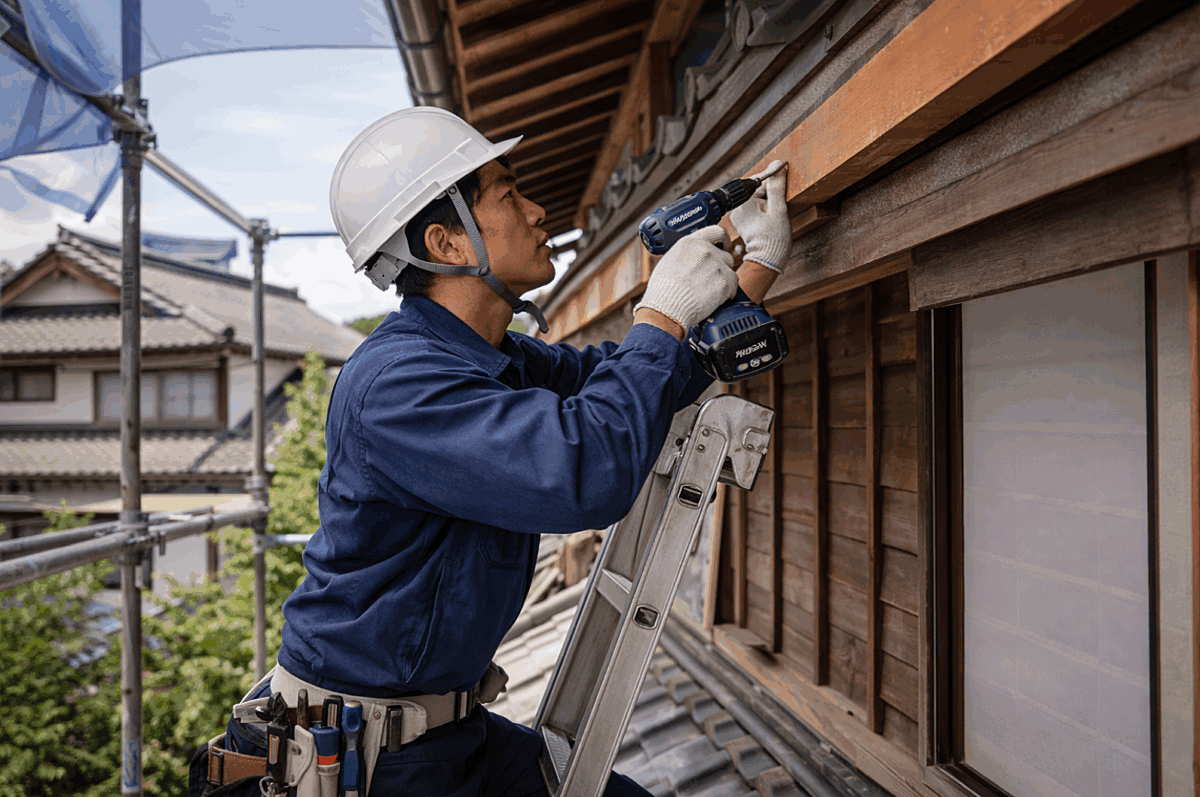
Maintenance risk is the risk of unexpected or exorbitant maintenance and repair costs. Abandoned houses (akiyas) have been highlighted in recent years for their cheap prices, but those news reports and social media posts do not always focus on the maintenance and repair costs that come with the old houses.
The ban on the use of asbestos in construction materials essentially took effect on September 1, 2006. Although there were some exceptions at first, the ban was fully enforced for all asbestos-containing materials in 2012 (effective March 1, 2012). If you purchase an old house with plans to renovate, it’s important to have the property inspected. If asbestos is found, you’ll need to hire a specialized contractor to safely remove and dispose of the materials, which can significantly increase renovation costs.
To mitigate this maintenance risk, it is important to understand that an akiya may be cheap but comes with renovation and maintenance costs.
When buying an akiya, you need to take into account the following:
- The house may not conform to the new seismic standards. (See also: 5. Natural Disaster Risk)
- Asbestos-containing materials may be used in the house, which requires you to hire a specialist when renovating or demolishing the house
4. Property Management and Agency Risk
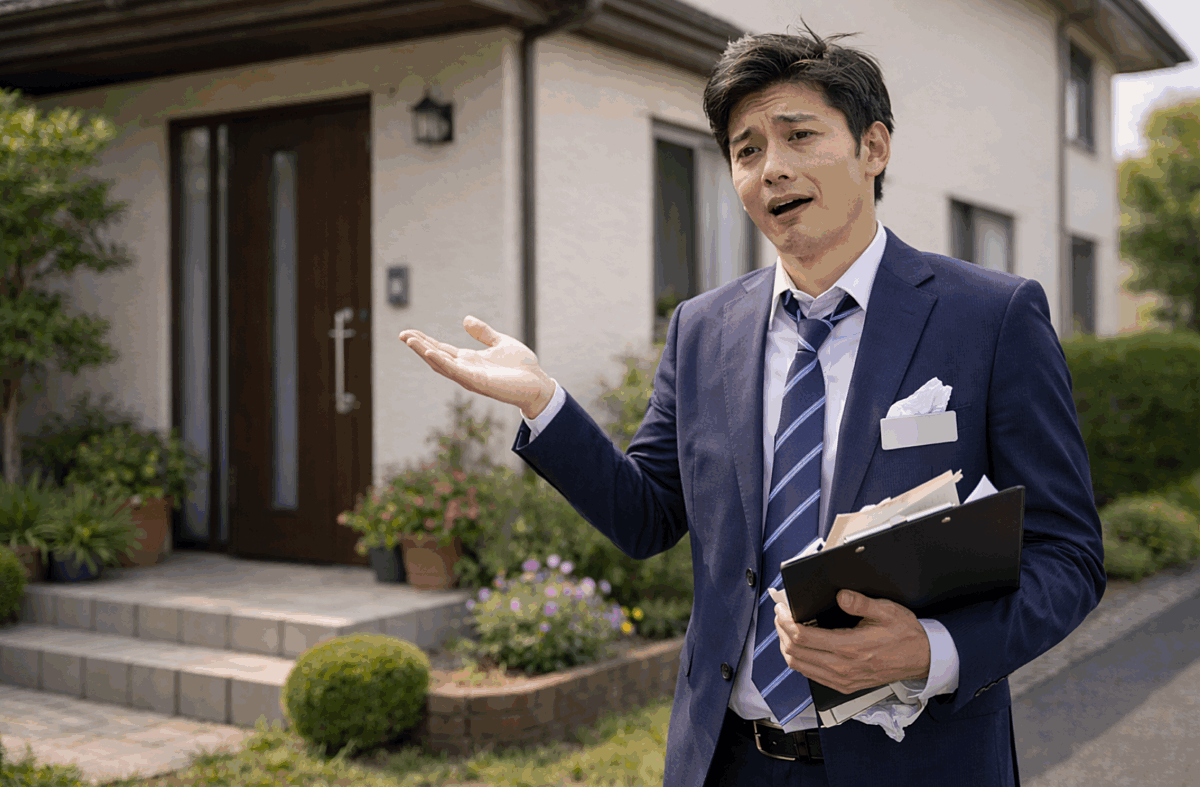
Property management and agency risk is the risk that the performance, conduct, or failure of a property manager or real estate agent negatively affects the value, income, or legal compliance of a property investment.
The poor performance of a property manager or property agent may result in lower rental income, higher costs, legal non-compliance, loss of tenants or reputational damage, or reduced resale value.
This is crucial, especially, for those who live outside of Japan and cannot visit the property often. A property management company or agent will be your partner in your investment journey.
To mitigate this property management and agency risk, check these points to find a competent property management company or agent before contracting one.
(1) Knowledge of the area
You could tell your property type and the location to see if the company/agent can propose detailed ideas to attract a tenant, based on the demographics of the tenants in the area.
(2) Low vacancy rate of the properties under its management
Low vacancy rate indicates that the company/agent takes good care of the properties and actions against vacancy risk, including setting an appropriate rent in the area.
(3) Responsiveness
You could ask the company/agent about their trouble/complaint response and emergency response procedures.
If you are not fluent in Japanese, it would be also good to find the company/agent who speaks your language or English and Japanese to handle between you and any possible or future tenant.
Also read:
Top 15 risks in real estate investment in Japan
- Risks of Real Estate Investment in Japan - Market Risks
- Risks of Real Estate Investment in Japan - Location & Natural Disaster Risks
- Risks of Real Estate Investment in Japan - Legal and other Japan-Specific Risks
Summary
These are the operational risks we should consider when property investment in Japan.
1. Vacancy Risk
Risk: Vacancy risk is the risk that a property remains without tenants, resulting in loss of rental income.
Mitigation: This risk can be mitigated by investing in properties with strong long-term rental demand in prime locations and appointing a competent property management company to secure and retain tenants.
2. Bad Tenant Risk
Risk: Bad tenant risk is the risk that tenants cause financial loss through rent delinquency, disputes, illegal activities, or property misuse.
Mitigation: This risk can be mitigated by conducting thorough tenant screening to verify income stability, rental history, and overall reliability before leasing.
3. Maintenance Risk
Risk: Maintenance risk is the risk of incurring unexpected or excessive repair and renovation costs, particularly in older properties such as akiya.
Mitigation: This risk can be mitigated by conducting professional inspections, checking seismic compliance and asbestos issues, and budgeting adequately for long-term maintenance.
4. Property Management and Agency Risk
Risk: Property management and agency risk is the risk that poor performance or misconduct by agents or managers reduces income, compliance, or property value.
Mitigation: This risk can be mitigated by selecting an experienced, responsive management company/agent with strong local knowledge and low vacancy track records.
Our team of seasoned professionals at PropertyAccess is dedicated to helping you navigate Japan’s real estate market with confidence.
With deep local knowledge and a commitment to personalized service, our experts are here to guide you every step of the way.
Book a Free Consultation Session with Our Team!
PropertyAccess의 노련한 전문가 팀은 여러분이 일본 부동산 시장을 자신 있게 탐색하실 수 있도록 최선을 다해 지원해 드립니다.
풍부한 현지 지식과 맞춤형 서비스에 대한 헌신을 바탕으로, 저희 전문가들이 부동산 구매 과정의 모든 단계에서 고객님을 안내해 드립니다.
무료 개별 상담 예약하기
(예약 화면은 영어로 표시됩니다.)