- 기타
Risks of Real Estate Investment in Japan for Foreigners - Location & Natural Disaster Risks | What are They and How to Mitigate Them?
Last Updated: 10월 23, 2026
Learn the key risks of investing in Japanese real estate, namely location and natural disaster risks, with practical mitigation tips.
목차

Supervised By: 카자토 히로키
Interested in Japan but not sure what to be cautious about?
Would you like to be thoroughly informed of risks in property investment in Japan?
When venturing into a new investment, it is always important to know the benefits and the risks behind it so that you can make an informed investment decision.
While many websites only talk about the benefits of investing, I will talk about the risks of property investment in Japan.
Investments always come with some risks, but it is totally different if you are aware of them or not.
Read this article about location and natural disaster risks of real estate investment in Japan, be informed, and prepare countermeasures or strategies to mitigate those risks.
Also read:
Top 15 risks in real estate investment in Japan
- Risks of Real Estate Investment in Japan - Market Risks
- Risks of Real Estate Investment in Japan - Operational Risks
- Risks of Real Estate Investment in Japan - Legal and other Japan-Specific Risks
Risks of Real Estate Investment in Japan - Location & Natural Disaster Risks
- Property Location Risk
- Natural Disaster Risk
1. Property Location Risk

Property location risk means the risk of vacancy or damage or decline in income due to reasons derived from the location of the property. This includes disasters (earthquake, flooding, or landslides), accidents or crime, or popularity including access.
Also, some developments can be those developed without proper marketing research. This includes, for example, the cases where may seem a good deal,
Some risks are specific to whether the property is located in an urban area or a regional area.
To mitigate this property location risk, make sure to do the following:
(1) Better understanding of the neighbourhood
Ask your agent about the accessibility of the location, surrounding facilities and institutions, and future developments, so the location can fetch long-term demand.
(2) Check the hazard map of the area
Municipalities usually have what they call “Hazard Maps” accessible. A hazard map clearly indicates areas where damage is anticipated (such as flood-prone zones), evacuation sites, and evacuation routes using colors and symbols when natural disasters such as floods, earthquakes, or landslides occur.
2. Natural Disaster Risk
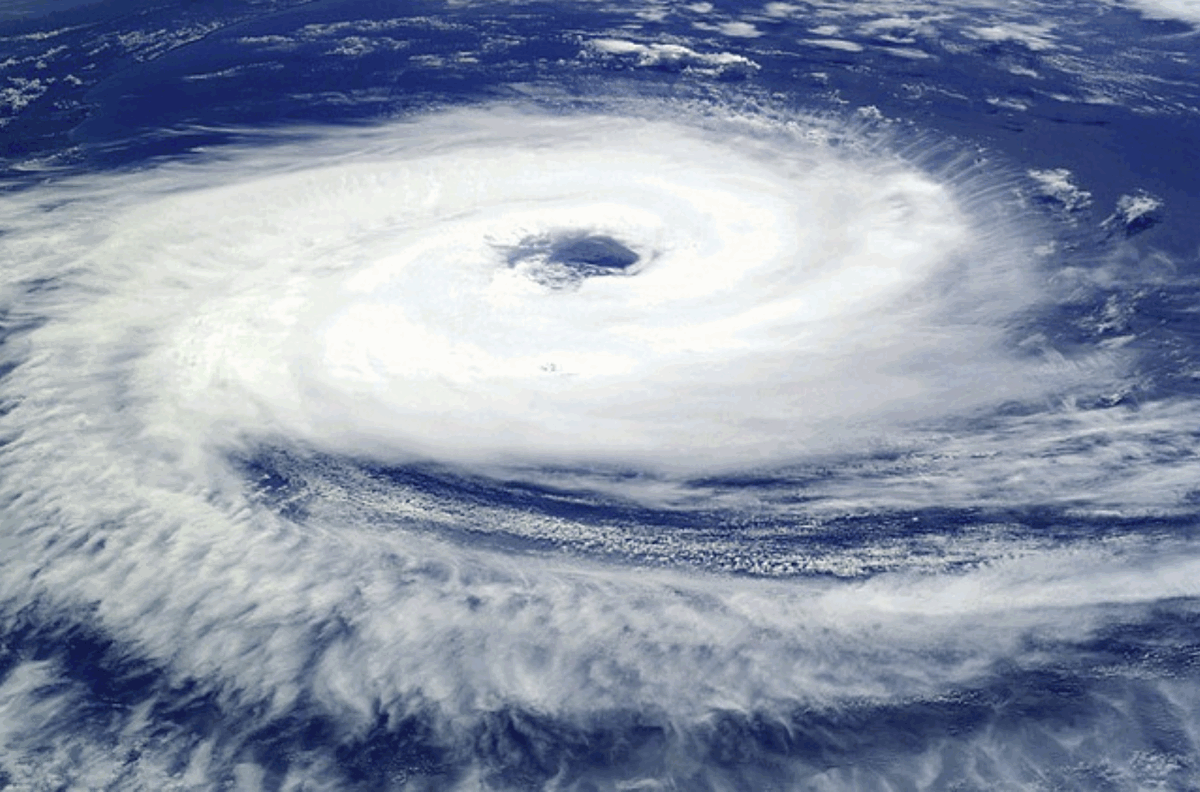
Natural disaster risk is the risk that a property may be damaged or lost due to natural disasters. There are natural disasters unique to Japan. This includes earthquakes, typhoons, and floods.
To mitigate this natural disaster risk, first understand the types of disaster and what they are and check the possibilities of natural disaster in each area.
Typhoon
Typhoons most frequently approach Japan between July and October, with August and September being the peak months.
Typhoons bring heavy rain, flooding, strong winds, high waves, and storm surges, resulting, sometimes, in power or water outages.
Heavy rain/snow
Heavy rain can cause flooding, landslides, and debris flows.
In recent years, Urban Heat Island (UHI) effects have caused sudden downpours (locally called 'guerrilla rainstorms') in urban areas.
Heavy snow, on the other hand, causes houses to collapse, accidents due to frozen roads, or injuries while removing snow from the roof.
Flooding
Flood disasters occur when river flow increases abnormally due to heavy rain or snowmelt, leading to embankment erosion, breaches, bridge washouts, and other types of damage.
Landslide/debris flow
Landslides and debris flows occur when heavy rain or earthquakes trigger collapses of mountains or slopes, or when mud and rocks mixed with water flow out of rivers. It is important to identify the hazardous areas and the evacuation route, and if you sense danger, evacuate immediately in a direction perpendicular to the flow of debris.
Earthquake
Japan is located on the “Ring of Fire” where it is prone to earthquakes and volcanic activity.
Earthquakes cause tsunamis, building collapses, fires, landslides, and soil liquefaction.
You may be wondering if the houses in Japan are earthquake-proof.
The Building Standards Act in Japan stipulates minimum requirements to ensure hygiene and security, including seismic standards of buildings. The stricter seismic standards were enacted on June 1, 1981 (new seismic standards), with the aim of protecting human life by preventing the collapse of buildings even during major earthquakes of seismic intensity 6 upper to 7.
On the other hand, you need to be cautious if you are planning to buy a house more than 40 years old, since the house may not conform to the new seismic standards.
Tsunami
Tsunami causes various damages, including drowning due to flooding, damage to and loss of homes, damage to and collisions involving ships, and fires following tsunami damage.
Volcano Eruption
Volcano eruptions cause large volcanic bombs, pyroclastic flows, snowmelt-type volcanic mudflows. When heavy rain falls on areas where volcanic rocks and ash from eruptions have accumulated, the risk of debris flows and mudslides increases.
Check the hazard maps prepared by each municipality to understand the natural disaster risks in your area (https://disaportal.gsi.go.jp/) and prepare for emergencies.
Also read:
Top 15 risks in real estate investment in Japan
- Risks of Real Estate Investment in Japan - Market Risks
- Risks of Real Estate Investment in Japan - Operational Risks
- Risks of Real Estate Investment in Japan - Legal and other Japan-Specific Risks
Summary
These are the location and natural disaster risks we should consider when property investment in Japan.
1. Property Location Risk
Risk: Property location risk is the risk that location-specific factors such as disasters, crime, poor accessibility, or weak demand negatively affect occupancy or income.
Mitigation: This risk can be mitigated by conducting detailed neighborhood due diligence and reviewing municipal hazard maps before purchasing a property.
2. Natural Disaster Risk
Risk: Natural disaster risk is the risk that earthquakes, typhoons, floods, landslides, or volcanic activity damage or destroy a property.
Mitigation: This risk can be mitigated by understanding regional disaster exposure, checking hazard maps, and selecting properties that comply with modern seismic standards.
Our team of seasoned professionals at PropertyAccess is dedicated to helping you navigate Japan’s real estate market with confidence.
With deep local knowledge and a commitment to personalized service, our experts are here to guide you every step of the way.
Book a Free Consultation Session with Our Team!
PropertyAccess의 노련한 전문가 팀은 여러분이 일본 부동산 시장을 자신 있게 탐색하실 수 있도록 최선을 다해 지원해 드립니다.
풍부한 현지 지식과 맞춤형 서비스에 대한 헌신을 바탕으로, 저희 전문가들이 부동산 구매 과정의 모든 단계에서 고객님을 안내해 드립니다.
무료 개별 상담 예약하기
(예약 화면은 영어로 표시됩니다.)