- エリアガイド
Sapporo, Hokkaido: Japan’s Relaxed Northern Capital with Big-City Convenience
Last Updated: 10月 23, 2026
A definitive guide to Sapporo - a vibrant northern Japanese city known for snow festivals, green parks, and livable urban neighborhoods.
目次

Supervised By: 風戸 裕樹
Real Estate Expert
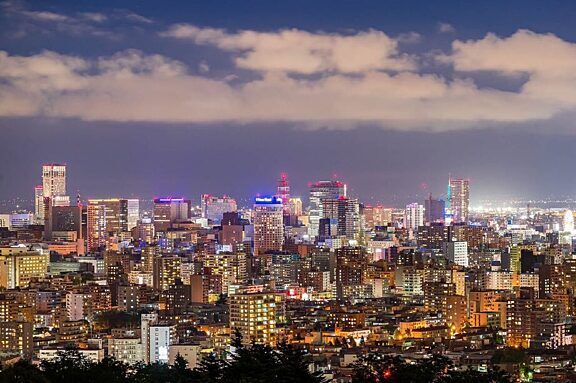
Sapporo is one of the most livable cities in Japan. It’s got the chill vibe of a mid-sized city mixed with the buzz of a regional hub. The wide streets, well-planned blocks, and smooth subway system make it super easy to get around, even if it’s your first time there. Located on Hokkaido, Japan's northern island, Sapporo’s a cool alternative to the hustle of Tokyo or Osaka. You can enjoy awesome food, shopping, and cultural spots, but life here moves at a much slower pace. The winters are famous for deep snow and the Sapporo Snow Festival, while summers are pleasant with fun outdoor activities.
Each area tells its own story when it comes to living in Sapporo. Odori opens up with wide paths and events, whereas Susukino hums after dark with food stalls and lights. Homes stretch out beyond center where trees line sidewalks instead of shops. Trains roll through JR Sapporo Station every few minutes, connecting commutes to anywhere in the island.
This guide takes you through the city based on its neighborhoods. You’ll get the scoop on how to get around, the vibe, popular sites, livability, and property prices. The aim? To give you a feel for what life in Sapporo would be like if you lived here.
Area Overview
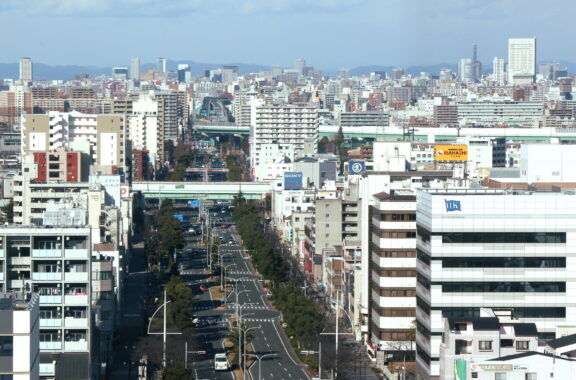
Sapporo is located in the southwest of Hokkaido, Japan's northernmost prefecture. This place holds nearly two million residents, making it both the island’s biggest city and the nation’s fifth-largest by population. Its streets follow a grid pattern, which helps things feel orderly despite the size. Because of that layout, moving around turns out simpler than expected.
Most of the energy flows through Chuo Ward. Right in the heart, shops line busy avenues while offices fill tall structures. Life moves fast near Sapporo Station, where trains arrive every few minutes. Government work takes place here, tucked between theaters and small museums. Odori stretches wide, cutting across the middle like a green stripe on a map. At night, lights glow brighter around Susukino, drawing people without saying much. Culture shows up in quiet temples just steps from loud bars. The rhythm never slows because so many places depend on one another.
Far from quiet, Sapporo Station is filled with passengers. JR lines roll in from across Hokkaido, linking travelers straight from New Chitose Airport, then on to Hakodate, weaving north toward Asahikawa. Tied right into the mix, the subway slips beneath the city, opening paths for just about anyone passing through. This place doesn’t wait - it pulls people in, moves them out, keeps going.
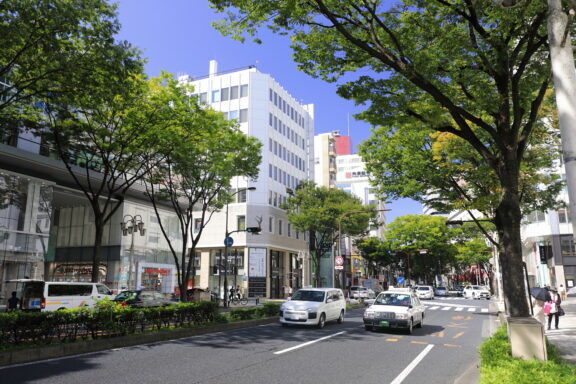
Few steps down from the station lies Odori Park - long stretch of calm green cutting across the urban layout. North and south Sapporo split apart by its presence, shaped around it like fabric pulled open. Events take root here all year round, crowds drawn without force, simply because it feels right.
Further south, you’ll find Susukino, the city’s nightlife hub, full of restaurants, bars, karaoke joints, and the famous ramen alleys showcasing Sapporo’s signature miso ramen. Finding your way around Sapporo feels simple, thanks to reliable transit options. Three key routes make up the city's underground rail system
- Namboku Line (north-south)
- Tozai Line (east-west)
- Toho Line (northeast-southeast)
All lines meet at Odori Station, making it easy to reach different parts of the city with just a few stops. The Namboku Line is especially important, linking key areas like Sapporo Station, Odori, Susukino, and Nakajima Park along one route.
A ride on the Sapporo Streetcar (Shiden) might catch your interest - it loops through downtown spots most visitors like to see. Running frequently by daylight hours, it opens up parts of the city just beyond subway reach.
One of the best things about Sapporo is how close everything feels.
From JR Sapporo Station:
- Odori Station: about 2 minutes by subway or a 10–12 minute walk
- Susukino Station: about 4 minutes by subway or around a 20-minute walk
- Odori to Susukino: one subway stop or about a 7-minute walk
There’s also an underground walkway connecting Sapporo Station, Odori, and Susukino, which is super handy during winter for commuting or shopping. Thanks to the compact layout, you can live almost anywhere in central Sapporo and still reach the main areas quickly.
Atmosphere and Vibe
A breath of space hits you when arriving in Sapporo. Unlike Tokyo or Osaka, it moves at its own quiet pace. Open avenues stretch between buildings that never tower too high. Green parks sit like pauses between neighborhoods. Crowds thin out here, replaced by room to breathe. Fresh streets rise here because Sapporo took shape fairly late. Back then, planners laid out straight lines across flat land instead of winding paths through hills. A checkerboard pattern spread wide, different from ancient town plans found farther west. Getting around central blocks feels straightforward since roads meet at sharp angles. Direction finds you without effort most days.
Daytime brings movement to spots close to Sapporo Station, where energy feels steady but relaxed. Office folks pause for coffee while browsing locals drift through small shops along the streets. When sun warms the sidewalks, Odori Park wakes up with movement. Folks eat meals on long seats, paths fill with slow walkers, conversations spark near water features. Green spaces turn into shared yards once snow melts away. Warm air brings crowds who treat lawns like living rooms. The shopping scene is huge, with underground malls, department stores, and retail complexes making up one of the largest shopping areas in northern Japan.
As night falls, the city’s vibe shifts toward Susukino. Down south in Hokkaido, Susukano stands out - big on nightlife beyond Tokyo's reach. Bright lights hum above sidewalks packed with places to eat and drink. Pubs where people linger after work sit next to noodle spots pumping hot broth all night. Instead of wide avenues, narrow lanes draw crowds into tight rows of small eateries. Miso ramen here runs thick, deeply savory, served fast under flickering signs. Each stall carves its own flavor within inches of the next.
Few streets hold so much energy, yet walking here never seems overwhelming. Though packed with places to go, Susukino stays small enough to wander without effort.
If you step a few blocks away from downtown, things get much quieter. People often pick spots beyond the downtown rush when they want room to breathe. Mid-sized flats stand beside quiet green patches where neighbors stroll. Life slows a bit here, with small shops lining sidewalks like old friends. Rents tend to stretch further, pockets stay fuller. Space comes easier without the city's pulse pounding nearby.
Thanks to the subway, commuting from these neighborhoods to downtown is still quick and easy. Overall, Sapporo finds a nice balance between urban excitement and a calm residential vibe.
Tourist and Local Destinations
While Sapporo is a gateway to Hokkaido's beautiful nature, there are plenty of attractions right in the city too. Most of them are centered around downtown.
Odori Park is a stretch of green that cuts through the city. Running roughly a mile and a half, it becomes the center when big happenings take place.
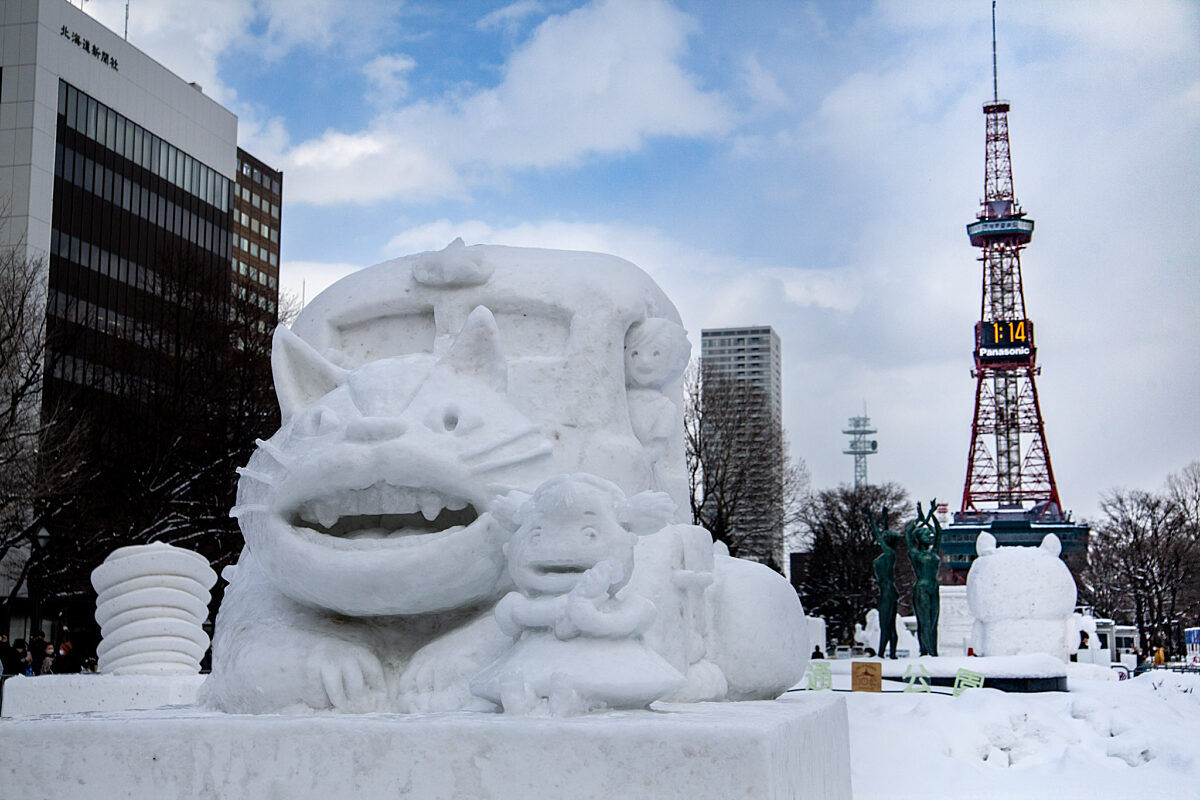
Some major festivals include:
- Sapporo Snow Festival in February
- Sapporo Lilac Festival in spring
- Summer beer gardens
- Winter illumination events
At the east end of the park, you’ll find the Sapporo TV Tower, where you can go up for great views of the city. Nearby, the historic Sapporo Clock Tower stands as one of the oldest buildings around and is an important cultural site.
Sapporo is known for its amazing food, and several neighborhoods really show that off. Tanukikoji Shopping Arcade is a covered street near Susukino that goes for several blocks and is packed with shops, cafes, and local snacks. Just a short walk away is Nijo Market, where you can munch on fresh seafood like Hokkaido crab, scallops, and sea urchin.
Further south, you’ll find Nakajima Park, one of the prettiest green areas in the city. The park features a scenic pond, walking paths lined with trees, and a few cultural spots like Sapporo Concert Hall Kitara, the Hokkaido Museum of Literature, and the historic Hoheikan guesthouse. It’s super accessible from downtown thanks to the Namboku subway line and is popular with both locals and tourists.
Livability
Sapporo is often rated as one of the most livable cities in Japan. That reputation? It didn’t come out of nowhere.
Fewer than thirty minutes of commute cover most journeys in Sapporo, a contrast to Tokyo's frequent one-hour rides. Getting around feels natural - home, job, leisure - all linked without strain because the city stays close-knit.
Sapporo has four pretty distinct seasons. Frozen months stretch on, dumping piles of snow - among the deepest seen anywhere. Good thing pathways here stay warm underfoot, crews clear roads fast. Summers are nice and mild compared to southern Japan, making it attractive for visitors looking to escape the heat.
People often find Sapporo calm and tidy, much like other spots across Japan. With little crime around, areas stay neat - this draws families, older adults, plus people who’ve moved here from abroad. Though busy at times, life moves smoothly in most parts of the city.
One more awesome thing about Sapporo is its easy access to nature. Minutes from downtown, paths wind into hills perfect for walking. When snow falls, slopes fill with skiers. Summer brings cyclists along sunlit ridges. Peaks stay busy all twelve months. Winter sports give way to trail hikes when warmth returns.
This connection to nature really enhances day-to-day living.
Real Estate: Rent and Property Prices
When stacked against other big Japanese cities, Sapporo has fairly affordable housing. This has made it a hotspot for both local buyers and people looking to invest from abroad.
Rent prices depend on how close you are to main stations like Sapporo, Odori, or Susukino. Typical monthly rents look like this:
- Studio / 1K apartment: ¥40,000 – ¥65,000
- 1LDK apartment: ¥60,000 – ¥90,000
- Family-size apartment (2LDK or larger): ¥90,000 – ¥150,000
Places close to subway stations usually cost more, but neighborhoods a few stops away often offer bigger units for similar prices. Since the city is compact, being a little farther from downtown doesn’t add much to your commuting time. Buying in Sapporo is still relatively budget-friendly compared to Tokyo or Osaka. Typical condo prices include:
- Studio units: ¥15 million – ¥25 million
- One-bedroom units: ¥25 million – ¥40 million
- Bigger family units: ¥40 million – ¥70 million
New luxury buildings near Odori Park or Sapporo Station might go for even higher. Detached houses are more common in the suburbs where land is cheaper and plots are bigger.
Sapporo offers some appealing factors for property investors:
- steady regional population growth
- strong domestic tourism
- lower buying costs than Tokyo
- increasing interest from international buyers
These factors often lead to rental yields that are higher than those in Japan’s biggest cities.
Other Information
Getting to Sapporo usually starts at New Chitose Airport, located roughly 40 kilometers to the southeast. From there, a quick train ride takes travelers straight into Sapporo Station - arrival time sits around 40 minutes. The airport has a bunch of domestic flights and international connections to several Asian locations.
Not quite as big as Tokyo’s foreign crowd, Sapporo sees more newcomers each year. Universities draw people in, then jobs stick around - tourism, global companies keep things moving. Life here shifts quietly, shaped by fresh voices mixing in.
Source
- Japan National Tourism Organization – Sapporo Travel Guide
- Sapporo Travel Official Tourism Website – City Information and Transportation
- Sapporo Station Guide – Namboku Subway Line Overview
- Sapporo Station Guide – Sapporo Streetcar Overview
- Hokkaido Underground Walkway Guide – Sapporo to Odori and Susukino
- Axross Asset Advisors – Sapporo Apartment Market Overview
- Japan Property Central – Japan Real Estate Market Reports
Our team of seasoned professionals at PropertyAccess is dedicated to helping you navigate Japan’s real estate market with confidence.
With deep local knowledge and a commitment to personalized service, our experts are here to guide you every step of the way.
Book a Free Consultation Session with Our Team!
プロパティアクセスの経験豊富な専門チームが、お客様が安心して日本の不動産市場に投資いただけるようお手伝いいたします。
不動産に全般に関する豊かな知識とおひとりおひとりに合ったサービスで、不動産投資のプロセスを一貫してサポートしますので、お気軽に個別相談をご利用ください。
無料の個別相談を予約する(予約画面は英語で表示されます)