- エリアガイド
Hakodate, Hokkaido: A Historic Port City Where Scenic Views, Culture, and Laid-Back Living Meet
Last Updated: 10月 23, 2026
A definitive guide to Hakodate - a scenic harbor city in southern Hokkaido known for historic districts, stunning night views, and relaxed coastal living.
目次
Supervised By: 風戸 裕樹
Real Estate Expert
If you want a place in Japan that mixes history, beautiful views, and a chill lifestyle, you should definitely check out Hakodate. It's at the southern tip of Hokkaido and gives you a vibe that’s totally different from the big cities like Tokyo and Sapporo.
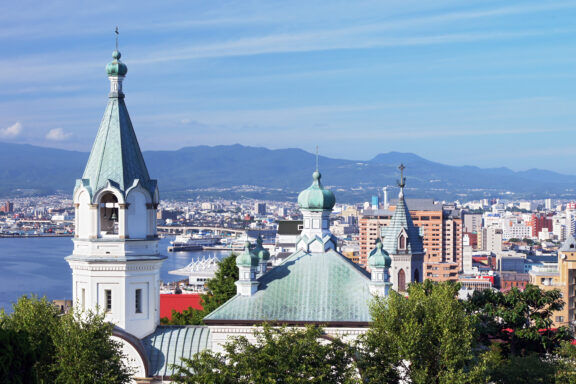
Old Western structures stand near historic Japanese lanes in Hakodate. Morning brings energy to seafood markets, while trams move quietly through calm districts on their way to the shore. Sparkling city lights spread across the bay after dark, a view regarded by many as among Japan’s finest.
Hakodate does not match Sapporo or Tokyo in size - yet its charm grows from that fact. A quieter rhythm shapes each day while homes cost less than elsewhere. Nature appears without effort, just beyond any street corner.
Whether you're thinking of moving, investing, or just want to know more about the city, this guide will show you what living in Hakodate is all about.
Area Overview
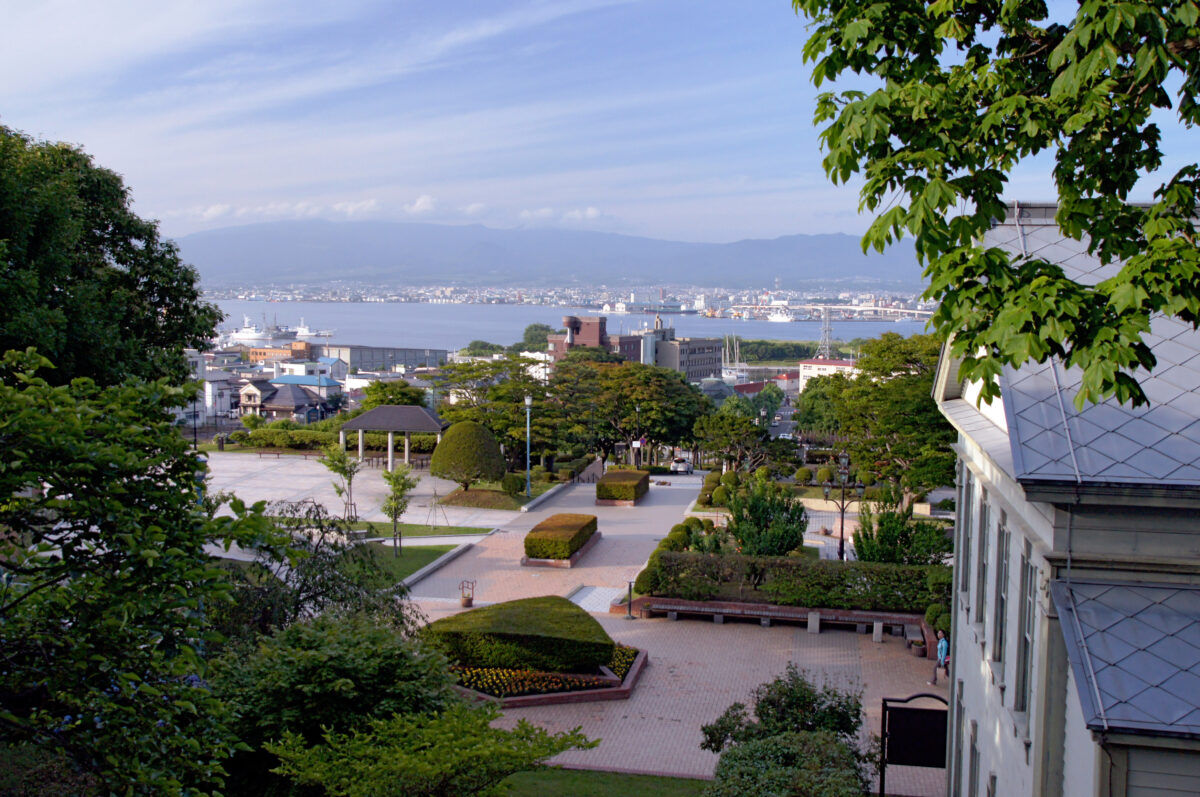
Hakodate sits along a slim stretch of land bordered by bay waters and an open strait, shaping its distinct form. Distance to the shoreline remains short wherever you go, while several districts offer clear sights of ocean or peaks nearby. From certain angles, rooftops meet horizon lines where waves begin.
Once among Japan's earliest gateways to foreign commerce during the 1800s, Hakodate carries echoes of that era through its streets. Because of this past, buildings shaped by both Eastern traditions and European designs remain visible across neighborhoods now. While time has passed, the city’s layout continues reflecting that blend in quiet, ordinary ways.
Now home to roughly 240,000 residents, this place ranks third in size across Hokkaido. Economic significance draws steady business activity here. Visitors arrive regularly due to its well-known appeal.
Beginning at Hakodate Station, travelers find central access near both harbor views and urban streets. From this point onward, rail service extends across Hokkaido via the JR Hakodata Main Line. Connection here forms a starting node for regional movement. Proximity to water defines its location alongside commercial zones.
From Hakodate Station, you can easily get to:
- Shin-Hakodate-Hokuto Station in about 20 minutes, which connects to the Shinkansen to Tokyo
- Sapporo in about 3.5 hours by express trains
Flying remains another option. From Hakodate Airport, connections exist toward Tokyo alongside key urban centers, with travel time near 80 minutes to the capital city. Getting around town is pretty easy.
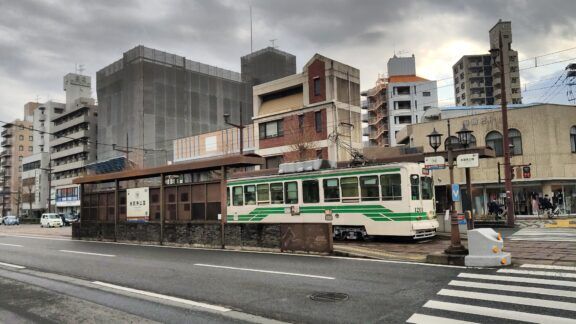
One of the rare urban tram networks beyond Japan’s largest cities operates in Hakodate. Travelers reach central locations such as Hakodate Station by following its twin lines. Historic Motomachi sits along one branch, accessible without transfers. Another line extends toward Yunokawa Onsen, completing the network’s scope. Few regional towns maintain such infrastructure today.
Trams come every 6 to 12 minutes and are popular with both locals and tourists. Where buses fall short, taxis often step in. Walking remains simple across large sections of the city. Because the center stays small in scale, moving around on foot feels natural. Needing a car happens only rarely when daily tasks are nearby.
Atmosphere and Vibe
What sets Hakodate apart is how quietly it carries its past. There is a calm here not often found elsewhere in Japan. One notices old buildings standing beside quiet streets. Time seems slower, shaped by decades of gentle change. The air near the harbor carries a steady coolness. Few places balance age and ease quite like this. Visitors sense history without needing explanations. Life moves at its own rhythm, unhurried, unforced.
Fewer crowds fill the streets than in busier cities such as Tokyo or Osaka. Quiet settles into daily routines across most neighborhoods. City living blends easily with nearby natural spaces, drawing many who prefer this mix.
Much of Hakodate’s charm comes from its past as an international port. In the late 1800s, Western merchants and diplomats settled here, creating neighborhoods like Motomachi with churches, European-style homes, and wide streets overlooking the harbor.
Walking through these areas feels surprisingly international, where you can see a Russian Orthodox church, a historic British consulate, and a traditional Japanese house all in one block.
During the day, the city is vibrant but not chaotic. Fresh catches arrive early at the Hakodate Morning Market, close to the central station. Locals mingle with travelers browsing stalls full of ocean bounty. Instead of waiting, chefs prepare meals right away - rice covered with sea urchin, crab meat, salmon eggs. While fishing boats unload nearby, diners sit on low stools eating slowly. Activity builds as sunlight spreads across wooden walkway. Here, time moves without hurry. Following routine, people go where work waits in modest districts. Shopping happens nearby, done by those who live close. Away from crowds, daily tasks unfold gently.
In the evenings, Hakodate calms down. Open late, eateries like restaurants, izakayas, seafood spots draw steady flows - most within reach of docks or central zones. Still quieter after dark than larger urban centers tend to be. A visit after dark reveals Mount Hakodate in full glow. At its peak, city illumination stretches below, tracing a gentle arc across the meeting point of sea and bay. Few places offer such clarity of light at night. Recognition follows it - ranked among Japan's finest nocturnal scenes. The sight remains quiet, yet striking long afterward.
Overall, Hakodate at night feels peaceful and scenic rather than bustling.
Tourist and Local Destinations
Hakodate’s appeal for tourists shapes its neighborhoods, with many attractive spots also being super livable.
Mount Hakodate is the city’s biggest landmark. A height of 334 meters offers clear sight across the peninsula. Reaching the summit is possible by ropeway or bus, particularly after sunset as illumination transforms the scenery below. For residents, it's a great hiking spot during the warm months.
Motomachi is one of the oldest parts of Hakodate. Here you’ll find:
- Historic Western-style homes
- Various churches
- Old consulate buildings
- Scenic streets overlooking the harbor
In the late 1800s, global connections began leaving their mark on Hakodate. Today, former structures serve new purposes - museums occupy some, while others house small stores or places to eat.
Another big landmark is Goryokaku. Originally constructed in the 1800s, this fortress shaped like a star served defensive purposes near the end of Japan's shogun era. Following that period, conflict emerged here during the Boshin War, marking its role in pivotal historical events. Few visitors miss the view from Goryokaku Tower, where the fortress’s shape unfolds clearly. This site opens freely during spring, when blossoms crowd its paths.
Right by Hakodate Station, the Morning Market is one of the city's liveliest spots. Fresh catches arrive daily, filling market stands with shrimp, crab, and seasonal fish. Though small, each stall offers something distinct - herbs grown nearby, handmade sauces, or salt harvested inland. What appears simple turns out deeply tied to tides and timing. Hours after leaving water, seafood lands in warm bowls topped with lime, chili, or shredded greens. Some dishes change by morning light, others by moon phase. Where one eats matters less than when. For locals, it's a great place to buy high-quality seafood without breaking the bank.
At the eastern edge of the city, you’ll find Yunokawa Onsen, one of Hokkaido's top hot spring districts. Along this coastline, numerous hotels and traditional ryokans can be found. Though frequently visited by travelers, the area holds strong appeal for residents too, drawn by open-air baths and scenic outlooks.
Livability
Hakodate presents a rhythm of living appealing to quite a few individuals. City comforts mix here with slower daily motion, without rush. Living costs here are more reasonable compared to Japan’s major cities.
Fewer expenses mark daily life when compared to cities like Tokyo or Yokohama, especially for food, travel, or meals out. Because rent and property prices sit below those urban centers, people such as older adults, digital nomads, or parents choosing calm surroundings often settle here.
Getting around the main areas of Hakodate is super easy. Although some neighborhoods favor private vehicles, street-based rail transit links urban zones reliably. Where automobiles are common - particularly beyond central areas - life continues smoothly without ownership of one. Transportation alternatives exist. Access remains possible. Commuting adapts.
Hakodate has a cool northern climate. Winters can be cold and snowy, but the snowfall isn’t as heavy as in other parts of Hokkaido like Sapporo or Asahikawa. A little delay marks spring's arrival compared to Tokyo. Mild conditions often define summer here. Extreme heat rarely settles in like it does across central regions. Humidity levels stay lower than those seen farther south. For a lot of residents, this cooler weather is a big plus.
Food is a highlight of daily life in Hakodate. The city is known for:
- Fresh squid (ika)
- Sea urchin (uni)
- King crab
- Tasty seafood bowls
Finding a meal suits every taste, whether quick noodles or quiet coastal flavors. Diners spend little yet leave satisfied, adding comfort to daily routine.
Real Estate: Rent and Property Information
Hakodate’s real estate market is much easier on the wallet compared to the big cities in Japan. For buyers and investors, this opens up some interesting opportunities. On average, you’ll pay around ¥67,240 for rent in Hakodate, depending on the apartment type. Typical monthly rent ranges are:
- Studio (1R / 1DK): about ¥40,000
- 1LDK (one-bedroom): around ¥52,800
- 2LDK (two-bedroom): about ¥61,600
- 3LDK family units: around ¥80,900
Just for perspective, rents in Tokyo can be three to four times higher.
Buying property here varies based on location, age of building, and closeness to transport. Typical purchase prices include:
- Older apartments and smaller condos in the city center: ¥10 million – ¥25 million
- Newer condos near transport: ¥25 million – ¥45 million
- Detached houses in suburban areas: ¥15 million – ¥40 million
There’s also a decent supply of older homes, some of which can be found at very low prices, especially outside the city center, but keep in mind they may need some work. Hakodate’s real estate market is shaped by demographic trends. Like many regional cities in Japan, the population is slowly declining, which is making homes more available and keeping prices stable.
For investors, this means solid returns, especially for rental properties targeting students, tourism workers, and long-term residents.
Other Information
If you're thinking about living in Hakodate as a foreigner, here are a few practical things to keep in mind. Hakodate has a smaller international community than cities like Tokyo or Sapporo, but you’ll still find some foreigners around. Among those commonly seen abroad: learners, instructors of language, individuals working with guests. Due to past roles in commerce, residents here tend to greet visitors without hesitation.
Hakodate has good infrastructure for a city of its size. You’ll find:
- Modern hospitals and clinics
- Reliable public transport
- Clean roads and public spaces
Daily services like supermarkets, banks, and pharmacies are easy to get to. Young adults fill some neighborhoods because institutions such as Future University Hakodate operate here. Among them stands Hakodate University, adding to student numbers. Where these campuses sit, energy shifts subtly toward newer generations. Rental properties gain interest simply due to enrollment patterns. Demand rises without fanfare where classrooms gather.
One of the best things about Hakodate is how close it is to nature. Just a short drive away, you can hit:
- National parks
- Hot spring towns
- Coastal hiking trails
- Ski resorts in winter
This easy access to the outdoors is a big reason why many people choose to live in Hokkaido.
Source
- Hakodate Station Transportation Guide
- Find Hokkaido Agents – Hakodate Real Estate Rental Prices
- Japan Travel – Hokkaido Transportation Guide
- Japan Experience – Hakodate to Sapporo Travel Guide
- Japan Travel – Sapporo and Hokkaido Access Guide
Our team of seasoned professionals at PropertyAccess is dedicated to helping you navigate Japan’s real estate market with confidence.
With deep local knowledge and a commitment to personalized service, our experts are here to guide you every step of the way.
Book a Free Consultation Session with Our Team!
プロパティアクセスの経験豊富な専門チームが、お客様が安心して日本の不動産市場に投資いただけるようお手伝いいたします。
不動産に全般に関する豊かな知識とおひとりおひとりに合ったサービスで、不動産投資のプロセスを一貫してサポートしますので、お気軽に個別相談をご利用ください。
無料の個別相談を予約する(予約画面は英語で表示されます)