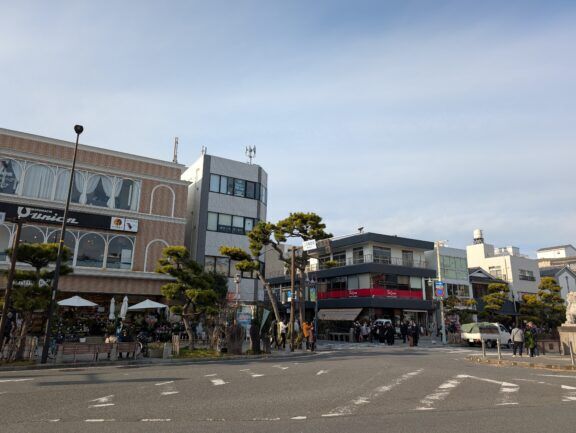
- エリアガイド
Kamakura, Kanagawa: Coastal Heritage Living with a Relaxed, Cultural Soul
Last Updated: 10月 23, 2026
A definitive guide to Kamakura, Kanagawa - a historic coastal city offering scenic living, cultural depth, and a calm lifestyle within reach of Tokyo.
目次
Supervised By: 風戸 裕樹
Real Estate Expert
Kamakura is a whole different vibe compared to most places in the Greater Tokyo area. Out here, time moves slower than in downtown Tokyo. Old shrines sit quietly beside small cafes where locals sip tea without rushing. Instead of neon signs, you find stone paths winding past quiet gardens. The ocean air carries salt through streets lined with wooden shops. History does not feel like a show for visitors - it simply exists alongside morning commutes and bike rides. Life unfolds at its own rhythm, unhurried by trends.
Just about an hour away from Tokyo, it's a great spot for those wanting to escape the hustle and bustle without completely cutting ties with city life.
If you love nature, culture, and a slower pace, Kamakura is definitely one of the best places to call home in Kanagawa.
Area Overview
Kamakura is right by the coast of Sagami Bay, located south of Yokohama and an easy commute to Tokyo. Though quiet today, it once held great power during Japan’s feudal times. These days, temples and ocean views draw those who wander slowly. History lingers in stone paths, old gates, shrubs trimmed by time.
It's smaller than Yokohama or Kawasaki, with neighborhoods that go from the beach areas like Yuigahama to hillside spots filled with greenery.
Most travel here works fine, even if options stay smaller than in major urban areas. Riding the JR Yokosuka Line puts Tokyo within reach, heading straight into hubs such as Tokyo Station and Shinagawa. Another route worth noting - the Shonan-Shinjuku Line - opens paths toward Shinjuku plus several key locations nearby.
The Enoden Line adds a special touch, linking Kamakura to nearby beach towns like Enoshima and Fujisawa. Travel times are decent:
- Tokyo Station: around 55–65 minutes
- Shinagawa: about 45–55 minutes
- Yokohama: roughly 25–30 minutes
Getting around works just fine, though it’s slower than in spots such as Kawasaki. Even so, plenty choose this rhythm because Kamakura shapes days differently.
Atmosphere and Vibe
Peace settles into Kamakura like morning light on stone steps. This place breathes at its own quiet rhythm, shaped by centuries of stillness. Nature weaves through temples, gardens, trees - everywhere you turn. Thought grows deep here, fed by moss-covered paths and distant ocean air.
By midday, faces include town residents alongside people passing through. Crowds gather close to shrines and along the central market lane - more so when Saturday arrives. Wander off toward homes tucked behind lanes though, silence wraps everything.
Among quiet paths and old stone steps, peace slips into the air. Not loud or rushed, but slow like mist through trees. Where worship places rise beside leafy slopes, life moves differently here. History settled into neighborhoods long ago, growing alongside mountain curves. Nature helped form how people live now - without force, just presence.
When darkness falls, Kamakura turns still. Nearly every shop shuts before midnight, yet streets breathe slower here. Peace fills the air for those who like hushed nights; however, anyone craving bright lights may find it too quiet. Stillness wraps around everything once the crowds fade.
All in all, Kamakura is all about balance, nature, and culture.
Tourist and Local Destinations
Kamakura is packed with cultural gems that are part of daily life for residents. Kōtoku-in is home to the Great Buddha, a must-see statue that attracts visitors from all over.
Another key spot is Tsurugaoka Hachimangū, which is both a historic site and a hub for local culture. Far beyond temple gates, nature finds its place in Kamakura. Along the coast, Yuigahama invites quiet moments while waves roll near. Over at Zaimokuza, some ride swells others walk barefoot through damp sand. Sea air lingers long after footsteps fade.
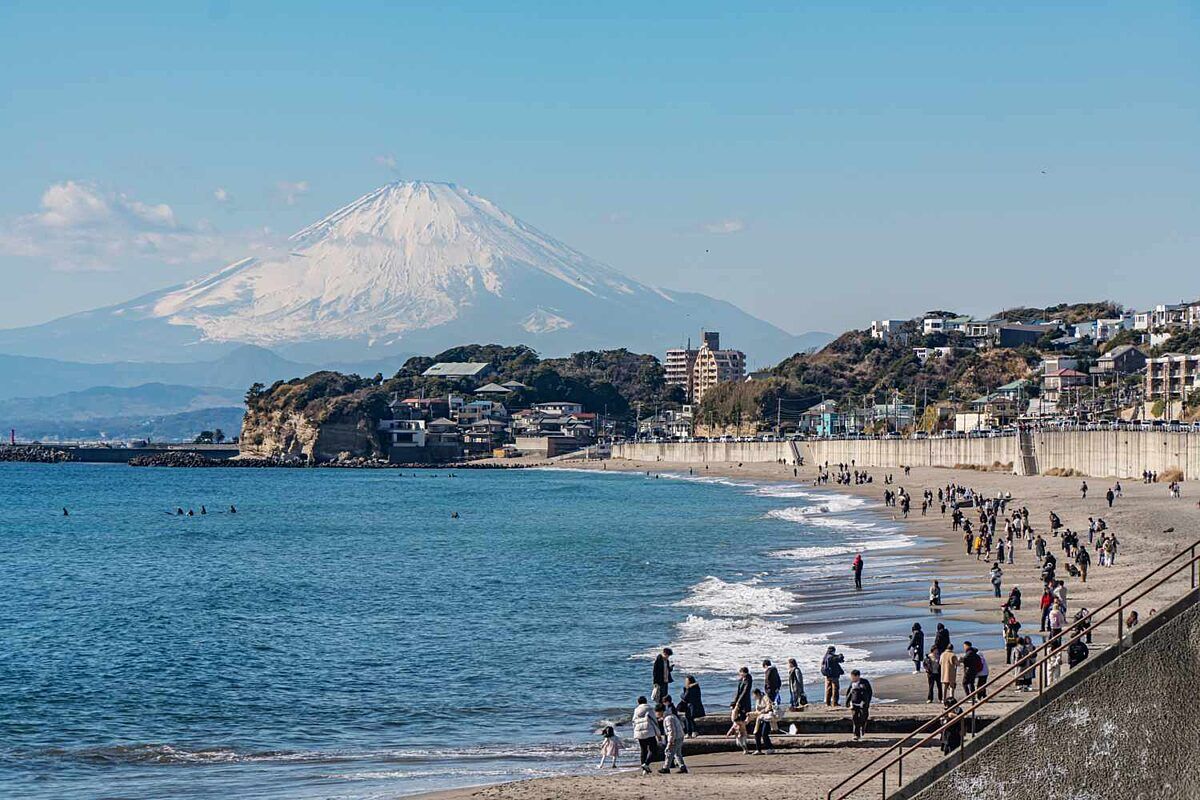
The Komachi Street area near the station offers shopping and local food, mixing tourism with everyday life.
Most visitors head straight to the famous sites when they come to Kamakura. Still, plenty of areas nearby hardly feel the rush at all.
Livability
Living in Kamakura is great, especially if you care more about environment and lifestyle than sheer convenience. Folks look out for one another here, which helps keep things tidy and calm. Peace settles into the streets, thanks to quiet blocks where people actually know their neighbors.
Most days go smoothly here, yet things can feel slightly more complicated compared to larger towns. Stores, medical offices, and classrooms are around - just maybe not as many, based on your neighborhood. Still, everything needed isn’t far off.
Healthcare is accessible, with bigger hospitals in nearby cities like Yokohama. Most days, travel for work runs smooth - just remember to map things out early. Near a JR stop? Life slows down in the best way.
Fresh air fills the streets of Kamakura, where sea meets forest. Paths wind through hills instead of traffic crowding every corner. Life moves slower when waves are close, shaping daily rhythms without force. Green spaces appear around bends, not far off beaten tracks. The ocean pulls just beyond trees, offering escape without distance.
So overall, Kamakura is a super livable spot if you enjoy a calm environment and are okay with sacrificing some convenience for a better quality of life.
Real Estate: Rent and Property Information
Out by the sea temples, homes cost more because so many want to live here. Not far inland, prices drop - location changes everything.
Monthly rent for studios or one-room units runs roughly ¥60,000 up to ¥90,000. Location plays a role - closer to train stops or sand means higher numbers on the lease. 1LDK units typically run from about ¥90,000 to ¥140,000 and are popular with individuals or couples needing a bit more space.
For larger 2LDK or 3LDK apartments, prices range from around ¥130,000 to ¥220,000 or more, especially in sought-after neighborhoods. If you're thinking about buying, Kamakura has a mix of older houses, modern condos, and some unique properties.
Some older condos sit near ¥25 million up to about ¥40 million. Homes that have changed hands before? They tend to land between ¥40 million and ¥80 million. But if it's new, or tucked into a more convenient spot - prices jump past ¥90 million without much effort.
Out near Kamakura, standalone homes pull strong interest. Ranging from ¥50 million upward past ¥120 million, those near shorelines or tucked into view-rich spots often climb beyond.
Looking at returns, Kamakura holds its ground well. With few new homes coming plus strong appeal for daily living, prices tend to stay flat over time.
Other Information
For those moving to Kamakura from abroad, it can be rewarding but also a bit tricky. English support is available in tourist spots and some services, but it's less consistent in residential areas, so knowing some basic Japanese can help a lot in daily life.
The international scene is smaller compared to Yokohama or Tokyo, but there’s still a good mix of foreign residents who appreciate this lifestyle. Most areas are easy to move through, even if choices feel limited. Living close to a main stop makes daily trips simpler by far. Kamakura is a great fit for you if:
- You like a quieter, nature-focused lifestyle
- You’re into history and cultural surroundings
- You don’t mind a longer commute to Tokyo
But if you need a lively urban scene with tons of late-night activities, it might not be the place for you. Among cities near Tokyo, Kamakura stands apart. Life there moves quietly, shaped by trees, temples, yet also time itself - each step on stone paths tells without speaking. While you trade off a bit of convenience for atmosphere, many residents feel that it’s a fair trade-off. If you’re on the lookout for a place that feels more like a getaway but still keeps you in touch with Tokyo, Kamakura is a fantastic choice.
Source
- Kamakura City Official Website – City Overview
- Japan National Tourism Organization – Kamakura Travel Guide
- Kanagawa Prefecture Official Tourism Site
- East Japan Railway Company (JR East) – Yokosuka Line Information
- Ministry of Land, Infrastructure, Transport and Tourism (MLIT Japan) – Land Price Data
- SUUMO Real Estate Listings – Kamakura
- LIFULL HOME’S – Kamakura Property Listings
OOur team of seasoned professionals at PropertyAccess is dedicated to helping you navigate Japan’s real estate market with confidence.
With deep local knowledge and a commitment to personalized service, our experts are here to guide you every step of the way.
Book a Free Consultation Session with Our Team!
プロパティアクセスの経験豊富な専門チームが、お客様が安心して日本の不動産市場に投資いただけるようお手伝いいたします。
不動産に全般に関する豊かな知識とおひとりおひとりに合ったサービスで、不動産投資のプロセスを一貫してサポートしますので、お気軽に個別相談をご利用ください。
無料の個別相談を予約する(予約画面は英語で表示されます)