Steps to Buying Property in Japan For Beginners
Last Updated: September 22, 2026
This beginner's overview covers everything from finding a property to completing the purchase, ensuring a smooth process for first-time buyers in order to give you an understanding of the key steps involved.
Table of Contents

Supervised By: Hiroki Kazato
Real Estate Expert
Buying property can be an exciting experience, particularly for first-time buyers. However, it requires a lot of preparation and research on the buyer’s part. From choosing the right location and finding a reliable real estate to negotiating the final price and legalizing ownership, there are many factors to consider in the process. The good news is that foreigners are welcome to buy real estate in Japan, whether they are purchasing an apartment, business property, or land. Of course, it is essential to understand that buying property in Japan does not entitle foreigners to any specific residency rights. It is also vital to research financial, legal, and other aspects of the property transaction before making any commitments.
The guide below provides general information and practical advice on purchasing property in Japan.
Finding the Right Property
Before even thinking about buying property, it is essential to define the goal of your purchase.
Think about the following questions:
- Do I want to buy an apartment, house, land, or another type of property?
- What type of investment I want to make – for private use or investment purposes?
- How much am I willing to spend on this purchase?
- Do I want to live in it, rent it out, or use it for some other specific purpose?
It is also essential to consider how much the intended property may cost, including agents’ commissions, various taxes, insurance, renovation expenses, and other costs associated with the purchase. Furthermore, it is vital to determine how the property purchase will finance – whether it will be a cash purchase or a loan.
Depending on one’s residence or employment status, there may be specific requirements related to the purchase. In addition, consulting with real estate experts who understand the needs of foreign buyers is recommended.
Searching for Properties
After defining your needs and expectations from the property purchase, it is time to explore the options and begin your search. Today, there are many online real estate platforms where people can browse available properties. However, it is also essential to work with a local real estate agent who can help identify the most attractive offers and negotiate better prices.
While searching for desirable properties, make sure to consider the following factors:
- The property’s general condition, location, and approximate value;
- Amenities, surrounding businesses, schools, and entertainment venues;
- Accessibility, proximity to highways or public transport;
- The property’s intended use or investment potential;
- General market trends and potential rental income;
- Potential additional costs and expenses;
- Any special offers or incentives.
Besides, it is vital to understand the differences between residential and commercial real estate in Japan.
An important tip in this section is to work with a real estate agent who speaks the same language; in case of any difficulties with translation, it will be easier to understand critical terms and conditions. Moreover, if buying a property for rental or seasonal use, it is vital to examine the relevant local laws and regulations.
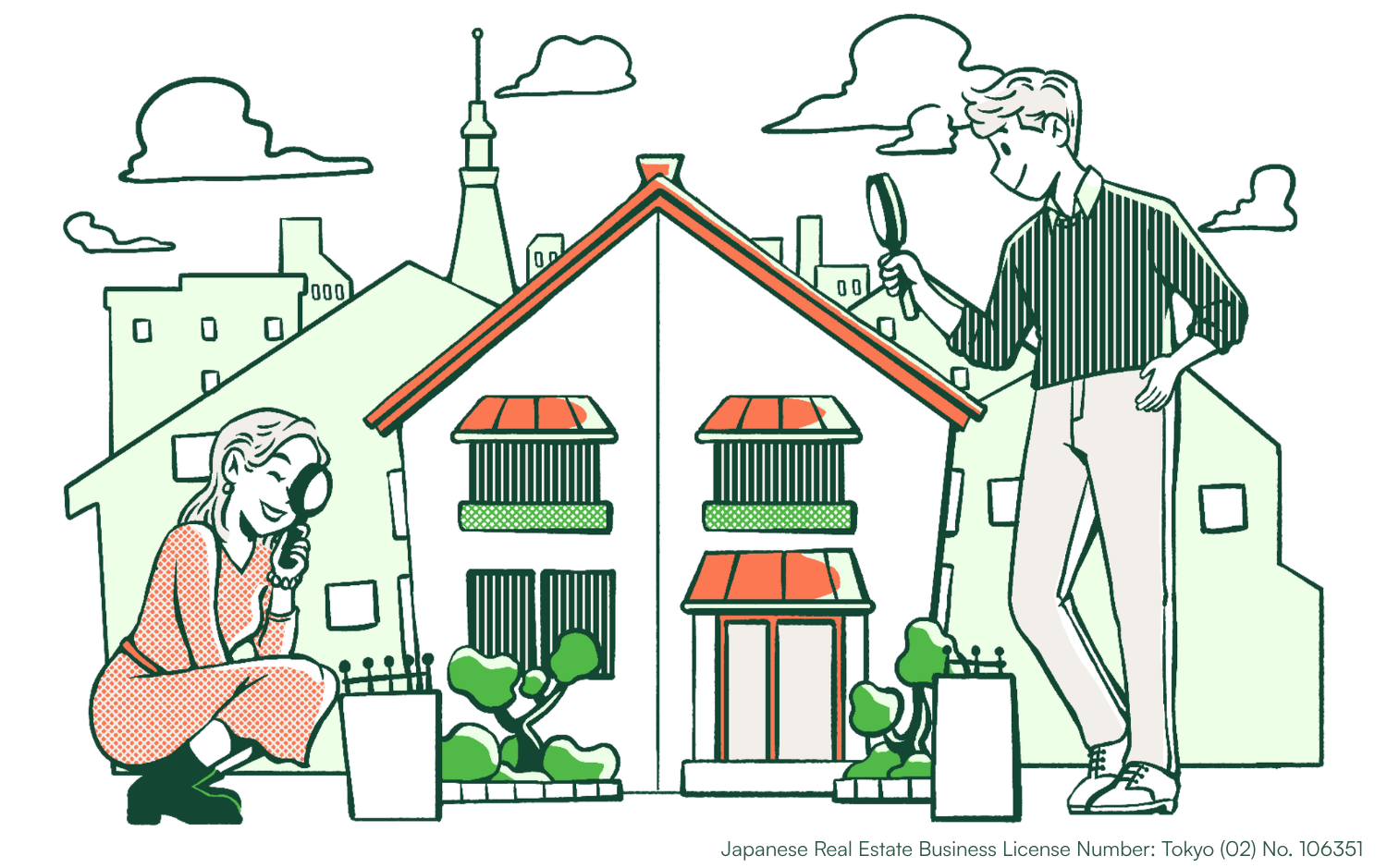
Arrange Property Viewings
The next step is to arrange viewings and inspect the property. To make this process more convenient, arrange multiple visits at once if possible. In addition, try to group appointments so that property visits are not held on random days. If overseas, it is essential to reserve enough time for viewings since this process can be time-consuming.
During the inspection, it is necessary not only to look at the beauty of the property but also to examine its structure and overall condition more closely. It is also vital to inspect accompanying structures if the property is, for example, a condominium. Besides, it is crucial to verify access to the property and its security, availability of transport, and other factors.
Finally, make sure to retain all relevant information and photographs after viewing each property, whether in person or online.
Conducting Due Diligence
Conducting thorough research is the fourth critical step in buying property in Japan. The main idea of this step is that before actually buying the property, it is vital to examine its legal status, general condition, and any additional expenses that may arise. For this stage, one may need the expertise of different specialists. At minimum, one will need a real estate agent to help with researching and reviewing documents.
An essential document that must be examined is the registered matters certificate, which provides general information regarding the property ownership. Another vital document is the explanation of important matters, which contains specific details about the property. It is also necessary to ensure that the property has no deficiencies. If buying a property to be rented out, one should look into its rental history. If buying land or a villa for seasonal use, make sure that this use is permitted by law.
Negotiating the Price
Now, after examining all relevant information and documents, it is time to submit an offer. This step usually involves the first significant financial obligation on the buyer’s side. One has to make a deposit and formally express the buyer’s intent to purchase the property. The amount and terms of this deposit shall be stipulated in a formal contract between the buyer and the property seller. In addition, during this stage, it is vital to consult with real estate agents and other specialists, as they may have additional requirements or recommendations.
When actually purchasing the property, its price will need to be negotiated between the buyer and the seller. It is essential to remember that the initial offer is not binding; thus, the ball is in the seller’s court. They can either accept or reject the offer or suggest a counteroffer outlining different terms and conditions. For this stage, general market knowledge is required on the buyer’s side, so it is advisable to research the property’s value before submitting an offer.
Finalizing Payments and Ownership Transfer
After an agreement has been reached by either accepting the initial offer or accepting a counteroffer, it is necessary to formalize this agreement by signing a sales contract. First of all, one is to carefully review and study the ins and outs of this document. The contract should explicitly stipulate the price of the property, tax liabilities, timelines, and additional costs or expenses. The explanation of important matters must also be carefully studied and thoroughly understood. Finally, a specialist in real estate law must formalize this contract. The process of signing the agreement can vary depending on the type of property purchased, so it is best to rely on the guidance of one’s agent.
Furthermore, in most cases, a deposit will be required when signing the contract, and it is vital to understand its implications for both parties. In this situation, the help of trusted specialists is invaluable, as they can indicate many of the pitfalls that may arise.
Another critical point is that the costs of completing the deal should also be discussed, including agents’ fees, tax payments, and legal costs. In addition to agents, other professionals who handle specific aspects of the real estate transaction may be required.
The last and final step in purchasing property in Japan is finalizing the deal and legalizing ownership. It is essential to make the final payment and complete the purchase, following all the terms and conditions stipulated in the contract. Usually, the seller transfers possession of the property at the moment of full payment.
To register the property with the Legal Affairs Bureau, a judicial scrivener is required. The choice of these two professionals – a judicial scrivener and a real estate lawyer – can significantly affect the transaction cost depending on the complexity of the transaction.
The documents required to formalize ownership should also be discussed during this stage. If the buyer resides outside Japan, additional identity documents, including passports and residence permits, may be required. These documents must confirm the buyer’s identity and residential address. It is also necessary to understand the different rules and regulations that apply to residents and non-residents when formalizing property ownership.
After legalizing property ownership, the new owner already has some responsibilities in relation to the real estate, namely, paying taxes and maintaining the property. Moreover, if they reside outside Japan, they will have to familiarize themselves with all the subtleties of tax law in their region and prepare necessary tax documentation.
Buying property in Japan can be a great investment decision for people residing in Japan or considering relocating there. A foreign buyer, however, must understand the nuances and intricacies of purchasing and registering property ownership with all the necessary documents. Working with professional and trustworthy real estate agents and other experts is of utmost importance, as they have the experience and knowledge to assist such buyers in completing their property transaction. Taking all relevant factors into account and carefully reviewing the state of affairs on the ground will allow a foreign buyer to make a wise purchase decision and minimize potential risks and costs.
Source
- Japan Ministry of Land, Infrastructure, Transport and Tourism — Flow of Real Estate Transactions
- Japan Property — Guide to Buying a House in Japan
- Japan Real Estate Guide — Buying Property in Japan as a Foreigner
- Japan Ministry of Justice — Real Estate Registration Information
Our team of seasoned professionals at PropertyAccess is dedicated to helping you navigate Japan’s real estate market with confidence.
With deep local knowledge and a commitment to personalized service, our experts are here to guide you every step of the way.
Book a Free Consultation Session with Our Team!
.jpg)