Omiya Ward, Saitama City: Greater Tokyo's Transportation Hub with Urban Convenience and Strong Investment Appeal
Last Updated: September 16, 2026
A definitive guide to Omiya Ward – Saitama's commercial center offering excellent rail access, vibrant city living, strong property demand, and convenient access to Tokyo.
Table of Contents

Supervised By: Hiroki Kazato
Real Estate Expert
If you're looking for a neighborhood in Saitama Prefecture that hits the sweet spot for homebuyers, investors, commuters, and businesses, it’s got to be Omiya Ward.
Right in the heart of Saitama City, Omiya Ward pulls people in thanks to its busy rail lines. Trains zoom through constantly, making travel smooth. Shops line the streets, offering everything from meals to new clothes. Office buildings rise tall, filled with companies doing daily work. Homes here cost less than those crammed into central Tokyo. Because of this mix - easy access, variety, lower prices - it keeps drawing residents and workers alike.
Most people who live here find Omixa offers something rare. City energy fills the streets, yet rent stays lower than in central Tokyo. Trains head out fast, linking to nearly every part of Greater Tokyo, also reaching northern regions by bullet train. Because of this mix, homes and buildings in Omiya draw steady interest from those settling down or putting money into property.
So, whether you’re commuting to work, raising a family, or hunting for an investment opportunity, Omiya Ward is still one of the top places to live in Saitama.
Area Overview
Omiya Ward is one of ten wards making up Saitama City, located about 30 kilometers north of central Tokyo. It started as a post town on the historic Nakasendo route and then became a major railway hub during Japan's modernization.
These days, the area serves as Saitoma City's main hub for commerce and retail. Even though Saitama holds the title of prefectural capital, people often see Omiya as the real center - thanks to shops, nightlife, and transit options found there.
The area is pretty compact at about 12 square kilometers, but Omiya Station gives it a pull that reaches far beyond its size. Omiya Station is the star of the show, being one of Japan's busiest train stations with access to:
- JR Yamanote-connected lines
- JR Saikyo Line
- JR Shonan-Shinjuku Line
- JR Keihin-Tohoku Line
- JR Utsunomiya Line
- JR Takasaki Line
- Tobu Urban Park Line
- New Shuttle
- Tohoku Shinkansen
- Joetsu Shinkansen
- Hokuriku Shinkansen
- Yamagata Shinkansen
- Akita Shinkansen
You won’t find that kind of rail access in many places outside central Tokyo. Approximate travel times:
- Ikebukuro: 25–30 minutes
- Shinjuku: 30–35 minutes
- Shibuya: 35–40 minutes
- Tokyo Station: 30–35 minutes
- Ueno: 25–30 minutes
- Shinagawa: 40–45 minutes
- Yokohama: 55–65 minutes
For commuters, Omiya offers some of the quickest routes to Tokyo among all the cities in Saitama.
Atmosphere and Vibe
Omiya has this vibe of being a city within a city.
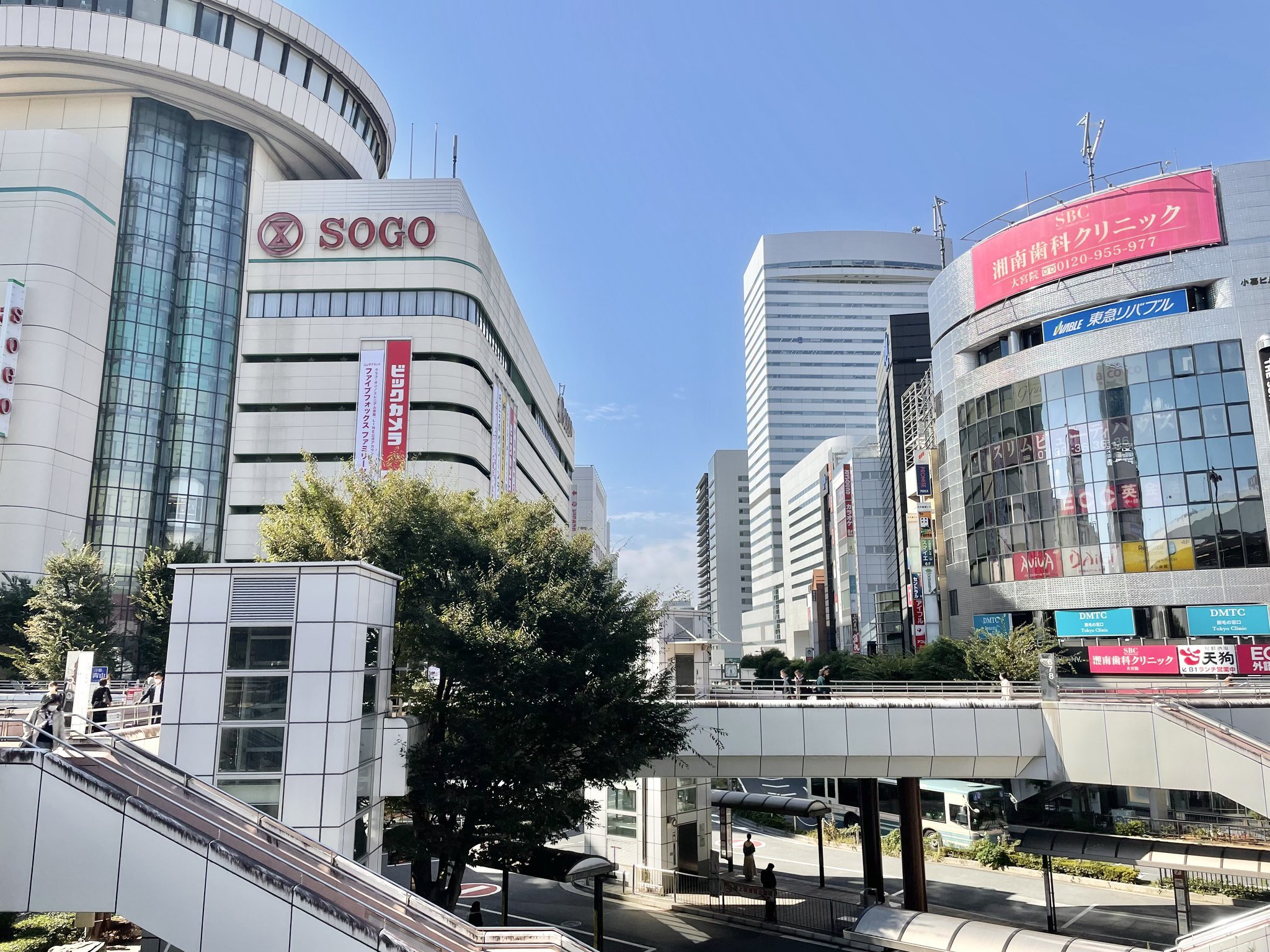
Walking near Omiya Station, the streets hum with movement, full of people rushing past glassy towers. Tall shops stand beside busy eateries where laughter spills out onto sidewalks. Office workers pass hotels packed with travelers heading somewhere or just arriving. Though technically outside central Tokyo, the pace matches it - quick, loud, always on. Bright signs blink even during daytime, marking places to eat, rest, play. Suburb? Maybe on maps. In feel? More like the city stretched its arms wide and grabbed this spot too.
During the week, the streets are packed with office workers, and business travelers often pass through thanks to Omiya’s Shinkansen connections.
Weekends bring a different rhythm. Department stores fill up, shopping centers buzz, yet others choose green spaces and nearby sights instead. As daylight fades, Omixa hums louder - diners linger, drinks flow, stages light up when most towns slow down.
Over by the east exit of Omiya Station sits the heart of the neighborhood - busy, full of motion. Tiny lanes lined with stores wind through the area, where food stalls share space with decades-old businesses. Life hums here, fed by diners tucked into corners and venues that draw crowds night after night. A steady pulse runs through it, built on familiarity rather than flash.
Out past the center, roads stretch broader, lined with glassy offices, fresh hotels, spaced out shops. Renewed slowly over years, this part now wears a sharper face.
Walking farther from the station, sound fades fast. Tree-lined paths appear, then schools pop up between green spaces where kids play. Peace settles in, yet downtown energy stays within reach. Neighborhoods here breathe calm, built around places families return to every day.
One of Omiya’s strengths is its blend of urban convenience and a cozy residential feel.
Tourist and Local Destinations
While Omiya is mainly known for transport and commerce, it has some cool attractions, too.
Regarded as one of Saitama's favorite parks, Omiya Park offers loads of green space, walking paths, sports facilities, and beautiful cherry blossoms in the spring. It’s been a local hangout for over 100 years.
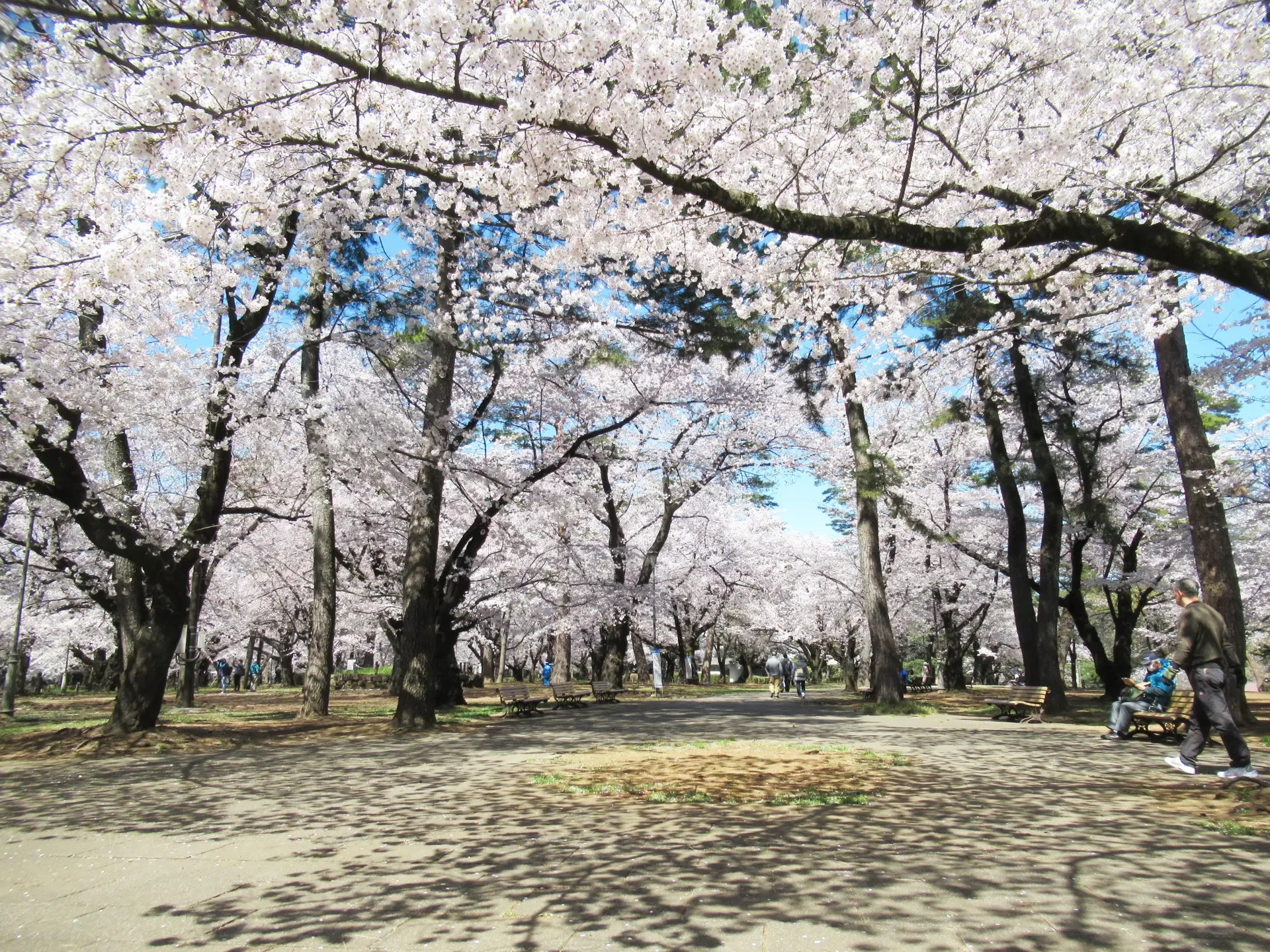
Musashi Ichinomiya Hikawa Shrine is an ancient shrine supposedly dates back over two millennia, standing as a key spiritual site across the Kanto region. Down a quiet avenue shaded by towering trees, stillness takes hold even as the city hums nearby.
One of Japan's best railway museums, the Railway Museum showcases the country’s rich rail history with interactive displays, historic trains, and educational exhibits. It’s a family favorite in Saitama.
Omiya is a top shopping spot in Saitama with major places like:
- Sogo Omiya
- Lumine Omiya
- Omiya Arc Town
With so many shopping, dining, and entertainment options within walking distance of the station, residents are spoiled for choice.
Livability
Omiya is often ranked as one of the best places to live in Saitama. Not many suburban areas in Greater Tokyo can beat Omiya when it comes to convenience. Residents have easy access to:
- Department stores
- Supermarkets
- Medical facilities
- Schools
- Government services
- Restaurants
- Fitness centers
- Entertainment spots
Most daily tasks can be done on foot, without needing a car. Most areas in Omiya stay quiet, much like the rest of Japan. Though crowds gather near the train hub, life slows down just blocks away. Homes line streets where kids walk alone, evening light still bright above rooftops. You’ll find a wide range of public and private schools, plus easy access to universities in Saitama and Tokyo.
Omiya has several hospitals and clinics, giving residents quality healthcare access. Walkability stands out in Omiya. Trains connect easily to wide sidewalks, so people skip cars. Shops line the routes, making strolls practical. Getting around on foot just makes sense here. Even with its city vibe, Omiya has plenty of green areas, thanks to Omiya Park and the grounds around Hikawa Shrine, adding to the overall quality of life.
Real Estate: Rent and Property Information
Omiya shines in the real estate market. The demand stays high for homes due to its transport links, job opportunities, and ongoing redevelopment.
Here’s a rough idea of monthly rents:
- Studio / 1K Apartment: ¥65,000–¥95,000
- 1LDK–2LDK Apartment: ¥100,000–¥180,000
- Family Apartment: ¥150,000–¥280,000
- Detached House: ¥180,000–¥350,000+
Properties close to Omiya Station are often the priciest. If you're looking to buy, here’s what you can expect:
- Older Condominium: ¥25–50 million
- New Condominium: ¥50–100 million+
- Detached House: ¥40–90 million
- Premium Central Property: ¥80–200 million+
Buyers usually get more space compared to central Tokyo, all while having great train access.
Omiya is considered one of the best investment markets in Saitama. Reasons for long-term demand include:
- Fantastic rail access
- Major commercial hub
- Ongoing redevelopment
- Strong population
- Close to Tokyo
- Steady rental demand
For investors aiming for stable returns and long-term demand, Omiya fits the bill as one of the most appealing suburban markets in Greater Tokyo.
Other Information
Trains out of Omiya make travel feel almost too easy. From there, reaching Tokyo or towns up north takes little effort at all. This convenience keeps driving up demand for housing and property values.
Walk down any street in Omixa, cars aren’t missed. Trains carry people through the day, buses roll along every few minutes. Bicycles lean against rails at stations. Feet tap pavement from morning until dark.
Many people choose Omiya for more space and lower housing costs compared to central Tokyo while still enjoying quick commutes.
Land and property in Omiya open to foreign buyers under the same rules as locals. That ease pulls global investors eyeing Tokyo's wider region. Not treated differently - access stays equal regardless of nationality. Seen often by overseas names snapping up space nearby city limits grow. Rules stay flat: what applies to Japanese citizens goes for others too.
Who Is Omiya Best For? Omiya is especially appealing for:
- Tokyo commuters
- Families
- Professionals
- Real estate investors
- First-time homebuyers
- Foreign residents wanting convenience
- Buyers looking for urban perks without the Tokyo price tags
If you want great transport links, solid demand for properties, lots of shopping and dining, and quick access to Tokyo, Omiya Ward is definitely one of the best places to live and invest in the Greater Tokyo Area.
Source
- Saitama City Official Website – Omiya Ward
- East Japan Railway Company (JR East) – Omiya Station
- The Railway Museum
- Hikawa Shrine Official Website
- Japan National Tourism Organization (JNTO) – Saitama Travel Guide
- Saitama Prefecture Official Tourism Guide
Our team of seasoned professionals at PropertyAccess is dedicated to helping you navigate Japan’s real estate market with confidence.
With deep local knowledge and a commitment to personalized service, our experts are here to guide you every step of the way.
Book a Free Consultation Session with Our Team!