- Area Guides
Nishijin, Fukuoka: Classic Shotengai Energy Meets Student-City Convenience
Last Updated: October 23, 2026
A comprehensive neighborhood guide to Nishijin, Fukuoka - a lively, walkable district known for its shopping arcade, student culture, affordability, and strong access to Tenjin and Hakata.
Table of Contents
Supervised By: Hiroki Kazato
Real Estate Expert
Nishijin is one of the most well-balanced neighborhoods in Fukuoka. It is urban, yet not overcrowded, lively and yet residential. Located in Sawara Ward on the Fukuoka City Subway Airport Line, the station serves as a bridge between Nishijin and Tenjin and Hakata giving fast access to the latter although it retains its local identity centered around the shopping arcade of the opposite history.
Young people fill Seinan Gakuin University, shaping the neighborhood's rhythm. Walkability sticks around, tied closely to how families live here. Rental interest stays strong, fed by steady patterns over time. In Nishijin, trust grows from habits that last, not slogans. Cost fits tight budgets, yet comfort doesn’t slip away. Life settles easily where values run quiet but deep.
Area Overview
Right where Tenjin meets the west side of Sawara Ward sits Nishijin. At its heart stands Nishijin Station, which is roughly 7-10 minutes away from Tenjin.
Out here, homes and shops slowly spread along the main road over time instead of rising from some grand blueprint like Momochihama’s tidy shoreline layout. That history shows in how Nishijin feels - closer to an old city block than a polished district. Tight lanes weave between structures that hold apartments above stores below. People know neighbors by face, not just name, which keeps things grounded. Life moves at sidewalk level.
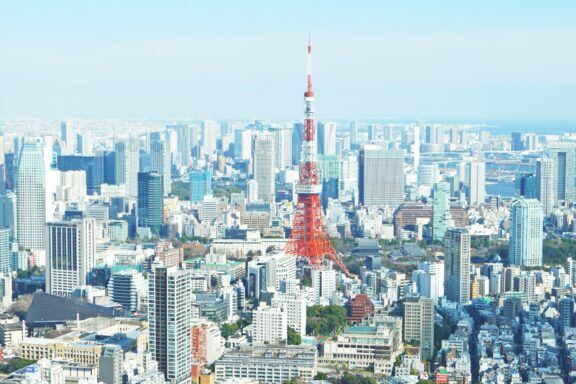
Centrally located between Tenjin and the seaside Momochi area, Nishijin is both a city and a nature destination as it has access to both the concrete spaces of the city and the green and waterfront areas of the seaside.
Atmosphere and Vibe
Most folks know it as Nolto Shopping Street, tucked under cover like an old umbrella shielding shoppers for years. Running alongside stalls full of fresh vegetables stands small ovens puffing out bread smells, while silver-scaled fish wait on ice nearby. You’ll find warm cups of coffee pulled at counters where regulars sit every morning, plus meals made by families who’ve cooked there longer than some remember. Although the arcade is a typical Showa-era atmosphere with its layout, it is still modern because it has to adapt to current times.
The area feels:
- Genuine and local
- Student-friendly
- Cheap dining in the area
- Safe and community-driven
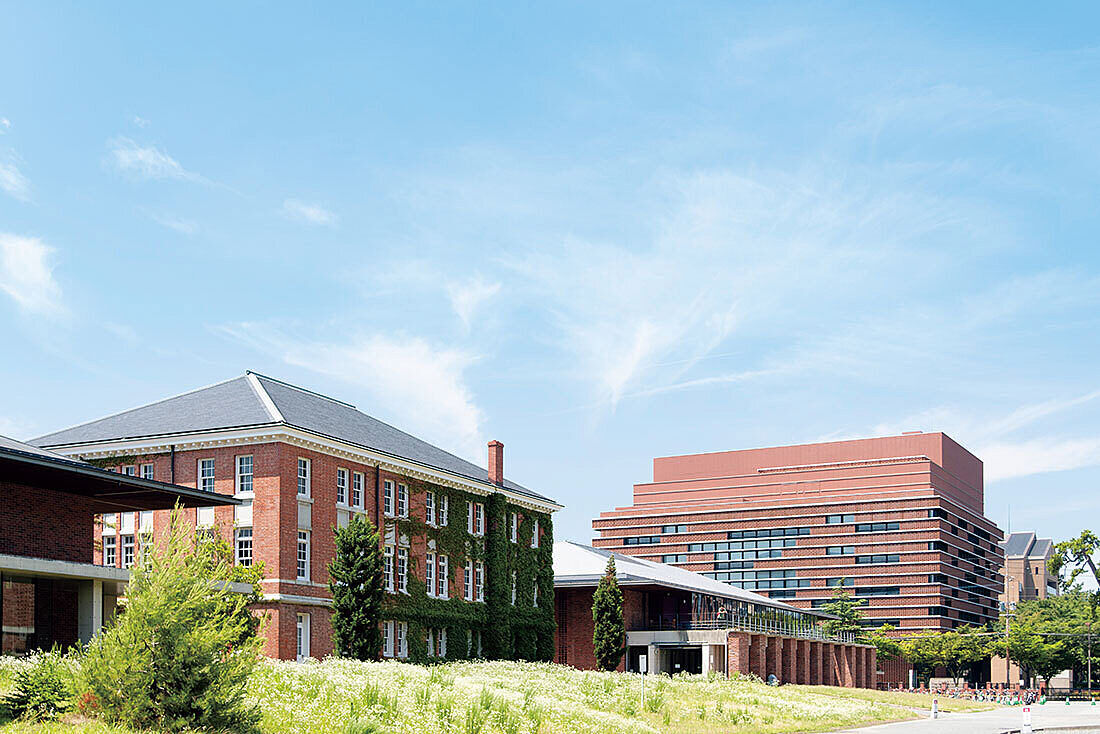
Evenings near Seinan Gakuin University tend to quiet down, though daytime brings steady foot traffic from students. Not much happens after dark here compared to busier spots such as Daimyo. The nighttime scene stays under the radar - modest izakayas and ramen places fill the gap without drawing attention. A relaxed rhythm takes hold once the sun sets. Life moves slower when classes end. Few flashy venues pop up; simplicity rules instead.
Tourist and Local Destinations
Even though Nishijin is mostly a residential zone, it is near many attractions.
A stretch of green sits just east of Nishijin - this is Ohori Park, well known among locals. According to the official tourism guide of Fukuoka City, it holds a wide pond at its heart. Paths wind through the space, linking quiet gardens and spots where culture shows itself. People from nearby areas arrive on foot or by bike, drawn without needing a reason.
Over by the northern edge, Seaside Momochi stretches across filled land along the shore - known widely for bright cityscapes after dark and open sands where waves roll in (Japan National Tourism Organization). That setup makes Nishijin stand out as a quieter pick, offering shoreline access minus the steep costs tied to front-row ocean spots.
Fukuoka PayPay Dome? That place where the SoftBank Hawks play. Not quite the same as calling it home for the Fukuoka Hawks, but near enough. On match days, movement around the neighborhood picks up - more people, more noise, just busier.
Livability
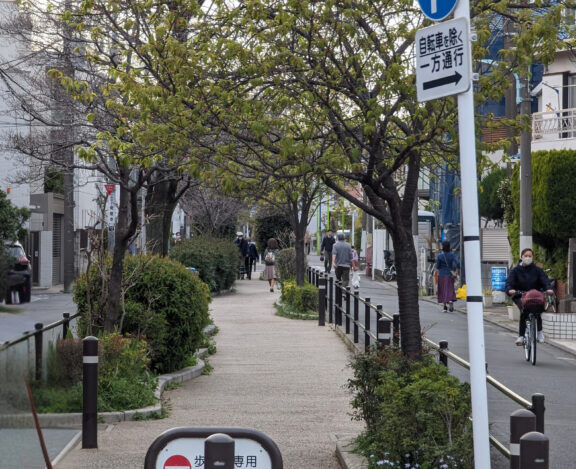
Home to quiet streets and tree-lined avenues, Nishijin stands out in Fukuoka. Its appeal grows from steady convenience mixed with a relaxed pace. Fewer crowds pass through here compared to central zones. Schools sit within walking distance for families. Local shops open early, stay late. Peace settles into the evenings. Residents often know their neighbors by name. Green spaces appear around corners where children play. Buses run frequently without long waits. Life moves at its own rhythm, never forced. Stability threads through daily routines
- Direct subway access
- Strong supermarket presence
- Medical clinics and pharmacies
- Affordable dining
- Compact walkability
The Fukuoka City Official Website states that Sawara Ward provides residential stability and educational facilities along with good transport infrastructure making it one of the most preferred areas for families and students to live. The neighborhood is very much a good fit for:
- University students
- Young professionals commuting to Tenjin
- Small families seeking mid-range rents
- Long-term renters wanting to live in a community without disruptions
Real Estate: Rent and Property Information
Because of its lower prices, Nishijin is a better choice when compared to waterfront areas like Momochihama or central Akasaka.
Rental Market
Based on listings from major property portals such as Suumo and Homes.co.jp:
- 1K / 1DK units: Approximately ¥45,000 – ¥70,000 per month
- 1LDK units: ¥70,000 – ¥110,000
- 2LDK–3LDK family apartments: ¥110,000 – ¥180,000
Older low-rise buildings near the shopping arcade offer more affordable options, while newer reinforced-concrete apartments near subway exits command higher rents.
Property Market
According to Realestate.co.jp and Homes.co.jp the data show:
Smaller condominiums: roughly ¥30–60 million
Larger or newer units: ¥60–90 million depending on proximity to the station and building age
The long steady duration of rental demand coming from Seinan Gakuin University has given popularity to small units that landlords are willing to put absolutely any tenant in if the unit is not occupied.
Other Information
A quiet rhythm runs through Nishijin, different from the polished streets of Seaside Momochi. Not flashy like Daimyo’s wide sidewalks and bright signs. Life here moves at its own pace, shaped by small shops and morning routines. People walk with purpose, not performance. Familiar faces pass each other without spectacle. This part of Fukuoka breathes in ordinary moments.
- Practical urban living
- A strong sense of community
- Reliable transport access
- Mid-range property pricing
Strengths
- Good subway connections
- Well-established local culture
- Affordable rents and food
- Close to both downtown and waterfront
- Stable rental demand
Trade-Offs
- Not so many upscale high-rise buildings
- Less nightlife than Daimyo
- Older sections have narrower streets
- Limited commercial re-development on a larger scale
For those students, young professionals, and investors who wish for stable rental returns, Nishijin will continue to be one of the city´s best-balanced neighborhoods.
Source
- Fukuoka City Subway – Airport Line Overview
- Seinan Gakuin University – Official Website
- Nishijin Shopping Street – Official Website
- Ohori Park – Fukuoka City Official Tourism Guide
- Seaside Momochi – Japan National Tourism Organization
- Fukuoka PayPay Dome – Fukuoka SoftBank Hawks Official Site
- Fukuoka City Official Website – Sawara Ward Information
- Suumo Property Listings – Nishijin Area
- Homes.co.jp – Nishijin Rental and Sales Listings
- Realestate.co.jp – Fukuoka Properties
Our team of seasoned professionals at PropertyAccess is dedicated to helping you navigate Japan’s real estate market with confidence.
With deep local knowledge and a commitment to personalized service, our experts are here to guide you every step of the way.
Book a Free Consultation Session with Our Team!