- 지역 가이드
Yokohama, Kanagawa: Coastal City Living with Global Energy and Everyday Convenience
Last Updated: 10월 23, 2026
A definitive guide to Yokohama, Kanagawa - a vibrant port city offering waterfront living, strong connectivity to Tokyo, and diverse neighborhoods for every lifestyle.
목차
Supervised By: 카자토 히로키
Real Estate Expert
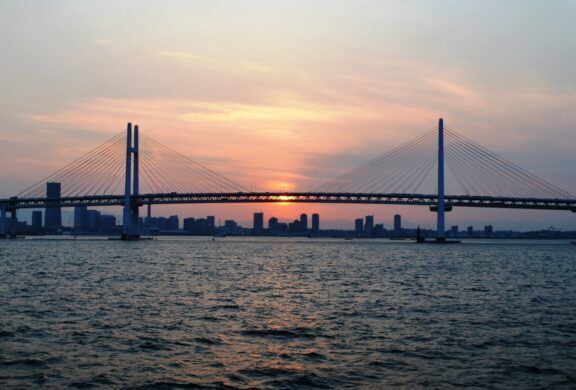
Yokohama is one of Japan’s most vibrant cities. Just a bit south of Tokyo, it has the perfect blend of city life, waterfront fun, and cozy neighborhoods. Life moves fast here, yet pockets of calm appear where people linger by marinas. City energy flows into gentle moments near parks and piers. Urban rhythm meets soft seaside air without losing its spark.
Out here, life feels easier than in central Tokyo - quieter, cheaper, just as lively. Skyscrapers rise tall, yet streets nearby stay calm, almost hushed. Different worlds sit side by side, one after another. Tall glass towers mix with tree-lined lanes where little stirs past sunset.
If you're after city perks, an international vibe, and a little more breathing room than Tokyo, Yokohama should definitely be on your list.
Area Overview
Yokohama is the capital of Kanagawa Prefecture and the second-largest city in Japan by population. It sits right on Tokyo Bay, just south of Tokyo, making it part of the Greater Tokyo area. What stands out most? It's where the place sits on the map. Getting to Tokyo feels effortless when you're based in Yokohama, yet the city holds tight to its distinct flavor - a center for both business and culture alike. Spread across several districts, every zone carries a different rhythm; think bustling Naka and Nishi contrasted by calmer corners such as Aobo and Kohoku.
On foot or rail, moving through Yokohama feels smooth. Trains run often, thanks to big networks such as JR East's Tokaido and Keihin-Tohoku routes. Private companies add more paths - Tokyu and Keikyu keep things linked. Where the water meets the city, the Minato Mirai Line ties spots together.
For commuting, here’s how long it typically takes:
- Shibuya: about 25-30 minutes
- Shinjuku: about 30-35 minutes
- Tokyo Station: about 25-30 minutes
From Yokohama Station and Shin-Yokohama Station, reaching the Shinkansen lines feels natural. Because highways spread out widely, trips toward Tokyo or nearby spots move without trouble.
Yokohama really feels like it has everything you need, with Tokyo just a short trip away.
Atmosphere and Vibe
What makes Yokohama stand out is its rhythm - busy streets meet quiet corners without rushing. Modern buildings rise beside old-world charm, yet the pace never feels frantic like Tokyo's. Instead of constant noise, there’s space to breathe. Global influences mix easily here, not forced, just part of daily life. The city moves forward, though never in a hurry.
Few places move quite like the streets do when sunlight hits. Where Minato Mirai hums under office chatter, shop doors opening, traveler talk, some corners stay slow - houses lined up quiet, keeping time without rush.
At night, places like Kannai and Yokohama Station light up with restaurants, bars, and entertainment, while residential areas stay peaceful and inviting.
Openness defines Yokohama in ways that surprise. Wide avenues stretch under open skies, meeting breezy shores where land meets water. Unlike central Tokyo, space breathes here, shaped by design that plans ahead. The city unfolds without crowding, guided by choices made long ago.
Out here, you’ll notice how the world seems to gather in one place. Because of its long connection with harbor life, flavors from far away mix easily into daily routines. People from different countries settled in, bringing meals and habits that stick around. A broader rhythm runs through the streets, quiet but clear.
Yokohama is the kind of place where you can enjoy city life without feeling swamped.
Tourist and Local Destinations
Yokohama has tons of attractions that seamlessly blend into everyday life.
Right by the water, Minato Mirai draws crowds day after day. Tall offices stand beside stores where people browse without rush. Walk along the edge and see how light spreads across the bay at dusk. That tall tower? It shows you Yokohama from high above the ground.
By the water, Yamashita Park offers space to walk or just sit and unwind. Linking places such as Motomachi and Chinatown brings flavors and traditions into view.
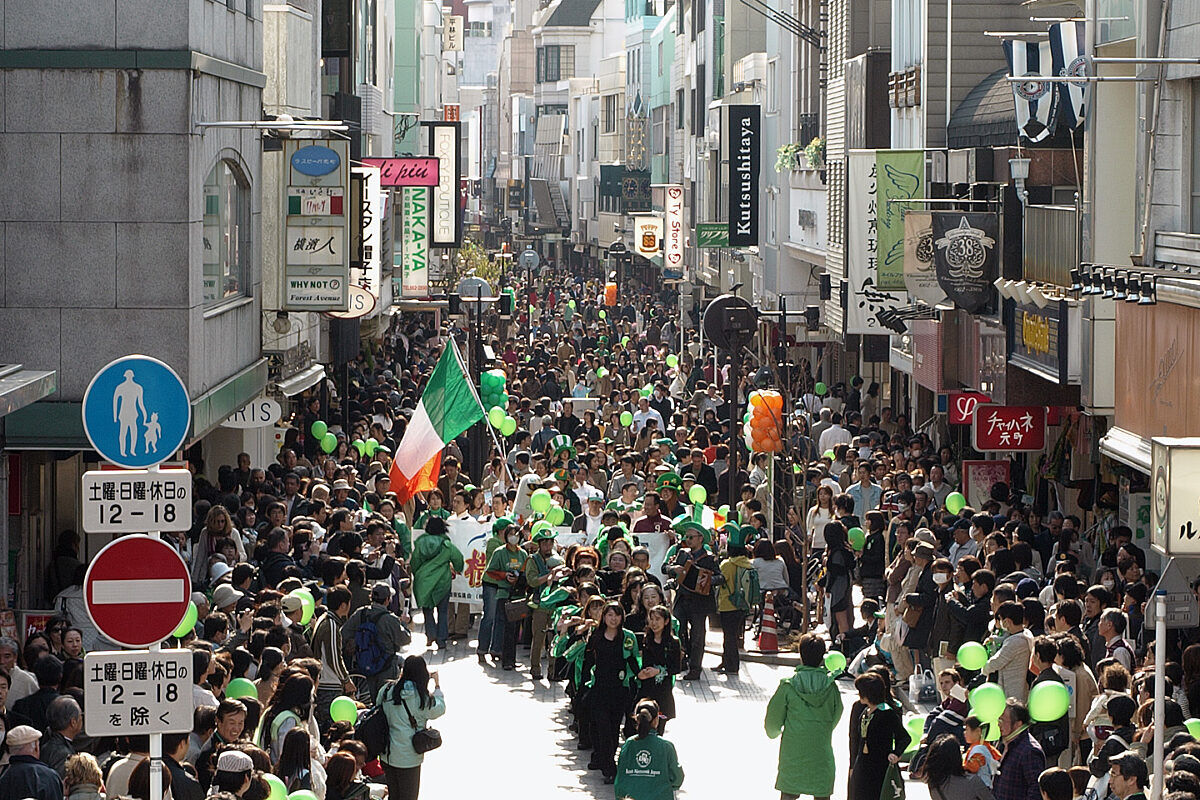
Speaking of which, Yokohama Chinatown is one of the largest in the world and a major destination for food lovers and festivals.
For family fun, places like the Cup Noodles Museum and Cosmo World amusement park bring even more excitement to the city.
With all of these tourist attractions, it still feels like you’re living in a real neighborhood, not just a tourist trap.
Livability
Yokohama is often seen as one of the most livable cities in Japan. It’s safe and well-kept, with clean and organized residential areas designed for everyday living.
Most areas have shops and services close by. From one moment to the next, you might stumble upon a supermarket just around the corner. Near Yokohama Station, big stores mix high-end choices with basic needs under one roof.
Great healthcare pops up everywhere. Clinics sit beside big hospitals, offering care close by. Schools show up in many forms - public ones stand next to private spots, even a few that teach in foreign styles. Education gets attention just like medical help does.
Getting around Yokohama? It moves fast thanks to trains that reach nearly everywhere. Heading into Tokyo takes little time when you're on the rail lines. Biking works well in several neighborhoods too - paths and lanes help make it happen.
Besides, parks and shoreline zones lift daily living. Take Yamashita Park or neighborhood patches of nature - they offer corners to slow down. What stands out? These spots just feel easier to breathe in.
Life in Yokohama just fits together somehow. Work happens here, sure - yet so does letting go, laughing late, finding quiet corners near water. The city holds it all, no need to drift elsewhere.
Real Estate: Rent and Property Information
Out near Yokohama’s edges, housing feels quieter, more spaced out. Closer in, things tighten up - prices climb when sidewalks get busier. Near a station? Expect numbers to rise, simple as that. Distance shapes value here, every time. Rent is usually cheaper than central Tokyo but higher than in more suburban areas.
Smaller places - think studios or one-room setups - usually cost between ¥60,000 and ¥90,000 each month. When it comes to spots such as Minato Mirai or close to Yokohama Station, expect fees jumping past ¥100,000. Most folks who work full time, or pairs wanting extra room, tend to pick 1LDK units. Prices for these places usually sit anywhere from ninety thousand to one hundred fifty thousand yen. Larger units, like 2LDK or 3LDK apartments, usually range from around ¥130,000 to ¥250,000 or more, based on location and quality.
When it comes to buying, Yokohama has lots of choices.
Older condos might start around ¥25 million to ¥40 million, particularly in less central areas. Second-hand condos typically go for about ¥35 million to ¥70 million, while newer ones in prime spots can cost over ¥80 million to ¥100 million or more. Detached houses are also available, especially in suburban zones, with prices generally ranging from around ¥40 million to over ¥90 million, depending on land size and how close they are to stations.
Steady demand shows up most where transit links work without fail. Seen through investors’ eyes, Yokohama holds its ground quietly but firmly.
Other Information
For foreign residents, Yokohama is one of Japan’s most welcoming cities. Most folks speak English well around downtown spots, clinics, medical centers, and official buildings. Settling down feels smoother thanks to open-minded people from different countries already living there.
Getting around is straightforward, and many signs are in English, which helps newcomers adjust quickly. Yokohama is great if you want to be near Tokyo without living right in it, prefer a more spacious and relaxed city vibe, and value international amenities and communities.
It might feel less intense than Tokyo, but for a lot of people, that's exactly what makes it attractive. Though bustling, it feels calmer - open spaces weave through its urban rhythm.
Out here, connections run smooth. Different districts match different tastes. Life feels steady, maybe even better than expected. Professionals settle in just fine. Families make their routines without hassle. Those coming from abroad also find their pace easily. What sticks around is how things line up with daily needs. Yokohama shapes itself quietly to fit who you are.
If you’re looking for a city that’s both global and livable, Yokohama is one of the top choices in Japan.
Source
- Yokohama City Official Website – City Overview
- Japan National Tourism Organization – Yokohama Travel Guide
- Kanagawa Prefecture Official Tourism Site
- East Japan Railway Company (JR East) – Rail Network Information
- Ministry of Land, Infrastructure, Transport and Tourism (MLIT Japan) – Land Price Data
- Real Estate Information Network System (REINS Japan) – Market Data
- SUUMO Real Estate Listings – Yokohama
- LIFULL HOME’S – Yokohama Property Listings
Our team of seasoned professionals at PropertyAccess is dedicated to helping you navigate Japan’s real estate market with confidence.
With deep local knowledge and a commitment to personalized service, our experts are here to guide you every step of the way.
Book a Free Consultation Session with Our Team!
PropertyAccess의 노련한 전문가 팀은 여러분이 일본 부동산 시장을 자신 있게 탐색하실 수 있도록 최선을 다해 지원해 드립니다.
풍부한 현지 지식과 맞춤형 서비스에 대한 헌신을 바탕으로, 저희 전문가들이 부동산 구매 과정의 모든 단계에서 고객님을 안내해 드립니다.
무료 개별 상담 예약하기
(예약 화면은 영어로 표시됩니다.)