- 지역 가이드
Maruyama, Sapporo, Hokkaido: A Green Residential District Where Nature Meets City Living
Last Updated: 10월 23, 2026
A definitive guide to Maruyama in Sapporo - a leafy residential district known for parks, family-friendly living, and easy subway access to the city center.
목차

Supervised By: 카자토 히로키
Real Estate Expert
Maruyama is one of Sapporo’s coolest neighborhoods. Nestled in the western part of the Chūō Ward, it blends quiet residential streets with some of the city’s top natural spots.
People love how Maruyama strikes a great balance. You can easily hit the forests, hiking trails, and parks just minutes from your doorstep, but you can also hop on the subway and be downtown in no time. This mix of nature and convenience is why it's such a hit with families, professionals, and locals.
Though quiet, Maruyama holds daily life at its core. Its tree-lined lanes, neighborhood eateries, places where people gather, along with classrooms full of students, shape a rhythm that feels unhurried. What stands out is how routine here moves without rush.
Should relocation or property matters lead toward Sapporo, Maruyama tends to appear among top choices. Exploration reveals reasons behind its consistent mention.
Area Overview
Situated west within Chūō Ward - the heart of Sapporo - lies Maruyama. Approximately three kilometers separate it from the city center, offering proximity without constant noise. Though near downtown, a quieter atmosphere remains, shaped by tree-lined paths and open spaces. Access proves simple, yet the area holds a sense of separation from crowded streets. Distance here balances convenience with calm, avoiding both isolation and congestion.
A name taken from Mount Maruyama shapes this district; the peak is a modest rise thick with trees above the streets. Located at its base lies Maruyama Park - ranked among Sapporo’s most visited green spaces, notable for size.
Travel within the area presents minimal difficulty. Located along the Tozai Line, Maruyama-Kōen Station serves as the primary access point by rail. Reaching central Sapporo takes little time due to this connection.
Typical travel times are:
- Odori Station (city center): around 10 minutes by subway
- Sapporo Station: roughly 15 minutes by subway with one transfer
- Susukino entertainment district: about 15 minutes away
- New Chitose Airport: 60-70 minutes via train connections
These quick trips make Maruyama very convenient for folks who work downtown but want a quieter place to live.
Where downtown hums with motion, these blocks breathe slower. Trees stand beside quiet roads, spaced between pockets of green. Small parks appear without warning, tucked near simple apartment structures. Buildings stay close to the ground, never rising too far. A different rhythm settles here, shaped by homes instead of hubs.
Footpaths link Maruyama to nearby districts, alongside bus routes and cycling lanes that complement the subway. Movement on two wheels or by foot defines daily routines for many who head toward cafes, classrooms, or stores. While some choose buses, others prefer quiet streets where bicycles glide past homes and markets. Connections unfold slowly - through sidewalks, shared roads, and regular rhythms of travel.
Overall, the district provides a great mix of being close to the city while keeping a calm, green atmosphere.
Atmosphere and Vibe
Maruyama has a totally different vibe from the busier spots in Sapporo like Susukino or Odori.
Quietness defines this place, where homes sit among trees and pathways wind past small stores. Mid-rise buildings appear alongside houses meant for families, creating a settled feel throughout the area.
Fewer cars pass by as morning light spreads across sidewalks where children walk beside adults on their way to classrooms. Movement fills green spaces - some individuals run while others pause beneath trees. In small eating places, conversation rises above the sound of poured drinks and tapping devices. The rhythm stays close to daily life, shaped more by routine than spectacle.
Peace fills the air where trees line paths near Maruyama Park. Though close to city life, quiet still takes hold through green spaces that stretch beyond sidewalks. Where concrete ends, leafy stretches begin without warning. Among tall trunks and soft moss, noise fades into background hum. Stillness arrives slowly when streets give way to forest edges.
Here, time moves differently despite the short distance from downtown. With fewer cars, movement along the roads becomes more deliberate. Open spaces replace crowds, making each block feel removed. Distance from noise does not require miles - just a shift in rhythm.
When darkness comes, the mood turns quiet. Rather than crowded bars, small eateries light up the streets. Breads cool behind glass by evening. Simple meals serve late without fuss.
While other entertainment zones lean casual, Maruyama carries a quieter elegance suited to families. Many residents consider it among Sapporo’s top spots for those traveling with children.
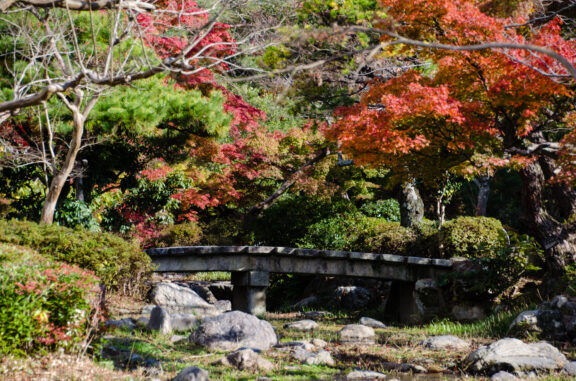
Seasons reshape the atmosphere in quiet ways. As spring arrives, cherry trees bloom across open green spaces. During summer, pathways fill with people moving slowly through long daylight hours. When autumn begins, hillsides near Mount Maruyama catch fire in reds and golds. Cold months drape the world in stillness under thick layers of snow.
These seasonal changes help connect you to nature while living in a major city.
Tourist and Local Destinations
Among Sapporo’s well-known locations, several sit within Maruyama. To residents, such sites serve routine roles - far beyond photo opportunities.
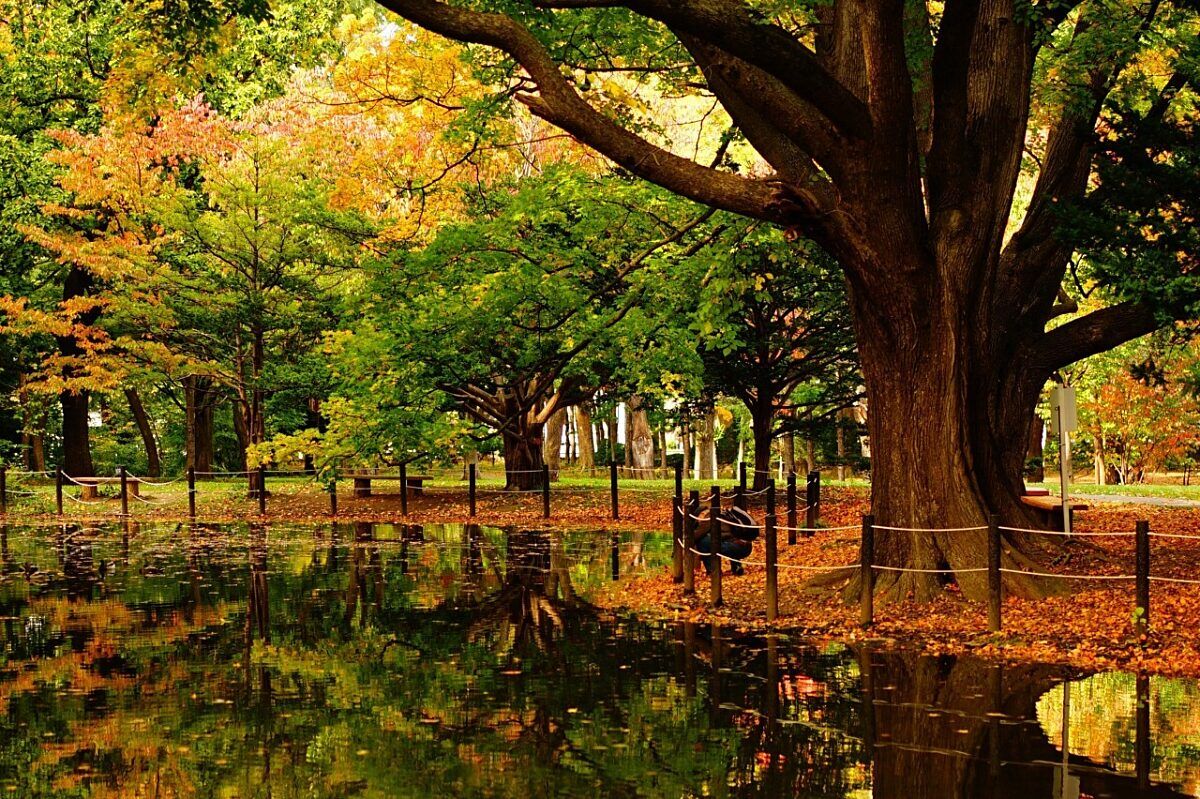
The star of the show is Maruyama Park, a massive green space at the foot of Mount Maruyama covering about 68 hectares.
Around this green space, thick woods stretch beside trails meant for strolling, while athletic zones appear near wide clearings used throughout the seasons. Known widely due to blooming cherries, more than fifteen hundred sakura unfold each April, turning the location into a leading destination when petals open across Sapporo.
Beside it stands Hokkaido Shrine, considered among the area’s key spiritual sites. Constructed during the 1800s, the site welcomes those seeking prayer, festival participation, or quiet walks through its surrounding forest.
Fresh air fills the paths where families walk toward Maruyama Zoo, nestled within the green space. Opened long ago, back in 1951, its appeal to children has never faded. Still today, among Sapporo’s most visited spots, it holds steady.
For those who love the outdoors, Mount Maruyama has hiking trails that lead to a summit with amazing views of the city.
Nearby, you can check out the Okurayama Ski Jump Stadium, used in the 1972 Winter Olympics, which also offers panoramic views of Sapporo.
From time to time, people find pleasure in minor details shaping a neighborhood's feel. Near the underground stop, streets hold coffee places, bread makers, one-of-a-kind stores.
While tourists flock to the big sights, most days, Maruyama is a local hangout - where residents use the park, forests, and quiet streets as part of their daily routine.
Livability
Maruyama often ranks as one of the easiest neighborhoods to live in Sapporo.
What stands out most is the way urban access meets forest calm. Near the core of the city, yet bordered by trees and open land. Not far from busy streets, still touched by quiet landscapes. Proximity to services exists alongside untouched patches of nature. Downtown energy sits just minutes away, while leafy paths begin at doorsteps. Close enough for errands, wild enough for walks. City rhythm nearby, earth tones all around.
Families come here because of strong schools, open green areas, along with a quiet way of living. Children spend time outside safely yet remain close to urban conveniences.
A different advantage involves transportation. Accessing central districts becomes faster thanks to the Tozuri subway route, which reduces travel effort compared to regions where automobiles are relied upon heavily.
Few everyday needs lie far away here. Supermarkets sit close by, while pharmacies appear just a short walk onward. Medical care stays reachable on foot, with clinics placed near main paths. Restaurants follow along sidewalks, opening one after another when moving through the area.
One reason people feel at ease here ties back to security. Just as seen across Sapporo, cleanliness, order, yet peace define Maruyama’s character.
Together, seasonal festivals at Hokkaido Shrine shape much of local life. Throughout the year, neighborhood gatherings hold space for connection among residents.
It might be worth noting how climate plays a role. During winter months, Sapporo sees heavy snowfall, requiring people there to adapt to roads covered in snow along with cold temperatures.
However, many locals embrace winter as part of Sapporo’s charm.
For those who love nature and a quieter lifestyle, Maruyama offers a great living experience.
Real Estate: Rent and Property Information
Maruyama is seen as one of Sapporo’s more upscale neighborhoods, which shows in its real estate market.
Rents here are typically a bit higher than in some surrounding areas due to its popularity and location.
Monthly rents around Maruyama-Kōen Station usually look like this:
- Studio apartments: about ¥30,000–¥35,000
- One-bedroom apartments: around ¥36,000–¥40,000
- Two-bedroom apartments: roughly ¥43,000–¥57,000
- Three-bedroom apartments: about ¥60,000–¥87,000
Prices can change based on the age of the building, amenities, and how close they are to the subway.
A range of home styles occupies the neighborhood. Close to the transit stop, buildings stay short with updated units inside, whereas wider houses appear on calmer roads toward the west.
Since Maruyama is close to parks and nature, some places even offer lovely views of the forest or Mount Maruyama.
For buyers, property values tend to stay stable because of the area’s strong reputation and limited space for new developments.
Families often set up long-term here, which helps keep the neighborhood feeling residential.
Other Information
For foreign residents moving to Sapporo, Maruyama can be a welcoming spot to settle down.
It’s well connected to the city center, making it easy to access international services, banks, and government offices.
While English isn’t as widely spoken as in touristy areas, many businesses near the subway station are used to dealing with international visitors.
Frequent proximity to the park and shrine introduces familiar customs through shared moments. When seasonal celebrations occur, community members gather under blooming trees, offering insight into routines shaped by cultural rhythm. These occasions unfold without fanfare yet reveal much about daily practices observed across generations.
Knowing a bit of Japanese can make things easier for daily life, especially with local services and government paperwork.
When snow arrives, preparation matters. Cold months here bring steady accumulation; suitable outerwear becomes essential.
Despite the cold months, many residents find that living in Maruyama makes dealing with winter worth it.
With its green spaces, easy access, and peaceful residential vibe, Maruyama continues to be one of the most sought-after spots to live in Sapporo.
Source
- Maruyama Park – Japan National Tourism Organization
- Maruyama Park Official Information – Sapporo Travel
- Maruyama Park Overview – Hokkaido Guide
- Rental Apartment Prices in Sapporo – Japan Property
Our team of seasoned professionals at PropertyAccess is dedicated to helping you navigate Japan’s real estate market with confidence.
With deep local knowledge and a commitment to personalized service, our experts are here to guide you every step of the way.
Book a Free Consultation Session with Our Team!
PropertyAccess의 노련한 전문가 팀은 여러분이 일본 부동산 시장을 자신 있게 탐색하실 수 있도록 최선을 다해 지원해 드립니다.
풍부한 현지 지식과 맞춤형 서비스에 대한 헌신을 바탕으로, 저희 전문가들이 부동산 구매 과정의 모든 단계에서 고객님을 안내해 드립니다.
무료 개별 상담 예약하기
(예약 화면은 영어로 표시됩니다.)