- 시장 동향
Japan Housing Prices and Population Decline: Impact on the Real Estate Market
Last Updated: 10월 23, 2026
Japan's rapidly aging population is greatly impacting the country's housing market, leading to a surge in abandoned homes known as "akiya houses." This gives rise to shifts in housing demand and new policies to address the issue.
목차
Japan has been a leader in technology and innovation for years, but it faces a social and economic challenge of demographic decline. As the population ages, the birth rate decreases, leading to the housing market being saturated with empty houses.
These vacant houses are referred to as akiya, and the reasons for their emptiness include changing demographics, an inheritance crisis, and maintenance costs. According to Japan’s Housing and Land Survey of 2023, there are around 9 million vacant houses in the country, accounting for 13.8% of all houses nationwide. Even though not all vacant houses are abandoned or open to buy, the statistics demonstrate Japan’s growing housing problem.
While the prevalence of akiya presents a severe challenge to society, it creates opportunities for individuals interested in buying a home, renovating it, and investing in the Japanese real estate market.
Challenges and Policy Measures to Address the Issue
There are several reasons why there are so many vacant houses in Japan.
One of the primary causes is demographic change, as the Japanese population ages, many homeowners reach retirement age, enter nursing facilities, or pass away, leaving their children with their property. In addition, a considerable number of Japanese citizens move to large cities such as Tokyo, Osaka, and Nagoya for better opportunities, leaving their houses empty in less populated areas. Since many young people prefer renting in the cities over buying a house in the countryside, the demand for homes decreases significantly, impacting the mortgage and rental prices. As a result, many Japanese people cannot recoup the money invested into their homes and abandon them instead of selling them at a lower price.
Another reason why many houses in Japan stand empty is the inheritance crisis, which refers to multiple heirs disagreeing about who should inherit the property.
Furthermore, many Japanese people inherit their family homes but do not have the resources to maintain them or do not want to move into their family homes.
In addition, the law allows homeowners to deduct expenses associated with maintaining vacant properties. However, several other laws require them to renovate their homes if they wish to continue living there, which may prompt them to sell the property if the costs are too high. As a result, the number of vacant homes continues to grow, presenting a significant challenge to Japan’s economy.
Since a large percentage of Japan’s population lives in big cities, the government has implemented various policies to encourage homeowners to either renovate or sell their property through local authorities. The act dates back to 2015 when the government introduced the Act on Special Measures for Vacant Houses, which enables municipalities to impose strict regulations on vacant homes classified as “specified vacant houses” and forces their owners to renovate them.
The revised law aims to assist homeowners in resolving the issues associated with vacant houses while developing appropriate solutions to address the matter of empty houses in Japan. Furthermore, the government introduced a tax system that rewards homeowners who declare their residential property as an eligible property for the preferential taxation system. If the house is subject to special measures, it loses its preferred tax status, which disincentivizes homeowners from abandoning their houses or demolishing them through the specified procedures.
Opportunities Within the Issue
Despite the government’s efforts to reduce the number of vacant properties in Japan, there are alternative ways of reabsorbing empty houses into the community.
For instance, akiya banks serve as online databases managed by local governments and private organizations that facilitate communication between homeowners and potential buyers or renters. Akiya banks provide a comprehensive list of vacant properties with their descriptions, locations, and other relevant information. In some cases, akiya banks offer more options than traditional real estate agencies. With that said, buyers can find a variety of properties, including traditional Japanese-style buildings and farms in rural areas with access to all necessary utilities. Some local governments offer incentives to buyers interested in renovating or moving into a vacant house to stimulate economic growth in the region by encouraging them to invest in the local economy.
In addition, foreign buyers are increasingly interested in purchasing akiya homes because of their affordability and availability. Individuals looking to invest in the Japanese real estate market find the option of buying a vacant house appealing because of the relatively low prices compared to other countries. However, it is essential to note that the seemingly low purchase price may include substantial additional costs associated with renovations, legalizing the ownership, and upkeep of the property.
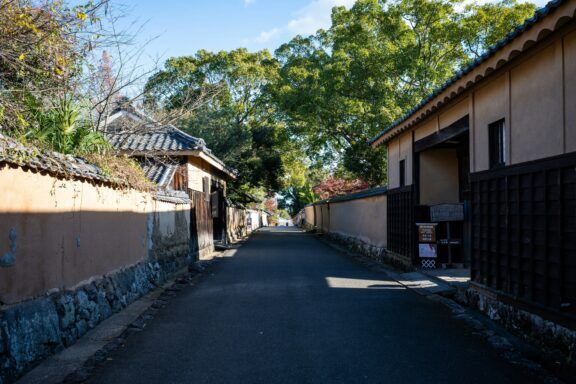
Moreover, buyers can customize the traditional Japanese-style houses to their liking, restoring their unique characteristics, such as wooden walls, tatami flooring, and gardens, and use the properties as their primary residence, a vacation home, or a rental during their renovation.
Besides being an opportunity to purchase a property at a lower price with the ability to renovate it, buying a vacant house allows the buyer to contribute to the local economy by bringing new energy and investment into the community. For individuals willing to relocate to a less crowded area, the option of owning a home is an excellent opportunity to enjoy the peace and quiet of the countryside.
However, individual buyers must conduct extensive research on the vacant house before purchasing it to ensure they understand the responsibilities associated with buying a property. For example, while many akiya homes are cheap, their condition might not be suitable for renovation or further investment, making it necessary for the buyers to obtain an independent evaluation of the house and the approximate cost of renovations. In addition, it is essential to analyze the location of the property to ensure it is desirable and will not be challenging to sell or rent in the future. For instance, if a house is located in an area with poor transportation and an already declining population, it will be difficult to attract renters.
Before purchasing a vacant home, it is critical to research the local area to determine its future development and demand for rental properties.
Individuals must also ensure they understand the legal requirements and obligations associated with buying a house in Japan. Before finalizing the purchase deal, buyers should verify the property’s legal boundaries and confirm that the land is not owned by someone else as well as examine the access to the property and its zoning regulations. While foreigners are welcome to purchase residential property, the law does not allow them to reside in Japan permanently. Therefore, it is crucial to consider the financial and legal aspects of buying a house before making a final decision.
Finally, a potential buyer should establish a realistic budget that covers additional expenses associated with purchasing a vacant house and follow the instructions provided by a local real estate agent.
Japan’s growing number of empty houses demonstrates the country’s social and economic challenges, as many Japanese citizens move to large cities, leaving their homes in the countryside empty. However, the government and private organizations are taking measures to ensure these vacant properties are put back into the real estate market. For individuals considering buying an empty house in Japan, it is essential to research the local area, analyze the property’s condition and additional expenses associated with the purchase, and examine the legal requirements and budget. With the government’s involvement and the increasing interest in Japan’s real estate market, the opportunities associated with buying a vacant house present a fantastic opportunity for foreign buyers to experience a different lifestyle while investing in the Japanese economy.
Our team of seasoned professionals at PropertyAccess is dedicated to helping you navigate Japan’s real estate market with confidence.
With deep local knowledge and a commitment to personalized service, our experts are here to guide you every step of the way.
Book a Free Consultation Session with Our Team!
PropertyAccess의 노련한 전문가 팀은 여러분이 일본 부동산 시장을 자신 있게 탐색하실 수 있도록 최선을 다해 지원해 드립니다.
풍부한 현지 지식과 맞춤형 서비스에 대한 헌신을 바탕으로, 저희 전문가들이 부동산 구매 과정의 모든 단계에서 고객님을 안내해 드립니다.
무료 개별 상담 예약하기
(예약 화면은 영어로 표시됩니다.)