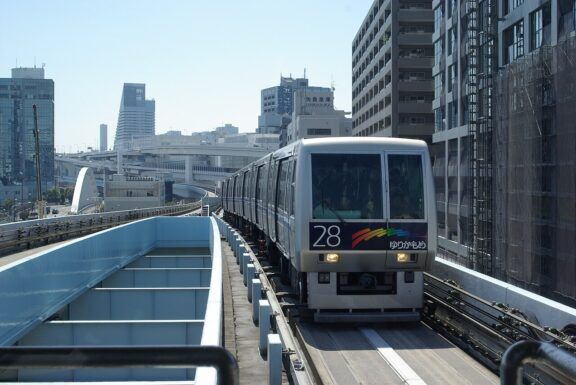
How Tokyo’s Train Network Influences Property Prices
Last Updated: 9월 16, 2026
Discover how Tokyo’s extensive train network influences property prices, rental demand, and investment potential across different neighborhoods.
목차

Supervised By: 카자토 히로키
Real Estate Expert
The Tokyo train system is a crucial component of not only transportation but also of the factors affecting the location of where someone would choose to live, work or invest in real estate. Proximity to key transportation hubs and favorable transportation access can create high demand for housing as well as affect property prices. As an investor, it is important to understand how the train system in Tokyo can affect the demand for renters in a neighborhood or district as well as potential property price increases.
Despite Tokyo being one of the biggest cities globally, many locals and tourists rely on the transportation system instead of private vehicles for getting around. The train system allows for transportation access throughout different neighborhoods, connecting to business districts, shopping districts, schools, airports and entertainment hubs, making train access a vital part of many people's daily lives.
When looking at a property, a buyer could value the transportation access to specific areas as much or more than the price of the property, which in turn could affect rental demand and property price.
Proximity To Stations Can Increase Demand
As a rule of thumb, properties located closer to stations are in greater demand. A difference of walking time from 5 to 15 minutes can make a world of difference to some buyers, and with the increased emphasis on the importance of the transportation system in Tokyo, this rule of thumb is especially applicable.
The Ministry of Land, Infrastructure, Transport and Tourism (MLIT) releases information based on land prices and transportation access, with charts ranking the value of land prices depending on how far it is from the nearest station and analyzes how transportation access affects said land's value. This could allow an investor to capitalize on a property located near a station and increase their investment's value by appealing to a greater demand for rentals.
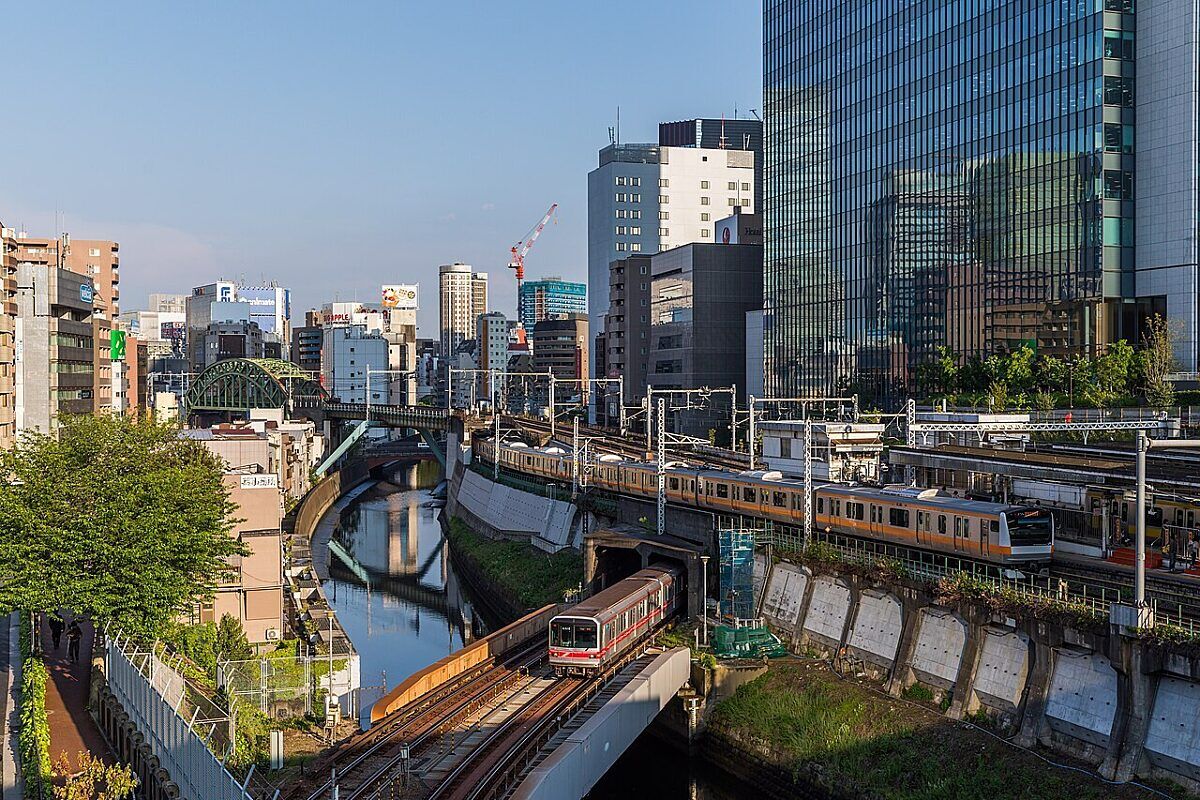
Also, one must keep in mind that a single train line does not represent one single property value, as property values can vary drastically from one station to the next. While traveling along the train track away from the center of Tokyo, property values can decrease as well until one reaches a station with improved transport options or commercial and business opportunities. With this in mind, a keen investor would do well to analyze each station individually.
Factors to consider would be the distance from the property to the station, the amount of lines servicing the station, availability of express trains, proximity to business districts, and the availability of shops and other services.
Easy Access To Transportation Also Increases Rental Appeal
Transportation access is one of the main draws for renters, and what appeals to many is convenience to the nearest station.
A renter may value a kitchen more, or the square footage of a property, but most would value convenience to a station and good transport options much more highly. This is especially true for young professionals and expats that must commute to and from Tokyo's central business districts.
In areas where the value of a property is higher, a renter may find a smaller property with good transport access more appealing than a larger property with poor transport access, which could lead to a higher occupancy rate for an investor as well as easier sales. Understanding this, an investor could use this demand for transport access to increase their potential profits.
Popularity Of The Station Can Affect Property Demand
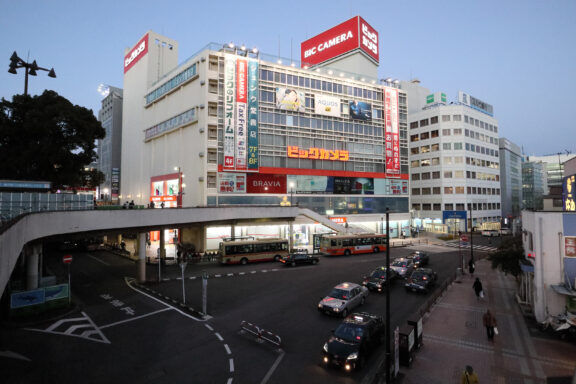
Some stations offer more advantages than others. Larger stations such as Shinjuku, Shibuya, Tokyo, Shinagawa and Ikebukuro provide access to a variety of train lines, providing transport access to more areas, including major business and shopping districts, and as such, offer greater value and are in higher demand.
By analyzing the information provided by MLIT's land price data, we can see that transportation access and its ease do affect property value, and by extension, an investor's potential profit.
Best Buy Isn't Always Close To Tokyo Station
However, while it might seem logical that the closer one is to the city center, the more desirable the property, this isn't always true, because while many investors would find value in a property that is very close to Tokyo, its high price could limit potential profits. On the other hand, a property that is slightly farther out could be found at a lower price and still offer good transport access to the city center.
In the same way, neighborhoods don't have to be found in the city center in order to be desirable to renters or to have good transport access, which can also affect property value. If the local amenities and transportation access are found in close proximity to the property, the distance from Tokyo's business districts doesn't matter as much to the potential renter.
Multiple Lines Offer More Flexibility
Proximity to multiple lines can be an advantage to some buyers.
If two similar properties are found, one of which being found closer to a station with multiple lines whereas the other is found at a distance from a station with only one line, the former would be much more desirable by most because it offers more flexibility to commuters.
Commuters using the latter property would have to take multiple lines to reach their desired destination with less flexibility and without the same variety of options available to them.
Proximity To Business Districts Increases Demand For Housing
Major business districts such as Marunouchi, Otemachi, Shinjuku, Shibuya and Shinagawa attract workers to the area, creating higher demand for housing. By extension, residential areas close to these business districts that offer good public transport access to these areas experience higher demand for their properties.
Shinjuku offers a great example of this: while some commuters are willing to sacrifice a longer commute for the perks of a more central and upscale neighborhood, many others value transport access and flexibility over this and are willing to take the slightly farther train to Shinjuku in favor of greater transport access and lower property prices.
Redevelopment Projects Can Improve Station Properties
Stations have a tendency to be the focal point of a city, and as such, redevelopments around major stations can generate demand for residential properties in the area. An area that has undergone redevelopment can see an influx of commercial opportunities, residential housing developments, hotels and even entertainment districts that could improve the value of land and property in an area.

In fact, recent property reports from the Ministry of Land, Infrastructure, Transport and Tourism (MLIT) note that areas close to major rail hubs offer good value for investment as both transportation access and redevelopments are increasing the appeal of these areas. While an investor should take advantage of predicted future improvements, it is important to keep in mind the current state of the local rental market and competition.
Final Thoughts
The transportation system of Tokyo is one of the main draws when considering buying or renting a property. Proximity to major and convenient stations can increase property desirability and occupancy rates and can affect potential profits. Having multiple lines and favorable commute options can greatly boost the value of a property.
Some properties might be found farther from the center of Tokyo but still offer favorable commute options and great transport access as well as potential redevelopment projects that could improve the value of the property even further. It is also important to note that areas which might seem undesirable could actually offer great value to a renter and can be found at a good price. By understanding the importance of the train system and its effect on the value and desirability of a property, an investor can understand the value of not just individual properties but of an entire neighborhood.
What To Look At When Assessing A Property
When looking at a property, it is important to keep in mind the train system as a whole. How far is the property from the nearest station? Closer properties will offer greater convenience to the renter. How many lines service the area? The more lines, the more flexibility the renter will have in getting to their desired destination. What areas are easily accessible with minimal transfers? If the property has direct access to a business district, it could be much more desirable than other properties. Are there nearby amenities? Amenities such as shopping districts and supermarkets help to improve the quality of life for a renter and can help to increase occupancy rates. Is there a redevelopment project in the works? Projects can improve the value of a property both in value and potential renters. Is the property an appealing price for the offered services? While price will determine many things, it is good to keep in mind that an overpriced property will not appeal to many.
Source
- Japan Ministry of Land, Infrastructure, Transport and Tourism — Tokyo Metropolitan Area Overview
- MLIT Real Estate Information Library — Real Estate Price Data
- MLIT Real Estate Information Library — 2026 Tokyo Property Appraisal Reports
Our team of seasoned professionals at PropertyAccess is dedicated to helping you navigate Japan’s real estate market with confidence.
With deep local knowledge and a commitment to personalized service, our experts are here to guide you every step of the way.
Book a Free Consultation Session with Our Team!
PropertyAccess의 노련한 전문가 팀은 여러분이 일본 부동산 시장을 자신 있게 탐색하실 수 있도록 최선을 다해 지원해 드립니다.
풍부한 현지 지식과 맞춤형 서비스에 대한 헌신을 바탕으로, 저희 전문가들이 부동산 구매 과정의 모든 단계에서 고객님을 안내해 드립니다.
무료 개별 상담 예약하기
(예약 화면은 영어로 표시됩니다.)