- 지역 가이드
Hiratsuka, Kanagawa: A Relaxed Shonan Coastal City with Space, Beaches, and Easy Tokyo Access
Last Updated: 10월 23, 2026
A definitive guide to Hiratsuka - a laid-back coastal city in Kanagawa offering beachside living, affordable housing, and direct access to Tokyo.
목차
Supervised By: 카자토 히로키
Real Estate Expert
If you're looking for a chill coastal life while still being close to Tokyo, Hiratsuka is definitely worth a look. This city, on the popular Shonan coastline in Kanagawa, mixes beach vibes with city convenience and offers housing that's more affordable compared to other seaside spots nearby. Housing here tends to cost less than in neighboring beach towns. While places such as Kamakura bustle with visitors, this spot stays quieter, built more for living than sightseeing. Ocean glimpses wait around corners, green spaces pop up where you least expect them. Trains roll into bigger hubs without hassle. Fits families, workers needing transit, folks who prefer tides over traffic. Life moves different here - softer somehow, yet still connected.
Area Overview
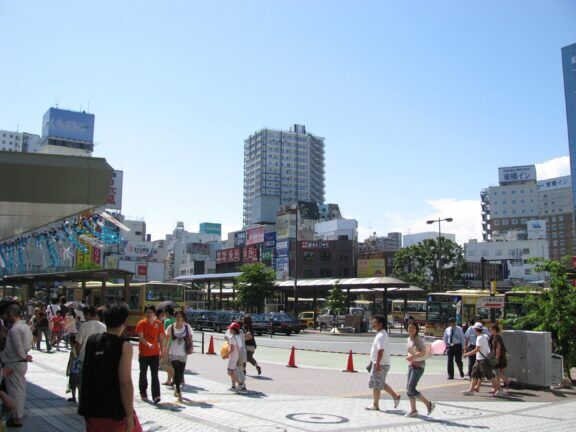
Along the quiet edge of the Shonan coastline lies Hiratsuka, tucked into western Kanagawa Prefecture. Between Fujisawa to the east and Odawara westward, it rests with its back to hills and face toward Sagami Bay. Unlike busier beachside spots nearby, life here leans slower. Housing blends into greenery instead of crowds gathering near surf.
Right at the heart of things sits Hiratsuka Station, linking up with the JR Tokaido Main Line along with routes such as the Ueno-Tokyo Line and the Shonan-Shinjuku Line. From there, reaching major places like Tokyo or Yokohama is smooth, since changes between trains rarely cause any hassle. Here are some average commute times:
- Yokohama: about 30–40 minutes
- Shinjuku: about 65–80 minutes
- Tokyo Station: about 60–70 minutes
- Shibuya: about 70–85 minutes
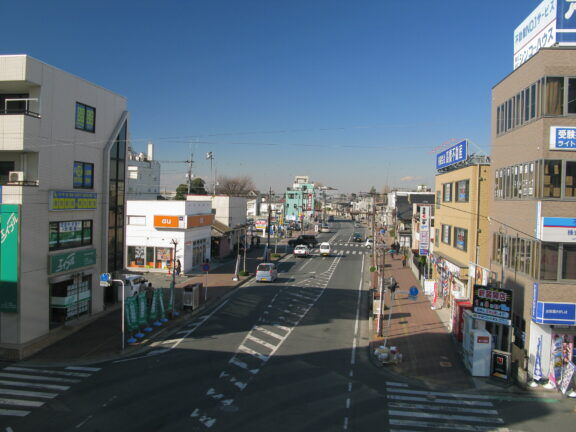
It's a bit further from central Tokyo than other places, but the direct JR lines make commuting doable for a lot of people. Beyond the station, things stretch wide. Near Hiratsuka Station, stores pop up alongside busy streets and tall apartments. Moving outward, homes scatter between green patches and walking paths. Quiet settles in where life slows down.
Out here in Hiratsuka, you actually get room to breathe. While spots closer to Tokyo feel squeezed tight, streets open up, houses spread out, yet cost about the same. Space isn’t a luxury - it just shows up naturally.
Atmosphere and Vibe
Out here by the water, Hiratsuka moves at its own quiet pace. Not flashy, nothing staged - just streets shaped by everyday rhythms. Locals stick around because it works, because it fits. Comfort lives in the ordinary details.
By midday, crowds move through the streets near the station - workers, learners, those picking up groceries. A mix of eateries, corner shops, coffee spots, big retail outlets keeps energy high but never too loud. Down near the shore, pace drops off fast. Surfers appear first, then runners pedaling bikes with kids in tow catching sea wind on their faces. Time crawls here when set beside busy streets of Tokyo or Yokohama.
Darkness falls, then Hiratsuka slows. Around the station, some izakayas stay lit, yet meals here lean toward home cooking. Life moves quieter, shaped by neighbors, not crowds. The atmosphere is:
- Relaxed and homey
- Family-friendly
- Coastal, but not too touristy
- Practical and comfortable
It's especially nice if you're after a quiet routine while still enjoying city convenience nearby.
Tourist and Local Destinations
Hiratsuka might not be as famous as Kamakura or Enoshima, but it still has some cool attractions to check out.
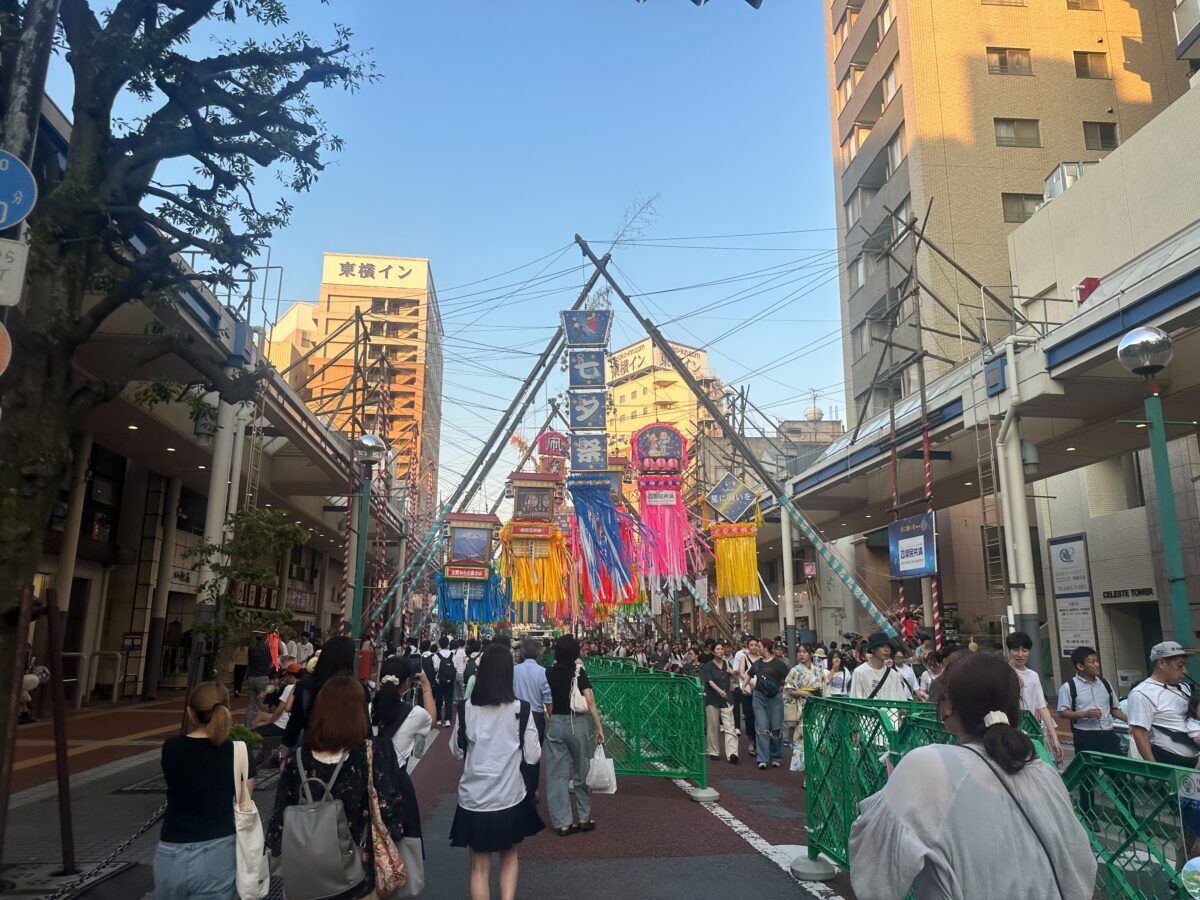
A major highlight each year? The Shonan Hiratsuka Tanabata Festival - one of Japan’s biggest. When summer arrives, streets close to the train station glow under thousands of bright ornaments instead, pulling in crowds from far and wide. By the sea, Shonan Bellmare Hiratsuka Beach Park gives wide-open views along with space to stroll and quick steps down to soft sand. While nearby spots bustle, this one stays calm instead.
Besides wide green spaces, there are pathways along the water where people move. Near the town, the Sagami River draws runners when it warms up, cyclists any day, plus gatherings that come with the months. Another plus of living in Hiratsuka is its spot in the Shonan region, making weekend trips easy and fun:
- Kamakura for temples and history
- Enoshima for sightseeing and sandy beaches
- Hakone for hot spring retreats
- Odawara for castles and coastal views
While Hiratsuka isn't heavily touristy, that's part of its charm.
Livability
Hiratsuka is super livable, especially for families and commuters looking for more space and lower rent.
Getting around works well because of the JR Tokaido Line. With trains heading straight to Yokohama and Tokyo, it stays convenient despite taking more time than areas on the east side of Kanagawa.
What stands out? Easy access to daily needs. Near Hiratsuka Station, stores like supermarkets and pharmacies sit close together - clinics, banks, eateries too - all within reach without going far. People often pick this place because it feels more like home than hustle. Away from downtown noise, life slows down where sidewalks stay calm most days. Safety shows up in how people know each other by name. Community grows quietly, not shouted, just lived day to day.
Families love Hiratsuka because of:
- Larger homes
- Lower rents
- Proximity to parks and outdoor spaces
- A more peaceful atmosphere for kids
Close to the sea, temperatures stay gentler through winter months. When summer heats up, wind from the water eases the warmth without delay.
However, there are some downsides. Out here past Tokyo, Hiratsuka stretches the commute - daily trips might wear anyone down. Not quite as global as Yokohama or central hubs, so English help? Mostly sticks to larger spots. Fewer late-night lights here. Though places to eat and drink sit close to the train stop, life leans toward calm instead of constant motion.
Yet plenty of locals cherish that mix. Beaches sit close, daily errands stay easy, yet life moves calm - never too distant from what's happening.
Real Estate: Rent and Property Information
One of the best things about Hiratsuka is affordability.
Compared to hot coastal spots like Kamakura or Hayama, Hiratsuka gives you much better value while still letting you enjoy the Shonan life. Typical monthly rents are:
- Studio / 1K: ¥45,000 – ¥70,000
- 1LDK / 2DK: ¥70,000 – ¥110,000
- Family-sized (2LDK / 3LDK): ¥90,000 – ¥160,000
Places closer to the station or beach tend to be pricier, but overall, costs are pretty reasonable compared to eastern Kanagawa and Tokyo. Buying prices look like this:
- New condos: ¥35 million – ¥65 million
- Second-hand condos: ¥20 million – ¥45 million
- Detached houses: ¥30 million – ¥70 million
What pulls people in? Room to move. Prices here might buy just a compact unit in Tokyo, yet they open doors to spacious homes elsewhere. Steady wins the race here - Hiratsuka doesn’t chase wild price jumps. Local families often settle in, drawn by manageable costs alongside daily comfort. Commuters show up too, looking for balance without overspending. Life moves at a measured pace, shaped more by routine than rush.
For long-term residents, this stability is really appealing.
Other Information
For foreigners, living in Hiratsuka is fairly comfortable, but you may need to adjust based on your expectations. You’ll find English support in larger train stations, chain stores, and some healthcare facilities, but it helps to know some basic Japanese for everyday life.
This city is less internationally focused than Yokohama, but many foreign residents enjoy its quieter, more lived-in vibe. Fresh air fans will find plenty to do here. When waves roll in, grab a board instead of watching from shore. Two wheels work just as well for exploring paths that wind through trees and sand. Morning strolls along the water often lead to seashells or tide pools. Trails close by invite slow climbs past wild plants and sudden ocean views.
What stands out is how much you spend each day. Rent, groceries - these usually take less money here compared to central Tokyo or even chunks of Yokohama. This city is perfect for people who want affordable coastal living, prefer quieter neighborhoods, work remotely or in a hybrid setup, don’t mind longer commutes to Tokyo, and value space and a comfortable lifestyle over nightlife.
If you're after a more laid-back version of Kanagawa's coastal life without the high prices of the more popular resort towns, Hiratsuka is a fantastic choice.
Source
- Ministry of Land, Infrastructure, Transport and Tourism (MLIT) – Urban Development and Housing Reports
- Kanagawa Prefecture Official Website – Living Guide
- Hiratsuka City Official Website – City Information and Services
- JR East – Tokaido Line Information and Timetables
- Japan Travel Navitime – Commute and Rail Access Information
- Real Estate Japan – Housing Market Trends and Rent Data
- Suumo – Property Listings and Average Property Prices
Our team of seasoned professionals at PropertyAccess is dedicated to helping you navigate Japan’s real estate market with confidence.
With deep local knowledge and a commitment to personalized service, our experts are here to guide you every step of the way.
Book a Free Consultation Session with Our Team!
PropertyAccess의 노련한 전문가 팀은 여러분이 일본 부동산 시장을 자신 있게 탐색하실 수 있도록 최선을 다해 지원해 드립니다.
풍부한 현지 지식과 맞춤형 서비스에 대한 헌신을 바탕으로, 저희 전문가들이 부동산 구매 과정의 모든 단계에서 고객님을 안내해 드립니다.
무료 개별 상담 예약하기
(예약 화면은 영어로 표시됩니다.)