- 지역 가이드
Chuo-ku, Osaka: The Historic and Economic Heart of the City
Last Updated: 10월 23, 2026
A definitive guide to Chuo-ku, Osaka – an in-depth look at the city’s historic, commercial, and livable urban core.
목차
Supervised By: 카자토 히로키
Real Estate Expert
Located centrally in Osaka, Chuo-ku blends historical depth with modern commerce, woven tightly into everyday routines. Accessibility defines its layout - routes link seamlessly across transport networks. One might find it suitable for living, working, or investing, given how layers of culture and function coexist. It is also worth noting that only few Osaka districts balance identity and utility so compactly.
Area Overview
Right in the heart of Osaka lies Chuo-ku. Named for being the core, much like a hub at the middle of a spinning wheel, this area stands as a main spot for offices, money matters, and city life. Stretching southward from riverbanks near Yodoyabashi and Kitahama, it reaches into the busy retail zones of Namba.
Built right into the pulse of Osaka, Chuo-ku makes nearly every neighborhood feel close. Whether work pulls you to business hubs or your day leans toward browsing shops, it sits where movement begins. Life here connects without extra steps.
Folks who live here often find getting around pretty straightforward. Stations are available everywhere - Yodoyabashi, Kitahama, Hommachi, Shinsaibashi, Nagahoribashi, Tanimachiyonchome, then Namba. Each one is connected to major routes: think Midosuji, Chuo, Yotsubashi, Sakaisuji, plus the Nagahori Tsurumi-ryokuchi and Tanimachi subway lines. Up north, travelers rely on the Keihan Railway instead.
Five minutes on the dot gets you from Hommachi to Umeda, give or take a few seconds. Reaching Namba takes just around the same stretch of time. When heading for the Shinkansen at Shin-Osaka, count on roughly a quarter hour using the underground line. For flights, Kansai Airport sits within reach - forty-five to sixty minutes if riding both metro and express rail.
Getting around easily makes Chuo-ku a go-to spot for those who value their working hours. Because commuting takes less effort, there is extra room in the day just to be out and about.
Atmosphere and Vibe
What stands out about Chuo-ku is how it shifts tone depending on the hour. Mornings bring sharp routines to areas like Yodoyabashi, Kitahama, and Hommachi - places shaped by schedules and briefcases. Tall office buildings line wide streets that feel built for movement. Workers fill small cafés, taking breaks between meetings, sipping coffee, or eating quickly under the canopies.
Then the mood shifts when nighttime falls. Shinsaibashi hums with people - shoppers, visitors, neighbors alike. Bright signs flicker overhead, painting the sidewalks in color. Because restaurants, drinking places, and venues pack tightly here, the pulse never slows.
Built-up districts sometimes tuck homes right between offices and stores. Near Tanimachiyonchome, bits of Minamisenba breathe slower, particularly after dark. Step into those pockets and find three- or four-story flats, corner grocery runs, tiny restaurants where folks know one another’s names.
Night pulls Chuo-ku into another rhythm, never really sleeping. Offices empty out slowly, whereas bars and alleys start humming louder. One pace gives way to the next depending on where you turn. The rush finds you only if you step toward it, otherwise quiet stays close by.
Fresh air hums through spaces built to be touched. Not polished for show, these rooms stand ready under steady hands. Smooth corners meet daylight without fuss. Living happens where things work, not shine. Bold choices wear well when they serve a purpose.
Tourist and Local Destinations
Out here in Chuo-ku, you’ll find what many think of as the heart of Osaka. These spots draw visitors who see charm in them, yet locals move through the same spaces without fanfare, just part of an ordinary routine.
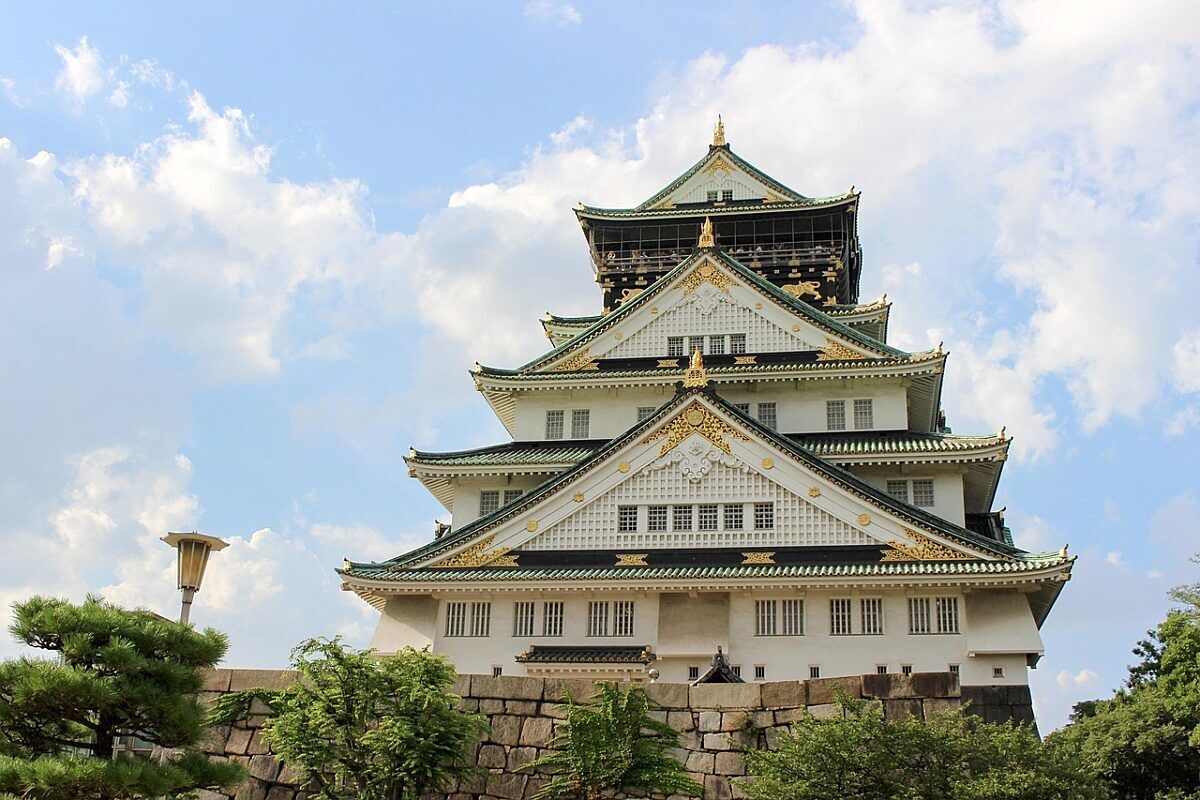
Over by the eastern edge sits Osaka Castle, the area's standout feature. Beyond its walls stretches a park full of open lawns, walking trails, while spring paints it pink with blooming cherries. Locals often show up here to jog, lay out picnic blankets, unwind during weekend strolls instead.
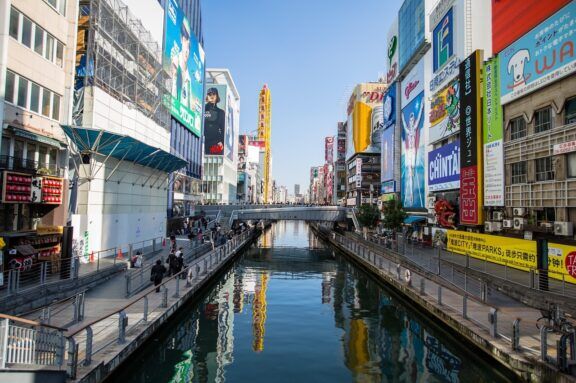
Down south in Chuo-ku, Dotonbori turns a shopping strip into something like a lively fairground. Above the waterway, bright markers catch your eye - especially the sprinting Glico figure lit up on high. Stalls serving meals sit beside dining spots, along with places showing films or plays. Locals who pass by every day still notice new things when they go there.
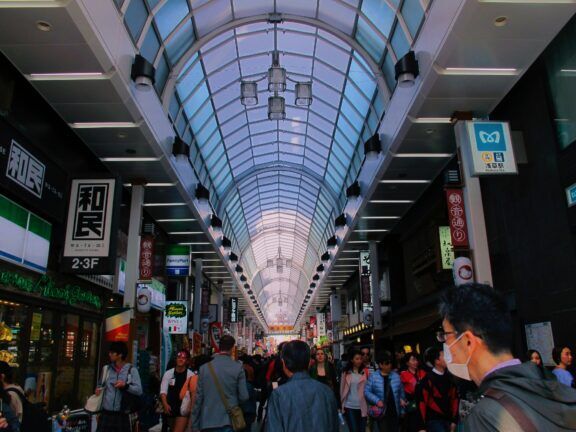
Running through the heart of Osaka, Shinsaibashisuji lines up shops from end to end along its stretch. North meets south here where big labels stand beside tiny storefronts. Crowds move slowly between them at all times of day. Still, getting what you need happens fast when everything sits close together.
Fresh fish piled high greet you first at Kuromon Ichiba, a neighborhood hub loved by locals. Known off the record as Osaka's kitchen, it brims with fruit stands, ocean catches, along with hot meals served fast. People from nearby arrive daily, hunting top-grade goods tucked between narrow rows of stalls.
Step into Hozen-ji, and noise fades fast. Close to Namba yet far from rush, it holds stillness others miss. Moss wraps the old stone figure like a slow breath. Narrow paths underfoot shift step by step. Crowds vanish behind you. This corner feels untouched even when city hums nearby. Stone walls whisper calm without trying.
Walking past that tall clock tower every morning shapes how you feel about Chuo-ku. These spots stick with you because they’re part of daily routines, far beyond quick tourist stops.
Some Key Destinations
Osaka Castle – One of Japan’s most famous castles, steeped in history from the 16th century and surrounded by expansive park grounds.
Dotonbori – The quintessential Osaka entertainment and street-food hub along the Dōtonbori Canal — glowing neon signs, local eats like takoyaki & okonomiyaki, and canal walks.
Kuromon Ichiba Market – (Nipponbashi) Historic food market where you can sample fresh local specialties and seafood.
Shinsaibashi Shopping Street – Osaka’s main shopping artery full of boutiques, brands, cafés, and arcades, ideal for a day of browsing and snacking.
Livability
Comfortable city life? Chuo-ku delivers that without trying too hard. Getting around for small tasks rarely means walking far. Shops for food, medicine, health check-ups, workouts - also coffee spots - cluster close to nearly every train stop.
People come here for different reasons. Some stay because work stays close, others find quiet streets that feel familiar. Nightlife pulls some in, while early mornings suit those pushing strollers. Walking matters more than driving for many. Places to eat pop up near corners you don’t expect. Parks show up where old trees grow wide. School zones carry weight when decisions are made. Tanimachi holds steady, known for routine and rhythm. Osaka Castle stands nearby, not just for tourists.
Out here, getting medical care is never a problem. Large hospitals line the streets, along with smaller clinics popping up around corners. Some even have doctors who speak English - something you might not find just outside town. These places stand out where others fall short.
Out here, where open areas are few, parks step in to fill the gap. Not far off sits Osaka Castle Park - it draws most eyes. Then there’s Nakanoshima, close enough to matter. Tiny local greens dot the streets too, quiet but useful. Space feels tight until you notice how these spots add up.
Few places match Chuo-ku when it comes to staying safe after dark. Lights stay on late, sidewalks remain full. Because of that, people walking near big roads or train stops often feel at ease. Nightlife keeps moving, yet tension rarely builds.
Real Estate: Rent and Property Information
Most folks find Chuo-ku property costs sit below what you’d pay in Tokyo's core zones. Location matters, yet value trends stay on a different path here.
There are plenty of rental flats around. Close to the train stop, a single room or compact studio often runs ¥90,000 to ¥130,000 monthly. Units big enough for two people or a tiny family might begin at ¥150,000. What you pay beyond that depends on how old the place is, along with how far it sits from the platform.
Some condo costs stay low. Older places ready to move into might cost just ¥700,000 up to ¥900,000 each square meter. Yet brand-new ones near spots like Shinsaibashi or Osaka Castle often climb past ¥1,200,000 per square meter. Buildings with extra care in design and location demand more.
Few people expect prices to drop, yet renting stays popular here. Chuo-ku draws attention not just because it holds value, but due to limited space pushing more toward rentals instead.
Choosing a longer rental agreement means covering costs tied to popular, well-linked neighborhoods. Still, extra months bring steadier routines, easier reach to key spots, along with promising outlooks down the road.
Other Information
Out here in Chuo-ku, people visiting from abroad tend to feel right at home. You’ll spot staff who speak more than one language - not just at city halls, but also on buses across Osaka. Need everyday items? International grocery stores pop up close by, especially near spots like Namba and Shinsaibashi. Food options stretch far - humble meals sit beside high-end dining, with plenty tucked in between.
Most kids attend local public schools for elementary or middle years. Some parents pick private options, others go for international curriculums instead. Living in this area usually means short trips to school. Trains run nonstop, thanks to a tightly packed rail layout.
Freshly built homes usually come ready to move into, packed with comforts. Internet and phone networks work without a hitch across the city. Living here feels smooth thanks to reliable tech connections. Some folks pick temporary housing setups, already taken care of by management teams. These options appeal to people testing daily rhythms in Osaka.
If you prefer an area that perfectly balances history, business, shopping, and everyday comfort, then you should definitely consider Chuo-ku.
Sources
• Osaka City Official Website – Chuo Ward Information
• Osaka Metro Official Website – Line and Station Guides
• Japan National Tourism Organization (JNTO) – Osaka Area Guides
• Ministry of Land, Infrastructure, Transport and Tourism (MLIT) – Real Estate Market Data
• Kansai International Airport Official Website – Access Information
Our team of seasoned professionals at PropertyAccess is dedicated to helping you navigate Japan’s real estate market with confidence.
With deep local knowledge and a commitment to personalized service, our experts are here to guide you every step of the way.
Book a Free Consultation Session with Our Team!
PropertyAccess의 노련한 전문가 팀은 여러분이 일본 부동산 시장을 자신 있게 탐색하실 수 있도록 최선을 다해 지원해 드립니다.
풍부한 현지 지식과 맞춤형 서비스에 대한 헌신을 바탕으로, 저희 전문가들이 부동산 구매 과정의 모든 단계에서 고객님을 안내해 드립니다.
무료 개별 상담 예약하기
(예약 화면은 영어로 표시됩니다.)