New vs Used Properties in Japan: Which Offers Better Investment Returns?
Last Updated: 9月 16, 2026
Compare new and used properties in Japan for real estate investment. Explore prices, rental yields, depreciation, maintenance costs, and resale potential.
目次

Supervised By: 風戸 裕樹
Real Estate Expert
Deciding between new or used property is a critical issue in view of the current situation in Japan real estate market. The new property offers modern conveniences and generally requires less maintenance at the start of ownership, but is significantly more expensive, thus lowering the yield.
The used property offers a more accessible price, a possible higher yield, and sometimes even better locations, however, may require more maintenance and analysis of the state of affairs. Ultimately, which property to choose depends on what the investor is looking for: the yield, the value, the maintenance costs, or the available budget.
New and Used Properties in Japan: Which Is the Better Investment?
A critical aspect in the decision-making process of a Japanese real estate purchase is whether to go with a new or a used property. A glance at the market suggests that there is something to be said about the value of both.
While the new property offers modern luxuries and requires less maintenance in the early years of ownership, it has a steeper asking price. On the other hand, the used property offers a lower entry threshold, a possible higher yield, and a variety of desirable locations to select from, but may require extra maintenance and research.
Ultimately, the choice between a new or used property depends on what the buyer is looking for in their investment.
Let’s review the advantages of both options.
Price: The Used Property Is Generally More Affordable
The most evident difference between new and used property is the price. New constructions generally require a significantly higher asking price, especially in the competitive environments of Tokyo and other prime locations, and have a smaller yield percentage.
According to Japan’s Ministry of Land, residential prices, particularly condominiums, are expected to rise throughout the country. A higher cost at the time of purchase ultimately makes new constructions an unfavorable option for yield-based investment strategies.
The used property, on the other hand, allows the buyer to enter the market at a lower price point, securing a desirable location or a higher percentage of yield on their investment. The affordability aspect is generally more favorable to value-based purchasing strategies.
Rental Income: The Used Property Might Provide Higher Yields
Speaking of value-based strategies, an important aspect to review is the possible rental income. As mentioned above, new constructions have a higher entry threshold. While the location also affects the yield, a used property might provide significantly higher percentage of yield for the same square meters and in similar conditions.
A simple example will serve to illustrate the point:
| Used Property | New Property | |
|---|---|---|
| Price | ¥35,000,000 | ¥50,000,000 |
| Rent | ¥1,800,000 | ¥2,000,000 |
| Yield | 5.1% | 4% |
While the new property offers slightly higher rental income, the used property provides almost 5% of yield on the investment, which is significantly more lucrative. For value-based strategies that seek to maximize the output in the shortest time frame, the appeal of a used property with a desirable location is difficult to rival.
Depreciation: The New Property Loses Its Value Quicker
One important aspect to consider when buying new property is its depreciation. From the moment of purchase, the new building depreciates in value. While the location and condition of the property matter, the entry price generally sets the tone for future sales.
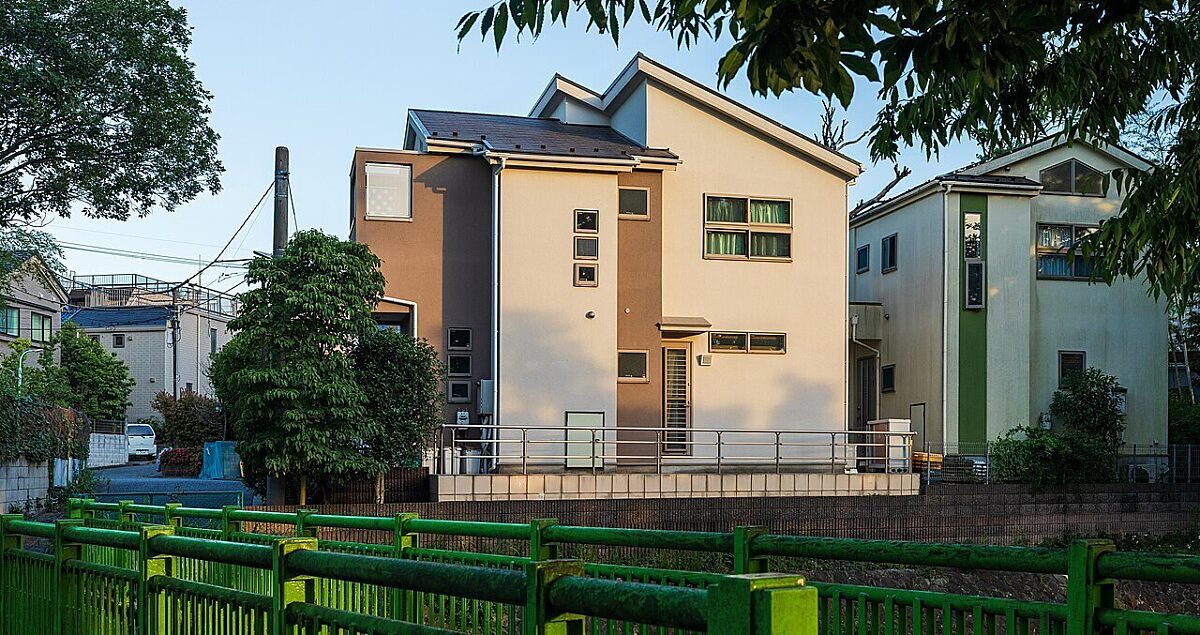
New constructions generally undergo significant price reductions at the moment of resale, with the “new” premium eliminated. In effect, the new property rarely appreciates, while the used one can offer a better entry price, and thus a better resale value. This is particularly important for investors that seek to resell the property after a short while. New constructions are rapidly depreciating, with many investors selling their properties within the first three years.
With the growing popularity of the used market, many are shifting to it to avoid the “new” premium, which ultimately increases the value of such properties.
Maintenance: The New Property Is Simpler to Maintain
Modern developments generally offer fewer issues when it comes to maintenance. A new property rarely requires expensive repairs, especially within the first few years of ownership. Additionally, new developments offer greater safety, energy efficiency, and comfort for the tenants, being equipped with the latest technology and innovative design.
As such, new property is generally a safer investment with a lower risk of expensive repairs. However, new does not always mean easier – new buildings depreciate faster, lowering the resale value, and require ongoing management, which will still incur maintenance costs.
As such, an investor should examine the maintenance costs associated with any property, be it new or used.
Location: The Used Property Offers More Desirable Locations
Perhaps the most important aspect of any real estate investment is the location. The used property offers several benefits in this regard, being mostly found in desirable locations. New constructions, on the other hand, are generally found in the periphery, away from the city center. Used property allows the buyer to secure a desirable location at a more accessible price.
This is especially true for properties located near transportation hubs, educational institutions, entertainment, and business districts. Due to the extreme importance of transportation infrastructure in Japan, its proximity often overrides other considerations, such as the “new” status of a property.
Tenant Appeal: New Properties Appeal More to Tenants
As mentioned above, new properties offer modern comforts and conveniences, such as greater security, energy efficiency, and innovative design. As such, they tend to draw in tenants more reliably and offer higher rental income.
However, location and value still matter, with many tenants opting for a well-kept older property in a desirable location.
Resale Value: Both Options Are Desirable in the Right Conditions
When determining the value of a property, most investors will look at future resale options, particularly in Tokyo and other prime locations. Both new and used properties can offer great value, depending on the location and other conditions.
In effect, a well-kept used property has just as much chance of being resold successfully as a new one – in a desirable location. Ultimately, the entry price will determine the future value, with new constructions offering a higher entry price that might be difficult to justify.
In such a light, used properties, particularly those in desirable locations, offer greater opportunities to investors that seek to resell the property at a later date.
Final Thoughts
Based on the review above, it is evident that a used property has several advantages over new constructions. Primarily, it offers a lower entry price, a potential for higher yield, and a desirable location. Additionally, it is less likely to depreciate as quickly as a new property, and allows for greater investment opportunities, such as buying multiple properties.
However, this does not mean that the new property construction is an inferior option; in fact, a new property in a desirable location might offer great value and stable yields. Instead of asking “new or used”, an investor should formulate a value-based strategy and analyze the benefits of each property based on their needs and personal circumstances.
Focus on Value-Based Strategy When Investing in Japan
A critical aspect in the decision-making process of a Japanese real estate purchase is whether to go with a new or a used property. New properties offer modern conveniences and require less maintenance at the start of ownership, but are significantly more expensive, thus lowering the yield. The used property offers a more accessible price, a possible higher yield, and sometimes even better locations, however, may require more maintenance and analysis of the state of affairs. Ultimately, which property to choose depends on what the investor is looking for: the yield, the value, the maintenance costs, or the available budget.
Source
- Japan Ministry of Land, Infrastructure, Transport and Tourism — Real Estate Price Index
- Japan Ministry of Land, Infrastructure, Transport and Tourism — Housing and Real Estate Economic Data
- East Japan Real Estate Information Network System (REINS) — Real Estate Market Statistics
- Japan Ministry of Land, Infrastructure, Transport and Tourism — 2025 Land White Paper
- Cabinet Office of Japan — Economic and Existing Housing Market Data
- Mitsubishi UFJ Real Estate Sales — New and Used Condominium Market Report 2025
Our team of seasoned professionals at PropertyAccess is dedicated to helping you navigate Japan’s real estate market with confidence.
With deep local knowledge and a commitment to personalized service, our experts are here to guide you every step of the way.
Book a Free Consultation Session with Our Team!
プロパティアクセスの経験豊富な専門チームが、お客様が安心して日本の不動産市場に投資いただけるようお手伝いいたします。
不動産に全般に関する豊かな知識とおひとりおひとりに合ったサービスで、不動産投資のプロセスを一貫してサポートしますので、お気軽に個別相談をご利用ください。
無料の個別相談を予約する(予約画面は英語で表示されます)