- エリアガイド
Hakone, Kanagawa: Resort Living Surrounded by Hot Springs, Mountains, and Timeless Scenery
Last Updated: 10月 23, 2026
A definitive guide to Hakone – a scenic mountain resort town known for hot springs, natural beauty, excellent access to Tokyo, and a relaxed lifestyle.
目次
Supervised By: 風戸 裕樹
Real Estate Expert
Hakone is one of the most popular places to visit in Japan, but it’s also a pretty great place to live. Nestled in western Kanagawa Prefecture, this mountain town has stunning views, hot springs, cultural spots, and easy access to Tokyo. While many people think of Hakone as just a quick getaway, locals enjoy a lifestyle that’s all about nature, fresh air, and taking things slow—something you don’t find much in bigger cities.
Hakone might catch your eye if city life feels too loud lately. Forget the rush of places like Yokohama or downtown Tokyo - this spot breathes slower. Rolling green hills stretch into view, alongside quiet lakes, small towns with character, and hot spring baths that draw visitors for generations. Getting back to central Tokyo? Modern trains make it possible in roughly ninety minutes, sometimes up to two hours, based on your starting point.
Whether you want a second home, a retirement spot, an investment for vacation rentals, or just a quieter everyday life, Hakone is worth considering.
Area Overview
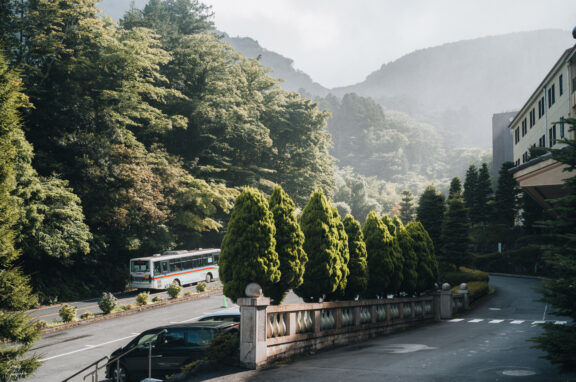
Hakone is in the western part of Kanagawa, close to Shizuoka Prefecture. The town is part of the Fuji-Hakone-Izu National Park, featuring mountains, forests, valleys, and breathtaking Lake Ashi.
Hakone-Yumoto is the main entry point and transport hub, where most visitors land before heading further up into the mountains. Gora is known for its fancy resorts, museums, and access to the Hakone Ropeway. Sengokuhara has open fields, spacious homes, and some of the area’s best villas. Moto-Hakone is right by Lake Ashi and offers stunning views. The main train station is Hakone-Yumoto Station, connected by Odakyu and Hakone Tozan Railways. Other key stops include Gora Station, Kowakidani Station, and Miyanoshita Station. Cable cars leave from there too, climbing toward misty slopes. Open space defines Sengokuhara, wide stretches with houses set far apart. Some call it private, others just say room to breathe. Near water lies Moto-Hakone, hugging the edge of a dark lake. Views stretch across without blocking.
From Hakone-Yumoto Station, trains run on both Odakyu and Hakone Tozan lines. Reaching Gora Station often comes next for many travelers. Kowakidani Station sits further along that route, quieter but well placed. Then there is Miyanoshita Station, nestled in a wooded stretch, reachable without transfers.
One of Hakone’s best features is how easy it is to get to from Tokyo. From Shinjuku, the Odakyu Romancecar heads straight to Hakone-Yumoto - roughly one hour fifteen up to an hour thirty on the clock. Instead, hop a Tokaido Shinkansen train out of Tokyo Station toward Odawara, then shift to slower rides; that path gets you to Hakone-Yumoto in around fifty minutes flat.
Approximate Travel Times:
- Shinjuku: 85–90 minutes
- Tokyo Station / Marunouchi: 50–70 minutes
- Shibuya: 95–110 minutes
- Shinagawa: 60–80 minutes
- Yokohama: 45–60 minutes
- Odawara: 15 minutes
These travel times make Hakone a practical spot for occasional commuting, though daily commutes into Tokyo might feel a bit long for some residents.
Atmosphere and Vibe
Living in Hakone is a whole different vibe compared to urban areas. Peace wraps around the streets, held close by trees and quiet trails. Mountains rise nearby while shops stay far away. Forests fill the air where city noise might be. Calm comes easily when nature leads the way.
By daylight, crowds arrive from Tokyo, filling spots with sightseers, bus tours, trailing through galleries, steaming baths. Weekends, holiday stretches - Hakone-Yumoto, Gora swell with movement, noise rising slow. Though crowded, Hakone keeps a quiet charm. Nature wraps around the bustle, softening what would stress elsewhere.
At night, the atmosphere flips. Folks who came just for the day start making their way back to Tokyo, so things slow down after sunset. With fewer people around, spots near the lake and quiet neighborhoods feel more relaxed. Evening brings a hush that pulls in visitors wanting something low-key. Locals savor these hours when life settles into an easier rhythm.
Hakone-Yumoto has the most city-like experience, with the most shops, restaurants, and transport options. Gora feels fancy and resort-like, filled with luxury ryokan and great views. Sengokuhara stands out among Hakone's living spots. Wide-open areas stretch between houses, while broader streets wind through the neighborhood. Larger homes take up space like they belong there.
Out here, mornings start with light dancing across Lake Ashi. Views stretch wide - trees meet open sky, plus a surprise sighting of Fuji now and then. This place? It pulls in those drawn to quiet beauty framed by nature. Every day feels different, yet somehow familiar. For many, the main perk of living here is simple: waking up to nature while still being linked to the Tokyo area.
Tourist and Local Destinations
Few places in Japan have so many attractions all in one spot as Hakone.
Few spots in Hakone draw crowds like Lake Ashi. Long ago, eruptions carved out this stretch of water. On clear days, the peak of Mount Fuji shows up perfectly across the surface. Visitors often stroll along the shore instead of rushing through. Boats glide slowly from one point to another. Cafes near the edge serve drinks while people sit back and just watch.
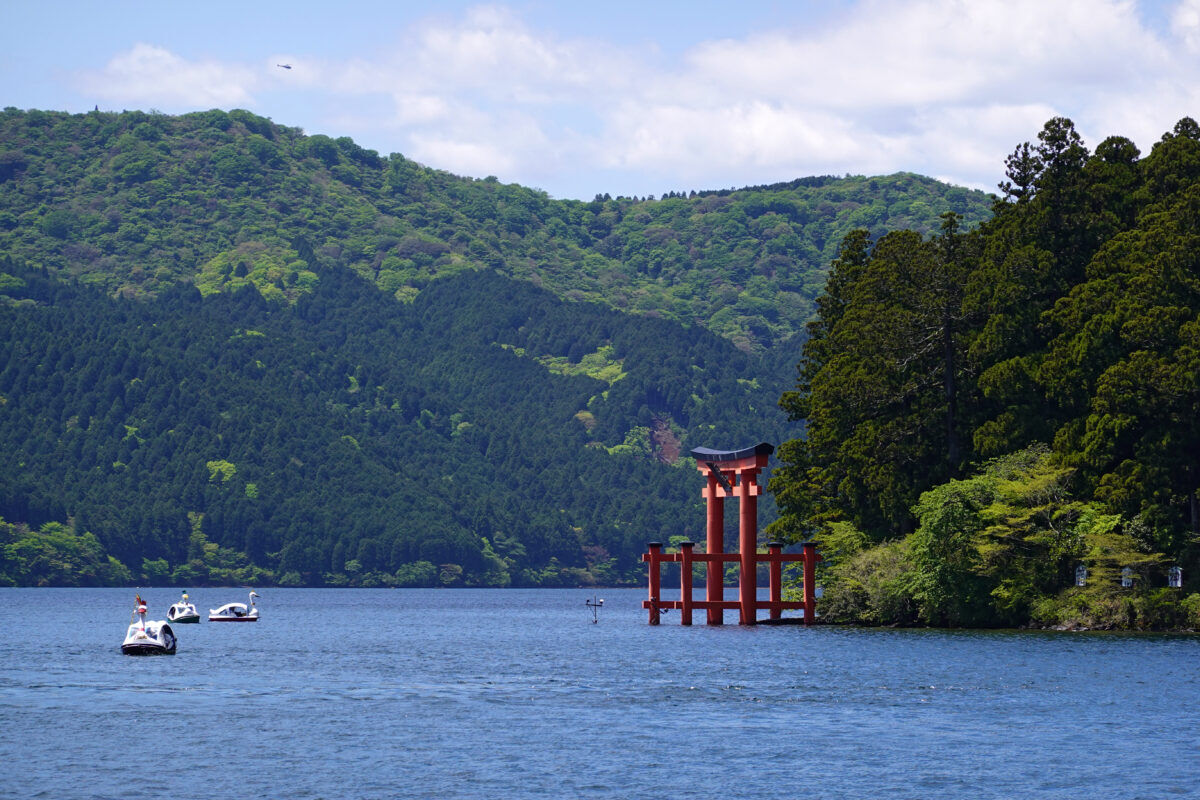
Out by Moto-Hakone, you’ll spot that bright red gate standing in the water - people show up just to see it. Tucked into a hushed woodland, the shrine welcomes visitors and those on pilgrimage alike, every season.
At Owakudani, steam curls through cracked earth here, revealing the heat beneath Hakone’s surface - a raw scene unlike most spots near Tokyo. The ropeway glides above rocky slopes, offering views of fumaroles below. Movement feels slow, almost quiet, despite the energy humming underground. Land shaped by fire stretches into view with each turn along the cable route.
Hakone Open-Air Museum is a well-known art spot combines massive outdoor sculptures with stunning mountain views, attracting art fans from everywhere, while Pola Museum of Art is set in a forest in Sengokuhara. This museum has a great collection of both Western and Japanese art, with a building that blends nicely into nature.
At Hakone, places such as Hakone-Yumoto, Gora, Miyanoshita, and Sengokuhara standing out as the go-to spots for hot springs. While soaking in steaming pools comes naturally here, people often relax at shared bathhouses or quiet personal retreats. Bathing traditions run deep, yet each spot feels different somehow.
Plus, there are tons of hiking trails in Hakone year-round that link many of the town’s attractions while giving awesome views of nature. For outdoor lovers, this easy access to nature truly boosts the quality of life.
Livability
Hakone is a great place to live if you want space, beautiful views, and peace.
You can find most everyday needs in Hakone, especially around Hakone-Yumoto, where supermarkets, pharmacies, and other services are available. However, many residents head to nearby Odawara for larger stores and specialized services.
Most areas in Japan share a quiet safety, Hakone included, where crimes rarely happen. Any hour of day here brings comfort, so people raising kids, those slowing down later in life, yet even travelers on their own find ease settling in. Most kids go to local primary or middle schools around here. When it comes to global-style education, though, spots are few in Hakone itself - parents often check what's available farther out, say Yokohama or even Tokyo.
You can get basic medical services locally, but larger hospitals are in Odawara and nearby towns. Hakone's higher elevation means it’s cooler than Tokyo. Snow falls when winter arrives, yet temperatures stay bearable. Summer days feel mild instead of harsh. People drawn to clear seasonal shifts often find this rhythm satisfying. The local community is typically smaller and friendlier than in big cities.
While you might hear less English than in central Tokyo, the area’s strong tourism means many businesses are used to dealing with international visitors.
Real Estate: Rent and Property Information
Hakone is one of Japan's top spots for domestic tourism. It's property market is quite different from Tokyo and Yokohama’s urban setups. Many places cater to second-home buyers, retirees, and vacation homeowners rather than regular commuters.
Finding rentals can be tricky, as many homes are standalone houses, vacation properties, or resort condos. Here’s a rough idea of the rent:
- Studio / 1K Apartment ¥45,000–¥70,000
- 1LDK–2LDK Apartment ¥70,000–¥120,000
- Detached House ¥90,000–¥180,000+
Prices can vary a lot, depending on how close you are to train stations, hot springs, lake views, and the property's quality.
Hakone has a surprisingly wide range of options for buying. You can sometimes find older condos and vacation apartments for under ¥10 million, while upscale villas with views and private hot springs can easily exceed ¥100 million. Approximate ranges include:
Property Type Purchase Price
- Older Resort Condo ¥5–15 million
- Standard Detached House ¥15–40 million
- Modern Family Home ¥30–60 million
- Luxury Villa or Onsen Property ¥60–200 million+
Compared to central Tokyo, you often get a lot more space for the same money.
Properties intended for vacation rentals can see decent demand, but owners need to check local rules and requirements. Long-term growth might not be as fast-paced as in central Tokyo, but lifestyle-focused buyers often see Hakone as a great value due to its natural charm.
Other Information
Owning a place in Hakone? That’s open to foreign buyers too, exactly as locals do.
In Hakone, having a car can be really useful, unlike in central Tokyo. Residential areas are often spread out, and driving gives you more flexibility for shopping and running errands.
This openness has attracted lots of international interest in vacation homes and investment properties.
Hakone appeals to:
- Remote workers wanting a nature-focused life
- Retirees looking for peace
- Families that enjoy outdoor fun
- Buyers seeking vacation homes
- Investors in Japan’s tourism market
- Anyone wanting to access Tokyo without living in a big city
Home feels easier in Hakone when mountain sights, quiet streets, and old traditions matter more than subway rides. Still, fast trains, endless stores, or buzzing evenings pull some toward Yokohama or Tokyo instead.
Source
- Hakone Japan – Access Guide
- Hakone Japan – Access from Tokyo
- GTN Magazine – Hakone Travel Guide
- Odakyu Electric Railway – Hakone Freepass
- Japan National Tourism Organization (JNTO) – Hakone Area Guide
- Hakone Open-Air Museum
- Pola Museum of Art
- Hakone Town Official Website
Our team of seasoned professionals at PropertyAccess is dedicated to helping you navigate Japan’s real estate market with confidence.
With deep local knowledge and a commitment to personalized service, our experts are here to guide you every step of the way.
Book a Free Consultation Session with Our Team!
プロパティアクセスの経験豊富な専門チームが、お客様が安心して日本の不動産市場に投資いただけるようお手伝いいたします。
不動産に全般に関する豊かな知識とおひとりおひとりに合ったサービスで、不動産投資のプロセスを一貫してサポートしますので、お気軽に個別相談をご利用ください。
無料の個別相談を予約する(予約画面は英語で表示されます)