- エリアガイド
Den-en-chofu, Tokyo: Tokyo’s Most Prestigious Suburban Residential Area
Last Updated: 10月 23, 2026
A definitive guide to Den-en-chōfu, Tokyo – a refined residential enclave known for greenery, grand homes, and exceptional livability.
目次
Supervised By: 風戸 裕樹
A place unlike any other within Tokyo’s reach, Den-en-chōfu offers stillness wrapped in greenery. Elegance appears quietly through tree-lined avenues where houses reflect care and time. Where urban rush fades, this district holds space instead - room to move, breathe, exist. Privacy grows naturally amid gardens that soften every edge. Life moves slower here, shaped by silence more than sound. Few areas balance serenity and living so completely.
Area Overview
A peaceful atmosphere defines Den-en-chōfu, situated in the southwestern part of Tokyo within Ōta Ward. Proximity to both Setagaya and Kanagawa Prefecture supports broad accessibility. Transportation links remain strong despite the quiet surroundings. What stands out is how urban convenience blends with a rural feel. This mix shapes the character of the neighborhood.
Located near Den-en-chōfu Station, served by both the Tokyu Toyoko and Meguro Lines. These private railways offer consistent service, preferred by regular commuters. Reaching central Tokyo or Yokohama happens directly through this stop, avoiding complex connections.
A quiet neighborhood makes reaching downtown quite efficient. Reaching Shibuya requires roughly fifteen minutes via the Tokyu Toyoko Line. Getting to Marunouchi demands nearly half an hour, including a single switch between trains.
Though several areas in Tokyo carry lively traits, Den-en-chōfu emerged from deliberate design. Constructed in the early 1900s, it became Japan’s initial garden-style community, inspired by European suburban concepts. Roads curve gently here. Property sizes tend to be spacious. Greenery forms part of the foundation, not an addition. Arrival at the station places all this within immediate reach.
Atmosphere and Vibe
A sense of calm marks Den-en-chōfu during daylight hours, shaped largely by its quiet residential character. Families with young children appear often, strolling alongside pets under tree-lined paths. Gardeners maintain green borders along walkways, tending shrubs with steady attention. After school ends, students move slowly through neighborhoods, bags on backs. Rush is absent; pace remains measured throughout.
Darkness settles, followed by a hush more complete than before. With most eateries shut long ago, only steady glows from lampposts remain lit. During warm months, insect sounds fill the air; when autumn arrives, rustling foliage takes over. Far removed from downtown’s rhythm, this place breathes at its own pace.
What stands out here is how architecture shapes identity. Scattered across the landscape, large villas show European roots through design choices like clay-tiled rooftops and lush green spaces around them. Even though construction exists, it tends to stay close to the ground, barely noticeable upon first glance. Preserving this calm depends heavily on tightly managed land-use policies.
Quiet living defines daily life here. Respect for personal boundaries shapes how people interact. Greetings happen between neighbors, yet conversations rarely extend beyond brief exchanges. Privacy remains protected through unspoken rules. A calm rhythm runs through the neighborhood. Life moves at a steady pace, without pressure to engage more than desired.
Grace defines Den-en-chōfu, not grandeur. Affluence appears briefly, then fades into greenery. For those drawn to quiet surroundings, life here feels familiar. Belonging matters less than fitting in naturally.
Tourist and Local Destinations
Avoiding crowds helps keep Den-en-chōfu distinct. Despite low visitor numbers, certain spots reveal local life and heritage through quiet observation. What remains unseen by many becomes part of its subtle character.
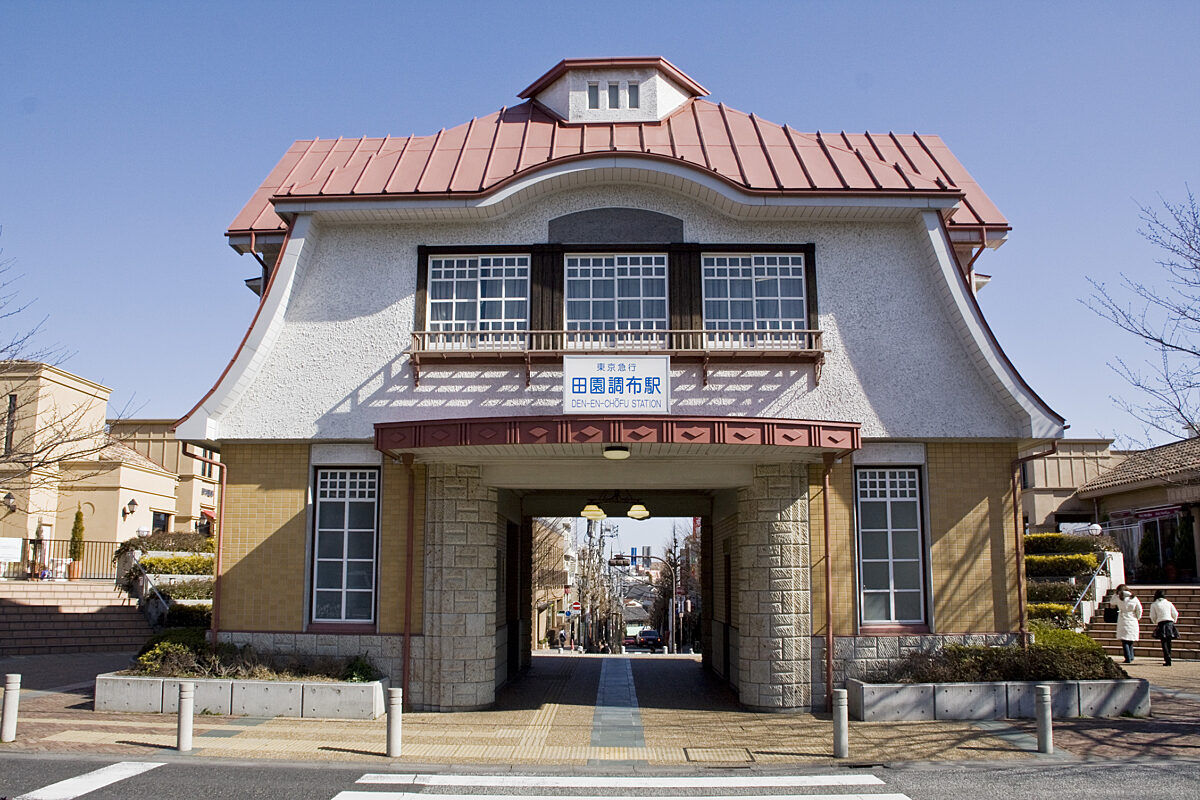
Den-en-chōfu Station Building is one of the popular ones in the area. Its beauty comes through design elements like those found across Europe, along with a prominent tower holding timepieces. The idea of a green urban space shows clearly in its form.
Den-en-chōfu Seseragi Park resides beside a gently flowing stream and offers a trail for walkers. Within its boundaries, residents find moments among changing greenery through the seasons. Beauty stands out most when trees bloom or begin to shed their leaves. When daylight filters through fresh blossoms or crisp air carries falling foliage, the space feels distinct.
Tamagawa River Green Space offers open fields alongside a route for cyclists. Space spreads wider than expected within Tokyo’s limits. Weekends bring local people who prefer sitting near water. Paths connect quiet spots where meals happen outdoors.
Kumano Shrine (Den-en-chōfu Kumano Jinja) is a quiet presence stands within the community, shaped by time and tradition. Though modest in size, its role remains woven into daily life nearby. Few travelers make their way here, drawn instead to larger sites. Still, residents recognize what it represents - steadfast, unspoken, part of the fabric. Its meaning grows not from crowds, but from continuity.
What stands out here is not grand landmarks, yet these elements shape the neighborhood's distinct character. Life in Den-en-chōfu centers on routine existence rather than tourist pursuits.
Some Key Destinations
Den-en-chōfu Station Building - A nostalgic reminder of early 20th-century Tokyo elegance and urban planning.
Seseragi Park - A tranquil spring-fed park paired with elegant modern architecture by Kengo Kuma.
Tamagawa River Space - A scenic riverside escape perfect for long walks, cycling, and sunset views.
Tree-lined Avenues - Tokyo’s original “Garden City,” where grand homes hide behind leafy boulevards and perfect symmetry.
Livability
In terms of daily living quality, few places match Den-en-chōfu. Comfort matters here. Safety holds weight. Long-term predictability shapes decisions. Those who place value on steady environments often choose this location. Stability does not feel like a bonus - it feels expected.
Close by, everyday essentials sit within reach yet remain tucked away from crowds. Just beyond the station lie markets, ovens humming in bread shops, medicine counters, along with small coffee corners. When larger purchases call, rail rides open doors to sprawling stores in Jiyugaoka, also Futako-Tamagawa.
Strength in healthcare services exists here. Clinics appear throughout Ōta Ward, along with hospital options nearby. Access extends easily to private facilities in central Tokyo due to close proximity. Residents often choose those centers for treatment needs.
Focusing on daily life comes naturally here. Education stands out through access to recognized public institutions alongside global learning options. Walking feels comfortable thanks to thoughtful urban design. Calm roads set it apart from busier districts nearby.
Years pass. Green areas grow into daily routines. Private yards appear more often. Public parks stay lush through care. Cleaner air follows such choices. A relaxed rhythm settles in. Some find value in this way. Life moves without rush.
When thinking about evening activities, Den-en-chōfu offers little. Nights here are quiet by comparison. Should dining after dark or visiting bars matter to you, travel elsewhere becomes necessary. For numerous residents, this calmness is welcome. Fewer crowds often mean more peace.
If you are looking for a home that has the feeling of security and permanence and not a temporary place, Den-en-chōfu is for you.
Real Estate: Rent and Property Prices
High property values define Den-en-chōfu's housing sector within Tokyo. Location worth reflects ground cost, available area, also social standing - distance from commercial hubs matters less.
Not quite as common in Den-en-chōfu compared to elsewhere sits rental availability. Typically compact units occupy the market where monthly costs range from ¥180,000 up to ¥350,000, shaped by size and construction date. Larger homes suited for families often bring higher charges, particularly if paired with outdoor space or vehicle storage.
Typically, ownership dominates here, so rentals appear rarely. When units surface, swift transactions follow. Renovation tends to prioritize quiet living alongside solid craftsmanship, not extras such as fitness rooms or staffed desks. Availability slips fast when it shows up at all.
A key reason behind elevated buying costs lies in the value of the property's ground. Standalone homes often reach prices in the hundreds of millions of yen, shaped largely by how much space they occupy and where they sit geographically. In urban settings, apartment units tend to range from 1.5 million up to more than 3 million yen for each square meter. Prices shift sharply depending on neighborhood appeal and structural footprint.
Although foreign residents remain less common here compared to Minato or Shibuya, presence does exist. Those purchasing property, especially in Den-en-chōfu, typically act with future stability in mind. Much of this stems from the area’s established history. Change has rarely touched its core qualities.
Low returns mark this area for investors. The rental scene moves slowly here. On the contrary, people come to Den-en-chōfu when seeking stability. A pleasant daily existence draws them in.
Other Information
Comfort comes easily for visitors here, even as local traditions remain strong. Though central Tokyo sees more English in daily commerce, neighborhood stores speak mostly Japanese. Station signage manages clarity without relying on translation. Knowing simple phrases in the native tongue opens smoother paths through routine tasks.
Despite fewer resources than Minato Ward, Ōta Ward provides basic geographical services tailored for foreign residents. Support exists, yet remains limited in scope compared to more central districts. Residency paperwork proceeds without difficulty when handled locally. Health coverage enrollment follows a clear path once initiated. Utility setup completes efficiently under current procedures.
Fiber networks support most homes, including isolated ones. Where wired links exist, signal strength remains consistent despite abundant vegetation. Though rural in parts, connectivity seldom falters due to strong mobile coverage.
One factor worth noting involves zoning regulations. In Den-en-chōfu, strict rules govern construction to preserve the area’s distinct atmosphere. Projects involving updates or fresh builds usually demand thorough preparation. When thinking about changes to property, guidance from those familiar with local standards becomes essential.
Patience defines life in Den-en-chōfu. It does not reveal itself by accident. Those who settle here arrive with clear purpose. Intention shapes every decision to stay. Few find it without prior design.
Sources
- Japan Guide – Den-en-chōfu Area Overview
- Tokyu Corporation – Tokyu Lines and Area Development
- Ōta City Official Website
- Real Estate Japan – Residential Market Insights
- Tokyo Metropolitan Government – Urban Planning and Housing
Our team of seasoned professionals at PropertyAccess is dedicated to helping you navigate Japan’s real estate market with confidence.
With deep local knowledge and a commitment to personalized service, our experts are here to guide you every step of the way.
Book a Free Consultation Session with Our Team!
プロパティアクセスの経験豊富な専門チームが、お客様が安心して日本の不動産市場に投資いただけるようお手伝いいたします。
不動産に全般に関する豊かな知識とおひとりおひとりに合ったサービスで、不動産投資のプロセスを一貫してサポートしますので、お気軽に個別相談をご利用ください。
無料の個別相談を予約する(予約画面は英語で表示されます)