- その他
Akiya as Airbnb: Can You Turn a Japanese Vacant House into a Profitable Vacation Rental?
Last Updated: 10月 23, 2026
Thinking of turning an akiya into an Airbnb? Learn about Japan's minpaku laws, licensing requirements, renovation costs, location factors, and whether an akiya can become a profitable short-term rental.
目次
Supervised By: 風戸 裕樹
Real Estate Expert
It sounds too good to be true, doesn’t it?
You buy a run-down traditional Japanese house for a fraction of the price of a city apartment, renovate it into a desirable vacation rental, list it on Airbnb, and start earning rental income from paying guests seeking a unique Japanese experience. It’s happened to some, but the situation is more nuanced than it appears. Akiya (abandoned houses) can’t all be turned into profitable vacation rentals, and some simply don’t have demand. It takes more than just finding a cheap fixer-upper to turn a profit.
If you’re considering buying an akiya to rent out, here’s what you should know.
Akiya as Vacation Rentals
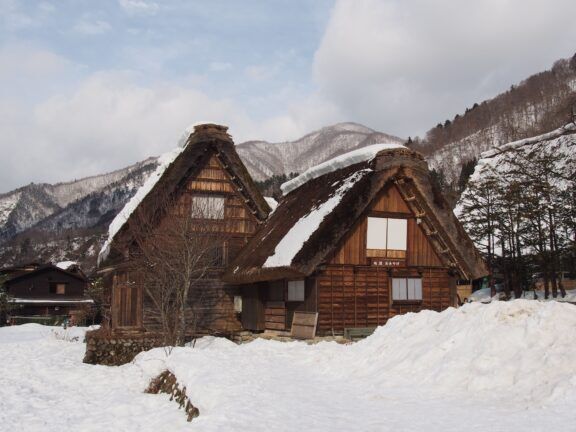
Traditional Japanese houses offer unique charm that many travelers seek, which hotels and other accommodations can’t provide. Features such as tatami rooms, wooden beams, engawa verandas, shoji screens, and private gardens are all appealing to many visitors. Additionally, akiya are often more affordable than traditional accommodations, making them an attractive option for boutique-style vacation rentals that seek to offer value for money.
Akiya can be renovated into a variety of vacation rental accommodation types, including:
- Country homes
- Family vacations
- Retreats
- Workation spaces
- Cycling and hiking accommodations
- Ski chalets
- Farm stays
As the demand for authentic local experiences grows, so does the appeal of renovated akiya.
Not All Akiya Are Created Equal
Many first-time akiya buyers make the mistake of assuming that any abandoned house that they can afford to buy and renovate into a vacation rental will be desirable and profitable. A large number of abandoned rural houses simply do not have the infrastructure or services to support a high number of tourists.
Consider the following questions before buying an akiya:
- Why would anyone want to visit this area?
- Is there public transportation nearby?
- Are there entertainment options and attractions?
- Is this a popular destination among foreign and domestic tourists?
- Is there a steady flow of visitors throughout the year?
An akiya in a popular tourist area will be much more desirable and valuable than one in a remote rural region with few amenities.
Minpaku Act
Operating an Airbnb in Japan comes with legal restrictions under the Private Lodging Business Act of 2018, also known as the Minpaku Act. Under this law, Airbnb-style short-term lets require a license from local authorities. Some of the requirements for Airbnb-style rentals in Japan are:
- Registration with local authorities
- Compliance with sanitation and safety regulations
- Keeping a log of guests
- Limits on the number of days a year the property can be rented out
The 180-day limit on short-term lets in Japan is a big turn-off for many foreign investors. For some areas, however, this might not be a major issue. Some Airbnb operators choose to register their properties under the Hotel Business Act, which has more stringent requirements but fewer restrictions on the number of days a property can be rented out.
Before buying an akiya, you should understand the local laws in the area where the property is located.
Local Governments Can Have Additional Requirements
While the Minpaku Act sets the standard requirements for private lodging businesses in Japan, local governments can impose additional restrictions. Local authorities might:
- Limit the number of days a year that a property can be rented out
- Prohibit short-term lease in residential areas
- Require notice to local authorities
- Prohibit short-term lets in specific regions
- Require more inspections than federal law requires
It’s important to understand the local requirements for short-term lets in the region where the akiya of your interest is located.
Additional Costs
Many of the akiya that are available for purchase are in poor condition and will need substantial renovations to be made presentable and legal for vacation rental purposes. Most guests will not be satisfied with an akiya that has outdated plumbing and furnishings. Vacation rental properties typically require modern amenities such as:
- Updated bathrooms
- Reliable internet
- Heating and air conditioning
- Comfortable beds
- Modern kitchens
- Fire safety equipment
- Smoke detectors
- Secure locks
The costs of renovation can be significant, so it’s important to have a realistic idea of how much it will cost to bring the akiya up to standard. In many cases, the costs of renovation can exceed the purchase price of the property itself.
Internet Access
Many travelers today are digital nomads or seek to work remotely while visiting another country. As such, they prioritize reliable internet access when choosing a place to stay. A house without internet access might receive negative reviews from such guests and fail to attract remote workers and long-term renters.
Before buying an akiya, you should research the availability of high-speed internet in the area.
Who Will Manage the Property?
If you are a foreigner, you might not be able to manage the property yourself. Managing an Airbnb-style short-term let can be time-consuming and requires someone to:
- Check guests in and out
- Clean the premises
- Do laundry
- Do repairs
- Clear snow
- Tend to the garden
- Communicate with guests
Many property owners hire local management companies to handle these responsibilities, but it can cut significantly into the profits. When estimating your potential rental income, keep in mind that you’ll have to pay for property management in addition to other expenses, such as utilities, taxes, and maintenance.
Final Thoughts
Look beyond Kyoto, Osaka, and Mount Fuji. Many people are familiar with the most popular areas for visiting and settling in Japan, such as Kyoto, Osaka, and the mountainous region around Mount Fuji. These areas are highly competitive, which means that akiya in these regions will have more competition and might not be the most desirable for Airbnb-style lets. You should consider other regions with growing tourism and a lack of accommodations, such as:
- Biking areas
- Onsen (hot springs)
- National parks
- Ski resorts
- Coastal areas
- Historic castles
- World Heritage sites
- Local festivals
An akiya in a lesser-known region that still has a steady flow of tourists can be much more desirable and valuable than one in a competitive area.
Seasonality Can Greatly Impact Your Profits
Vacation lets in rural areas typically experience seasonal fluctuations in demand. Unlike hotels in big cities, which operate year-round, many Airbnb-style lets can only generate income during specific times of the year. For example, ski resorts are only popular during the winter, while beachfront accommodations are in higher demand during the summer. Some areas might see an influx of tourists during the cherry blossom season or the autumn foliage season and see little interest for the rest of the year. Understanding seasonal demand is crucial in estimating potential rental income.
Many Travelers Want More Than Just a Place to Stay
Vacation rental guests are often looking for unique experiences in addition to a place to stay. Some of the most popular amenities among Airbnb guests in Japan are:
- Traditional Japanese architecture
- Local food and restaurant recommendations
- Cultural experiences
- Bicycle rentals
- Private gardens
- Outdoor hot tubs
- Tea ceremony experiences
- Beautiful scenery
Providing such amenities can help you attract guests and get better reviews.
Can an Akiya Make You Profitable?
An akiya can make you profitable if the location has a strong demand for vacation rental, the property can be legalized for short-term lease, has good access to transportation, and can be renovated.
A cheap akiya might not be the best option, especially if it’s located in an area with few amenities and little demand. A desirable akiya in a competitive area might have a higher price but offer better value for money and a steady stream of renters.
Before you buy an akiya, consider the following:
- Is short-term letting allowed in the area?
- Can you register the property under the Minpaku Act or another licensing system?
- What is the demand for vacation rentals?
- Are there other vacation rental accommodations nearby?
- Who will be responsible for cleaning and managing the property?
- Is high-speed internet available?
- What are the renovation plans and costs?
- What are the annual taxes, insurance, and maintenance costs?
- Can the potential income cover the costs?
If you can’t answer these questions, you should think twice about buying an akiya.
Final Thoughts
An akiya can be turned into a profitable Airbnb-style vacation rental, but it takes time, effort, and money. The most desirable properties for short-term lets are located in popular tourist areas, have access to public transportation, and can be renovated to include modern comforts. Additionally, you should be aware of local laws and regulations concerning private lodging businesses. Many akiya buyers fail to consider the costs of renovation, management fees, insurance, and taxes, which can significantly eat into the potential profits. By taking these factors into account, you’ll be able to make a well-informed decision about buying an akiya for Airbnb.
Source
- Ministry of Land, Infrastructure, Transport and Tourism (MLIT). Private Lodging Business (Minpaku) System
- Japan Tourism Agency (JTA). Guide to the Private Lodging Business Act (Minpaku)
- Japan External Trade Organization (JETRO). Investing and Doing Business in Japan
- Airbnb. Responsible Hosting in Japan
- Japan National Tourism Organization (JNTO). Tourism Statistics and Visitor Trends
- Japan Housing Finance Agency (JHF). Housing and Renovation Information
- Real Estate Japan. Buying and Renovating Property in Japan
- Akiya Japan. Buying and Renovating Akiya
Our team of seasoned professionals at PropertyAccess is dedicated to helping you navigate Japan’s real estate market with confidence.
With deep local knowledge and a commitment to personalized service, our experts are here to guide you every step of the way.
Book a Free Consultation Session with Our Team!
プロパティアクセスの経験豊富な専門チームが、お客様が安心して日本の不動産市場に投資いただけるようお手伝いいたします。
不動産に全般に関する豊かな知識とおひとりおひとりに合ったサービスで、不動産投資のプロセスを一貫してサポートしますので、お気軽に個別相談をご利用ください。
無料の個別相談を予約する(予約画面は英語で表示されます)
.jpg)