- Others
The Rise of Akiya: Abandoned Homes in Japan
Last Updated: October 23, 2026
With the declining Japanese population, there is a rise in abandoned homes, known as Akiya homes, around Japan. This is a prevalent issue, especially in rural regions. However, foreign investors are viewing Akiya homes as an opportunity to own a property in Japan.
Table of Contents
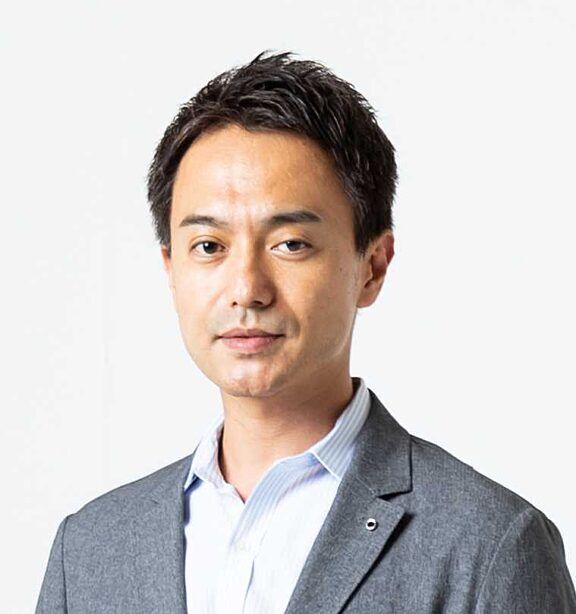
Supervised By: Hiroki Kazato
Real Estate Expert
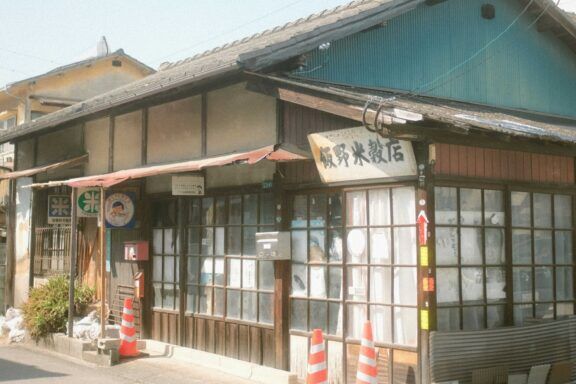
Lately, the increasing number of empty houses in Japan has drawn the attention of policymakers, local residents, and real estate investors. Left empty, these akiya (き) represent shifting demographics, an aging population, and changing housing preferences.
According to the 2023 Housing and Land Survey, there are an estimated 9-million vacant properties or 13.8% of all housing in Japan. These vacant properties include a variety of empty houses, those for rent or sale, and second homes.
While an akiya boom threatens to reshape Japan’s demographic landscape, it has also created opportunities for buyers and investors to purchase a home at a discount and renovate, or explore possibilities of using a home for other means to engage with Japanese real estate.
The Origins of Akiya
Japan’s akiya problem is not a recent phenomenon. Vacant properties have long been an issue in Japan; however, a demographic shift and migration patterns have exacerbated the matter, affecting rural areas more severely than urban centers.
Some of the main reasons for an increase in empty houses in Japan are as follows:
1. Decline in Birth Rates and an Aging Population
Japan has faced a long-standing issue of an aging population and a low birth rate. This poses a severe threat to the stability of the household structure in Japan. With more older residents moving into retirement communities and passing away, the properties that they once occupied can become empty. Particularly when the inheriting children already have primary residences or live further away, a vacant home may be left vacant for an extended period of time.
This is especially evident in rural areas, where depopulation makes it harder to find new residents who can move in and occupy the home.
2. Migration From Rural Areas to Big Cities
Younger generations are choosing to reside in larger cities such as Tokyo, Osaka, and Nagoya. With the draw of better job opportunities, education, and healthcare, the depopulation of rural regions continues. Vacant properties that once had residents are left empty when the owners move, while an influx of younger workers hoping to seek fortune and opportunities in the cities puts further strain on already densely populated housing markets.
With fewer younger people in rural areas, there is also less of a demand for properties, putting additional pressure on property owners.
3. Inheritance and Property Ownership Issues
With Japan’s aging population and declining birth rates, issues of inheritance and property ownership are also coming to a head. When an owner of a property passes away, their family must decide what to do with the residence. They might choose to rent out the home, renovate and move into it, sell it for profit, or leave it empty. When the children of the owner do not wish to deal with the costs and hassles of a property, it can be left to decay.
While the issue of inheritance taxes is not a primary concern for all, taxes on the property in question, additional expenses, and the potential of the property can also be a disincentive for potential owners to renovate, rent, or sell the property.
4. The Cost of Demolition and/or Repairs
Keeping a property in good condition can be expensive, particularly when there are damages, structural issues, older infrastructure, or other concerns. In cases when the repairs would be too expensive or extensive, the property may be demolished.
The owner of the property may also have significant expenses associated with removing the property, and it may take a long time to recoup the necessary funds from the sale of land. In some cases, owners may choose to delay both repair and demolition to avoid further expenses.
The Trend of Renovating Akiya Homes
Despite the problems associated with empty houses, akiya represent an attractive option for domestic and international buyers seeking an affordable way into the Japanese real estate market. Some buyers are drawn to the possibility of purchasing a home at a significantly lower price than a new one, and the ability to renovate an older house into a personal residence, vacation home, restaurant, or other structures.
An increase in remote work and unconventional lifestyles has also encouraged some buyers to consider options outside of large cities and their notoriously high housing prices. For international buyers, the opportunity to own a traditional Japanese home or renovate it to their liking is undoubtedly appealing.
However, the relatively low price of an akiya comes with additional responsibilities and expenses that buyers should carefully consider. A buyer should conduct due diligence and analyze the property’s potential, repair costs, and intended purpose before buying an empty house in Japan.
Affordable Prices
An attractive feature of akiya is their relatively low prices. Particularly in rural areas, older properties may have a reasonable asking price for the square meter or even be unprofitable for the owner. Local governments are also encouraging buyers and investors to purchase empty houses by organizing akiya banks, or databases that list owners of vacant properties in a given area. In some cases, local governments offer relocation and renovation support or other benefits for buyers willing to move to a specific area.
Additionally, some properties may be found at exceptionally low prices or even for free. However, such offers usually require additional research, due diligence, and may have specific conditions attached. Buyers should contact the local authorities to verify information.
It should also be noted that while the cheapest properties may offer a fantastic price-to-square-meter ratio, they may also provide little potential for profit, require expensive repairs, or be located far from any available services or transportation.
Renovation Costs and Potential Value
The purchase of an akiya can be an opportunity to renovate an older home, customize it to one’s liking, and potentially profit from such an investment. Depending on the condition of the property, the scope of renovation can vary significantly. While some cosmetic improvements and upgrades can be relatively inexpensive, substantial repairs may require additional expenses.
Demolition and reconstruction may also be a viable option when renovation costs are too high. For buyers looking to move into a renovated home, additional costs should be taken into consideration, as Japanese homes tend to be warm in the winter but poorly insulated, requiring additional heating and insulation equipment.
Prior to buying an empty house, it is crucial to calculate the costs of renovation and consult with local professionals to obtain an accurate estimate of potential expenses. Additionally, buyers may want to set aside additional funds, as repair costs sometimes exceed published estimates.
Akiya Banks and Government Support
To encourage investment and repopulate rural areas, local governments in Japan have implemented a variety of programs that promote the purchase, renovation, and occupation of a vacant property. A number of municipalities have implemented akiya banks, databases that list vacant properties and match buyers with the owners of vacant homes. Some local governments provide financial assistance for renovation, relocation, or demolition of unsafe structures, when applicable. Funding options and available support may vary, depending on the area and local government.
For buyers looking into akiya, such programs may be a fantastic opportunity to invest into a property with a significant potential for profit. At the same time, buyers should do their own research and verify all of the relevant details, such as the legality of renovations and repairs, local building regulations, and other factors.
What Foreign Buyers Should Know Beforehand
Foreigners are welcome to purchase any property in Japan, however, it is crucial to understand that the ability to purchase a home does not grant citizenship or residency permits. For foreigners, additional considerations should be made before buying an empty house in Japan.
Some practical considerations for foreign buyers include the following:
1. The importance of location: while price is an attractive factor in akiya, the location of the property is paramount. A home near a train station, employment opportunities, universities, tourism destinations, and other amenities will provide a greater return on investment and/or potential for renting.
2. Legal and structural considerations: older properties can sometimes have additional structural or legal limitations, such as additional structures that were never registered in official documents, boundary disputes, or other concerns. It is advisable to confirm legal status and structural integrity before purchasing the property.
3. Additional costs: aside from the initial purchase of the property, buyers should also note additional expenses, such as property taxes, maintenance, utilities, renovation and repair costs, and other expenses associated with the property ownership.
4. Exit strategy: depending on the purpose of the purchase, a buyer may want to consider renting out an empty house, renting it to guests or families for visits. When considering an investment property, a buyer should also keep in mind possible expenses, returns on investment, and potential profit.
Is Buying an Akiya Worth It?
While Japan’s growing number of empty houses represents demographic and economic challenges for policymakers, akiya also present opportunities for buyers and investors looking to purchase properties at a lower price and renovate. Local government programs can provide additional support for buyers willing to renovate and relocate to a certain area.
However, while the low initial purchase price of an akiya can encourage investment, it is crucial to consider a variety of additional factors, such as the property’s location, additional repair and maintenance costs, and potential return on investment.
For foreign buyers, the opportunity to purchase an empty house in Japan represents an exciting possibility, however, such an investment should not be considered a risk-free opportunity. With careful research, experience, and an understanding of the Japanese property market, buyers may find that an akiya can be a great value and way to invest in Japanese real estate.
Our team of seasoned professionals at PropertyAccess is dedicated to helping you navigate Japan’s real estate market with confidence.
With deep local knowledge and a commitment to personalized service, our experts are here to guide you every step of the way.
Book a Free Consultation Session with Our Team!